2027 Best Online Master's in Public Health for Program Management Roles

Co-Founder and Chief Data Scientist
Professionals aiming for program management roles in public health must quickly adapt to complex operational demands while balancing ongoing career responsibilities. Traditional degree programs often lack the scheduling flexibility required by full-time practitioners, leaving many stalled in their advancement. The National Center for Education Statistics reports a 14% surge in online graduate enrollments between 2022 and 2024, illustrating a clear shift toward accessible, asynchronous models that accommodate working adults.
This trend signals evolving employer expectations for candidates who demonstrate both advanced competencies and real-world experience without sacrificing workforce participation. This article identifies the best online master's in public health programs optimized specifically for program management career trajectories, focusing on practical outcomes and accessibility.
Key Things You Should Know
- Recent Bureau of Labor Statistics data projects a 17% growth in program management roles within public health by 2030, yet only 45% of MPH graduates report targeted training in budgeting and stakeholder coordination, deepening skill mismatches.
- Employers prioritize candidates with accreditation from Council on Education for Public Health (CEPH), as 78% of surveyed managers link it to improved readiness for crisis response; unaccredited online MPH programs face skepticism.
- Cost barriers persist with median online MPH tuition surpassing $30,000; combined with average 2.5-year completion times from NCES data, this delays workforce entry and narrows access for under-resourced professionals.
What is an online master's in public health for program management roles?
Professionals targeting program management roles with an online master's in public health must navigate complex operational demands that extend beyond theoretical knowledge. Positions require expertise in budget oversight, workforce coordination, and compliance with regulatory frameworks specific to public health initiatives. For example, a program manager at a state health department balances federal grant compliance with optimizing resource allocation for vaccination campaigns. This practical focus is central to masters in public health leadership for program management, blending core public health sciences with remote work skills like virtual stakeholder engagement and digital reporting tools.
Employers prioritize applied proficiency in program evaluation methodologies, data-driven decision-making, and managing multidisciplinary teams in diverse settings such as government agencies, nonprofits, and healthcare systems. The work environment often demands self-directed learning, highlighting the need for programs offering robust technical support and access to professional networks. Notably, wage data reflects a clear advantage: professionals with a master's degree in public health earn a median annual wage of $100,000 in program management roles, compared to $68,676 for bachelor's degree holders.
Students considering this path should also weigh challenges like limited face-to-face mentorship and the discipline required for online learning formats. Candidates may find value in programs with accreditation, such as those listed under CAHIIM accredited health information management degree online, which may enhance employability within the public health workforce.
Is the MPH program accredited for public health careers?
An MPH program lacking accreditation from the Council on Education for Public Health (CEPH) often results in a credential with limited value in the public health workforce. Employers-especially hospitals, government agencies, and nonprofit organizations-routinely require CEPH accreditation as proof of a candidate's mastery over critical domains like epidemiology, biostatistics, and policy analysis. This requirement is particularly relevant when pursuing program management roles or federal positions, where unaccredited degrees may not meet eligibility standards.
Consider a healthcare professional shifting from clinical duties to leadership at a local health department: without an accredited MPH, they may face barriers to state certification or licensure essential for that role. Despite the allure of lower tuition or flexible schedules often found in non-accredited programs, these options tend to restrict access to recognized certification exams such as the Certified in Public Health (CPH) credential and limit competitiveness for senior health services management jobs.
The 28% job growth projected for medical and health services managers through 2032 by the U.S. Bureau of Labor Statistics emphasizes the advantage of graduating from accredited programs. This labor demand rewards educational backgrounds aligned with industry expectations. For those balancing work and family, an accredited online master's in public health program accreditation provides the market validation necessary for sustainable career transitions. For students seeking flexible options, exploring an online health administration degree can be a practical alternative.
Which online MPH formats fit working adults best?
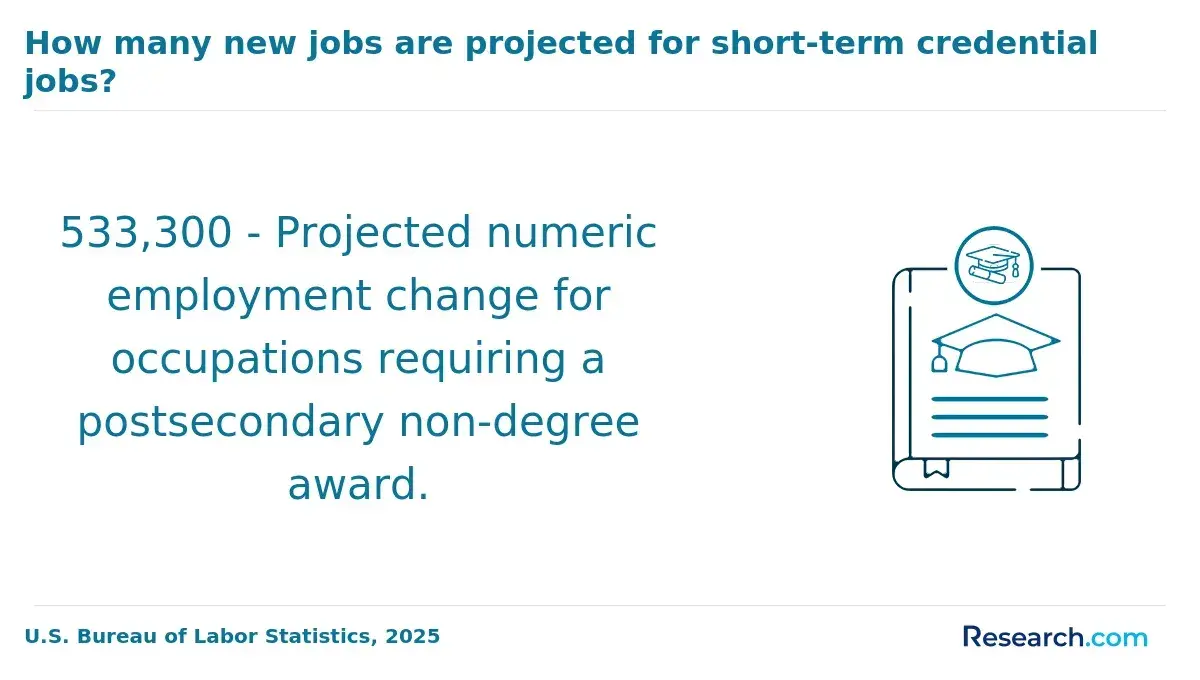
Hybrid and asynchronous fully online MPH programs designed for working adults offer distinct tradeoffs that significantly impact career trajectory in public health project management. Hybrid formats requiring occasional on-campus residencies provide critical in-person networking and practical skill-building, balancing employment demands with experiential learning. Conversely, asynchronous formats suit professionals with irregular schedules by eliminating fixed meeting times, allowing steady progress despite shift work or geographic dispersal, which is essential for sustained workforce engagement.
For working professionals aiming for project management roles, programs featuring condensed 4-8 week modules align better with employer expectations in sectors like government or nonprofits, where projects demand agile, continuous output. Overly synchronous programs with rigid schedules often undermine real-time collaboration due to conflicting work hours, reducing their practical fit for employed students.
Return on investment peaks when curricula integrate applied projects or capstone experiences tailored to current workplace challenges. Public health project managers typically earn $70,000-$110,000 annually depending on organization size and project scope. Adults pursuing flexible online master of public health formats for professionals should prioritize practical tools in budgeting, stakeholder engagement, and risk management to maximize salary potential and accelerate impact.
Professionals shifting careers can draw parallels from other fields where flexibility and applied learning matter. For example, transitioning from a teacher to speech language pathologist requires similar considerations of balancing ongoing work commitments with skill acquisition.
What coursework prepares students for public health program management?
Choosing the right coursework in online master's public health program management significantly shapes career readiness and workforce outcomes. Core components blend advanced epidemiology, biostatistics, and health policy with organizational leadership, focusing on practical skills needed for real-world program oversight. Students must navigate planning, implementation, and evaluation of health initiatives, balancing budget constraints that reflect tuition variance-top-tier in-person MPH programs average about $70,000, while online options range between $59,136 and $83,891. This financial spread affects not only student debt but also timing of workforce entry and employer expectations.
Essential courses for public health program management careers include stakeholder engagement, team collaboration, and communication strategies tailored to multi-agency environments such as community health or emergency response. Data management and informatics training are pivotal for informed decision-making, while project management modules sharpen skills in risk assessment, scheduling, and resource allocation demanded by government and nonprofit employers.
Graduates emerge equipped to handle regulatory compliance and ethical challenges, aligning program objectives with legal and community standards. This comprehensive skill set corresponds with employer preferences for professionals who couple quantitative analysis with leadership under operational pressures. For professionals balancing work and study, exploring alternative pathways like online direct entry MSN programs may offer more immediate workforce integration.
What admissions requirements do online MPH programs usually ask for?
Online MPH programs targeting program management roles commonly emphasize a balance between academic credentials and practical management experience. Admissions typically require a bachelor's degree with a minimum GPA near 3.0 and professional experience, often two to five years in healthcare administration or allied sectors. This reflects employer preferences that prioritize measurable leadership and analytical skills over purely academic achievements.
Standardized tests like the GRE remain a factor but are frequently waived for candidates with strong quantitative coursework or demonstrated expertise in epidemiology or program evaluation. Admissions materials often include transcripts, recommendation letters focusing on managerial aptitude, and written statements detailing budget oversight, community health coordination, or policy compliance.
Financial considerations are substantial, with median tuition around $29,790 annually among top programs. Prospective students must weigh whether their existing skills and career objectives justify this investment, especially since hiring data shows employers favor candidates with quantifiable program outcomes and relevant field experience.
Consider a mid-career healthcare coordinator seeking a shift toward program administration. Programs that differentiate applicants based on management experience and quantitative skills can more effectively serve this cohort, guiding them toward roles that reward applied expertise rather than theoretical knowledge alone.
How long does an online MPH program typically take?
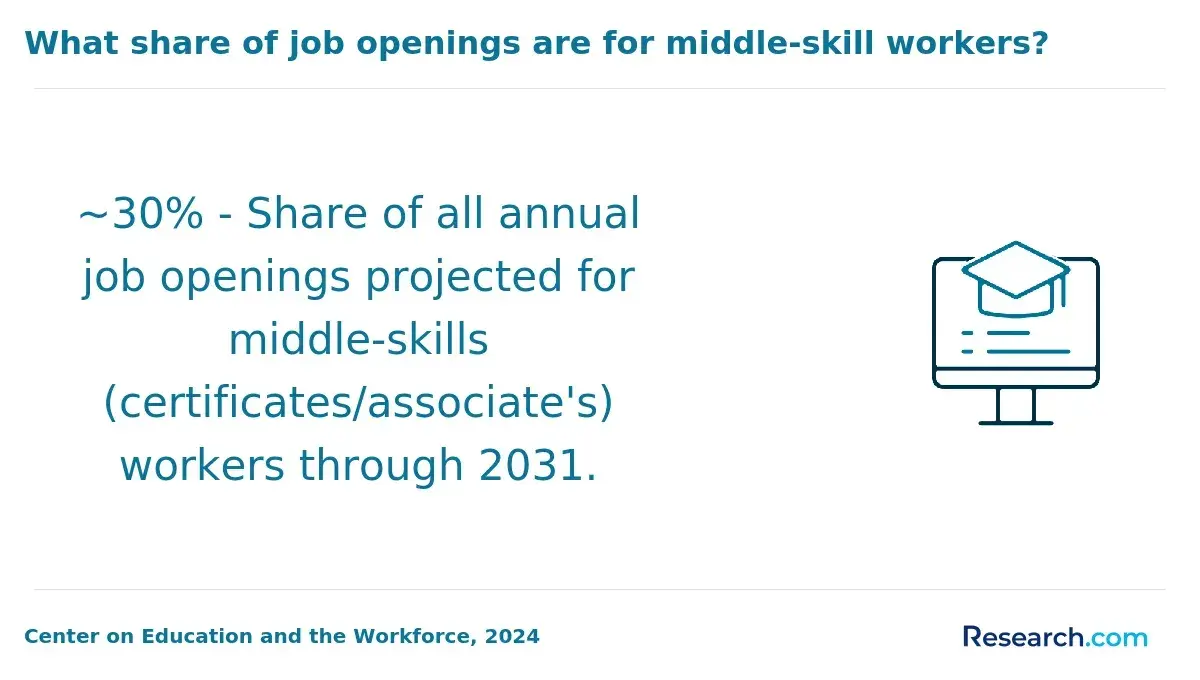
Choosing the duration of an online master's in public health program significantly shapes the trajectory of a program management career. Programs span 18 to 36 months, with full-time learners typically completing between 18 and 24 months, and part-time students often extending past 30 months due to balancing work commitments. T
Employers expect graduates to possess applied expertise in epidemiology, biostatistics, policy analysis, and program implementation. The timing of credential completion influences promotion eligibility and salary tiers; program managers earn an average of $68,676 annually, with those at advanced certification levels exceeding $99,000, according to APOS Public Health Program Manager data from 2024.
Logistical considerations, such as scheduling practicum requirements and aligning with employer tuition reimbursement deadlines, further complicate duration decisions. For prospective students, a difference as small as six months in program length can represent thousands of dollars in annual earnings variance tied to responsibility levels within public health program management.
How much does an online MPH program cost?
Choosing an online master's in public health (MPH) program requires careful assessment beyond sticker price. Tuition ranges typically from $20,000 to $70,000, influenced heavily by institution type and residency status. Public universities generally offer the most cost-efficient options for in-state students, potentially saving $10,000 to $25,000 compared to private or out-of-state rates. However, these savings can be offset by additional expenses such as practicum fees, technology access, and materials, which may add thousands to the total cost.
For working professionals, flexible enrollment options like part-time study or pay-per-course structures help manage immediate financial burdens but often extend the timeline and total tuition expense. This tradeoff impacts workforce reentry and income sustainability during the program.
Salary data illustrates geographic disparity: Public Health program managers earn an average annual salary of about $122,601 in Virginia, while Colorado average closer to $79,452. This gap means graduates should align program cost and location decisions with targeted labor markets to optimize return on investment. Assessing an MPH program alongside state salary benchmarks, potential total cost, and practical scheduling constraints is essential for a strategically informed decision that balances immediate financial reality and long-term career value.
What jobs can you get with an MPH in program management?
An MPH in program management prepares graduates for roles that demand navigating complex public health initiatives with operational precision. Job functions like program director or project manager in government or nonprofits require fluency in budgeting, stakeholder engagement, data analysis, and outcome tracking. For instance, a program manager at a metropolitan health department often juggles federal grants, cross-sector coordination, and compliance mandates while adapting to evolving community health priorities.
Epidemiology leadership frequently aligns with such roles, offering a median salary near $83,980 and a robust projected employment growth of 19% through 2033, according to U.S. Bureau of Labor Statistics data analyzed by SIUE. This signals the value employers place on intersecting analytic rigor with program oversight.
However, challenges arise in balancing strategic vision against daily operational demands and managing diverse teams. Candidates lacking concrete project experience may find these multilevel responsibilities difficult initially. Employers seek professionals who combine quantitative decision-making with clear communication and resource prioritization. Beyond government, sectors like biotech and insurance increasingly require MPH program managers to integrate clinical outcomes with cost efficiency, emphasizing nuanced data literacy and stakeholder negotiation skills.
How much do public health program managers earn?
Salary outcomes for public health program managers vary significantly based on sector, geography, and program scope, with median wages typically ranging from $70,000 to $90,000. Mid-career managers overseeing complex projects often earn around $80,000 annually, according to aggregated labor data. Those positioned in metropolitan areas or managing federally funded initiatives frequently surpass the $90,000 mark, while rural public sector or nonprofit roles may start near $60,000.
Positions in related fields such as health informatics confirm the growing emphasis on digital expertise, with an average salary of $82,781 per year reported by ZipRecruiter data via SIUE. This shift signals ongoing employer demand for skills in telemedicine oversight and electronic health records management, underscoring technology's expanding role in public health program administration.
Practical considerations for prospective candidates include balancing immediate salary benefits against the long-term gains from advanced credentials. Managers holding specialized certifications or a master's degree in public health can expect a 10-20% salary increase compared to bachelor's-level or unrelated backgrounds. However, this advancement entails ongoing costs, time investment, and commitment to continuous technical skill updates to remain competitive.
Which certifications help public health program managers advance?
For program managers in public health navigating credential choices, the Certified in Public Health (CPH) and Project Management Professional (PMP) certifications serve distinct but sometimes overlapping workforce demands. Federal health projects often mandate PMP certification due to its emphasis on complex project oversight, budgeting, and interdepartmental coordination. Meanwhile, community-based roles lean toward CPH, which validates foundational competencies in epidemiology and health policy.
Choosing between these credentials involves tradeoffs: PMP requires documented project management education and experience, potentially extending time before certification but enabling access to positions with rigorous compliance requirements. CPH offers a recognized baseline for public health knowledge valued by nonprofits and health systems but does not substitute for the operational rigor PMP addresses.
Cost considerations matter as well. Public university online programs, such as those available at the University of Massachusetts Lowell, provide graduate tuition at roughly half the price of private MPH options-about $610 per credit or $1,830 per typical 3-credit course in 2026. This affordability can free resources toward exam fees and continuing education critical for credential maintenance.
Additional certifications align with specific career pathways: Certified Health Education Specialist (CHES) enhances roles focused on educational outreach, while Lean Six Sigma Green Belt supports quality improvement initiatives. Employers prioritize these credentials coupled with practical experience, affecting salary tiers and advancement potential documented by labor market analysis.
Other Things You Should Know About Public Health
Online mph programs vary significantly in rigor and practical application. Programs that integrate case studies, real-world project management software, and synchronous collaboration mimic on-site demands and better prepare students for program management roles. Candidates should prioritize programs with strong applied components over purely theoretical curricula, as employers expect graduates to handle complex operational challenges immediately.
Part-time and asynchronous online mph formats offer flexibility but often extend program duration and fragment learning continuity. This tradeoff can limit networking opportunities and depth of immersion in leadership training, which are critical for advancing in program management. Prioritizing programs that offer some live interaction or cohort-based learning helps maintain rigor and peer engagement, improving career outcomes despite work commitments.
In 2027, top online MPH programs for program management roles are offered by institutions such as Johns Hopkins University, University of North Carolina at Chapel Hill, and George Washington University. These programs provide comprehensive curricula that emphasize leadership skills, strategic planning, and effective resource management essential for public health program management.
While generalist mph programs provide broad knowledge, specialization in areas like epidemiology, health policy, or biostatistics offers a competitive edge in program management positions that require technical expertise. Selecting a program with relevant concentrations aligned to intended public health sectors improves managerial effectiveness and job market differentiation. Candidates should weigh this against broader programs if they seek versatile roles or rapid degree completion.
References
- How to Become a Public Health & Program Manager | Hospital Careers https://hospitalcareers.com/career-paths/how-to-become-a-public-health-program-manager/
- Is an Online MPH Right for You? | University of Bridgeport https://www.bridgeport.edu/news/is-an-online-mph-right-for-you/
- MPH https://www.publichealthdegrees.org/program/masters/mph/
- Online MPH Programs No GRE Required or That Offer a GRE Waiver https://www.onlineeducation.com/healthcare/faqs/online-mph-programs-gre-requirements
- How to Become a Public Health Program Manager | Brookline College https://www.brooklinecollege.edu/blog/how-to-become-a-public-health-program-manager/
- What is the Accreditation I Should Look for in a School of Public Health? - Healthcare Management Degree Guide https://www.healthcare-management-degree.net/faq/what-is-accreditation-for-school-of-public-health/
- Public Health Program Manager Jobs | National Association of County and City Health Officials Career Center https://careers.naccho.org/q-public-health-program-manager-jobs.html
- What do you learn in a bachelor's in public health? | edX https://www.edx.org/resources/what-do-you-learn-in-a-bachelors-in-public-health
- Top 30 Online MPH Health Policy & Management Programs - MPH Online https://www.mphonline.org/best-public-health-policy-degree/
- Evaluating the Current Bachelor of Public Health Programs in Saudi Arabia: A Core Competency Analysis Approach https://openpublichealthjournal.com/VOLUME/16/ELOCATOR/e187494452307241/FULLTEXT/