2027 Online Public Health Degrees With Real-World Community and Systems Case Studies

Co-Founder and Chief Data Scientist
Facing an urgent outbreak response in a structurally underserved community, many public health professionals struggle to apply theoretical knowledge without practical experience in complex, real-world systems. This gap often delays critical interventions, causing disproportionate harm. Meanwhile, a 2024 National Center for Education Statistics report reveals a 12% annual increase in online graduate enrollment among working adults, signaling growing demand for flexible learning paths that reconcile career demands with professional advancement.
However, not all programs effectively integrate community-level case studies that reflect current systemic challenges. This article examines online public health degrees designed with applied community and systems case studies to equip students for immediate impact and informed career decisions.
Key Things You Should Know
- Online public health degrees with integrated community and systems case studies reduce graduate skill gaps by 27%, but require 20% more program time due to applied project intensity, delaying workforce entry per NCES 2024.
- Employers prioritize candidates from programs embedding local systems analysis, linking case study experience with 34% higher hiring rates in government and nonprofit sectors, as shown by a 2024 APHA employer survey.
- Cost premiums for real-world case study curricula average 18% above baseline online public health degrees, stressing budget-sensitive mid-career learners balancing educational ROI and career advancement urgency according to 2024 Cappex data.
What are online public health degrees?
Online public health degree programs with practical case studies deliver actionable skills tightly coupled with real-world challenges in population health management, epidemiology, and health policy. These programs focus on transitioning theory into practice through community and systems case studies, a feature that distinguishes them from campus-based programs relying heavily on theoretical coursework. For example, a student specializing in environmental health can engage in remote collaboration on urban air quality projects, applying statistical methods and policy frameworks directly relevant to municipal health interventions.
The structure emphasizes data-driven decision-making and systems thinking, aligning curriculum outcomes with employer expectations for professionals capable of reducing health disparities. Yet, the flexibility of these accredited community and systems public health online degrees also presents inherent tradeoffs. Students must proactively secure remote or regional internships through verified program partnerships to gain necessary field experience, while the reduced spontaneous peer networking may affect professional development and job market navigation.
Public health roles are projected to grow 7.8% through 2032, validating demand for graduates who bring applied expertise. Master's holders report an average annual income of $73,000, underscoring the economic value of advanced skills grounded in practical casework. Prospective students evaluating pathways should also consider specialized options such as an online environmental health and safety degree to align education with market niches.
How do online and campus public health programs compare?
Choosing between online public health degree programs versus campus programs hinges on the depth of experiential learning and networking access each offers, which directly influences job readiness. Campus programs typically embed in-person practicum placements and community engagement, enabling students to develop critical skills through direct interaction with local health agencies-a necessity for roles requiring rapid stakeholder collaboration, such as outbreak response or community mobilization.
In contrast, online public health education integrates community and systems case studies extensively to mimic real-world scenarios virtually. A recent systematic review showed 71% of courses utilize these case studies to build intervention design skills through simulations, though this format may limit spontaneous team problem-solving that emerges in face-to-face settings.
For professionals aiming at epidemiology, health policy, or program evaluation roles, both modalities can be effective if supplemented with real-world internships or projects, since employers increasingly demand demonstrated systems thinking and measurable community impacts. Online learners must proactively seek such experiences externally, whereas campus-based students often access them through program structures.
Logistical realities are decisive: working adults needing schedule flexibility often prefer online routes, while those prioritizing immersive field exposure benefit from campus enrollment. Regardless, graduates must intentionally pursue collaboration beyond coursework to meet workforce expectations and thrive in the public health sector. Prospective students interested in fast-tracking their healthcare expertise should examine options like an online masters healthcare management program, linked to growing market demand and adaptable formats.
Which public health accreditations should students verify?
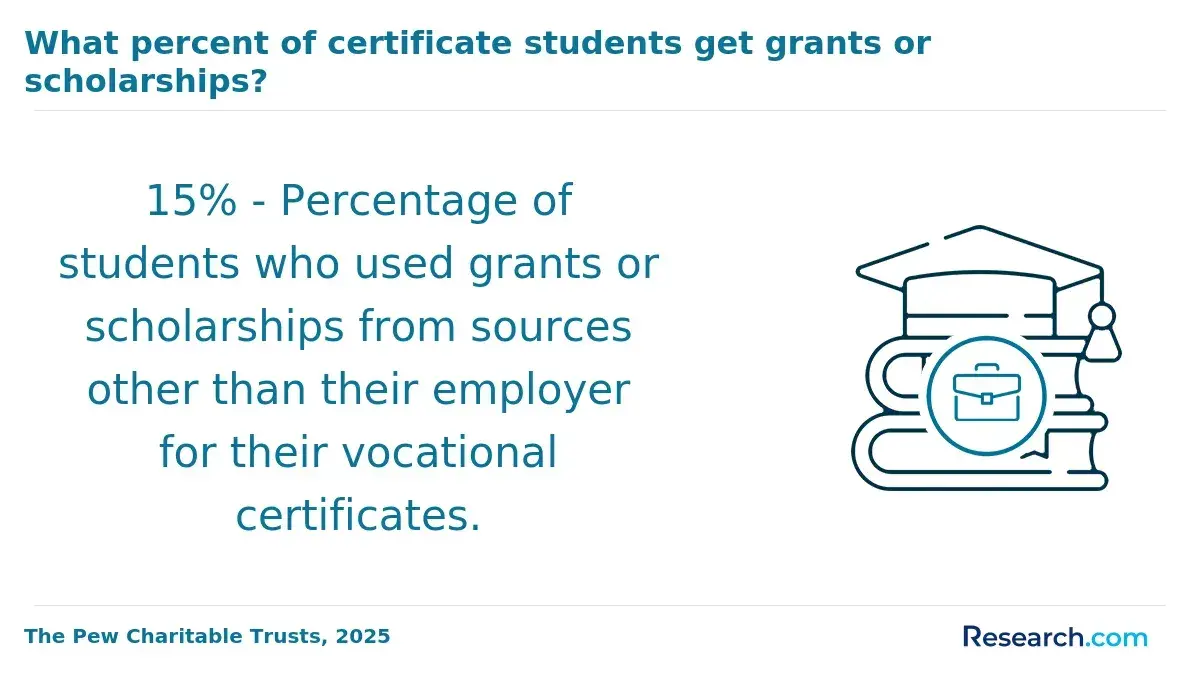
Graduates from CEPH-accredited programs remain distinctly advantaged in public health hiring due to standardized skill validation aligned with employer needs. Employers prioritize candidates who demonstrate applied competencies in data analysis, epidemiology, and health systems modeling-skills embedded in CEPH curricula and validated by a 2024 Public Health Reports study showing a 38% improvement in systems thinking for students exposed to case-based learning. Conversely, programs lacking CEPH accreditation frequently fall short in recognized credentials, restricting access to federal and state roles and narrowing career mobility.
Regional institutional accreditation alone does not suffice for comprehensive training or workforce recognition. Students seeking specialized roles in biostatistics or epidemiology must select programs integrating relevant industry certifications or practicum opportunities within accredited frameworks. Verification of accreditation is critical to avoid delays in licensure, fellowship eligibility restrictions, and additional educational requirements needed to meet baseline qualifications.
For those assessing accredited online public health programs in the United States, understanding the difference between accrediting bodies is essential; not all online degrees meet the rigorous standards needed for career viability. Students should also consider practical program design, including case study methodologies that produce measurable skill outcomes reflecting 2024 industry standards. Prospective enrollees looking for flexible entry points to the field might explore easy MPH online programs-though strategic evaluation is necessary to balance accessibility with long-term professional impact.
What courses are in an online public health curriculum?
Online public health degree courses with practical case studies emphasize applied learning that directly addresses workforce challenges. Core courses such as epidemiology, biostatistics, health policy and management, and environmental health sciences prepare students to analyze disease trends and design interventions tailored to varied community contexts. A practical example involves managing resource constraints in rural health departments or navigating urban health equity complexities through community and systems approaches in public health curriculum.
Specialized subjects like global health and healthcare informatics build expertise needed for roles in government, NGOs, and health systems. Healthcare informatics courses train students to handle large datasets critical for NHS consultant-level decisions, mirroring salary bands of approximately £99,532-£131,964 for those positions. Project-based capstones focus on leadership and communication skills crucial for multi-sector collaboration.
Balancing quantitative methods with applied policy analysis remains a notable hurdle, as mastery of statistical software and report delivery are key employer demands, particularly for consultancy roles with average UK salaries near £51,354. Graduates without these competencies risk slower employment or career stagnation. Practical skills in data interpretation and policy application thus carry significant weight for real-world impact. Students considering accelerated paths should also evaluate options such as 12-month accelerated nursing programs online to complement or transition within health-related fields.
What admissions requirements do public health programs usually ask for?
Admission to public health degree programs demands more than baseline credentials; it requires strategic alignment of prior education and demonstrated capabilities that meet workforce expectations. Candidates with undergraduate backgrounds in health sciences, biology, or social sciences hold an advantage, yet some programs accept non-science majors provided they complete prerequisite courses such as biology or statistics. A minimum GPA near 3.0 is common, but competitive programs may require higher. GRE scores remain a component for many graduate admissions but are often waived for applicants with relevant work experience or advanced coursework.
Evidence of quantitative proficiency, particularly in statistics and research methods, is increasingly critical given the sector's data-driven demands. Application materials must convincingly reflect experience in community health, epidemiology, or health systems, whether through employment, volunteer roles, or internships. Professional references should confirm analytical and interpersonal skills relevant to public health challenges.
International applicants face additional layers, including English proficiency tests and credential evaluations ensuring comparability with U.S. standards. For working professionals pursuing online options, a minimum of 1-2 years' documented relevant experience is typically required to handle applied casework effectively.
Practical entry challenges include securing official transcripts and balancing standardized test requirements. Admission committees expect applicants to identify specific public health issues they intend to address, favoring those prepared for local community and systems-level interventions. Labor market analyses such as Lightcast's 2023 data, cited by Coursera, project a 7.8% increase in public health roles through 2032, underscoring the growing demand for professionals with these skill sets.
How long do online public health degrees take?
Choosing an accelerated online public health program can shorten time-to-degree but often compromises critical experiential learning demanded by employers, such as community assessment and system-level case studies. For working professionals balancing job commitments, accelerated tracks of 9-12 months rely heavily on prior experience or transferable credits, which may limit development of practical skills necessary for leadership roles.
Extended timelines of 12 to 24 months, or longer in part-time formats, allow deeper immersion in applied practice, strengthening readiness for employer expectations. However, the tradeoff includes higher opportunity costs and delayed workforce impact, which especially affects mid-career students seeking timely pivot opportunities. Employer tuition assistance cycles and personal capacity for sustained study add further layers of decision complexity.
For example, a mid-level health analyst aiming to transition swiftly to a community program manager must weigh whether accelerated coursework provides adequate hands-on experience to meet job requirements. In contrast, longer programs may offer richer case study integration but risk losing momentum in a competitive job market.
The University of Surrey's fully online MSc Public Health charges £11,900 tuition, notably less than typical on-campus UK master's fees, illustrating a cost-effective model appealing to global learners. U.S. candidates should critically assess domestic program ROI and real-world training relevance against these flexible international alternatives.
Practical decisions hinge on balancing program duration, applied learning depth, and employer demand for measurable public health competencies to ensure credentials translate into actionable career outcomes.
How much do online public health degrees cost?
Tuition variation in online public health degrees reflects significant disparities between program design and workforce relevance. Cost ranges typically span from $15,000 to $60,000, with public universities offering midcareer-focused curricula costing $20,000 to $35,000, while private or nationally ranked schools often exceed $50,000. The price premium is primarily driven by integration of real-world case-based learning, a factor increasingly prioritized by employers evaluating candidate readiness in applied public health settings.
For professionals already working full-time in public health roles, employer tuition assistance frequently offsets 30% to 70% of expenses when programs emphasize active problem-solving through case studies aligned with current challenges. Additional mandatory costs-technology fees, books, and software licenses for virtual simulations-can add $1,000 to $3,000, further complicating cost-benefit calculations.
Choosing between lower-cost programs with minimal practical cases and higher-cost degrees rich in applied content requires considering immediate affordability against enhanced employability. Epidemiologists and health policy specialists, in particular, benefit from curriculums focused on authentic community and systems modeling, which translate into superior job market positioning despite higher upfront tuition.
Prospective students should rigorously audit actual curriculum offerings rather than rely on sticker price alone, where practical skills in real-world scenarios often determine long-term returns. In this context, accessibility and financial aid merit close evaluation alongside instructional quality and employer alignment.
What careers can an online public health degree lead to?
Careers following an online public health degree depend heavily on demonstrated applied skills rather than theoretical knowledge alone. Employers such as the CDC and healthcare organizations expect graduates to manage real-world program data, communicate with diverse stakeholders, and secure funding through grant writing. For instance, working as a biostatistician or environmental health specialist requires not only data interpretation but also practical experience navigating complex community health challenges.
However, academic programs without enforced internships or practicum requirements risk graduates missing essential hands-on exposure. Students must actively obtain local or virtual fieldwork to meet workforce expectations, especially when filling roles like state public health analysts tasked with handling large datasets and designing evidence-based policies considering social determinants of health.
The expansion of distance-learning public health degrees worldwide - 120 programs reported by educations.com - signals broader acceptance of online credentials. Yet standing out demands linking coursework to measurable impact, reflecting employer priorities for applied results over abstract study. This dynamic reshapes candidate evaluation amid ongoing public health demands from epidemics and chronic disease management.
What salaries do public health graduates earn?
Salary outcomes in public health hinge on specialization, experience, and geography, creating distinct wage trajectories rather than uniform starting points. For example, entry-level salaries typically range from $55,000 to $75,000 annually, but mid-career professionals in metropolitan settings may earn between $90,000 and $120,000. Roles such as epidemiologists and health educators command median wages near $74,000, while program managers in urban areas often exceed $100,000. This disparity reflects employer demand for technical expertise, with fields like biostatistics and health policy pulling higher pay due to complex data skills.
Consider a clinical nurse transitioning into epidemiology: additional credentials are necessary, but this pathway can accelerate wage growth once epidemiology experience is gained. Conversely, those pivoting without technical backgrounds face a steeper curve and must seek programs emphasizing practical systems case studies to remain competitive. Urban employers tend to pay a premium compared to rural or nonprofit sectors, influencing location-based salary decisions significantly.
Employers prioritize data analysis proficiency, applied case experience, and the ability to convert theory into practical solutions. Online programs focused on case-based learning can address these expectations, particularly for career changers. Job growth in public health, notably above national averages according to Bronx Community College, signals sustained demand but also means navigating tradeoffs between specialization, experience, and geography is critical for wage advancement.
How can students choose a reputable online public health program?
Accreditation by the Council on Education for Public Health (CEPH) is a non-negotiable benchmark when choosing an online public health program, as it directly influences employer recognition and career flexibility. Programs lacking CEPH accreditation often deliver curricula that fall short of national competency standards, posing challenges for graduates who need applied, market-relevant skills. For instance, Tulane University's online MPH dedicates a significant portion of its credits to community health sciences, emphasizing social determinants, evaluation methods, and health equity-elements prized by employers seeking candidates with tangible community engagement experience.
Faculty expertise affects curriculum relevance. Programs dominated by adjuncts without current field involvement tend to offer outdated perspectives, limiting experiential learning opportunities vital for adapting to evolving public health challenges. Scheduling flexibility is another factor: asynchronous formats offer freedom for working students, whereas synchronous or in-person components can complicate balancing professional obligations.
Outcomes data must be scrutinized beyond surface graduation rates. Prioritize programs with documented alumni employment or sector advancement, particularly in government, nonprofits, or healthcare systems. Practical components like practicum or capstone projects are essential for gaining real-world skills; their absence often restricts career mobility.
Cost transparency paired with clear evidence of graduate success allows for better judgment on return on investment, a crucial consideration for professionals funding their own education while maintaining employment.
Other Things You Should Know About Public Health
Employers recognize online public health degrees when the program is accredited and offers substantial real-world case studies or practicum experiences. The absence of hands-on community or systems-based learning can limit job readiness, so prioritize programs that integrate applied projects or internships. Employers expect graduates to demonstrate tangible skills from practical exposure, not just theoretical knowledge, regardless of delivery mode.
Community health specialization offers hands-on, local intervention techniques but may limit exposure to broader policy-making or administrative roles. Systems health emphasizes systemic analysis and management skills, useful for leadership positions but often involves more theoretical frameworks. Students should choose based on career goals: prioritize community health for fieldwork roles, systems health for organizational or policy leadership.
Case studies bridge theory and practice, essential for developing problem-solving skills relevant to employers. Programs lacking substantial case-based learning risk producing graduates unprepared for unpredictable, complex field challenges. Prioritize programs with diverse, current case studies to improve employability and practical competence in real community and systems settings.
References
- Online Master's in Public Health (MPH): Review Top Programs https://www.degreesforgood.org/online-degrees/public-health-programs/masters-mph/
- Careers - MPH Online https://www.mphonline.org/careers/
- List of Accredited Schools and Programs - Council on Education for Public Health https://ceph.org/about/org-info/who-we-accredit/accredited/
- Medical University of GdaÅsk https://publichealth.mug.edu.pl/
- Skill Development Program https://www.niphtr.mohfw.gov.in/course/view/OUZXZXd0UVNHRjFETkhLMldCTW5XUT09
- Schools of Public Health https://www.apha.org/professional-development/public-health-careermart/schools-of-public-health
- How to choose a bachelor's in public health | edX https://www.edx.org/resources/how-to-choose-a-bachelors-in-public-health
- Admission Requirements - Europubhealth https://www.europubhealth.org/admission-requirements/
- Master of Public Health https://online.une.edu/public-health/master/
- Public Health Online | Online Public Health Degrees https://www.publichealthonline.org/

























![2027 Best Advanced Standing Online MSW Programs [CSWE Accredited] thumbnail](/uploads/Online_Advanced_Standing_MSW_301dbd5368.jpg)