2027 Best Online Public Health Programs for Professionals Seeking Hospital and Health System Roles

Co-Founder and Chief Data Scientist
Clinicians and health administrators aiming to transition into hospital and health system roles face a tight labor market demanding advanced skills combined with operational agility. The growing complexity of healthcare delivery has pushed employers to prefer candidates with graduate-level training tailored to systems management and epidemiology. Yet, rigid program schedules and geographic constraints often bar working professionals from upskilling promptly. Recent data from the National Center for Education Statistics reveals that 62% of graduate enrollment growth in public health-related programs stems from online formats, signaling a shift toward flexible learning as a critical enabler for career mobility. This article evaluates the top online public health programs optimized for professionals targeting hospital and health system positions, focusing on accessibility, curriculum relevance, and career impact to inform strategic education investments.
Key Things You Should Know
- Nationwide data shows a 21% wage premium for graduates holding online public health degrees with hospital system specialization, but programs focusing heavily on epidemiology risk lower immediate clinical operations placement rates.
- Employers increasingly prioritize candidates with practical informatics and health policy expertise alongside accreditation; programs lacking this integration report 15% longer median job search durations per JAMA Health workforce analysis.
- Cost variability remains substantial, with top-tier online programs averaging $32K versus $19K at regional providers, compelling professionals to weigh debt load against accelerated credentialing that can reduce role entry time by up to 6 months.
What are the best online public health degrees for hospital and health system careers?
Hospital and health system employers prioritize candidates with degrees that fuse healthcare administration, health informatics, and systems management into practical skill sets. Among the best online public health degrees for hospital careers, about 42% of accredited programs globally focus directly on these competencies, reflecting clear alignment with real-world demands for efficient resource management and patient data security.
Specialized programs train students to handle complex hospital infrastructures, positioning graduates for leadership roles in quality assurance or strategy. For example, clinicians seeking to transition into administration benefit most from degrees that incorporate hands-on case studies balancing clinical workflows with operational goals.
Conversely, broad public health degrees oriented toward epidemiology or community health tend to serve students pursuing system reform or policy roles but offer less direct pathways into hospital administration.
Critical evaluation factors include accreditation, curriculum relevance, and meaningful connections to healthcare networks to secure internships or practicums. Employers prefer candidates with demonstrable experience integrating public health principles with healthcare informatics and technology adoption-a necessity given the proliferation of electronic health records in hospitals.
This is exemplified by graduates of online health information management programs CAHIIM accredited, which provide essential informatics expertise.
Tradeoffs between generalist and hospital-focused programs reflect choices between flexible, lower-cost curricula and accelerated advancement in hospital systems. Degrees emphasizing applied health economics and leadership offer the most direct returns but typically come with higher tuition and greater time commitments.
How do online public health programs prepare students for roles in hospitals and health systems?
Online public health education for hospital careers centers on practical skills directly tied to health system operational needs. Candidates gain expertise in health data analytics, regulatory compliance, and resource management-skills that translate into measurable improvements in hospital efficiency and patient outcomes.
For example, professionals moving from clinical roles to administration apply epidemiological methods to reduce hospital-acquired infections, lowering readmission rates and enhancing reporting precision.
Such programs integrate realistic case studies and simulations addressing outbreak response and multidisciplinary team leadership during crises, reflecting the skill set hospital managers must deploy amid shifting regulations and fiscal constraints. These experiential components foster critical thinking relevant to daily challenges encountered in complex healthcare environments.
Students also develop leadership competencies adapted for healthcare settings, including conflict resolution and cross-departmental coordination, preparing them for significant roles in management.
This educational pathway aligns with employment projections, as the U.S. Bureau of Labor Statistics estimates a 28% growth in medical and health services management jobs, adding roughly 144,700 positions over a decade.
Graduates emerge equipped to bridge gaps between clinical personnel and administrative demands, mastering health information systems and legal frameworks fundamental to hospital operations. Those assessing advanced study options might consider programs such as the PhD in healthcare management to deepen their strategic impact within health systems.
The skills gained from online public health programs for health system roles thus emphasize actionable knowledge critical for navigating hospital priorities like policy adherence, quality improvement, and cost containment.
What public health degree levels and specializations are most relevant to hospital-based work?
Hospital systems specifically value master's degrees tailored to operational and management roles within healthcare, making a Master of Public Health (MPH) with concentrations in health services administration, epidemiology, or healthcare policy the most applicable for hospital careers.
The U.S. Bureau of Labor Statistics reports a median annual salary of $130,410 for medical and health services managers in general medical and surgical hospitals, illustrating the financial premium placed on leadership with public health insight. Bachelor's degrees in health administration offer foundational knowledge but rarely suffice for hospital leadership, where graduate credentials are standard.
Advanced doctoral degrees, such as a DrPH specializing in health systems or leadership, can position professionals for executive-level roles but entail extended commitments that may not align with mid-career aspirations. Specializations in informatics or biostatistics cater well to hospital roles focused on data-driven quality improvement but require concurrent clinical or operational experience to translate numbers into actionable healthcare strategies.
Prospective candidates should evaluate public health degree programs for hospital careers by examining how curricula incorporate real-world partnerships, internships, or residencies within hospital systems-an essential factor that directly impacts employability and salary.
Those lacking clinical backgrounds must seek programs emphasizing health system finance, regulation, and leadership to bridge gaps in hands-on healthcare understanding.
For those considering a shift from other professions, practical examples like a move to becoming a speech language pathologist highlight the necessity of targeted education pathways aligned with clinical and operational realities in healthcare settings.
How do online public health programs compare with campus programs for hospital-focused careers?
Online public health programs versus campus programs for hospital careers show minimal differences in salary impact and skill acquisition, particularly for hospital administrators holding an MPH who earn 22-25% higher wages than non-degree holders. Employers increasingly prioritize validated competencies and CEPH accreditation over the program's delivery mode, reflecting a shift toward merit-based evaluation in hiring.
However, campus programs often facilitate immediate, valuable in-person networking with hospital leaders and offer clinical immersion opportunities harder to replicate online.
Professionals balancing full-time roles benefit from the flexibility and outcomes of public health education for health system professionals via online MPH degrees, which reduce commuting and lost wages but demand disciplined time management and proactive mentorship seeking.
Online students should supplement their education with virtual internships or local hospital partnerships to offset restricted face-to-face engagement, especially when targeting senior leadership roles in cautious regional markets.
Decision-making should consider current employment, geographic mobility, and target hospital settings. For example, a mid-career health IT manager aiming for system-wide administration might combine an online MPH with strategic local engagement.
Additionally, exploring adjacent graduate paths such as direct entry MSN programs for non-nurses online can provide alternative pathways into healthcare leadership roles.
What accreditation and quality standards should online public health programs meet in the U.S.?
CEPH accreditation remains the baseline standard employers demand from online public health programs, especially within hospital and integrated health system settings. Without it, candidates face significant barriers to roles requiring compliance with stringent regulatory standards and mastery of evidence-based practices. Employers also weigh institutional regional accreditation to verify program legitimacy, impacting financial aid access and perceived graduate quality.
Beyond accreditation, measurable outcomes such as graduate placement in hospital environments and success on certification exams (like Certified in Public Health) serve as concrete indicators of workforce readiness. These metrics help employers filter applicants who can manage complex health system data and navigate evolving policy landscapes.
Tuition costs vary widely-from around $15,000 to over $65,000-with a median near $30,000 for top-ranked programs. This range correlates strongly with program quality, faculty expertise, and practical fieldwork integration.
Professionals transitioning, for example, from clinical nursing into hospital public health leadership, must weigh paying higher tuition for accredited programs that align with employer expectations against less costly alternatives that may hinder advancement.
Choosing a CEPH-accredited program with demonstrated employer alignment is strategic for accessing leadership roles in large health systems.
Graduates of non-accredited or lower-tier programs risk restricted career pathways and difficulty demonstrating applied skills critical to population health management, policy adherence, and operational oversight within complex healthcare settings.
What courses and practicum experiences do online public health programs offer for hospital roles?
Hospital- and health system-focused public health programs prioritize applied skills in operations, data analytics, and healthcare policy execution, catering directly to employer demand for expertise in complex institutional environments. Core coursework centers on quality improvement, patient safety, and health data management, while specialized tracks often train students in healthcare finance, regulatory compliance, and electronic health record (EHR) systems-preparing graduates to tackle practical challenges unique to hospital settings.
Practicum placements are a critical differentiator: students engaged in health informatics might contribute to optimizing EHR tools that enhance clinical decision-making, whereas those oriented toward hospital operations could manage infection control projects or streamline patient flow with measurable efficiency outcomes.
The value lies in connecting data systems literacy with operational realities, a combination increasingly sought by hospital employers.
However, the variance in practicum quality can significantly affect workplace readiness. Institutions offering integrated, cross-departmental clinical experiences tend to produce professionals better equipped for the fast-paced, technology-driven demands of modern hospital administration. Conversely, less focused practicums risk leaving candidates underprepared for these environments.
Employers now prioritize MPH graduates who can demonstrate both theoretical mastery and practical impact within healthcare settings.
According to Teach.com's 2024 guide, MPH specializations in health management and informatics show the fastest enrollment growth, reflecting job market trends that reward deep hospital operational knowledge combined with applied informatics skills.
What are typical admission requirements for online public health programs targeting health systems?
Admission criteria for online public health programs targeting health systems often prioritize candidates who balance academic grounding with professional readiness. A bachelor's degree in health sciences, biology, nursing, or a related field typically forms the baseline, paired with a minimum GPA of around 3.0 to ensure sustained academic productivity.
The expectation of GRE scores varies, frequently waived for those demonstrating relevant work experience or holding advanced degrees. Employers and programs alike value practical healthcare experience-ranging from one to three years in clinical or administrative roles-as it signals immediate workforce applicability without excessive retraining.
Applicants face a strategic evaluation beyond transcripts and test scores. Personal statements focused on aligning career goals with health system demands and letters of recommendation from supervisors within healthcare settings provide a window into candidates' practical competencies and professional trajectories.
Some programs incorporate interviews or questionnaires to assess candidates' capacity to manage the dual demands of work and graduate study, especially given the technology reliance of online coursework.
This admissions framework directly informs workforce outcomes: data from MPHOnline shows that more than half of recent graduates secure roles within healthcare delivery, hospital systems, or health insurance organizations. For professionals weighing the tradeoff between experience and formal credentials, these criteria reflect an operational balance prioritizing candidates prepared for health system roles without substantial additional onboarding.
In practice, this often means candidates with modest academic metrics but solid healthcare experience can succeed, whereas those lacking applied exposure may face steeper transitions into health system careers.
How long do online public health programs take, and what do they cost for working adults?
Programs in online public health commonly span 18 to 36 months part-time, with most Master of Public Health (MPH) degrees requiring about two years for working professionals. Compressed tracks reducing completion to 12-15 months demand an intense weekly time commitment, which can be impractical alongside full workloads.
Specialization affects timeline: epidemiology often extends duration due to research, while health policy paths may allow faster completion. Extended programs risk widening opportunity costs and career delays, a significant consideration for employed students.
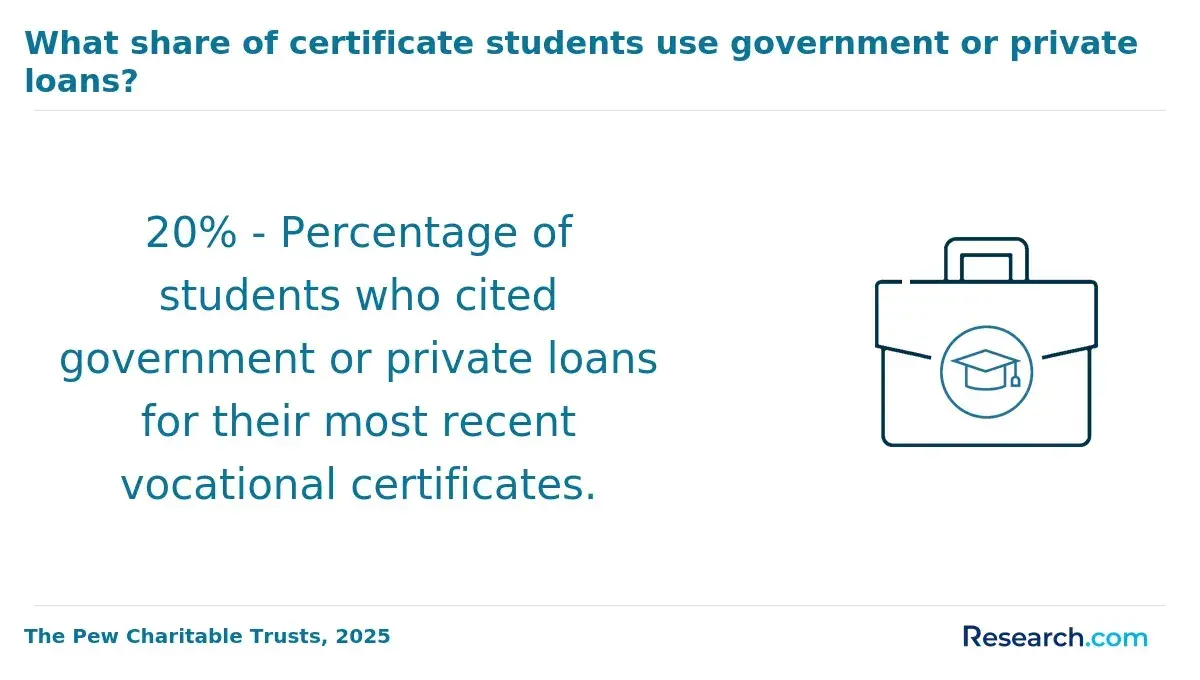
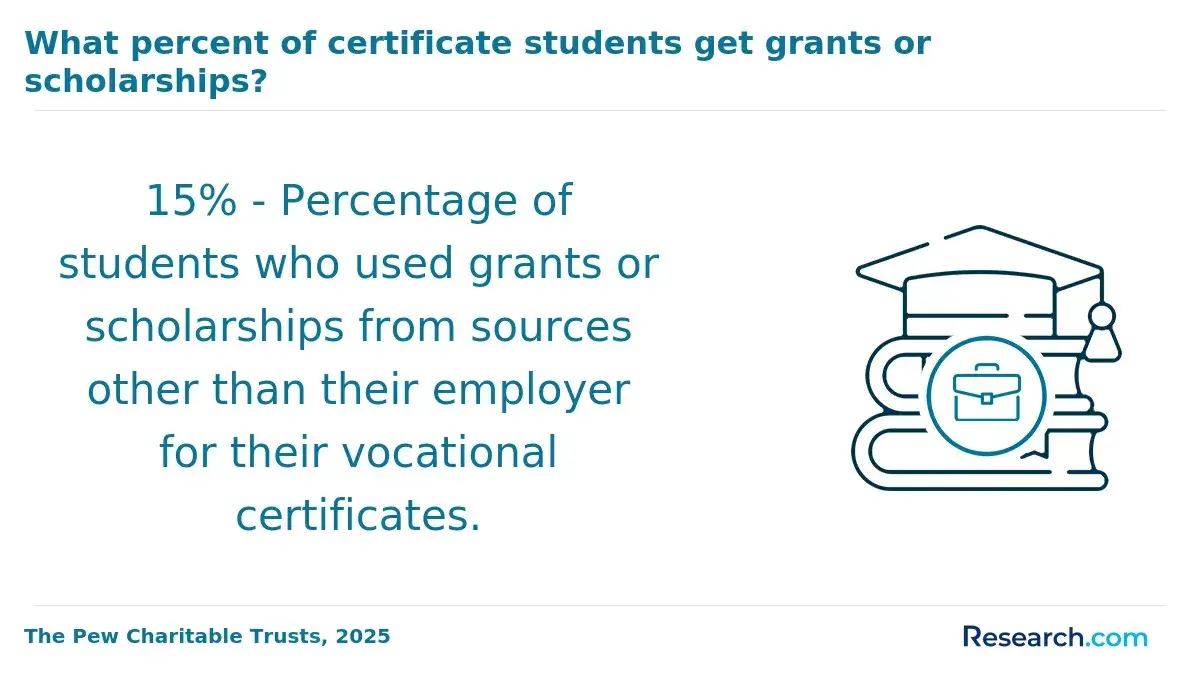
Tuition for accredited online MPH programs varies widely, typically between $20,000 and $60,000. Public institutions usually offer lower per-credit rates, but in-state residency rules and additional expenses-such as technology fees, textbooks, and travel for practicums-inflate total costs.
Prospective students should evaluate employer tuition assistance as it can reduce financial burden substantially.
Key considerations include:
- Balancing time-to-completion against current work and personal obligations
- Assessing total financial investment including indirect costs
- Verifying program accreditation and employer reputation impact
Employers increasingly prioritize candidates with accredited online public health degrees that demonstrate applied skills and flexible pacing aligned with real-world demands. Graduates of extended or loosely structured programs may face challenges competing with peers holding degrees completed more efficiently and with clearer workforce integration.
Choosing programs with cohort models and practitioner mentorship often improves learning outcomes but may extend study duration.
What hospital and health system jobs, salaries, and career paths can these degrees support?
Holding an online public health degree often positions candidates for critical roles, but real-world hiring demands more than credentials alone. For instance, healthcare management positions with an MPH credential typically command median salaries between $100,000 and $120,000, yet advancing toward specialized epidemiology roles can push compensation beyond $130,000.
The competitive edge emerges where programs integrate practical experiences such as internships with established health systems, granting graduates demonstrable applied skills that employers prioritize.
Prospective students should expect employer preference for candidates who blend clinical insights with public health expertise, especially those fluent in informatics and regulatory requirements embedded in leading online MPH curricula.
Career paths commonly start at entry-level roles like health program coordination and steadily progress to leadership positions within 7 to 10 years, provided ongoing credentialing and relevant experience are maintained.
Additional certifications, particularly in infection prevention, often affect promotion timelines and earning potential. Graduates lacking strong institutional ties to local or national hospital systems risk prolonged job searches or settling for roles with limited scope and lower salaries.
Evaluating programs by these practical connections and workforce alignment is crucial for a strategic career transition or advancement in public health.
How is the job outlook for public health professionals in hospitals and health systems?
The employment outlook for public health professionals in hospital and health system settings will grow steadily, with job increases near or above 10% over the next decade for roles such as epidemiologists, health educators, and healthcare administrators possessing public health training. However, hospitals demand candidates with applied expertise in data analytics, healthcare compliance, and integrated care delivery rather than broad public health degrees.
For instance, a hospital expanding community outreach will prioritize applicants experienced in program evaluation and multi-sector collaboration. This operational focus means candidates must align their education with hospital accreditation standards and secure practical internships emphasizing electronic health records and quality metrics.
Without clinical exposure, entry into larger systems may require additional credentialing or joint degrees.
Regional tuition disparities also shape access to public health education tailored for hospital roles. Georgia's in-state online MPH programs range from approximately $11,000 to nearly $70,000, highlighting financial tradeoffs linked to institutional resources and potential return on investment.
Employer tuition assistance can reduce upfront burdens in large health systems, while smaller hospitals often leave costs fully on the student.
In a competitive hiring environment defined by budget constraints and shifting regulations, candidates should integrate real-world skills that match institutional priorities rather than focus solely on generalized public health credentials.
Other Things You Should Know About Public Health
Online public health programs vary significantly in flexibility, with some offering fully asynchronous coursework while others require synchronous sessions that can conflict with standard hospital shifts. Professionals should prioritize programs with asynchronous or recorded lectures to accommodate irregular hospital schedules. Programs demanding rigid deadlines or frequent live participation may delay degree completion or increase stress, especially for those working nights or weekends in health systems.
Many employers now recognize accredited online public health degrees as comparable to traditional degrees, particularly when the program includes relevant practicum or capstone projects. However, some competitive hospital roles still favor candidates from well-known campus-based programs due to perceived networking advantages and on-site experiences. Candidates should weigh institution reputation and field immersion opportunities against convenience when selecting online degrees to optimize employment prospects.
Programs focused on research methods provide critical skills for policy development and epidemiology but may lack practical training in hospital operations or health system management. Applied practice programs often integrate real-world case studies and administrative competencies valued in hospital management roles but might not prepare students for research-intensive positions. Prospective students should align program emphasis with their intended career path, prioritizing applied curricula for operational roles and research components for analytic or policy-focused work.
References
- Home https://www.publichealthdegrees.org/
- How is the Job Outlook for the Public Health Field? - Healthcare Management Degree Guide https://www.healthcare-management-degree.net/faq/how-is-the-job-outlook-for-the-public-health-field/
- UNE CEPH Accreditation Graduate Programs in Public Health https://online.une.edu/public-health/ceph/
- Online Public Health Degrees: Find Your Program https://www.degreesforgood.org/online-degrees/public-health-programs/
- Online Public Health Degree | Programs & Career Options https://www.learnhowtobecome.org/best-online-bachelors-in-public-health-degree-programs/
- Career Paths - MI Hospital Careers https://mihospitalcareers.com/career-paths/
- About - Council on Education for Public Health https://ceph.org/about/org-info/
- Pre-Professional Health Experience Guide | PublicHealthOnline.org https://www.publichealthonline.org/pre-professional-experience/
- Public Health - SUM Admission https://admission.sum.edu.pl/public-health/
- Careers - MPH Online https://www.mphonline.org/careers/