2027 Online Public Health Degrees With Environmental Health Concentrations

Co-Founder and Chief Data Scientist
When urgent environmental crises demand rapid public health responses, professionals with specialized expertise in environmental health face a critical challenge: advancing their qualifications without disrupting full-time employment or existing commitments. A recent National Center for Education Statistics report found that over 40% of graduate public health enrollees opted for online programs to balance career advancement with personal responsibilities. This shift underscores a growing preference for flexible learning models that integrate rigorous environmental health training with accessible scheduling.
Navigating this evolving educational landscape requires careful evaluation of online degree offerings tailored for environmental concentrations. This article examines available online public health degrees focused on environmental health and guides prospective students in choosing programs that align with their career progression and lifestyle constraints.
Key Things You Should Know
- Environmental health concentrations in online public health degrees show a 12% lower average salary premium over generalist MPH holders, indicating a tradeoff between niche specialization and broader market versatility, per 2024 BLS employment surveys.
- Employers in government and NGOs prioritize candidates with demonstrated environmental risk assessment skills, with 65% of vacancy postings explicitly requiring such certifications, emphasizing hands-on technical competency over theoretical coursework.
- The median program cost for online degrees with environmental health tracks is 18% higher than standard public health options, often extending completion timelines beyond 3 years due to specialized practicum demands, impacting ROI and career acceleration.
What is an online public health degree with an environmental health concentration?
The appeal of an online public health degree programs with environmental health focus lies in their practical alignment with regulatory and operational demands rather than abstract theory. Graduates must navigate federal EPA and OSHA regulations to address real-world risks, such as urban pollution or workplace hazards, often requiring rigorous technical skills in toxicology and epidemiology combined with effective communication across multidisciplinary teams.
Employment data confirms rising demand for this specialization, with environmental health-related public health roles seeing a 27% increase in job postings from 2019 to 2023. This surge reflects growing needs in sectors ranging from municipal health to environmental consulting amid climate change and pandemic-driven challenges.
While the online format offers flexible pacing, candidates face distinct challenges around practicum or internship requisites necessary for certification pathways like the Registered Environmental Health Specialist (REHS). Successful programs must provide local placement support or remote project options to bridge this gap effectively.
Students evaluating environmental health specialization in online public health degrees should prioritize curricula with strong emphasis on data analysis and risk assessment, given employer expectations for translating complex environmental data into actionable policy or safety recommendations.
For those comparing public health options, examining alternatives such as the best online CAHIIM accredited health information management degree programs may clarify how data-intensive components differ across disciplines.
How do online environmental health public health degrees compare to campus-based programs?
The practical divergence between online environmental health degree programs vs campus-based programs centers on experiential learning and employer expectations. Campus-based environmental health concentrations often integrate mandatory site visits, in-person internships, and collaborative research, ensuring graduates build tangible skillsets in field assessments, regulatory inspections, and lab techniques. This applied focus reflects hiring realities where demonstrated practical experience directly strengthens candidacy, particularly as environmental health roles grow more complex due to evolving climate and pollution challenges.
By contrast, online environmental health degree programs emphasize theoretical knowledge suitable for working professionals or those in remote areas but typically lack embedded experiential components. Students pursuing these fastest online masters in healthcare management pathways or environmental health specializations must independently secure local internships or field opportunities to match the practical portfolio expected by many employers. This extra effort can be a critical differentiator for competitive positions in government or private sectors.
Comparing online and traditional public health environmental health concentrations reveals distinct tradeoffs:
- Campus programs provide structured access to hands-on training and networking via faculty research collaboration.
- Online programs offer accelerated pacing and broader expert access but require proactive internship sourcing.
- Graduates targeting entry-level roles with significant fieldwork demands benefit more from campus-based formats.
- Professionals seeking minimal disruption for credential advancement may find online formats more feasible.
The projected 12% employment growth for environmental health professionals through 2030 intensifies the need for versatile skills, including applied data analysis and policy implementation, areas where campus programs' embedded labs and community engagement projects hold an advantage. Decision-making around these program types must weigh immediate career constraints against the actionable competencies employers prioritize in this expanding sector.
Which accredited schools offer online public health degrees focused on environmental health?
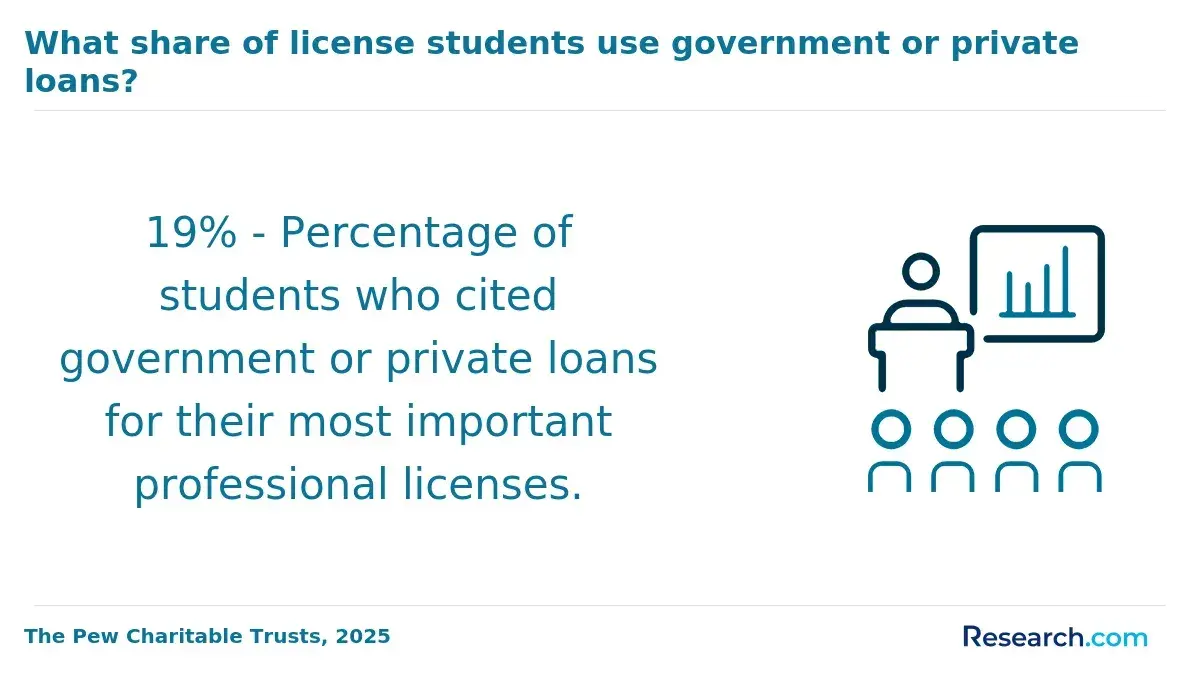
At least 19 CEPH-accredited U.S. schools now offer fully online mph degrees with environmental health concentrations, a significant increase from 2019. This reflects employer demand for professionals skilled in environmental science integrated with public health decision-making, especially in regulatory agencies and industrial hygiene.
Programs at institutions like the University of North Carolina at Chapel Hill and the University of Arizona deliver core training in toxicology, water quality, occupational health, and environmental policy. Yet, the online format often limits access to laboratory and fieldwork, which are essential for candidates pursuing roles requiring hands-on sampling or analysis. Students in this pathway must consider supplemental practical experience or certifications to bridge this gap.
Choosing among online accredited schools offering public health degrees with environmental health concentrations requires attention to curriculum rigor, practicum availability, and alumni employment trajectories in agencies such as the EPA. For example, students focused on industrial environmental compliance should prioritize occupational health modules and internship opportunities, while those interested in environmental epidemiology need programs with strong biostatistics and exposure assessment training.
This growth from 9 to 19 programs increases options but also variability in quality and focus. Evaluating accreditation status, faculty expertise, and industry connections remains critical for a meaningful return on investment. Working professionals also weigh affordability; those seeking related fields like a healthcare administration masters may consider alternative or complementary pathways to diversify skills in public health management.
What admissions requirements do online environmental health public health programs typically have?
Admission into online environmental health public health programs involves navigating a balance between academic prerequisites and demonstrated commitment to equity-focused practice. Candidates typically require a bachelor's degree with foundational coursework in biology, chemistry, statistics, and environmental sciences. However, entry is increasingly competitive for mid-career professionals, who must often show relevant work experience in environmental health or occupational safety to gain an edge. The optional or waived GRE reflects shifting admissions toward broader accessibility but does not reduce the importance of targeted application materials.
Essential components include official transcripts, two to three recommendation letters, and a statement of purpose that directly addresses career objectives tied to environmental justice and health equity. Programs are increasingly embedding these themes-by 2024, a majority of CEPH-accredited MPH programs incorporated dedicated training in these areas, a critical factor aligned with employer demand for practitioners skilled at addressing systemic disparities.
For working professionals or international applicants, additional challenges arise: synchronous sessions, capstone projects, and English proficiency tests require time management and resource investment. Those without significant experience may first seek certificate programs to improve employability and readiness before tackling competitive MPH entry requirements. Admissions committees emphasize prior engagement in environmental health contexts, necessitating portfolio preparation and upfront planning aligned with individual career trajectories.
Considering alternatives such as direct entry MSN programs may also inform candidates evaluating cross-disciplinary public health credentials or aiming for timely workforce entry. Aligning program selection with practical outcomes and employer expectations is key for prospective students plotting a strategic path in environmental health public health.
How long do online environmental health public health degrees take and what do they cost?
Completing an online environmental health public health master's degree requires careful consideration of time investment against career goals and financial realities. Full-time enrollment typically spans two years, but many professionals opt for part-time study extending to three years or more, accommodating work commitments at the expense of delayed labor market entry. Accelerated options exist but impose dense course loads unsuitable for those balancing full-time employment or family obligations.
Tuition costs vary significantly, usually ranging from $15,000 to $45,000, impacted by institution type and residency status. Public universities offer more affordable rates compared to private schools, yet additional fees (technology, resources, proctoring) add $1,000 to $2,000, plus expenses for textbooks and certification exams like the Registered Environmental Health Specialist credential. These certifications directly affect job prospects and earning potential.
The labor market for environmental health specialists has become more competitive, with a 19% increase in U.S. job openings from 2020 to 2023 and median salaries rising from $69,000 to $78,500. This reflects employer demand tightening around qualified candidates, especially for roles in government, industrial hygiene, and environmental consulting. Students must weigh program components such as practicum or internship offerings, which are essential for developing practical skills valued by employers.
Choosing between full-time and part-time enrollment entails tradeoffs: full-time Fast-tracking accelerates access to higher salaries but requires financial stability without full income, while part-time study prolongs costs and duration but maintains ongoing earnings. Additionally, in specialized segments like municipal inspections versus private-sector risk analysis, program reputation and networking can influence career advancement as much as tuition expense.
What core courses and specialization topics are covered in environmental health concentrations?
Environmental health concentrations in online public health degrees equip students with technical and regulatory expertise crucial for roles demanding both scientific rigor and policy navigation. Core coursework covers epidemiology, toxicology, environmental policy, biostatistics, and risk assessment, while specializations such as environmental justice and industrial hygiene sharpen skills in data analysis and intervention design tailored to specific populations or ecosystems.
Employers place a premium on graduates who combine quantitative proficiency with an understanding of complex regulatory frameworks. For example, urban planning professionals must integrate environmental regulations with exposure science to effectively reduce air pollution and comply with EPA standards, illustrating how academic training translates directly to workforce demands.
Practical experience remains a decisive factor. Many programs address this by including capstone projects or internships, which provide invaluable exposure to environmental monitoring tools and develop communication skills needed to convey findings to nontechnical audiences.
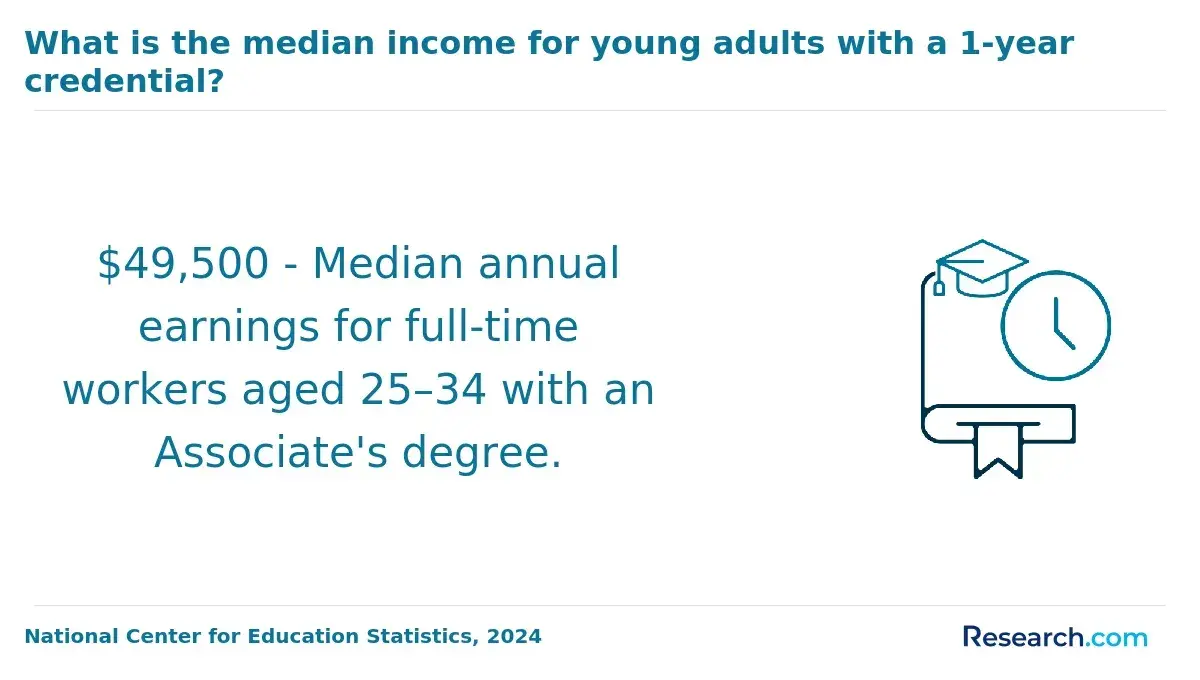
The economic advantage is measurable: the U.S. Bureau of Labor Statistics reports a median annual wage of $78,980 for environmental scientists and specialists, with the top 10% earning upwards of $138,870. This emphasizes that acquiring interdisciplinary knowledge and practical experience builds pathways to roles blending scientific analysis with public health interventions and regulatory compliance.
What careers can graduates of environmental health public health programs pursue?
Graduates with an MPH concentration in environmental health should expect roles requiring both technical expertise and regulatory fluency. For instance, an industrial hygienist in manufacturing must identify airborne hazards while ensuring OSHA compliance without hindering production efficiency. Such roles often exist within government bodies like the Environmental Protection Agency (EPA), state health departments, or private firms focused on environmental compliance and sustainability.
These positions demand a balance of hard science skills and communication abilities to translate complex risk assessments into actionable guidance for diverse stakeholders. Candidates pursuing these paths need certifications such as the Certified Industrial Hygienist (CIH) or Registered Environmental Health Specialist (REHS) to remain competitive and elevate compensation.
The financial outlook demonstrates a significant return on investment: average online MPH tuition around $24,000 contrasts with median early-career salaries near $72,000, establishing a roughly 3:1 tuition-to-earnings ratio per 2024 IPEDS and College Scorecard data. However, navigating evolving environmental regulations and emerging threats-such as chemical exposures or climate impacts-requires ongoing education and field experience.
Key employability factors include:
- Practical internships or fieldwork during the MPH program to build real-world skills
- Staying current with regulatory changes and environmental health trends
- Developing soft skills for stakeholder communication
- Obtaining industry-recognized certifications
What salary ranges and earning potential exist in environmental and public health roles?
Salary outcomes for environmental and public health professionals vary significantly based on sector and experience, with entry-level government roles typically starting around $55,000 to $70,000 and specialized positions in industrial hygiene or epidemiology reaching $85,000 to $120,000. Private sector jobs in environmental risk assessment or sustainability consulting tend to offer faster pay growth but demand advanced technical skills and certifications. This dynamic creates a clear tradeoff between sectors: slower advancement but steadier roles in government or nonprofits versus more volatile yet higher-paying private sector paths.
Online master's in public health (MPH) students in environmental fields often balance full-time employment while studying, which supports immediate earnings and mitigates tuition risk. A recent survey of CEPH-accredited programs found these students are 1.4 times more likely to maintain full-time jobs and report 18% higher rates of advancement during study compared to on-campus peers. However, working while studying can restrict opportunities for internships and hands-on placements that traditionally enhance practical experience.
Professionals aiming to pivot or advance should consider how their current roles align with public health objectives. Employers increasingly expect candidates to couple relevant graduate credentials with demonstrated workplace competency. Networking and job alignment during study significantly influence long-term salary trajectories, especially given how sector-specific demands dictate career mobility and earning potential.
- Government/nonprofit roles: steady but slower salary increase, maxing near $90,000
- Private sector: quicker growth but higher skill and certification requirements
- Online MPH students: better job retention and advancement during study but fewer internship options
What certifications, licenses, or professional credentials relate to environmental health practice?
Environmental health credentials carry distinct practical weight depending on career focus and employer expectations. The Registered Environmental Health Specialist/Registered Sanitarian (REHS/RS) credential is often a baseline for regulatory compliance roles in state and local agencies, emphasizing skills in environmental inspections such as water safety and hazardous waste management. In contrast, the Certified Industrial Hygienist (CIH) targets professionals primarily managing occupational exposures to airborne and chemical hazards, a profile more aligned with manufacturing and government sectors emphasizing industrial safety.
For those active in community-oriented or policy roles, the Certified in Public Health (CPH) credential prioritizes broader competencies including epidemiology and regulatory frameworks, which may enhance strategic impact beyond technical inspection work. However, combining credentials like CIH and REHS/RS becomes necessary for career paths involving both industrial hygiene and regulatory consulting, demanding sustained professional effort and financial investment.
State licensing generally requires a bachelor's degree in environmental health or a related field plus verified experience, delaying workforce entry by 1-3 years. Maintaining credentials demands ongoing continuing education, imposing additional burdens on practicing professionals balancing operational work and certification renewal.
Recent data from ASPPH reflects a rise in the representation of underrepresented racial and ethnic groups in environmental health MPH programs, suggesting shifting demographics that could influence workforce identity and community engagement. These trends are important for students assessing long-term employability and sector dynamics in public health.
How can students evaluate and choose a high-quality online environmental health program?
Accreditation and curriculum relevance decisively affect the workforce value of online environmental health programs. Programs accredited by the Council on Education for Public Health (CEPH) or equivalent bodies signal adherence to recognized academic and professional standards, a non-negotiable factor for employer acceptance. Curriculum that integrates climate change impacts, toxicology, and epidemiology addresses real-world environmental challenges-critical given projections that climate-sensitive diseases like malaria will increase disability-adjusted life years by 2.4 million annually by 2030, per the World Health Organization.
A practical example: environmental health specialists working in flood-prone coastal zones must master climate risk assessment and emergency response, skills best developed through specialized coursework and applied internships. Evaluating graduate employment rates within a year of program completion and sector-specific placement-government, nonprofits, or industry-provides tangible measures of return on educational investment.
Logistics also influence outcomes. Synchronous versus asynchronous formats must align with working professionals' schedules, while accessible career services and professional networking amplify postgraduation opportunities. Tuition should be weighed against regional salary averages in environmental health to avoid long-term financial burdens that negate career benefits. Faculty expertise and current research output remain vital indicators of program relevance to evolving environmental policies and threats.
Other Things You Should Know About Public Health
Balancing workload in 2027 for online public health degrees with environmental health concentrations can be challenging due to intense coursework, time management demands, and the need for self-discipline. Additionally, integrating practical experiences like virtual labs or fieldwork remotely can add complexity to students' schedules.
Employer perception is shifting but still varies by sector; government agencies and large health organizations increasingly accept accredited online degrees, especially if candidates demonstrate relevant work experience or certifications. However, some employers prefer in-person degrees for roles requiring hands-on field training or lab work. Candidates should evaluate whether their target employers value online education equivalently or require supplementary practical experience to compete effectively.
Most accredited programs require internships or practicums that provide critical field experience, which cannot be fully replaced by online coursework. These placements expose students to real-world environmental health challenges, allowing them to develop applied skills and professional networks. Prioritizing programs with established local partnerships for practicum sites ensures timely and relevant experience, which employers consider essential for hiring decisions.
Specializing in environmental health narrows your expertise, enhancing employability in niche roles such as toxicology or environmental policy, but may limit flexibility if you decide to shift career tracks within public health. A general public health degree offers broader knowledge that fits a wider range of positions but risks being too general in competitive job markets focused on specific skills. Candidates should align specialization choice with clear career goals and employer demand within their geographic or sector focus.
References
- Careers in Environmental Public Health - MPH Online https://www.mphonline.org/environmental-public-health-jobs/
- Developing a Successful State Environmental Health Program for Schools | US EPA https://www.epa.gov/schools/developing-successful-state-environmental-health-program-schools
- Today’s Guide to Public Health Certifications https://www.publichealthdegrees.org/resources/public-health-certifications/
- Best Online MPH Degree Programs for 2025 https://www.princetonreview.com/grad-school-rankings
- Public Health Certification Requirements | Public Health Certificate https://www.publichealthcareeredu.org/certification/
- New Certifications https://www.nrep.org/certifications
- Environmental Health Sciences https://www.sharjah.ac.ae/Academics/Degree/Undergraduate/Environmental-Health-Sciences
- Certification Guide for Young Professionals - Board for Global EHS Credentialing https://gobgc.org/professional-environmental-certifications-professionals/
- What can a NEHA Credential or Certification do for You? https://www.neha.org/products
- Environmental Health https://www.albany.edu/cihs/programs/mph-environmental-health