2027 Best Online Public Health Degrees for Government Agency Careers

Co-Founder and Chief Data Scientist
Government agencies seeking skilled public health professionals face a bottleneck as traditional degree programs rarely accommodate working adults balancing job demands and family obligations. According to the National Center for Education Statistics, over 40% of online public health enrollments since 2023 have come from adults aged 25 and older, signaling a pivot toward flexible, asynchronous learning that reduces career disruption.
This shift critically influences how professionals can time their education around evolving federal workforce needs, particularly as agencies prioritize candidates with both academic credentials and practical accessibility. This article identifies top online public health degrees suited for government careers, helping candidates navigate options that optimize flexibility without sacrificing employer expectations or credential value.
Key Things You Should Know
- Only 42% of online public health graduates in 2024 completed the most workforce-aligned CEPH-accredited programs within two years, forcing candidates weighing expedited credentialing against specialized skill acquisition to carefully prioritize.
- Government agency hiring increasingly favors candidates with advanced epidemiology or biostatistics certifications, with 63% of 2025 job postings requiring data analysis proficiency beyond an MPH baseline, accelerating specialization-driven career segmentation.
- Average total costs for online public health degrees rose 7.5% in 2024, surpassing inflation and prompting working professionals to reassess debt impact versus immediate salary uplift prospects linked to agency-specific credentials.
What is an online public health degree and how does it prepare you for government agency roles?
Online public health degree benefits for government careers are rooted in their alignment with the specific skill sets government agencies demand, such as epidemiology, regulatory compliance, and community health intervention planning. These programs emphasize applicable skills in data analysis and program management, directly preparing graduates for roles like health education specialists and policy advisors. A common hiring expectation is demonstrated capability in managing diverse public health initiatives, which includes designing outreach efforts based on behavior change theories. For example, a health education specialist in a county public health department uses training from their online coursework to develop vaccine uptake campaigns targeting local populations.
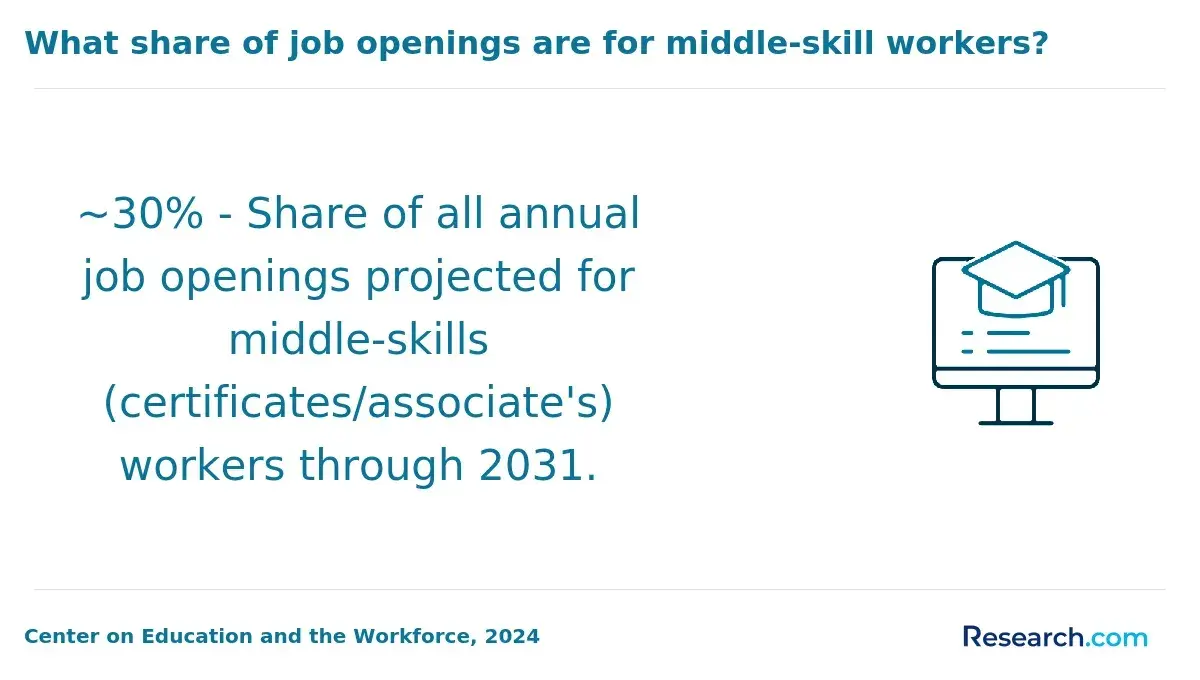
The asynchronous format suits working professionals but requires disciplined time management for handling intensive projects and virtual teamwork that mimic government workflows. The U.S. Bureau of Labor Statistics projects a 7% growth in employment for health education specialists and community health workers in government agencies from 2022 to 2032, signaling steady demand driven by policy development and health equity challenges.
Selecting an online program with practicum or fieldwork partnered with government entities can enhance real-world experience and hiring competitiveness. Those weighing an online degree should also consider exploring the best online environmental health and safety programs as alternate or complementary pathways within public sector health roles.
Which accredited online public health degrees are best for careers in federal and state health agencies?
Federal and state health agencies prioritize candidates with CEPH-accredited degrees tightly aligned to government competency frameworks, especially those integrating epidemiology, health policy, and emergency preparedness. Degrees that incorporate practicum or capstone experiences with actual public health departments provide measurable advantages by developing applied skills critical to navigating public-sector regulations and workflows. For example, a professional focused on chronic disease prevention trained in state health databases and federal grant writing is better prepared for agency expectations.
Staffing in public health agencies has declined by 15-20% nationally, intensifying workforce gaps that specialized online programs aim to address. Choosing among the top online public health programs for government health careers requires balancing broader MPH versatility against the depth gained from focused degrees in biostatistics or informatics-key areas as agencies increasingly rely on advanced analytics.
Hybrid delivery models that offer some on-site engagement with health agencies better simulate the government work culture compared to fully asynchronous courses, where reduced synchronous interaction may hinder team collaboration skills. Graduates demonstrating quantitative proficiency, government internships, and CEPH accreditation typically experience faster placement in agency roles, reflecting hiring criteria targeting practical experience and recognized credentials.
Prospective students considering a strategic career pivot should note that degrees emphasizing workforce shortages, data-driven decision-making, and federal grant processes align directly with agency needs. Those weighing health career pathways may also consult resources on healthcare administration degree programs to explore complementary skill sets in public health administration.
How do online public health programs compare to campus-based options for government-focused careers?
Choosing between online public health degrees versus campus programs for government jobs involves critical tradeoffs that impact employability and practical experience. While online programs often deliver the same academic rigor and accreditation of public health programs for government careers, they lack embedded access to internships and government partnerships readily available on campus. Federal and state agencies prioritize candidates with verified, applied competencies-often gained through direct fieldwork. Campus students typically benefit from seamless coordination of on-site research projects, local internships, and faculty-led government collaborations vital for roles demanding multi-agency coordination.
Online MPH students must actively secure qualifying government internships, requiring strong self-direction and reliance on program practicum flexibility. Employers in the government sector may view the absence of convenient, verified field experiences as a barrier, potentially delaying entry into federal or local agencies despite the degree equivalence. This practical hurdle can impact wages, as epidemiologists in public agencies earned a median of $78,520 in 2023, with top professionals surpassing $126,000, highlighting premiums on field-ready skills.
For those navigating career changes into public health roles-similar to shifts seen in professions such as speech pathologist-evaluating how programs accommodate workforce realities and government exposures is key. Practical career impact hinges more on experiential training pathways than solely academic delivery.
What public health courses and concentrations most align with government agency job requirements?
Government agencies prioritize public health graduates with specialized competencies in epidemiology, biostatistics, environmental health, health policy and management, and social and behavioral sciences. For example, epidemiology concentrations directly prepare students to monitor disease outbreaks and support surveillance operations critical in federal emergency responses and local health districts. These roles demand professionals who can interpret data trends and implement targeted interventions quickly.
With the amplification of large-scale health data systems across federal and state levels, coursework in health informatics and data analytics increasingly determines candidate competitiveness. Environmental health studies targeting regulatory compliance and occupational safety enhance job readiness for agencies focused on toxicological risk and pollution control. Program evaluation and policy development skill sets reflect the actual criteria found in hiring at the Department of Health and Human Services and related organizations.
Cost efficiency remains a practical consideration; online public health courses for government careers generally present a lower financial barrier compared to on-campus options, with average net prices reported at $9,293 versus $18,208 according to NCES data from 2019-2020. This price difference allows mid-career professionals to upskill without significant income disruption.
Choosing programs that incorporate government-centered practicum placements or capstone projects aligns educational outcomes with employer expectations in interagency coordination and applied skills. Prospective students may also consider related pathways such as MSN programs online for complementary public health expertise.
What admission requirements and prior experience do online public health programs typically expect?
Admission to online public health graduate programs typically demands a bachelor's degree, with a preference for backgrounds in health sciences, biology, or social sciences to ensure relevant foundational knowledge. Academic standards often include a minimum GPA near 3.0, but competitive programs emphasize professional experience-usually one to three years in healthcare, government, or nonprofit settings-reflecting employer preferences for candidates ready to assume roles in policy, management, or epidemiology without extended onboarding.
Applicants without prior public health exposure should prioritize programs offering prerequisite courses or bridging modules to mitigate knowledge gaps in epidemiology, biostatistics, or health systems; this reduces early academic setbacks and supports degree completion. Although GRE requirements are increasingly flexible, weaker academic records or non-traditional applicants may still face testing mandates. Personal statements and recommendations remain critical evaluative components, spotlighting motivation, leadership aptitudes, and alignment with government or community health objectives.
Consider a local government professional targeting health services management. According to PublicHealthOnline, this role's median salary was $104,830 in 2023, with a projected 28% employment surge by 2032. Selecting a program that balances academic rigor, flexibility, and experience prerequisites is essential to ensure eligibility for advanced roles and maximize return on investment within public agency career trajectories.
How long do online public health degrees take, and what do they cost for future government professionals?
Choosing an online public health degree for a government agency career requires balancing time investment with career timing and financial risk. Bachelor's degrees demand about four years full-time but can be accelerated to three with transfer credits or intensive formats. MPH programs, standard for many government roles, typically span 18 to 24 months full-time, though part-time options extend to three or four years, preserving income but delaying advancement and salary gains.
Financially, online tuition ranges widely: bachelor's programs average $15,000 to $40,000, while MPH programs can cost $20,000 to $60,000. Costs exceeding $50,000 often correlate with research-focused institutions, which may provide competitive advantages for federal public health positions but carry higher financial risks. Prospective students must weigh these costs alongside employer tuition aid and realistic salary uplifts.
In practice, program selection should prioritize verified practicum placements and government partnerships to meet strict public service hiring criteria. For example, a shortened MPH with epidemiology coursework fits disease control agency roles, whereas broader curricula serve community health administration better. Employing part-time enrollment keeps steady income but slows the path to senior roles, highlighting a critical tradeoff for government employees.
What public health career paths in government agencies can you pursue with an online degree?
Online public health degrees intended for government work must be evaluated beyond tuition costs, focusing on alignment with federal hiring standards and applied experience. For example, an epidemiologist role within the CDC demands both technical data analysis skills and practical familiarity with disease surveillance systems-capabilities that not all online MPH programs adequately develop.
Critical roles span epidemiology, health policy analysis, environmental health compliance, education, and biostatistics, often situated in agencies like the EPA, NIH, or state health departments. Graduates aiming for these positions require more than theoretical knowledge; employer expectations include demonstrable experience with data-driven decision-making, regulatory frameworks, and interagency coordination.
Cost considerations are substantial. Programs offering full graduate training for under $25,000, such as one identified by BestColleges at $22,376 for 2026, provide financial accessibility but should be vetted for accreditation and recognition by government employers. A lower price point alone does not guarantee competitive qualification. Ultimately, prospective students must navigate tradeoffs and prioritize programs that combine rigorous curriculum with relevant, practice-based training to substantively prepare for the realities of public health work within government agencies.
What salary ranges and promotion opportunities exist for public health roles in government agencies?
Median starting salaries for entry-level public health roles in government range roughly from $50,400 for community health workers to $63,700 for health educators, according to data from Eastern Washington University's 2024 MPH career report. These figures reflect typical entry points for online degree holders entering local, state, or federal agencies, where pay scales and advancement potential vary sharply.
Advancement in government public health often hinges on demonstrated skills in grant management, epidemiological methods, and policy formulation rather than tenure alone. For instance, a health educator who acquires specialized capabilities such as data analytics or community intervention design might move to program management roles within five to seven years, typically earning 30% or more above their initial salaries.
However, practical realities temper this progression. Local health departments frequently impose salary caps and slower promotion tracks compared to federal agencies like the CDC or NIH, where formalized pay systems and clearer career ladders exist. Professionals must navigate civil service regulations, manage competing workload and training demands, and plan for continuing certifications to access higher pay brackets effectively.
Choosing a government public health path demands weighing location-based earning potential, cost of living, and time investment for credentialing. These factors directly influence the long-term return on educational investment and career trajectory, underscoring the importance of strategic planning aligned with workforce dynamics.
Are certifications or licenses needed for public health jobs in government, and how do online degrees qualify you?
Government public health positions demand more than accredited online degrees; certifications or licenses are often mandatory depending on the role. For instance, epidemiologists and biostatisticians typically require advanced degrees complemented by credentials like the Certified in Public Health (CPH) or epidemiology-specific certifications. Informatics specialists similarly need certifications related to information systems or data security beyond their academic qualifications.
Online degrees from regionally accredited institutions aligned with CEPH standards provide essential theoretical knowledge but rarely fulfill credentialing mandates for government agencies. A biostatistician aiming for a role at the CDC must supplement an MPH or MSPH with relevant statistical programming experience and recognized certifications to meet hiring standards. Neglecting certification pathways can result in underemployment despite strong academic records.
Demand for specialized public health roles such as biostatisticians and informatics experts has surged by over 30% nationally, driven by heightened reliance on health data analytics and surveillance systems. This growth intensifies competition, prompting agencies to prioritize verifiable expertise beyond degrees.
Applicants should carefully review job announcements to identify required licenses or credentials. Strategically pairing online degrees with targeted certification exams or internships reduces onboarding delays and improves employment prospects within federal and state public health sectors.
How can you evaluate and choose a reputable online public health program for a government agency career?
Selecting an online public health program tailored for government agency roles demands scrutiny beyond basic accreditation. Federal employers require regional accreditation coupled with specialized credentials like CEPH, ensuring curriculum alignment with applied epidemiology, biostatistics, policy analysis, and emergency preparedness. Programs lacking practical components-such as virtual simulations or partnerships for fieldwork-offer limited real-world readiness, a significant gap given the operational nature of public health government positions.
Job market trajectories confirm strong demand: tens of thousands of public health roles will open by 2032, often outpacing average occupational growth. However, the shape of a program's format influences outcomes; accelerated courses can truncate the depth of skill acquisition essential for high-responsibility posts, while excessively flexible pacing may reduce consistent engagement and mastery of nuanced competencies.
Look for faculty with demonstrable experience in government public health practice and research, reflecting current policy realities. Graduates' employment rates within 12 months in relevant government roles provide a tangible metric of program effectiveness, with cost evaluations best weighed against these outcomes rather than sticker price alone. Avoid programs with outdated coursework that could hinder career trajectory in a competitive hiring landscape.
Other Things You Should Know About Public Health
Government agencies increasingly accept online public health degrees from accredited institutions, but the reputation of the university and program rigor remain critical. Degrees earned fully online at well-established, accredited universities tend to hold similar weight, but candidates should verify that their program includes substantial applied learning or practicum components. Employers prioritize evidence of relevant skills and experience over delivery format, so students missing hands-on opportunities might face challenges competing for certain roles.
Online public health programs often require the same academic rigor and workload as traditional programs, but they demand stronger time management and self-discipline due to their asynchronous format. Students need to balance remote coursework, projects, and potentially in-person practicums with personal and work obligations. Prospective students should prioritize programs that provide clear structure, deadlines, and access to faculty support to avoid falling behind and to meet the expectations of government employers looking for reliable multitaskers.
Yes, programs with established government agency partnerships or structured fieldwork options give candidates a significant advantage for government careers. These connections facilitate access to internships, networking, and practical experience valued by hiring managers. If the goal is to pivot or advance into government roles, applicants should prioritize programs that integrate applied projects or placements directly related to federal, state, or local public health environments.
References
- What to Expect from an MPH Program | University of Bridgeport https://www.bridgeport.edu/news/mph-program-expectations/
- Master of Public Health https://online.une.edu/public-health/master/
- Pre-Professional Health Experience Guide | PublicHealthOnline.org https://www.publichealthonline.org/pre-professional-experience/
- CPH Eligibility Requirements - NBPHE https://www.nbphe.org/certified-in-public-health/cph-eligibility-requirements/
- 15 Best Online Bachelor's in Public Health - Healthcare Administration Degree Programs https://www.healthcare-administration-degree.net/best/online-bachelors-in-public-health/
- MPH https://www.publichealthdegrees.org/program/masters/mph/
- Explore Online MPH Degree Programs to Find the Best for You https://teach.com/online-ed/healthcare-degrees/online-masters-public-health/
- Public Health Career Explorer https://www.publichealthcareers.org/assessment/intro/
- Bachelor of Public Health Online | BPH Degree Online | Norwich University https://health.norwich.edu/public-health/bph
- Master of Public Health Online https://www.unthealth.edu/tcom/public-health/master-of-public-health-online.html