2027 First Public Health Roles for Career Changers Entering Mission-Driven Work

Co-Founder and Chief Data Scientist
Midcareer professionals seeking entry into mission-driven public health roles often confront a bottleneck where valuable experience clashes with rigid academic prerequisites. With 45% growth in enrollment for online public health programs reported by the National Center for Education Statistics since 2022, flexibility in admissions and program delivery is shifting, yet uneven across institutions. This uneven access complicates timing decisions, as delayed credential completion can stall transitions into high-demand roles. Employers increasingly prioritize both practical experience and accredited credentials, sharpening the challenge of aligning education pathways with workforce expectations.
This article examines viable first public health roles and educational strategies tailored for career changers navigating these barriers to workforce entry.
Key Things You Should Know
- Career changers face a median 18-month credentialing delay judging by 2024 Council on Education for Public Health data, complicating entry while altering midcareer income trajectories significantly downward.
- Employers in mission-driven public health prioritize cross-sector experience over formal degrees-62% of agencies surveyed by the Association of State and Territorial Health Officials in 2024 emphasize applied skills, reducing credential inflation but increasing reliance on demonstrable impact.
- Certificate versus MPH tradeoffs intensify due to 35% higher starting salaries for MPH holders per 2024 Bureau of Labor Statistics data, forcing pivotal decisions on upfront cost, time investment, and eventual employability in public health roles.
What are the best entry-level public health roles for career changers seeking mission-driven work?
Entry-level public health jobs for career changers must balance immediate accessibility with realistic workforce demands. Roles like community health worker, health educator, and epidemiology technician offer minimal experience entry points, but each demands distinct skill sets tied closely to practical outcomes and organizational needs. For example, community health workers engage directly with diverse populations, addressing social determinants of health through face-to-face outreach and clinic work-a model suited to those seeking tangible mission-driven impact. Health educators leverage communication or teaching experience to deliver preventive health programs but often require certifications such as Certified Health Education Specialist (CHES).
Healthcare occupations are projected by the U.S. Bureau of Labor Statistics to add about 1.9 million openings annually from 2024 to 2034, indicating robust opportunities but also increasing competition. Candidates must often invest six to twelve months in certification or technical training, such as data analysis software proficiency, especially for epidemiology technician paths focused on disease control and data management. Aligning education choices with state-level labor market realities and specific employer expectations improves the success of mission-driven career pivots.
Best public health roles for mission-driven career changers reflect practical tradeoffs. Former educators may find smoother transitions as health educators, while those with analytical backgrounds typically benefit more from epidemiology technician roles. Candidates should weigh local demand, salary potential, and advancement pathways against certification costs and timelines. For those considering further specialization, exploring online clinical mental health counseling programs offers an additional avenue for career growth within public health's broader ecosystem.
What education or training do you need to move into public health from another field?
Transitioning into public health from unrelated fields demands strategic choices tuned to realistic career entry points and employer expectations. Non-health professionals targeting entry-level positions benefit most from certifications or associate training in community health or health education, as these credentials align with practical skills employers seek-especially in communication, data collection, and foundational public health concepts related to social determinants of health. The projected 17% growth for health education specialists and community health workers through 2034 reinforces the value of accessible training programs to achieve these roles.
Prospective career changers evaluating education requirements for public health career changers should weigh the tradeoffs between rapid certifications and degree programs. Certificates can be completed within a year, offering quicker workforce entry but limited upward mobility. In contrast, bachelor's degrees in public health or related fields, combined with internships or practicums, develop vital competencies in program planning and evaluation necessary for roles like health education specialists. Those with backgrounds such as data analysis must supplement their expertise with public health fundamentals, including epidemiology and health behavior theories, to meet skill expectations in data-driven community interventions.
Considering training programs to transition into public health roles involves balancing time, cost, and career objectives. Master's degrees remain essential for leadership or research pathways, but online masters healthcare management programs may offer targeted curricula and verified experiential learning. Strategic choices grounded in specific role aspirations and labor market realities better prepare candidates for sustainable public health careers.
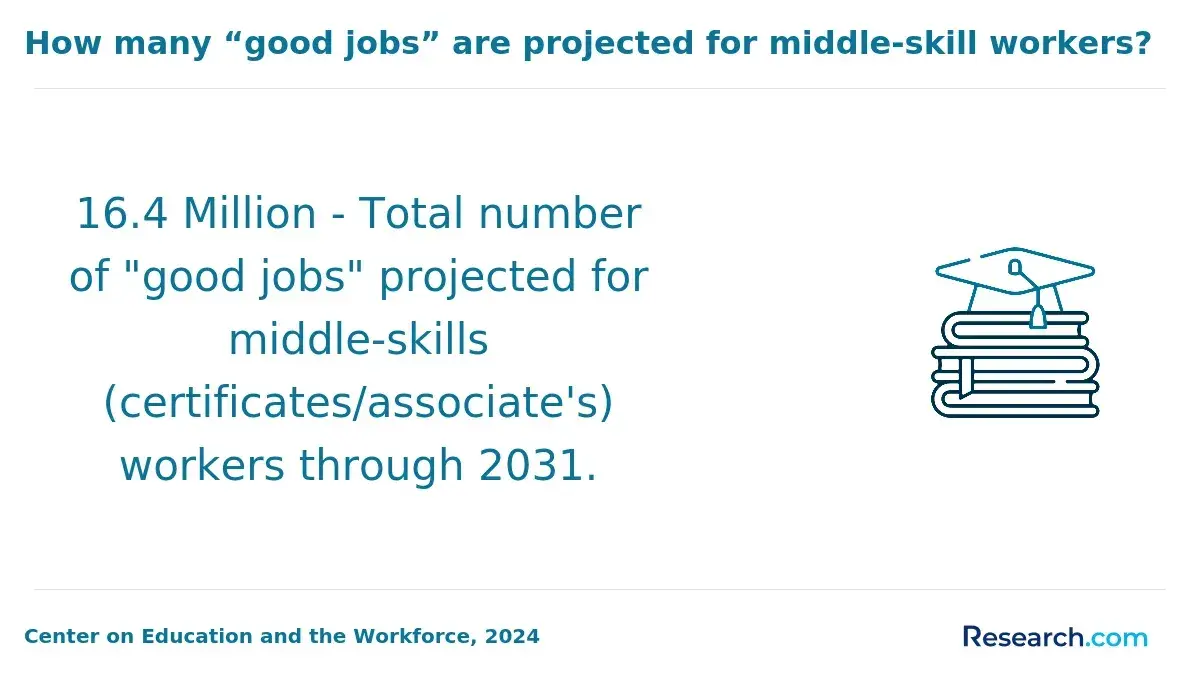
How can a public health degree or certificate support a career change into this field?
Public health credentials are often essential for career changers seeking mission-driven government or policy roles, as employers prioritize foundational expertise in epidemiology, policy, and program management. This is especially true given the 2025 federal reconciliation bill's allocation of $50 billion over five years to the Rural Health Transformation Program, driving demand for professionals equipped to navigate regulatory complexities and infrastructure upgrades. Leveraging a public health certificate for mission-driven job changes allows candidates to demonstrate competencies that work experience alone rarely provides.
Practical advantages include:
- Proficiency with data analysis tools critical for assessing rural health needs, a priority in agency resource distribution.
- Familiarity with federal and state policy frameworks necessary for program design, evaluation, and compliance.
- Hands-on understanding of health disparities, enabling engagement with underserved populations.
Timing and credentialing tradeoffs are significant. Without formal training, transitioning professionals-such as those moving from a business background into health policy-may face stalled advancement due to certification gaps and unfamiliarity with healthcare regulation. Certificates also provide vital networking opportunities within public agencies, improving job placement odds. Yet, pursuing specialized degrees involves time and financial investment that could delay employment. Prospective students must weigh these costs carefully against their readiness and goals.
Those interested in a field adjacent to public health might compare this pathway with others, such as a speech pathologist transition, which illustrates the nuances of credentialing in mission-focused career pivots.
How a public health degree supports career transitions depends largely on balancing these pragmatic considerations with immediate employability demands.
Which public health jobs offer the most impact without requiring a clinical background?
Health education specialist roles provide direct impact in public health without requiring clinical experience, making them a top nonclinical public health career for mission-driven professionals. These positions emphasize designing, implementing, and evaluating community programs that address social determinants such as nutrition and health literacy. The U.S. Bureau of Labor Statistics projects a 7% employment growth in these roles from 2023 to 2033, equating to approximately 6,700 openings annually, especially within nonprofit and community-based organizations. This demand reflects the increasing need for professionals who can translate complex health data into actionable outreach strategies.
Typically, these jobs require a bachelor's degree in public health, health education, or a related field but do not mandate medical certifications. Employers seek candidates with demonstrated capabilities in data-driven program evaluation, grant writing, and stakeholder engagement. For example, someone moving from corporate training to community health could lead behavioral change initiatives such as smoking cessation or diabetes prevention programs that rely more on communication and outreach frameworks than clinical knowledge.
Additional nonclinical roles include public health program coordinators and policy analysts who use research and advocacy to impact community health outcomes. These jobs often require proficiency in data analysis and policy interpretation, highlighting the importance of quantitative literacy over clinical skills.
Entry-level salaries for public health jobs with high impact and no clinical experience required generally range from $45,000 to $60,000. While nonprofit settings may offer slower salary growth compared to private health consulting, they provide mission-driven work. Prospective candidates should also prepare for ongoing skill development in health communication technologies and culturally competent outreach approaches.
Professionals considering educational pathways may also explore related programs such as LVN to BSN programs for alternative routes into healthcare fields.
What salary ranges and growth outlook can career changers expect in public health roles?
Salary expectations for career changers entering public health vary widely, from around $55,000 to $115,000 annually, shaped by specialization, experience, and employer type. Roles focused on data science-offering median pay near $112,590-are growing rapidly, with a projected employment increase of 34% through 2034 according to the U.S. Bureau of Labor Statistics. This growth signals strong demand for quantitative and analytical skills within public health sectors.
Higher-paying positions often require advanced degrees or technical expertise in epidemiology, biostatistics, or health informatics. In contrast, entry-level community health or administrative roles tend to pay between $55,000 and $70,000, influenced by location and organizational sector. Government agencies usually offer higher salaries than nonprofits or smaller providers.
The pathway to data-centric roles demands investment in programming languages like Python or R, statistical software proficiency, and domain knowledge. For example, a mid-career marketer transitioning to epidemiology might spend 18-24 months obtaining a master's and certifications, during which lower-tier roles provide income but not the earning potential of analytics positions.
Prospective students should weigh the time and cost of credentialing against long-term employment stability and resistance to automation risks within data-heavy public health jobs.
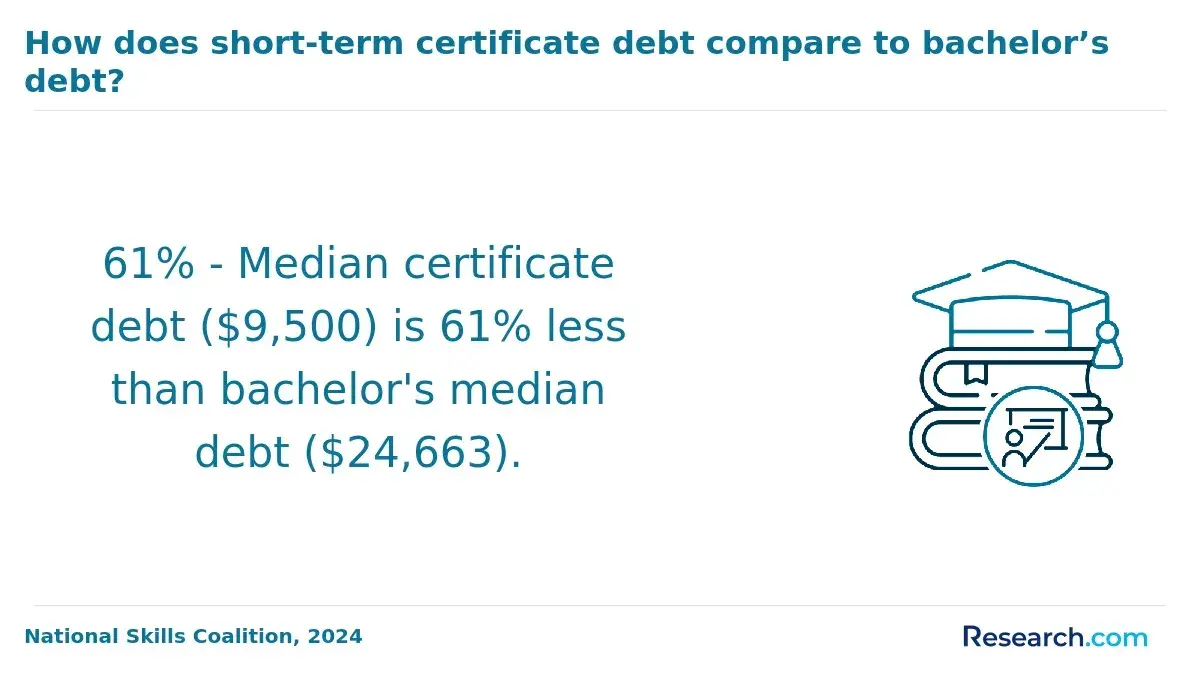
How do online public health programs compare with campus-based options for new entrants?
Choosing between online and campus-based public health programs has tangible implications for skill acquisition and job readiness, especially in fast-growing fields like epidemiology, forecasted to expand 27% by 2032 per EnvironmentalScience.org and the U.S. Bureau of Labor Statistics. Campus programs offer critical advantages in hands-on training and local networking, aspects that employers consistently prioritize for roles demanding direct application of surveillance and environmental risk assessment skills.
Online formats provide unmatched flexibility for working professionals or those balancing family commitments but often require significant self-direction to secure quality internships or practicums. Geographic isolation from partner institutions commonly limits direct field experience, potentially placing graduates at a disadvantage in demonstrating applied competencies.
The practical dynamics can be summarized:
- Online students must proactively identify and arrange experiential opportunities to meet employer expectations in mission-driven roles.
- Campus students typically access integrated field placements that accelerate skill development and employer engagement, enhancing immediate employability.
- For career changers pursuing epidemiology or related disciplines with rapid job growth, the embedded supervised fieldwork available on campus often proves a decisive factor.
Prospective students should critically evaluate their capacity to independently create practical learning experiences online versus leveraging the structural supports inherent to campus-based programs, as this choice materially affects workforce entry and long-term professional integration within environmental and occupational public health sectors.
How long do public health certificates, bachelor's, and master's programs typically take to complete?
The time invested in public health education directly influences career mobility and earning potential, with distinct tradeoffs between certificates, bachelor's, and master's degrees. Certificates, requiring 6 to 12 months full-time, offer rapid entry into entry-level roles such as community health work or health education by focusing on core skills like epidemiology and outreach. This route suits professionals needing quick transition but limits access to supervisory positions.
Bachelor's degrees typically demand 3 to 4 years, incorporating internships that enhance practical skills and eligibility for specialist and mid-level management roles. The extended time and cost are balanced by broader job scope and wage growth opportunities.
Master's degrees, spanning 1.5 to 2 years full-time with flexible part-time options extending beyond 3 years, target advanced policy, management, and research careers. Their analytical rigor and leadership focus meet employer expectations for mid- and senior-level roles but represent a substantial time and financial commitment.
Consider a working professional aiming to shift into health communication: starting with a certificate may enable entry aligned with median salaries of $46,590-$57,920 for community health workers (2022 BLS data, EnvironmentalScience.org 2026 report). However, advancement to coordinator or manager roles generally requires a bachelor's or master's degree. Program format, employer tuition support, and realistic salary trajectories must be factored to optimize outcomes.
What should career changers look for in accredited public health programs and schools?
Selecting an accredited public health program with concrete alignment to workforce needs is non-negotiable for career changers targeting medical and health services management roles, poised to grow 23% from 2024 to 2034. Programs must go beyond theory by integrating specialized training in health informatics, data management, and leadership, with practical exposure to electronic health records and healthcare project management tools that directly influence job prospects and a median wage of $117,960.
Consider this scenario: a software developer transitioning into health services leadership faces significant hurdles without verified coursework that includes healthcare regulations and real-world informatics systems. Programs partnered with healthcare providers or digital health firms offering internships or practicums significantly improve readiness.
Key evaluation factors include accreditation from nationally recognized bodies like CEPH and transparent graduate employment data-absence of which can obscure actual career outcomes. Delivery format also matters; fully online or hybrid models often lack equivalent employer recognition unless supplemented with substantial experiential learning.
Are there licenses or certifications needed for common first jobs in public health?
Licenses and certifications remain decisive filters for entry-level roles in public health fields focused on direct service, particularly in areas like behavioral health and emergency response. For instance, substance abuse and mental health counselors require state licensure-such as Licensed Clinical Social Worker (LCSW) or Certified Alcohol and Drug Counselor (CADC)-which demands graduate education, supervised clinical hours, and specialized exams. These credentials obligate a multi-year time and financial investment, delaying workforce entry but opening doors to stable, higher-paying roles involving patient contact.
Conversely, epidemiology and data analysis positions often do not require formal licenses but expect competency certifications in tools like SAS, R, or credentials like Certified Public Health (CPH). Candidates lacking these face extended job searches or start with unpaid internships, highlighting that even non-licensure pathways come with tangible employability thresholds.
Decision-makers weighing career pivots must balance the projected 17% growth in counseling roles against the burdens of licensing, which vary by state and complicate relocation. Strategic credentialing directly correlates to reduced employment friction and access to advancement within mission-driven public health sectors.
Key practical considerations include:
- Licensure offers long-term role autonomy and income potential but requires continuous education and legal compliance.
- Certificate programs enable faster entry but typically yield lower pay and limited responsibilities.
- State-specific licensing reciprocity and regulatory variability demand careful planning for mobility.
The nexus between credential attainment and workforce stability underscores the importance of aligning educational choices with realistic labor market conditions rather than purely aspirational goals.
How can professionals leverage prior work experience when transitioning into public health careers?
Transitioning professionals must strategically align their existing skillset with public health roles that complement their background to avoid unnecessary credentialing and accelerate employability. For instance, a finance expert with quantitative skills is best suited for epidemiology or health economics, where advanced analytics directly impact disease surveillance and funding allocation.
Credentialing should prioritize targeted certifications or graduate courses over broad degree programs to reflect prior expertise effectively. Employers seek candidates who combine technical proficiency with foundational public health knowledge, as evidenced by median wages-$83,090 annually for healthcare practitioner and technical roles versus $49,500 across all occupations, according to the U.S. Bureau of Labor Statistics Occupational Outlook Handbook. This wage differential underscores the value of specialized skills within public health labor markets.
Professionals from fields like IT, education, or social services must supplement their transferable skills with practical exposure to regulatory frameworks and population health metrics through internships or agency collaborations. This approach mitigates career disruption while enhancing domain relevance.
Key challenges include inconsistent credential recognition and opportunity costs related to education; therefore, selecting programs offering applied learning and immediate workforce integration is essential. For example, an education professional leveraging curriculum design expertise can pivot into health education roles by adding core epidemiology concepts. This calibrated approach shortens time-to-employment and aligns career pivots with market demand and compensatory potential.
Other Things You Should Know About Public Health
In 2027, career changers should consider earning a public health certificate to quickly gain essential knowledge, while simultaneously seeking part-time roles or volunteering in the field to build practical experience. Balancing both can help establish credibility and adapt to the sector's unique demands.
Entry-level public health jobs often involve high workloads with tight deadlines, especially in community outreach or epidemiology roles during crises like outbreaks. Career changers should prepare for a mix of data analysis, communication, and coordination tasks that require multitasking and adaptability. Prioritizing roles with structured onboarding or mentorship can ease the transition and improve long-term retention.
Nonprofit organizations and local health departments are more flexible in hiring career changers, valuing transferable skills over direct experience. Conversely, federal agencies and large healthcare systems typically require relevant internships or practicum experience for entry-level roles. Targeting smaller, mission-driven workplaces can increase initial job acquisition and provide foundational experience for future advancement.
Community health worker, program coordinator, and public health assistant roles often accept career changers with transferable skills and a bachelor’s degree. Employers commonly look for experience in outreach, data entry, customer service, or case management, plus comfort with HIPAA, Excel, and basic reporting tasks.
References
- Public Health Degrees & Careers | How To Work In Public Health https://www.learnhowtobecome.org/medical-health-careers/public-health/
- Public Health Degrees https://www.publichealth.org/public-health-degrees/
- Health Policy and Public Health Career Paths https://pathologylabtraining.co.uk/biomedical-sciences/health-policy
- Online vs Hybrid vs Campus Learning in Healthcare: Which Is Right for You? https://www.edumed.org/articles/online-vs-hybrid-vs-campus/
- What careers are there in public health? https://www.rsph.org.uk/qualifications-training/career-development/what-careers-are-there-in-public-health/
- New Directions: Career Transition Advice for Public Health Professionals https://debeaumont.org/news/2025/new-directions-career-transition-advice-for-public-health-professionals/
- Best Online MPH Degree Programs for 2025 https://www.princetonreview.com/grad-school-rankings
- Today’s Guide to Public Health Certifications https://www.publichealthdegrees.org/resources/public-health-certifications/
- Public Health Needs People With Diverse Skills and Backgrounds—Here Are 9 Careers to Consider https://careercenter.emmanuel.edu/blog/2025/10/23/public-health-needs-people-with-diverse-skills-and-backgrounds-here-are-9-careers-to-consider/
- How to Get Your First Public Health Job - PHERN https://phern.communitycommons.org/early-career-professional-learning-series/how-to-get-your-first-public-health-job/