2027 Best Online Bachelor's in Public Health for Community-Focused Career Paths

Co-Founder and Chief Data Scientist
Facing a sudden funding cut, a community health coordinator must redesign local outreach programs without delaying critical services. For professionals balancing such high-stakes constraints with career growth, the path to an online bachelor's in public health poses practical challenges: program flexibility, workforce-aligned curriculum, and credible outcomes. Recent IPEDS data reveal a 22% rise in adult learners choosing online bachelor's degrees post-pandemic, underscoring the urgency for accessible, career-relevant public health education that fits non-traditional schedules.
This article evaluates top online bachelor's programs designed to equip community-focused practitioners with practical skills, enabling informed choices amid evolving workforce demands and educational tradeoffs.
Key Things You Should Know
- Graduates with online bachelor's degrees in public health face a tradeoff between accredited community-focused curricula and limited fieldwork options; data from the Council on Education for Public Health shows practical experience directly influences employer hiring decisions.
- Employers increasingly prioritize candidates with demonstrated data analytics skills within community health contexts, with the Bureau of Labor Statistics projecting a 17% growth in epidemiologist roles by 2028, underscoring upskilling needs beyond basic degrees.
- Average annual tuition for fully online public health programs rose 8% in 2024 per NCES, pressuring students to weigh accelerated completion timelines against potential debt burdens amid evolving workforce demands.
What is an online bachelor's in public health and who is it best suited for?
Choosing an online bachelor's in public health often hinges on balancing flexibility with concrete career outcomes amid sector-specific hiring practices. The best online bachelor's in public health programs for community careers provide foundational knowledge in epidemiology, biostatistics, and health communication while accommodating professionals juggling employment or family commitments. This flexibility, however, comes with tradeoffs, such as fewer in-person networking chances and limitations in qualifying directly for clinical roles that demand advanced degrees or certifications.
Graduates typically find opportunities as health education specialists or community health workers, roles projected by the U.S. Bureau of Labor Statistics to grow 7% from 2022 to 2032, adding around 15,200 jobs. Such growth reflects sustained demand for professionals equipped with analytical and community engagement skills. For instance, a social worker could pivot into coordinating outreach programs targeting chronic disease prevention, leveraging knowledge from this degree.
Successful navigation of these programs requires evaluating whether entry-level or mid-level public health roles align with one's goals and actively supplementing online studies with field practicums to gain supervised real-world experience.
For those examining financial aspects or career trajectories involving health administration, considerations like the bachelor of science in health information management salary can provide valuable comparative context.
Overall, pursuing an online bachelor's in public health degree benefits candidates committed to community-focused initiatives who can manage program constraints while capitalizing on evidence-based content and flexible study structures.
How does an online public health bachelor's prepare you for community-focused careers?
Online public health bachelor's degrees primarily equip graduates with analytical and program management skills tailored to community health settings. These programs emphasize data-driven decision-making essential for professionals tasked with designing and evaluating targeted interventions such as infectious disease control or chronic illness reduction in marginalized urban populations. For example, health workers in city departments rely on biostatistics and environmental health coursework to identify and address specific local risks through customized prevention efforts.
Employers prioritize candidates proficient in interpreting large datasets and applying social determinants of health frameworks within community environments. However, limited direct fieldwork in many online tracks requires students seeking community-focused roles to actively pursue internships or partnerships to gain practical experience. Such hands-on exposure often determines employability in real-world roles ranging from health education to policy analysis.
Skills gained from an online public health bachelor's for community-focused roles include strategic communication applied alongside theoretical knowledge via virtual case studies and simulations. Graduates from programs like Oregon State University's online B.S. in Public Health demonstrate strong job market alignment, with median earnings of $60,183 four years after graduation, reflecting robust demand in governmental and nonprofit sectors.
Prospective students should weigh curriculum relevance and accreditation carefully, especially when evaluating pathways such as an online health administration degree for complementary career options that broaden practical and managerial competencies.
What are the key accreditation standards for reputable online public health degrees?
Employers and graduate programs increasingly demand that online public health degree accreditation standards include specialized recognition such as that from the Council on Education for Public Health (CEPH). Programs lacking CEPH accreditation face practical limitations, including reduced employer acceptance and challenges in credit transfer or certification eligibility. For instance, a candidate aiming to work in epidemiology at the CDC must graduate from a CEPH-accredited program; otherwise, their qualification may not meet essential entry requirements.
Regional accreditation for respected public health programs remains a baseline requirement, ensuring institutional credibility and access to federal financial aid which can influence a student's decision based on financial viability and academic stability. Prospective students should scrutinize how curricula incorporate skills like biostatistics and health policy, which are prioritized in community health hiring. Programs offering applied research or virtual internships typically yield higher employment outcomes.
Transferability of online credits is critical-failure to verify this can cause setbacks if changing institutions or pursuing advanced specialization in fields like environmental health science. Graduates must also account for ongoing Continuing Education Unit requirements imposed by many employers, making initial accreditation foundational for sustainable career paths.
Among noteworthy outcomes, OnlineU reports Simmons University's online bachelor's in public health graduates earn median wages placing them in the top 5% nationally. Students also weighing their broader educational investments might consider options such as online MBA programs healthcare management for complementary skill sets.
How do online public health bachelor's programs compare to campus-based options?
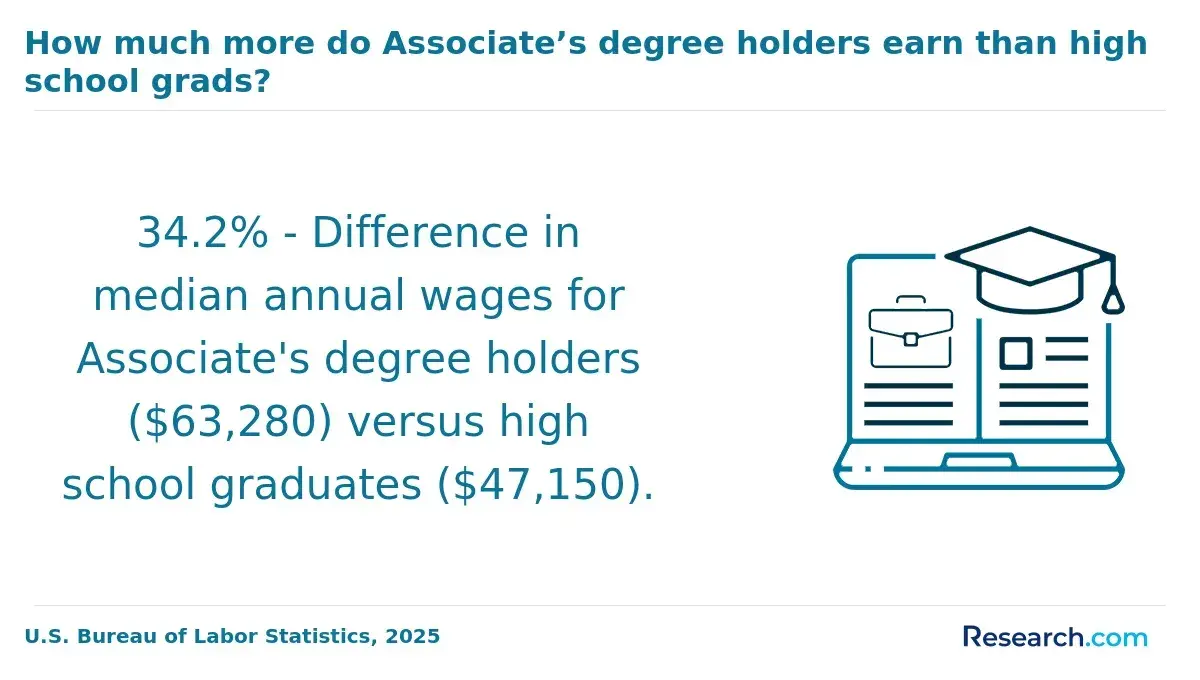
Online public health bachelor's degrees and campus programs deliver equivalent core curricula, but their differing structures influence employability and practical readiness. The typical wage for public health roles was $64,100 in 2023, notably higher than the general occupational median of $46,310, demonstrating the value of applied knowledge in this sector. However, online students often face challenges acquiring community engagement experience employers expect, particularly in government or local health settings where hands-on practicums remain a critical hiring factor.
Balancing the benefits of online versus traditional public health bachelor's education involves assessing accessibility against tangible professional networking. Online formats offer flexibility that benefits working professionals able to integrate coursework directly with current roles in healthcare and social assistance. Yet, these students must proactively seek external internships to compensate for limited on-campus opportunities. Conversely, campus programs provide structured access to internships and face-to-face seminars but introduce relocation or commuting costs.
Additional practical considerations include the enhanced self-discipline and technology fluency required for online learners. Career-focused decision-makers should weigh how program delivery affects the ability to build credentials valued by employers alongside managing personal constraints.
For students seeking flexible degree options that accommodate work commitments without sacrificing affordability, reviewing online RN programs offers relevant comparative insights into cost-effective online healthcare education pathways.
What courses and specializations are common in online public health curricula?
Online bachelor's in public health programs must balance foundational theory with practical skill sets to meet employer demands in a competitive labor market. Core coursework typically includes Epidemiology, Biostatistics, Environmental Health, Health Policy, and Community Health Education, offering essential analytical tools. However, the choice of specialization significantly shapes career trajectories; for instance, students focusing on community health outreach benefit from behavioral health and program planning courses, while those targeting healthcare administration roles need policy analysis and organizational management expertise.
The necessity of applied learning-via case studies, internships, or capstone projects-cannot be overstated, especially as employers prioritize candidates who demonstrate real-world problem-solving with diverse populations. Prospective students should carefully evaluate whether programs provide flexible synchronous or asynchronous fieldwork options to align with work or geographic constraints.
Given that average in-state tuition at public universities stands at $10,740, with out-of-state rates averaging $27,560, online programs with competitive pricing offer a strategic advantage for working professionals seeking flexibility without relocation. Attention should also be paid to integrating ethics, health communication, and data visualization skills to meet regulatory complexities and workforce needs. Programs must avoid overly generalized tracks to ensure graduates possess relevant, market-ready expertise tailored to regional demands.
What admission requirements and prior experience do online public health programs expect?
Online public health bachelor's programs typically balance accessibility with academic expectations through admissions criteria that impact student readiness and outcomes. While a high school diploma or equivalent suffices for entry, schools often require a minimum GPA around 2.5 to 3.0, reflecting an implicit threshold for sustained academic performance. Selective programs may still request standardized test scores, though these are increasingly optional. This flexibility allows recent graduates and career changers to enroll without prior college coursework, though foundational competencies in English and math are enforced via placement tests or prerequisite classes to align students with rigorous core material.
The absence of mandatory professional experience lowers barriers but can complicate student success in applied topics like epidemiology or emergency response, especially when scientific or statistical backgrounds are sparse. Candidates with volunteer roles in healthcare or community service may demonstrate better contextual understanding, which aligns with employer expectations for practical insight beyond theory.
Operational challenges add friction: transcript processing, background checks, and mandated immunizations for fieldwork require strategic planning, particularly for working adults balancing multiple responsibilities. These logistical factors often influence program completion timelines and readiness for practicum placements.
Financially, programs such as those highlighted by OnlineU show that graduates from certain institutions earn median salaries placing them in the top 11% nationally, signaling that meeting admissions standards and completing the degree can yield meaningful economic returns, although outcomes vary substantially based on prior experience and program rigor.
How long do online public health bachelor's programs take, and what do they cost?
Choosing between full-time and part-time online bachelor's degrees in public health significantly affects both timeline and career entry. Full-time programs usually take four years, while part-time options extend beyond six years, which may delay workforce involvement. For those targeting community health outreach or local government positions, balancing program length against gaining relevant practical experience is critical, as employers highly value demonstrable skills alongside credentials.
Tuition costs vary widely based on institution type and residency, with in-state public tuition averaging about $10,990 annually. Private and out-of-state tuition often exceed $20,000, amplifying debt risks-especially since median entry-level salaries in public health sectors commonly lag behind clinical healthcare roles. Students should factor in additional expenses like fees, technology needs, and practicum-related travel, which can accumulate substantially.
Employers in nonprofit and government sectors typically emphasize candidates' cost-awareness and relevant internships, highlighting the importance of selecting programs that integrate practical experience and reduce logistical hurdles. Accelerated degree tracks exist but tend to impose intense workloads that may not be feasible for working adults.
What entry-level and mid-career jobs can you get with this degree?
Entry-level roles secured by graduates with an online bachelor's in public health often focus on hands-on community engagement, such as community health workers or outreach coordinators. These positions require not only foundational knowledge but also the ability to deliver culturally tailored health promotion and develop local partnerships, particularly in underserved urban areas. For example, a nonprofit-oriented community health worker must translate data into actionable community outreach, reflecting a practical skillset rare in purely academic settings.
Advancement into mid-career opportunities like epidemiologists or health program managers typically hinges on acquiring additional certifications or experience. These roles demand quantitative analysis, project leadership, and a grasp of regulatory frameworks. A state health department program manager, for instance, balances budget oversight with operational execution of community initiatives, illustrating the strategic challenges between theory and applied practice.
Employment data underscores demand concentration: Arizona State University Online leads in graduates with 266 in the latest cycle, signaling a strong market for online programs emphasizing community-focused training.
However, wage limitations exist. Entry-level salaries hover between $40,000 and $50,000, and significant salary growth to $70,000-$85,000 often requires graduate-level credentials. Absence of internship or practicum experience markedly reduces employability in competitive sectors, underscoring the importance of applied learning and networking during study.
What salary ranges and job outlook can public health graduates expect?
Graduates holding a bachelor's degree in public health face entry salaries typically between $45,000 and $65,000, with job growth expected at 13% through 2032 according to the U.S. Bureau of Labor Statistics. These figures reflect expanded demand in roles such as community health education, epidemiology support, and healthcare policy analysis. For entry-level positions, especially in local health departments or nonprofits, salaries tend to cluster near the lower range, requiring realistic career expectations and potentially additional qualifications to access higher pay.
When assessing educational options, cost-efficiency is critical. Programs like Georgia Military College's online Bachelor of Applied Science in Public Health, with an average annual cost near $8,415, offer a financially manageable pathway for candidates targeting applied community health roles. Lower tuition load reduces graduate debt burden, enabling greater financial flexibility when entering sectors that may not offer premium starting wages.
Job opportunities vary notably across sectors:
- State and local government health agencies employ graduates mainly for program coordination and promotion, with entry salaries around $50,000.
- Nonprofit organizations focused on underserved groups reward outreach skills with average wages between $45,000 and $55,000.
- Private sector roles often pay more but generally require specialized data or policy expertise beyond the bachelor level.
Deciding between a lower-cost, community-focused degree and investing in advanced qualifications or relocation involves tradeoffs. Those prioritizing impact over salary may accept modest initial pay, while others must plan for credentials that unlock higher-paying prospects. This balance shapes realistic trajectories in public health careers and income planning.
How can you evaluate and choose the best online public health program for you?
Choosing an online public health bachelor's program requires balancing credit load, program length, and your work-life demands to minimize burnout while maximizing career payoff. Typical programs require between 110 and 130 credits over four years full-time, but accelerated pathways can shorten this to two years if you bring prior coursework. This tradeoff often involves more intensive study that may be unsustainable for full-time employees.
Employers strongly prefer degrees accredited by the Council on Education for Public Health (CEPH), especially for roles in epidemiology, health education, and community health management. Practical skills like data analysis and policy application are non-negotiable for government and nonprofit jobs, so programs offering internships or fieldwork provide a measurable advantage.
Program delivery formats carry real consequences: asynchronous courses support flexible scheduling but may lack interactive rigor, whereas synchronous formats better replicate classroom engagement but demand stricter commitment. For example, a community health worker shifting into disease prevention must juggle practical field hours with classroom time, shaping program fit.
Outcomes vary widely by region and specialization. Urban-focused epidemiology programs might not translate well for rural health policymaking careers. Investigate job placement rates and career support services to understand how well programs align with your targeted job market.
Finally, total cost should be weighed against the extent of credits required and the potential debt load. Accelerated programs reduce time but increase the study burden. Align these factors realistically with your financial situation and career timeline for informed decision-making.
Other Things You Should Know About Public Health
Many top online bachelor's in public health programs in 2027 require students to complete internships or fieldwork placements. These practical experiences provide hands-on learning and are crucial for building skills relevant to community health roles, making graduates more competitive in the job market.
Practical experience significantly enhances employment prospects, especially in community-focused public health roles. Many employers prioritize candidates with hands-on internships, fieldwork, or practicum hours, which some online programs either require or strongly recommend. Programs lacking real-world placement opportunities may limit graduates' readiness for employer expectations, so prioritize those integrating supervised practical experiences into the curriculum.
Employers increasingly accept accredited online public health degrees but often scrutinize program quality and hands-on training. Graduates from recognized, CEPH-accredited programs with strong practicum components are more competitive. However, some community health employers may still prefer candidates with traditional campus experience, especially in leadership or clinical roles, so candidates should compensate by showcasing relevant fieldwork and certifications.
Specialization can influence job opportunities and salary potential but is not always essential. For community-focused careers, prioritizing programs that emphasize epidemiology, health education, or community health is recommended because they align directly with employer needs in outreach and prevention. When selecting a program, consider the local job market's demand for certain skills and pursue specializations that offer practical tools rather than broad, theoretical knowledge.
References
- Home - Council on Education for Public Health https://ceph.org/
- Online Bachelor's Degrees in Public Health: Find the Right School https://www.edumed.org/online-schools/public-health-degrees/
- Best Online MPH Degree Programs for 2025 https://www.princetonreview.com/grad-school-rankings
- 20 Best Online Bachelor's in Public Health - MPH Online https://www.mphonline.org/best-online-bachelors-in-public-health/
- Online Public Health Degrees: Find Your Program https://www.degreesforgood.org/online-degrees/public-health-programs/
- Public Health Career Salaries: What to Expect Across Roles https://www.scuhs.edu/bshs-article/public-health-career-salaries-what-to-expect-across-roles/
- Accreditation - PublicHealthU.org https://phu.nextgenu.org/accreditation/
- Careers https://www.publichealthdegrees.org/careers/
- Bachelor of Public Health Online | BPH Degree Online | Norwich University https://health.norwich.edu/public-health/bph
- Schools of Public Health https://www.apha.org/professional-development/public-health-careermart/schools-of-public-health