2027 Online Public Health Degrees With Strong Prevention Strategy Training

Co-Founder and Chief Data Scientist
Frontline public health professionals often confront urgent outbreaks and chronic community risks demanding swift, informed intervention strategies grounded in prevention. However, many working adults face inflexible program structures that hinder timely upskilling. Recent data from the National Center for Education Statistics show online enrollment in health-related graduate programs surged by over 20% between 2022 and 2024, reflecting growing demand for accessible, career-compatible education. This shift signals a crucial realignment where prospective students prioritize programs combining flexible delivery with robust prevention strategy training to maintain workforce relevance amid evolving public health threats. This article evaluates top online public health degrees emphasizing prevention coursework to guide professionals in selecting programs that align with practical career advancement goals.
Key Things You Should Know
- Only 42% of online public health degrees with prevention strategy specialization report direct employer partnerships per the 2024 Council on Education for Public Health, limiting job placement support but enhancing niche expertise tradeoffs.
- Graduates with prevention-focused online MPH degrees face salary growth compression, with median earnings rising just 3% annually compared to 6% in broader public health roles, reflecting employer preference for broader skill sets.
- Program cost inflation outpaces wage increases by 12% since 2023, driven by specialized curriculum development and synchronous components, pressuring working professionals to balance time-to-completion against escalating debt loads.
What is an online public health degree with a prevention strategy focus?
An online public health degree with a prevention strategy emphasis equips professionals to actively reduce disease burden through targeted interventions and data-driven policy initiatives. Graduates must demonstrate proficiency in epidemiology, community health assessment, and behavior modification, which are critical for designing prevention programs tailored to diverse populations.
Employers in government, healthcare, and nonprofit sectors seek candidates who apply evidence-based strategies to practical challenges, such as using surveillance data to deploy vaccination campaigns that curb infectious disease spread. For example, personnel in state health departments often develop targeted flu vaccination drives, demonstrating direct application of prevention strategy training.
The increasing demand for disease prevention expertise is projected with a 17% job growth for epidemiologists from 2024 to 2034-indicating solid opportunities but also intensified competition for candidates with advanced analytic skills and familiarity with emerging disease modeling technologies.
Students pursuing distance learning public health degrees focused on disease prevention should plan for challenges including mastery of statistical software and balancing coursework with professional commitments.
Those shifting careers should evaluate their background in biology and statistics, as gaps can hinder progress in prevention-centered programs. Additionally, graduates aiming for health policy roles must weigh the tradeoff between theory-heavy coursework and applied internships or capstone projects, with transparent employment outcomes serving as a key deciding factor when selecting a program.
Exploring online health information management degree programs CAHIIM accredited can complement prevention-focused public health education by enhancing health data management competencies critical in integrated prevention strategies.
How do online public health degrees compare to campus programs for prevention training?
Online public health degree advantages for prevention training are often counterbalanced by significant experiential gaps compared to campus-based programs. Employers in epidemiology and prevention roles prioritize hands-on experience that campus settings typically provide through direct fieldwork, community engagement, and lab involvement.
While online programs use virtual simulations and remote practicums, the lack of immediate, in-person interaction can hinder the development of nuanced judgment essential for outbreak investigations and policy application.
Working professionals benefit from online schedules that allow concurrent real-world practice, enhancing retention and resume strength. However, those without prior fieldwork may face difficulty securing practicums comparable to campus placements, a critical factor in public health prevention fields reliant on direct community data collection and stakeholder communication.
Campus versus online public health prevention programs reveal distinct tradeoffs: campus learners generally gain stronger preparation for complex roles in government or nonprofit agencies due to structured, local experiential opportunities. Online students must actively pursue programs with guaranteed field placements or employer collaborations to offset practical shortfalls and replicate on-campus networking advantages.
The median annual wage for epidemiologists was $83,980 in May 2025, reflecting steady demand for qualified prevention specialists. To strategically pivot or advance, prospective students might also consider related pathways such as a masters degree in healthcare management, which can complement public health prevention expertise in broader healthcare environments.
Which accredited schools offer strong online public health prevention programs?
Cost efficiency plays a decisive role for professionals targeting careers in prevention-focused public health roles, where Drexel University Online's tuition rate of $1,062 per credit for the 2026-2027 academic year stands out for its 25% savings compared to the institution's usual charge of $1,416 per credit. This pricing can significantly alleviate financial burdens for mid-career individuals aiming for measurable impact in areas like chronic disease reduction or vaccination improvements.
Among accredited online public health schools with prevention focus, institutions accredited by the Council on Education for Public Health (CEPH) demonstrate varying curricular designs and cost structures. For example, Johns Hopkins Bloomberg School of Public Health and the University of North Carolina at Chapel Hill emphasize rigorous epidemiology and intervention strategies but typically charge over $1,500 per credit, requiring prospective students to weigh cost against program intensity and career fit.
Employer demand increasingly centers on applied skills validated through practicums or collaborations with health departments and policy entities. To meet these workforce expectations, students should consider programs integrating real-world scenarios in targeted areas such as environmental health, health behavior change, or global disease prevention.
Working professionals evaluating the best online public health prevention programs in the US should also assess flexibility and ROI timelines. Drexel's lower tuition model aligns with online learning adaptability, but the program's focus areas must map onto specific career goals to avoid skill mismatches.
A useful resource for those exploring options includes online public health masters programs easy to get into, offering insights into programs that balance accessibility and quality.
What core courses and skills are emphasized in prevention-focused public health curricula?
Choosing prevention strategy courses in online public health programs shapes critical competencies often overlooked in generic curricula. Core classes in epidemiology, biostatistics, environmental health, health policy, and behavioral sciences build skills in data analysis, risk assessment, and intervention design necessary for targeted disease prevention.
For instance, epidemiology training equips students to interpret outbreak data and tailor vaccination campaigns to specific community vulnerabilities, which is pivotal in practical scenarios like managing opioid epidemics or emerging infectious diseases.
Prevention-focused public health degrees also cultivate program planning and evaluation capabilities essential for roles involving grant writing, stakeholder engagement, and measuring intervention effectiveness. Professionals addressing workplace health or maternal-child health initiatives must constantly adapt evidence-based strategies to demographic shifts and resource limits, underscoring the importance of these skills in employment contexts.
Communication training integrated into these programs prepares graduates to translate complex scientific findings into actionable policies and advisories, aligning with employer demands for adaptability and interprofessional collaboration. Ethical frameworks and social determinants of health are emphasized, reinforcing graduates' ability to address systemic barriers behind health disparities, a growing workforce priority.
Financially, programs such as the University of Glasgow's online MPH, offering part-time flexible study at a cost of £15,000 for UK/EU/International students, highlight tradeoffs between affordability and comprehensive training suitable for working professionals.
Those exploring clinical transitions may also consider accelerated nursing programs as an alternative pathway balancing speed with practical skill development.
What are typical admission requirements for online public health degrees?
Admission to online public health degrees often acts as a practical filter reflecting candidates' readiness for rigorous quantitative and analytical challenges. At the bachelor's level, prerequisites like a high school diploma with strong backgrounds in biology, chemistry, and math-and typically a GPA threshold near 2.5 or 3.0-signal baseline competence necessary to handle course demands.
Graduate programs add layers of selectivity, favoring applicants with accredited undergraduate degrees and prerequisites in statistics or biology, which minimize remediation and support workforce-aligned learning.
Professional experience becomes increasingly decisive at the master's and doctoral stages, particularly for those shifting toward epidemiology, policy development, or community health. Employers and programs alike expect evidence that candidates can juggle academic rigor alongside professional responsibilities, which influences admissions success and post-graduate employment potential.
Financial investment, often overlooked, is a critical decision factor. For example, Southern New Hampshire University's $354 per credit rate-aggregating to approximately $42,480 for 120 credits-requires weighing tuition costs against employer assistance or alternative credentials, especially for mid-career professionals balancing budgets and outcomes.
Applicants should approach preparation methodically:
- Confirm prerequisite course completion early to avoid surprises.
- Secure targeted recommendations that validate professional aptitude.
- Craft personal statements focused on practical public health prevention strategies aligned with career objectives.
These steps collectively form a barrier and an opportunity, emphasizing the real-world implications of degree choice on employment trajectories within diverse sectors such as infectious disease control and health promotion.
How long do online public health programs take, and what do they cost?
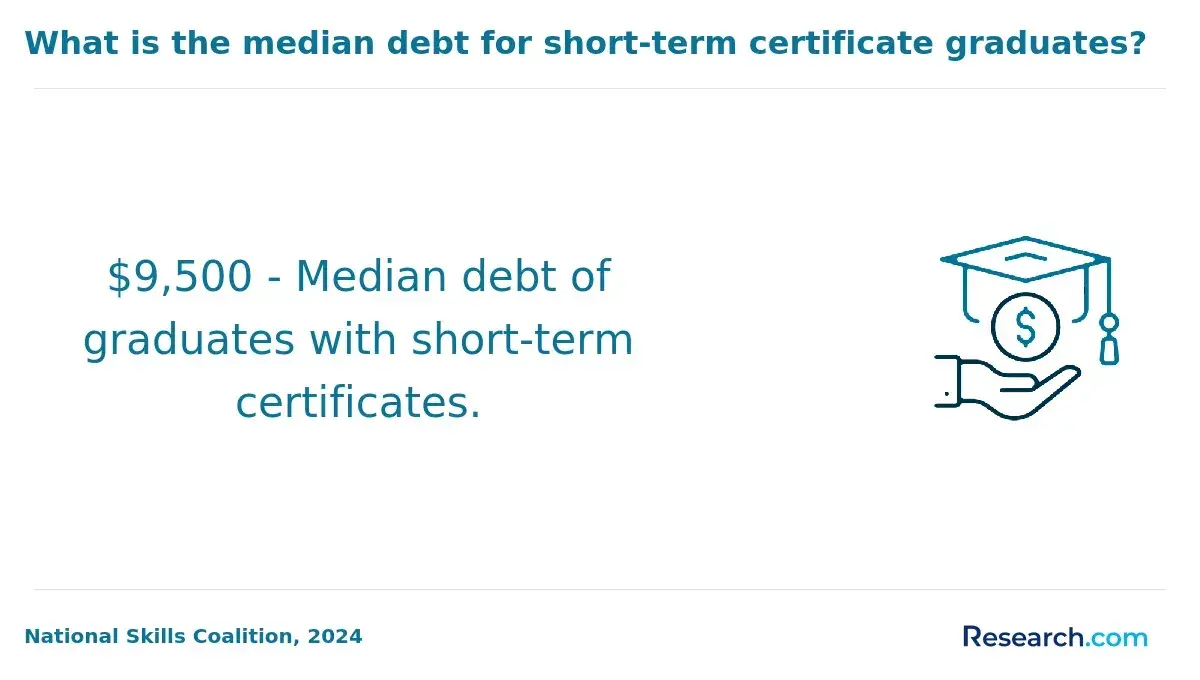
Choosing between certificate and master's pathways in public health prevention strategy involves clear operational tradeoffs with direct workforce consequences. Certificates like the University of Louisville's Graduate Certificate offer a rapid, cost-efficient entry point, requiring roughly 12 credit hours and under $10,000 in tuition, enabling completion within a year full-time. This option suits professionals targeting immediate skill acquisition in prevention tactics without the resource and time investment of a master's degree.
In contrast, master's programs demand 42 to 48 credit hours and typically span 18 to 24 months part-time, costing between $20,000 and $50,000. These longer, more expensive programs encompass in-depth competencies, applied research, and practicum components that align with employer expectations for advanced analytical and leadership roles.
- Certificate programs minimize financial risk and time out, suiting focused skill development.
- Master's degrees demand more commitment but unlock higher-tier positions and broader competencies.
- Program selection should weigh cost, duration, practicum availability, and alignment with both immediate job needs and long-term career trajectory.
Employers prioritize demonstrated ability to implement evidence-based interventions, which certificate holders without practicum experience may struggle to prove. Online or hybrid master's programs that incorporate fieldwork better address this gap.
For example, a mid-career professional pivoting into prevention strategy might find a certificate expedites initial employment but could limit upward mobility in organizations requiring graduate degrees for leadership roles.
What public health careers can you pursue with prevention strategy training?
Prevention strategy training prioritizes applied skills that enable graduates to address complex disease control and health equity challenges in diverse settings. Epidemiologists analyzing outbreak patterns, health educators tailoring behavior change programs, and community health coordinators adapting initiatives to resource-limited rural areas exemplify the practical scope of this training.
A rural coordinator, for instance, must balance prevention approaches against transportation barriers and socioeconomic constraints impacting program access.
Employers, especially government and nonprofit sectors serving vulnerable populations, expect prevention specialists to integrate data-driven insights into policy and program planning. Programs condensing foundational prevention science-such as the University of New England's 42-credit MPH-offer a pathway to quickly assume these roles but may require tradeoffs in elective depth or specialization flexibility.
Workforce demands extend beyond technical know-how to include grant writing, outcome evaluation, and culturally competent communication. Professionals must navigate fluctuating public health funding and crisis-driven priorities, requiring operational adaptability alongside technical expertise.
Candidates should anticipate a role that merges analytic rigor with strategic messaging to ensure interventions achieve measurable impact across demographic groups.
What salary ranges and advancement opportunities exist in prevention-focused public health roles?
Salary progression in prevention-focused public health roles is tightly linked to targeted credential acquisition and sector choice. Entry-level salaries often start near $50,000 to $55,000, with swift advancement to managerial salaries above $85,000 typically requiring formal education, specialized certifications, and sustained professional development through CDC resources.
For instance, a health administrator shifting to a prevention specialist role can expect this salary jump within approximately five years if they actively leverage training opportunities and maintain current knowledge on emerging health threats.
Work environment significantly influences earnings and growth velocity. Government positions tend to offer structured promotion paths but cap salaries below those found in private consultancies, where exceeding $100,000 demands demonstrated success in large-scale prevention initiatives.
Developing complementary expertise in data analytics or health informatics markedly enhances upward mobility and salary ceilings. Employers increasingly expect prevention specialists to engage continuously with best practices and evolving threats via education platforms such as the CDC's public health gateway.
Neglecting this ongoing development can stall career trajectory and limit income potential. Effective use of these CDC training tools is thus not optional but a strategic necessity for sustained leadership roles in prevention-focused public health workforce.
What certifications or licenses align with public health prevention careers?
Certification choices in prevention-focused public health careers carry distinct workforce implications tied to employer expectations and renewal demands. The Certified Health Education Specialist (CHES) and its advanced counterpart, Master Certified Health Education Specialist (MCHES), are frequently prerequisites for roles emphasizing community-level intervention design and evaluation, particularly within government and nonprofit sectors.
Their five-year continuing education requirement necessitates strategic planning for sustained credential maintenance.
For candidates targeting data-driven prevention roles, the Certified in Public Health (CPH) credential aligns closely with federal and state epidemiology positions, given its recognition by agencies such as the CDC. This credential supports expertise in measurable, evidence-based approaches emphasized in epidemiology and healthcare analytics, critical for roles requiring quantitative rigor.
In clinical or healthcare system environments where infectious disease control predominates, certification as an Infection Preventionist (CIC) is an employer-valued asset. This certification demands documented practical experience and stringent exam success, with renewal every five years tied to professional practice, reflecting regulatory compliance priorities in hospital settings.
- CHES and MCHES focus on community intervention expertise with moderate renewal demands.
- CPH meets quantitative and federal qualification thresholds relevant to epidemiology roles.
- CIC prioritizes infection control proficiency demanding rigorous practical and exam criteria.
- CHDA supports analytic approaches essential for advancing data-informed prevention strategies.
Moreover, certifications such as the Certified Health Data Analyst (CHDA) complement public health credentials by addressing the growing integration of predictive modeling and policy impact analysis in prevention strategies.
Professionals weighing certification paths must balance time commitments, renewal obligations, and their targeted sector's priority credentials to optimize career investment.
How can students evaluate and choose a reputable online public health program?
Selecting an online public health program requires rigorous evaluation of accreditation and curriculum relevance, especially for infection prevention training. Programs accredited regionally and by CEPH ensure quality aligned with federal and CDC frameworks, which is critical given the variation in existing infection prevention education.
Employers, notably hospitals, increasingly insist on staff proficient in standardized protocols to minimize hospital-acquired infections, making graduates of such programs more employable.
Students focusing on government or epidemiology roles must verify that programs integrate practical epidemiological tools and policy case studies. Flexible scheduling and local practicum options are vital for working professionals balancing career demands, while virtual simulations help reduce logistical barriers.
Faculty research involvement, particularly in CDC-led initiatives, reflects program currency and depth.
- Accreditation by U.S. Department of Education-recognized bodies is essential.
- Curricula must follow standardized, evidence-based infection prevention standards.
- Practical training and scheduling flexibility are crucial for working learners.
- Faculty research engagement signals up-to-date expertise.
Employment outcomes provide tangible evidence of a program's effectiveness; partnerships with healthcare employers indicate market alignment. Students should be cautious of programs lacking transparent data on certification pass rates or those with outdated syllabi, as this can impede readiness for roles requiring uniform infection control methods.
This inconsistency directly impacts career progression in agencies prioritizing standardized public health responses.
Other Things You Should Know About Public Health
Employers increasingly accept online public health degrees, but recognition depends heavily on accreditation and program reputation. Degrees from CEPH-accredited programs hold the strongest credibility. Graduates from less established online programs may face challenges competing with traditional degree holders for top-tier roles, especially in government or research institutions. Prioritize programs with proven graduate employment outcomes and clear alignment with employer needs to avoid limiting career options.
Workload in online public health prevention programs often matches or exceeds that of in-person versions because of self-directed learning and limited direct instructor interaction. Students must manage time efficiently, balancing coursework, research assignments, and group projects without the immediate campus resources. Programs demanding synchronous sessions reduce flexibility but increase accountability, which some students find necessary for success. Consider your discipline and self-motivation levels when choosing between fully asynchronous or hybrid delivery models.
In 2027, online public health degrees incorporate virtual simulations and partnerships with local health organizations to provide hands-on experience. While traditionally challenging to replicate in-person fieldwork, innovations in digital learning tools and local collaborations aim to bridge the gap effectively.
References
- List of Accredited Schools and Programs - Council on Education for Public Health https://ceph.org/about/org-info/who-we-accredit/accredited/
- Online Degrees https://www.publichealthdegrees.org/online/
- 25 Most Affordable Online MPH Programs - MPH Online https://www.mphonline.org/most-affordable-online-mph-programs/
- Public Health Online | Online Public Health Degrees https://www.publichealthonline.org/
- Public Health Career Salary: Entry to Executive Pay https://online.ewu.edu/degrees/healthcare/masters-public-health/general-concentration/career-salary-outlook/
- Online Master's in Public Health (MPH): Review Top Programs https://www.degreesforgood.org/online-degrees/public-health-programs/masters-mph/
- Health Policy and Public Health Career Paths https://pathologylabtraining.co.uk/biomedical-sciences/health-policy
- Public Health Careers, Salary and Study Guide https://www.iheed.org/insights/public-health/public-health-guide
- Explore Online MPH Degree Programs to Find the Best for You https://teach.com/online-ed/healthcare-degrees/online-masters-public-health/
- Public Health - INTERNATIONAL EUROPEAN UNIVERSITY, POLAND | EUROPE | STUDY IN POLAND | STUDY IN EUROPE | MBBS | GENERAL MEDICINE | BUSINESS | ENGINEERING | IT | EUROPE https://ieu.com.pl/european-medical-school-main/public-health/