2027 Public Health Specializations for Community Health Careers

Co-Founder and Chief Data Scientist
Facing an urgent need to specialize within community health, a mid-career professional must decide which public health pathway balances emerging workforce demands with feasible access and completion timelines. The U. S. Bureau of Labor Statistics projects a 12% growth in public health roles emphasizing epidemiology, health education, and policy analysis by 2032, yet fragmentation in program delivery challenges many adult learners juggling work and family. Recent data from the National Center for Education Statistics reveals that 45% of graduate public health enrollees favor hybrid or online formats, signaling a decisive shift in how specialized training is pursued amid practical constraints.
The following analysis compares current public health specializations, focusing on program flexibility, career outcomes, and alignment with evolving community health needs to guide informed decisions on advancing careers in this sector.
Key Things You Should Know
- Public health specializations emphasizing data analytics report 22% higher median salaries but demand extensive technical training, creating entry barriers that delay workforce entry by 1.5 years on average, per BLS 2024 projections.
- Employers prioritize epidemiology and environmental health credentials, with 58% of surveyed health departments favoring MPH graduates in these fields over generalist degrees, indicating specialization-driven hiring biases.
- The rising cost of accredited public health programs-averaging $35,400 annually in 2024-forces prospective students to weigh immediate financial burden against longer-term employability, impacting diversity in career access.
What public health specializations support community health careers?
Choosing a public health specialization for community health requires weighing distinct workforce demands and practical tradeoffs. Epidemiology, for example, offers robust employment prospects with a 27% projected growth rate and a 2023 median annual wage of $78,520, reflecting strong market demand for professionals who conduct precise disease surveillance and outbreak response. This path suits those willing to work within local or state health departments relying heavily on data analytics and timely interventions.
Public health career specializations for community health also include health education, which demands exceptional communication and cultural competency to effectively engage diverse or underserved populations. Success here hinges on trust-building and grassroots program development, which can be challenging in fragmented community settings.
Environmental health specialists address environmental risk factors in industrial or urban contexts. Their work requires balancing regulatory expertise with cross-sector collaboration, often involving complex fieldwork and multidisciplinary coordination. This career track is particularly relevant for mitigating disproportionate community exposure to pollution or occupational hazards.
Health policy and management differ by focusing on systemic impact through healthcare administration and legislation, which may limit direct field engagement but maximizes influence on resource allocation and program planning. These roles demand strong policy analysis skills and leadership capacity.
Students exploring community health public health specialization options should also consider credentialing pathways like an accredited online health information management degree CAHIIM, which supports data management competencies vital across these fields.
Which public health degree is best for community health careers?
Master of Public Health (MPH) degrees with specializations in biostatistics or epidemiology provide the strongest foundation for community health careers, particularly as employers increasingly demand expertise in managing complex health data and evaluating interventions. Community health professionals without these quantitative skills often face barriers influencing policy or obtaining leadership roles beyond direct service functions.
For example, a professional working in a city health department targeting chronic disease prevention must interpret local health data precisely to design tailored programs. Those relying solely on broad public health knowledge tend to depend on others for critical data analysis, diminishing their strategic impact.
Evaluating the best public health degrees for community health professionals involves weighing tradeoffs. A comprehensive MPH offers broad knowledge but typically lacks the depth required for technical roles commanding higher salaries. In contrast, biostatistics demands strong quantitative aptitude and proficiency in software like R or SAS but opens pathways to advanced roles in research institutions, healthcare agencies, or pharmaceuticals.
Key considerations include: assessing aptitude for advanced quantitative coursework; understanding employer expectations prioritizing technical expertise; and potentially pursuing dual degrees combining community health and biostatistics. Choosing a focused specialization can substantially improve employability and influence career trajectory.
Those seeking accelerated educational options in health administration may also explore accelerated healthcare programs that strategically complement community health competencies.
How do accredited online and campus public health programs compare?
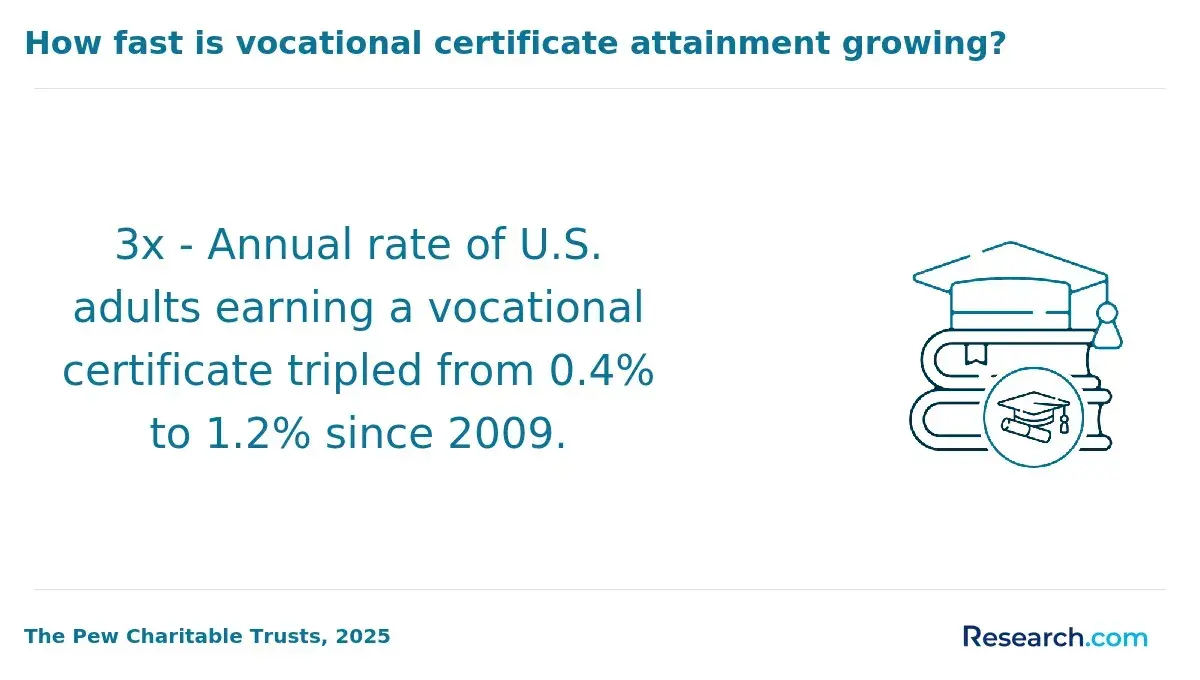
Choosing between accredited online public health degrees versus campus programs requires weighing the distinct advantages and limitations each format presents for career preparedness. While online programs match campus programs in core curriculum, they often fall short on experiential learning access-an essential factor when practical skill acquisition impacts employability in community health careers.
Campus programs typically provide streamlined connections with local agencies, facilitating site visits, internships, and in-person mentoring, which are critical for areas like environmental and occupational health. For instance, environmental specialists benefit from analyzing local soil or water quality firsthand, an experience rarely replicated through virtual simulations that online formats rely on. Employers in occupational health and safety prioritize candidates with verifiable field experience, not just credentials.
Online public health degree formats excel in flexibility and cost, enabling working professionals to pursue studies without relocation. However, graduates must proactively secure field placements and cultivate networks independently to compete with peers from campus-based programs. Recent labor statistics project an 8% growth rate for occupational health and safety specialists with median wages near $79,270, emphasizing the premium placed on practical exposure.
Prospective students evaluating public health program formats for community health careers should consider how programs embed applied learning and employer engagement. Those aiming for regulatory or compliance roles often benefit from campus or hybrid formats offering direct access to worksites. Meanwhile, online pathways fit candidates with established professional networks or clear plans for independent field experience.
For further financial planning, consider the MHA degree cost as a comparative benchmark in healthcare administration education expenses.
What accreditation should public health programs have?
Employers in medical and health services management increasingly require candidates from CEPH-accredited public health programs in the United States to validate essential skills in policy, administration, and epidemiology. Without accreditation from the Council on Education for Public Health (CEPH), graduates face tangible barriers, especially in metropolitan or government roles where competition is intense and credential scrutiny is high.
The 28% projected employment growth for health services managers through 2032, with a median wage exceeding $110,000, underscores demand-but only for those with accredited qualifications. Many states mandate such credentials for licensure or certification, reinforcing the practical necessity of recognized accreditation when planning to pivot or advance in community health careers. Programs lacking CEPH endorsement risk producing candidates whose qualifications are not trusted by key employers.
Prospective students must confirm whether the accreditation covers the specific degree type, such as bachelor's, master of public health, or doctoral level, since institutional accreditation alone does not guarantee workforce recognition. Accredited programs also provide ongoing outcome assessments-like graduate job placement and employer feedback-critical for maintaining curriculum relevance and aligning with hiring requirements.
Deciding on a CEPH-accredited specialization mitigates risks of misaligned training that could delay entry into roles demanding current regulatory and administrative competencies. For those balancing career changes, understanding these tradeoffs is vital; pursuing non-accredited options may necessitate later investments in certification or supplemental education.
Students interested in allied healthcare pathways may also explore related options such as BSN completion, which often intersect with community health career trajectories.
What courses are in a community health public health program?
Community health public health programs emphasize applied competencies aligned with employer needs in roles such as health education specialists and community health workers. The curriculum integrates epidemiology to analyze disease patterns critical for designing effective interventions, while biostatistics focuses on quantitative tools essential for data-driven program evaluation and grant proposals.
Beyond foundational sciences, students engage with health behavior theory and community health promotion to develop outreach initiatives adaptable to diverse populations. Coursework in health policy and management addresses the practical challenges of navigating public health systems, resource constraints, and advocacy efforts that shape local and regional health outcomes.
Environmental health courses prepare students to assess population risks stemming from external factors, directly supporting roles common in government agencies and nonprofit sectors. Program planning and evaluation skills-including budgeting, lifecycle analysis, and reporting-are pivotal to sustaining impact and accountability in community projects.
Internships or service-learning projects often simulate real situations like organizing vaccination clinics or tackling social determinants of health in underserved urban neighborhoods. These practical experiences are vital for mastering stakeholder engagement and culturally competent communication under real-world pressures.
Job prospects for health education specialists and community health workers are projected to grow faster than average, with median wages differing significantly-$64,930 versus $49,380-reflecting varied responsibilities and educational expectations reported by the U.S. Bureau of Labor Statistics. Those assessing this pathway must consider the balance of course rigor, hands-on demands, and job market alignment to make informed decisions.
What admission requirements do public health programs usually ask for?
Admission to master's programs in public health hinges on more than academic credentials; it requires proven readiness for field-specific challenges and workforce demands. Most programs stipulate a bachelor's degree, typically in health sciences, social sciences, or biology, alongside GRE scores-though waivers may be granted based on work experience or academic history. Admission committees prioritize candidates with 1-3 years of relevant professional or volunteer experience, particularly for global health tracks focused on humanitarian crises where adaptability under pressure is essential.
Quantitative competence is a decisive factor. Applicants lacking coursework in statistics or epidemiology often face additional prerequisite hurdles before full admission. Letters of recommendation must distinctly affirm both academic rigor and applied problem-solving abilities, reflecting the complex demands of emergency response and health systems management.
Between 2018 and 2023, a 35% increase in protracted health emergencies globally spotlighted the demand for specialists equipped for rapid, strategic intervention. This workforce dynamic means applicants demonstrating leadership in volatile environments gain a significant advantage, while nontraditional candidates should anticipate supplemental evaluations such as case studies or interviews to validate practical decision-making skills.
For working professionals pivoting careers, part-time or online programs commonly require proof of active employment in health or social services and may conditionally admit students pending completion of core prerequisites alongside graduate coursework. Early awareness of these requirements is critical to avoid delays and to enable timely engagement in vital internships or community health projects integral to program success.
How long does a public health degree take, and what does it cost?
Higher education in public health presents a clear tradeoff between program length, cost, and career pivot speed, shaped by workforce demands and hiring practices. Associate degrees, typically 2 years in duration, provide entry points suited for health education roles but offer limited wage growth and advancement compared to bachelor's or master's degrees. Bachelor's degrees require around 4 years and form the baseline for most community health and epidemiology positions. However, increasingly complex roles-especially in fields like public health nutrition or policy-require master's degrees or specialized certifications to meet employer expectations.
Tuition varies widely: public in-state undergraduate tuition ranges from $10,000 to $12,000 annually, while out-of-state students face $25,000 to $35,000, excluding additional fees and living costs. Graduate programs often cost $20,000 to $50,000 per year, reflecting program prestige and format. Financial aid and employer reimbursement can offset these expenses but are critical to factor given relatively moderate salaries in public health roles compared to clinical careers.
The World Health Organization's 2024 data reveals over 2.5 billion adults overweight or obese in 2022, signaling a surge in demand for nutrition specialists capable of addressing diet-related illnesses causing more than 70% of global deaths. For career changers, faster or flexible paths that balance cost and employability become practical.
What jobs can you get with a community health public health degree?
Community health public health degrees primarily prepare graduates for roles requiring a balance of engagement, data analysis, and program management across diverse populations. For example, a maternal and child health specialist working in a resource-limited urban area may need to design targeted outreach while rigorously analyzing local health data to reduce intervention gaps. Employers-ranging from government agencies to nonprofits-seek candidates who can handle both strategic planning and hands-on implementation amid persistent disparities, particularly in maternal mortality rates concentrated in low- and lower-middle-income countries, according to the World Health Organization World Health Statistics 2024.
Job candidates must weigh entry-level positions with lower pay against the potential need for additional certifications or graduate study to access roles with higher compensation, such as epidemiology or management positions. Proficiency in grant writing and compliance reporting is often essential in public sector settings, highlighting the importance of developing practical skills alongside academic credentials. Experience working in varied demographic and cultural contexts remains critical, given the emphasis on adaptive and culturally competent interventions.
Strategic career shifts after earning this degree hinge on aligning specializations with specific public health challenges and sectors. Emphasizing maternal and child health expertise coupled with workforce data analysis can significantly enhance employability and long-term career resilience.
How much do community health professionals earn?
Salary outcomes for community health professionals vary significantly based on specialization and employment context, with disaster and emergency management roles typically commanding higher compensation. This discrepancy stems from the increasing frequency and financial impact of climate-related disasters, which have doubled since the 1990s and resulted in $313 billion in economic losses in 2022. For instance, a community health worker in a municipal health department might start around $45,000 annually, whereas disaster response specialists in federal agencies or large NGOs often exceed $75,000.
Practical workforce considerations emphasize certification in emergency management coupled with advanced public health training, which are favored by employers aiming to mitigate escalating risks and fund sector growth. Conversely, positions in chronic disease prevention offer more stable but generally lower pay, reflecting less volatile demand.
Job competition is intense, especially at entry-level positions. Prospective candidates should prioritize pathways enabling rapid credentialing and relevant experience, focusing on disaster preparedness to align with areas experiencing budgetary expansion. Investments in FEMA-recognized training not only improve employability but also elevate median wages compared to general public health tracks.
What certifications help in community health careers?
Obtaining certification beyond a bachelor's degree frequently determines access to specialized community health roles and differentiates candidates in a competitive labor market. For instance, employers seeking skills in grant writing, program management, and community outreach typically prioritize the Certified Health Education Specialist (CHES) for foundational community health education roles. Conversely, the Certified in Public Health (CPH) credential caters to professionals targeting epidemiology or biostatistics, signaling mastery of core public health disciplines that government agencies and nonprofits value.
While public health degree awards-especially bachelor's-have surged over 60% in the last decade, this volume creates pressure to demonstrate practical competencies distinct from academic credentials alone. A bachelor's degree without certification often limits eligibility for positions requiring verified technical expertise or leadership potential. Certifications bridge this gap, confirming skills relevant to public health settings such as local health departments and federally qualified health centers.
Specialized certificates in areas like sexual health, substance abuse counseling, or chronic disease prevention further sharpen employability but seldom replace the need for hands-on experience, which most employers expect alongside certification for supervisory roles. Candidates must balance the investment of time and cost for continuing education requirements often tied to maintaining credentials like CHES. Strategic career planning and possible employer support are crucial for managing these barriers.
Other Things You Should Know About Public Health
Online programs can lack the immediate networking benefits found in on-campus environments, which may affect access to internships and local professional connections. However, many reputable online programs now integrate virtual networking and capstone projects to mitigate this gap. Students without local access to public health hubs should weigh whether online delivery limits their regional career prospects before committing.
Community health specializations typically involve more fieldwork and community engagement activities than other areas like epidemiology or biostatistics. This means balancing academic study with practical outreach, which can extend program completion times and require flexible scheduling. Prospective students must consider workload intensity and their availability for off-site work when choosing a specialization.
Credentials enhance technical knowledge but rarely substitute for hands-on experience in community health settings when seeking employment. Employers emphasize direct community engagement skills and proven outcomes alongside education. Prioritize gaining internships or volunteer roles during study to complement certifications and improve job prospects.
References
- The Major Distinctions Between Certified Health Education Specialists and Community Health Workers https://www.nchec.org/news/posts/ches-vs-community-health-workers
- Public Health Needs People With Diverse Skills and Backgrounds—Here Are 9 Careers to Consider https://careercenter.emmanuel.edu/blog/2025/10/23/public-health-needs-people-with-diverse-skills-and-backgrounds-here-are-9-careers-to-consider/
- Public Health Jobs | Public Health Jobs in the UK | Publichealthjobs.co.uk https://publichealthjobs.co.uk/
- Best CEPH-Accredited, Online MPH Programs https://www.onlinemastersdegrees.org/best-programs/public-health-mph/ceph-accredited/
- Community Health and Public Health | University of Phoenix https://www.phoenix.edu/articles/healthcare/community-health-and-public-health-differences.html
- Public Health https://studyinpoland.pl/en/programme
- Tips for applying to an MPH program | PH SPOT https://phspot.org/so-you-want-to-study-public-health-eh-tips-for-applying-to-an-mph-program/
- Community Health Worker https://explorehealthcareers.org/careers/allied-health-professions/community-health-worker/
- Role & Pay - Community health workers https://wageindicator.org/en-za/work-in-south-africa/role-and-pay/south-africa-community-health-workers
- Careers in Community Health - MPH Online https://www.mphonline.org/community-health-jobs/