2027 Online Public Health Degrees With Health Policy Career Alignment

Co-Founder and Chief Data Scientist
Facing a career pivot into health policy within online public health degrees demands navigating programs that genuinely align with evolving workforce needs. Many candidates struggle to find curricula integrating policy analysis with practical applications for fast-changing regulatory environments. Enrollment data from the National Center for Education Statistics shows a 15% annual rise in adult learners choosing online health-related degrees, reflecting demand for flexible options that fit professional schedules without sacrificing rigor. This growth signals a shift in learner priorities toward programs emphasizing policy relevance and career mobility. This article examines online public health degrees optimized for health policy careers to guide informed decisions balancing accessibility, content depth, and market outcomes.
Key Things You Should Know
- Graduates with online public health degrees emphasizing health policy face a 15% wage premium in federal and state agencies, yet 40% report skill misalignment due to uneven policy curriculum integration, complicating employer expectations.
- Rapid policy shifts-as seen in 2024 Medicaid reforms-demand programs update content within 12-18 months, but only 45% of online degrees demonstrate this agility, creating timing risks for career pivots.
- Average total costs for qualifying online public health degrees exceed $45,000, surpassing many sector certificates; prospective students must balance long-term employability against upfront debt amid tightening public budgets.
What is an online public health degree with a health policy focus?
Choosing an online public health degree with health policy specialization requires weighing the evolving expectations of employers who increasingly seek professionals adept not just in epidemiology but also in legislative and economic analysis. For instance, graduates may find themselves drafting Medicaid expansion drafts or assessing opioid policy impacts within government agencies-roles where regulatory fluency and stakeholder negotiation skills directly influence outcomes.
Distance learning public health programs focused on health policy commonly use asynchronous formats combined with cohort models to replicate real-time policy simulations and case studies centered on U.S. healthcare complexities. This approach suits working professionals but limits in-person networking essential for securing competitive internships or government fellowships, creating a tangible tradeoff in relationship-building opportunities.
Students must navigate rigorous training in multi-level data analysis and policy modeling software, emphasizing measurable health equity outcomes. Programs with insufficient legislative content risk leaving candidates underprepared for the nuanced regulatory demands federal and state agencies impose. Professionals pivoting from clinical or research backgrounds require this analytical rigor to meet workforce benchmarks driving hiring decisions.
Prospective learners should also consider complementing their skill set with related advanced degrees; for example, those interested in mental health specialization might explore online MSN PMHNP programs for integrated public health and clinical expertise.
How do online public health programs compare to campus-based options for health policy?
Choosing between online vs campus public health degree programs for health policy involves critical tradeoffs that affect immediate employability and long-term career momentum. Online programs cater to working professionals by allowing real-time application of coursework, reducing downtime and travel, which aligns well with the projected 29% employment growth for medical and health services managers cited by Benedictine University MPH Online.
However, campus programs often deliver stronger faculty mentorship and networking critical in competitive policy sectors like government agencies.
Comparing online and traditional public health education in health policy careers, online formats frequently use asynchronous learning and case-based simulations that build practical leadership skills but require proactive pursuit of local or virtual internships to fill experiential gaps. Conversely, campus settings provide immersive environments conducive to recent graduates or those engaged in research collaboration.
The decision is nuanced: mid-career professionals embedded in health systems or government may prioritize flexibility and rapid skill application found in online degrees, while others benefit from face-to-face community access and employer preferences in certain policy roles. Emphasis should rest on accreditation, faculty expertise, practicum options, and alumni outcomes rather than delivery mode alone.
Prospective candidates also may consider combining online education with targeted residencies or internships. For insight into curriculum options, see healthcare administration courses online.
Which accreditation and public health standards should online health policy degrees meet?
CEPH accreditation is a practical imperative for online public health degree accreditation standards due to its direct influence on employability and program rigor. Graduates of accredited public health programs with health policy focus are distinctly favored by employers in government and healthcare sectors, where CEPH accreditation signals mastery over competencies essential for effective policy development and implementation.
Programs aligned with the Public Health Accreditation Board (PHAB) framework materially enhance workforce readiness by embedding skills such as advocacy, system thinking, and ethical decision-making, which are crucial for addressing community health challenges. For instance, state health department employees transitioning into policy roles benefit significantly from education that meets PHAB standards, as it equips them to manage organizational performance within complex public systems.
Conversely, MPH graduates from non-CEPH-accredited programs face constraints in federal hiring pools due to absent or inconsistent practicum requirements, limiting critical hands-on experience. This gap can diminish policy-making efficacy and narrow career prospects in competitive environments.
The salary differential underscores accreditation's market value: an average annual income of $120,688 in health policy-related roles reflects employer willingness to reward validated expertise sustained by recognized accreditation. Students should verify both CEPH accreditation and the explicit inclusion of PHAB policy standards when evaluating program curricula to ensure alignment with labor market demands.
Those comparing degree options may also consider MHA online programs as an alternative pathway, depending on their career objectives and sector focus.
What levels of online public health degrees best support health policy careers?
The master's degree remains the most practical credential for health policy careers in public health, combining essential analytical skills with leadership training required for policy development and execution. Public health professionals holding a master's degree average $73,000 annually, per the Lightcast 2023 Jobs Report via Coursera Online MPH Degrees, with specialists such as epidemiologists or health services managers earning notably higher salaries. This reflects employer demand for competencies beyond entry-level capabilities.
Bachelor's degrees serve mostly for entry-level or support roles but offer limited advancement in agencies or policy organizations due to insufficient depth in policy analysis and management. Doctoral degrees focus heavily on research specialization and often delay workforce entry, making them less suitable for professionals seeking a timely career pivot into health policy leadership.
Working professionals targeting leadership roles should prioritize programs with coursework in health policy, epidemiology, and biostatistics paired with practicum experience.
When selecting from online public health degree levels for health policy careers, it is critical to verify CEPH accreditation, curriculum relevance to current policy challenges, and networking opportunities with policymakers. These factors weigh heavily against cost and program length, as the $73,000 average salary premium signals a competitive market valuing advanced policy skills.
Those assessing the best online public health programs aligned with health policy may also consider alternative pathways, such as direct entry MSN programs for non nursing majors, depending on their background and career goals.
What health policy courses and competencies are typically included in these programs?
Policy-focused online public health degrees in 2026 demand mastery of analytical frameworks that extend beyond theory into actionable policy impact. Graduates must bridge policy analysis and implementation science with health economics and stakeholder engagement, operating effectively across multiple government levels. For example, shaping Medicaid reforms in a state agency requires fluency in regulatory nuances and data-driven strategy, not just academic understanding.
Core competencies align with employer priorities and include:
- Advanced epidemiology emphasizing policy implications
- Qualitative and quantitative research methods targeting policy questions
- Health systems finance and organizational structure
- Ethical and legal considerations in policy development
- Strategic communication skills for advocacy
- Leading evidence-based policy implementation
The challenge lies in applying these competencies remotely without direct field immersion, which limits practical fluency in shifting policy environments. Integrating practicum experiences is essential to cultivate program evaluation and policy modeling skills valued in health departments and policy offices.
Employment data from ASPPH shows 73% of policy-trained graduates secure relevant roles immediately, reflecting strong demand-but only for those who demonstrate operational policy expertise rather than theoretical knowledge alone.
Candidates must also be adept at translating complex policy research into clear messaging for diverse audiences and managing collaborations across sectors to advance public health objectives.
What are common admission requirements for online public health degrees in health policy?
Admission to online public health degree programs focused on health policy hinges on more than academic credentials; competitive candidates balance verified undergraduate performance-typically a minimum 3.0 GPA-with relevant work or volunteer experience in health or policy roles. Though some programs still request GRE scores, an increasing number waive this requirement, placing greater emphasis on demonstrated analytical capability and real-world readiness for policy evaluation.
Applicants benefit from submitting two to three recommendations from mentors or supervisors familiar with their policy acumen and a focused personal statement outlining how the degree advances their strategic career trajectory.
For example, professionals aiming to pivot into health policy analyst roles should note that programs highlighting policy skills generally yield better salary outcomes, averaging around $69,520 with a broad range dependent on geography and experience.
Programs with government affiliations often prefer candidates with federal or state internships, while research-intensive universities seek evidence of rigorous data proficiency. International students must provide TOEFL or IELTS results, and fulfillment of quantitative prerequisites-statistics or epidemiology-is essential, either through previous coursework or targeted foundation courses.
Failure to prepare for these requirements risks underqualification or application delays, particularly for mid-career professionals balancing deadlines and education.
Understanding the divergence between clinically centered public health curricula and policy-focused tracks is critical when evaluating program fit and long-term employability prospects.
How long do online public health programs take, and what do they cost?
Completing an online public health degree requires careful consideration of program length and pacing, which typically ranges from 18 to 36 months depending on degree level and enrollment status. Full-time master's students often finish in about two years, while part-time learners balancing jobs may take three years or more. This flexibility is essential because many public health policy employers expect candidates to combine academic credentials with relevant professional experience.
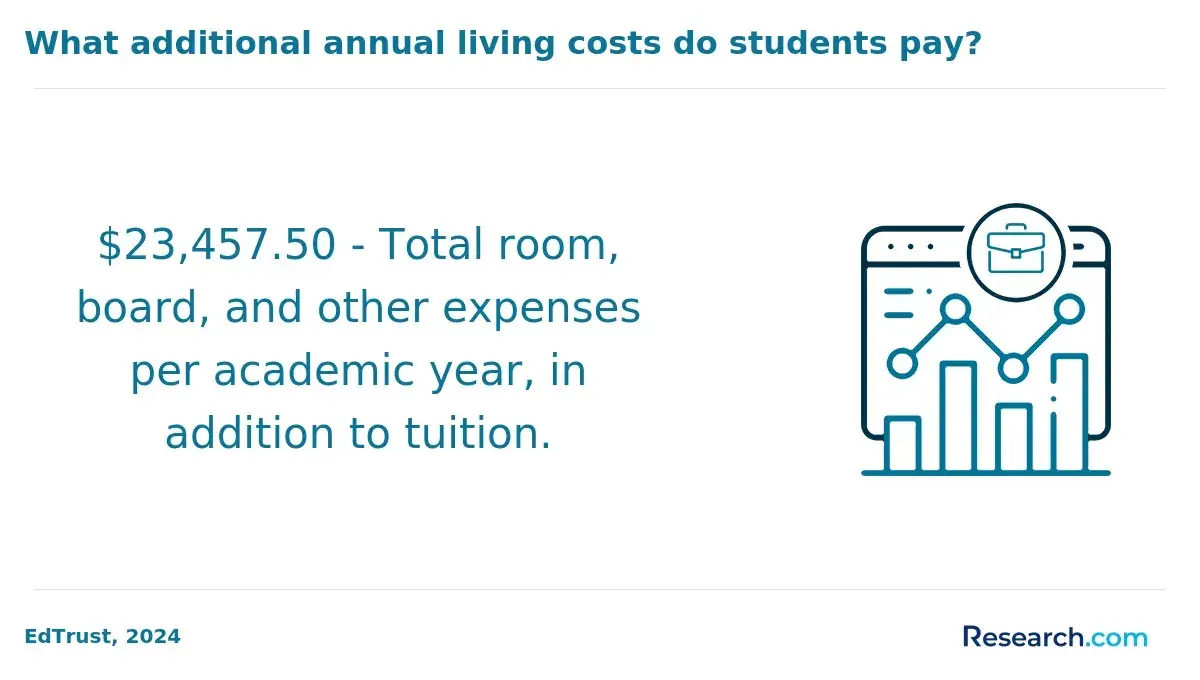
Costs for an online degree vary widely, generally between $15,000 and $50,000, with public universities offering more affordable tuition than private institutions. Beyond tuition, fees, textbooks, and technology expenses usually add 10%-20% to total costs. Students should evaluate financial aid options and employer reimbursement programs to offset these expenses when available.
Workforce data show only 22% of state and local public health professionals hold a degree in public health, yet formal credentials increasingly influence eligibility for policy and leadership positions. For example, a clinical professional moving into policy development might prioritize a program emphasizing applied practicums and health policy coursework to improve employability in government or nonprofit sectors.
Balancing academic requirements with practicum demands and occasional onsite residencies can extend time to completion beyond nominal estimates. Understanding these tradeoffs helps prospective students select programs that align with both career objectives and practical life constraints.
What health policy and public health career paths can these degrees lead to?
An online master's in public health with a focus on health policy situates professionals for distinct roles that merge regulatory insight with population health expertise. Typical career trajectories include epidemiology, health policy analysis, and healthcare consulting, where navigating complex regulations and multi-stakeholder environments is routine.
For instance, a mid-career clinician transitioning to policy-related roles can leverage the degree to qualify as a health policy specialist, a position requiring strong data interpretation skills coupled with an understanding of regulatory frameworks.
The labor market increasingly favors candidates able to conduct quantitative policy evaluations and support evidence-based decision-making in settings such as the CDC or state health departments. Salary data confirms the investment value: public health master's graduates often earn approximately 20% more than those holding only a bachelor's or certificate, making it a strategic decision for professionals weighing tuition against measurable income growth.
Essential tradeoffs include securing applied field experience and forming professional networks, particularly difficult in fully online formats without structured internships or partnerships with public agencies. Prospective students should verify program connections to health departments or policy think tanks to enhance employability and practical readiness.
Ultimately, success in health policy roles hinges on both the chosen program's alignment with sector demands and applicants' proactive engagement with experiential learning opportunities.
What are typical salaries and job outlooks for health policy professionals?
Health policy professionals who integrate technical data skills with a deep understanding of policy frameworks stand to gain the most in a field where quantitative expertise drives decision-making. Epidemiologist roles, pivotal for shaping evidence-based policy, are expected to grow by 19% from 2023 to 2033, surpassing average occupational growth rates, with median salaries near $84,000 enhancing their appeal.
However, candidates lacking proficiency in analyzing epidemiological data and cost-effectiveness risk falling behind in a competitive market.
Consider a health policy analyst at a state health department: starting near the median salary, advancement depends on the ability to translate complex data into actionable legislative insights. In contrast, firms in the private sector often offer higher salaries but demand rapid adaptability to diverse client challenges and evolving health data technologies.
Key workforce dynamics include:
- Higher stability but slower salary growth in federal roles
- Greater income potential but faster pace and volatility in private consulting
- Employers' preference for candidates blending analytical rigor with policy application
Prospective students should weigh these tradeoffs and prioritize MPH programs emphasizing analytics and surveillance to maintain relevance in a labor market that increasingly values data-driven Public Health policy expertise.
How can students evaluate and choose a reputable online health policy program?
Accreditation status and curriculum relevance markedly impact employment outcomes for online health policy students. Accreditation from recognized bodies like CEPH signals rigorous standards, influencing employer confidence and eligibility for key roles. Programs integrating policy analysis, epidemiology, economics, and biostatistics better equip graduates for research-intensive positions and policy implementation duties common in public health settings.
Graduates aiming for government or think tank positions should prioritize programs demonstrating high placement rates and offering experiential opportunities such as internships or capstone projects. These afford practical exposure and networking critical to navigating the political and regulatory environments of health policy. Conversely, academic research aspirants must assess quantitative rigor and publication support embedded in the curriculum.
Flexibility in delivery, including part-time or asynchronous options, aligns with the realities of professionals balancing current employment. Access to career services and alumni networks can mitigate transitional challenges during career pivots.
Transparent tuition disclosures remain essential for realistic budgeting and avoiding hidden financial burdens.
- Prioritize CEPH accreditation for validated curriculum and employer recognition.
- Seek programs with comprehensive training in policy analysis and biostatistics.
- Evaluate graduate employment rates within six months to assess program efficacy.
- Consider hands-on experiences like internships tied to policy organizations.
- Analyze flexibility and support infrastructure for working professionals.
For example, candidates targeting state health departments will gain more from programs emphasizing regulatory policy and health equity than generic MPH degrees lacking this specificity.
Other Things You Should Know About Public Health
Online degrees that emphasize health policy can prepare students for leadership roles, but the depth of practical leadership training varies significantly by program. Candidates should prioritize programs that integrate case studies, policy analysis projects, and collaborative group work over those that rely solely on lectures to enhance real-world decision-making skills. Employers expect graduates to demonstrate strong abilities in policy evaluation and stakeholder communication, which require active learning components often limited in some online formats.
Graduates with a health policy specialization gain targeted expertise valued in governmental agencies and NGOs focused on policy development and evaluation, enhancing employability in those sectors. In contrast, general public health graduates may have broader eligibility for roles in program management or epidemiology but face higher competition. Choosing a specialization aligns with career goals and sector demand; those aiming for policy influence should prioritize programs with strong policy curriculum and networking opportunities.
Advanced certifications such as Certified in Public Health (CPH) can substantively boost hiring and promotion chances in health policy fields, especially where employers seek proof of standardized competency. While not mandatory, combining a degree with relevant certifications strengthens résumés by addressing gaps in practical policy skills and ethical standards. Students should assess if their prospective employers prefer or require such certifications and consider early enrollment to synchronize credentialing with degree completion.
References
- What is an MPH degree? | edX | edX https://www.edx.org/resources/what-is-a-master-of-public-health-degree
- Accreditation & Recognition - Public Health Accreditation Board https://phaboard.org/accreditation-recognition/
- Evaluating Health Information: MedlinePlus https://medlineplus.gov/evaluatinghealthinformation.html
- Home - Council on Education for Public Health https://ceph.org/
- Health Policy and Administration Salary and Job Outlook | CUNE https://www.cune.edu/news/health-policy-administration-jobs-salary
- 25 Most Affordable Online MPH Programs - MPH Online https://www.mphonline.org/most-affordable-online-mph-programs/
- Explore Public Health Careers - Public Health https://www.publichealthonline.org/careers/
- Master of Public Health https://online.une.edu/public-health/master/
- Core Competencies for Public Health Professionals | PHF https://phf.org/programs/core-competencies-for-public-health-professionals/
- How to Choose a Program https://www.publichealth.org/resources/choosing-a-program/