2027 Online Public Health Degrees With Biostatistics Concentrations

Co-Founder and Chief Data Scientist
Facing a rapidly evolving public health landscape, professionals increasingly encounter complex data challenges that demand specialized biostatistics expertise. For example, state epidemiologists must quickly interpret vast datasets during outbreaks, where delayed or inaccurate analysis can cost lives and waste resources. However, rigid program structures and geographic constraints often prevent working adults from obtaining targeted training.
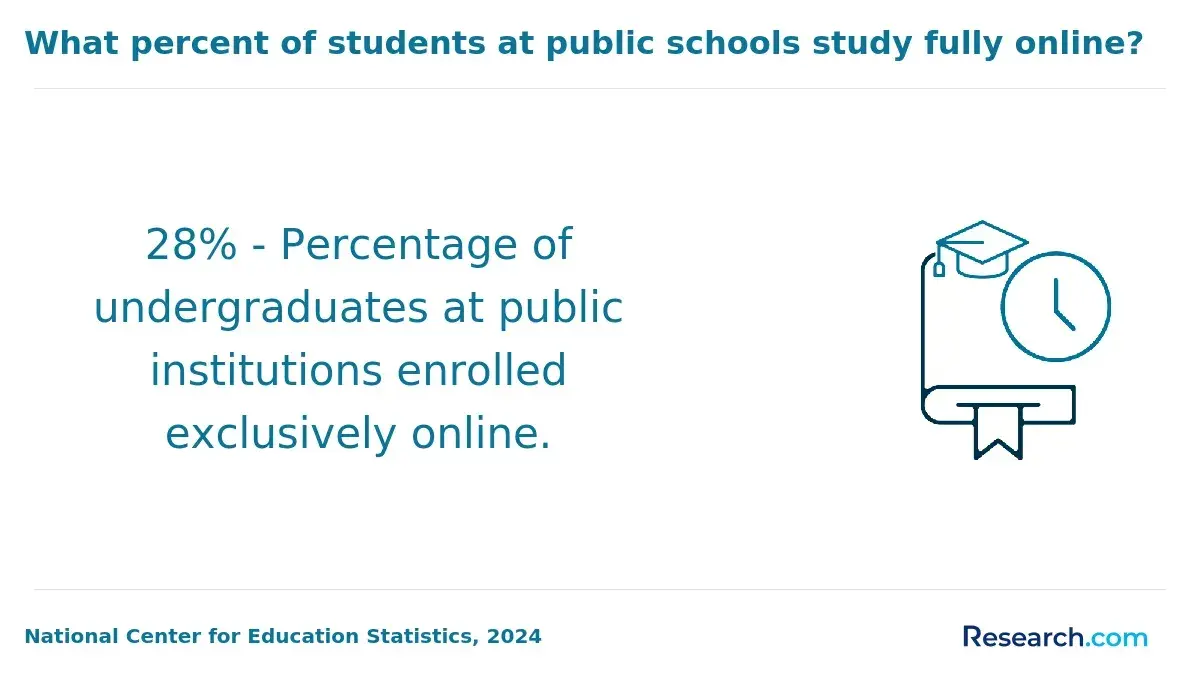
Recent data from the U. S. Department of Education reveals a 15% increase in online enrollment among adult learners in public health graduate programs, signaling a shift toward flexible pathways essential for upskilling without career interruption. This article examines accredited online public health degrees with biostatistics concentrations, providing a practical guide to selecting options that balance accessibility, curriculum rigor, and workforce relevance to accelerate career progression.
Key Things You Should Know
- The 20% average tuition premium for biostatistics concentrations in online public health degrees, per NCES 2024 data, demands balancing costs versus long-term salary gains, as median analyst wages rise 14% faster than general public health roles.
- Employer preference data from the APHA 2024 workforce survey shows 65% favor graduates with demonstrated biostatistical computing skills, limiting options for candidates lacking practical software experience despite degree completion.
- Program completion rates for fully online biostatistics tracks average 62%, per Department of Education 2024, reflecting a significant timing risk that can delay reentry into epidemiology or research jobs, affecting mid-career pivots.
What is an online public health degree with a biostatistics concentration?
Online public health degree programs with biostatistics focus prepare students to master statistical techniques directly applied to health data, positioning them for roles demanding quantitative rigor. These programs differ from general biostatistics by concentrating on disease surveillance, population health dynamics, and health disparities-skills increasingly vital in sectors like government agencies and healthcare providers. For instance, a remote epidemiologist at a state health department may analyze vaccination rates to optimize resource distribution.
Distance learning public health degrees specializing in biostatistics require navigating asynchronous coursework, often balancing employment or caregiving. Strong proficiency in software such as SAS, R, and Python is essential, alongside the ability to translate complex results into clear insights for varied audiences. Programs with capstone projects or internships better align with employer expectations emphasizing applied statistics and communication competencies.
Employers value demonstrable experience with real-world datasets and applied tools. Given projected growth in related jobs-31.6% for statisticians and 35.2% for data scientists according to the US Bureau of Labor Statistics-this specialization addresses a significant labor market opportunity. Prospective students should carefully evaluate curriculum rigor and faculty expertise to ensure meaningful skill acquisition. For professionals exploring pathways that integrate analytic rigor with public health priorities, exploring online health information management degree programs CAHIIM accredited may offer complementary training aligned with interdisciplinary health data roles.
Are online public health degrees with biostatistics concentrations accredited and respected by employers?
Employers evaluating candidates with online public health degrees with biostatistics concentrations accredited by employers emphasize program accreditation from recognized agencies like the Council on Education for Public Health (CEPH). Accreditation signals rigorous training in statistical methods and data science, which is often a decisive factor in hiring for roles such as epidemiologist or health statistician. Without this validation, graduates may encounter skepticism about their curriculum's relevance to current analytical demands.
In real-world hiring contexts, having a respected online public health biostatistics degree program credential eases entry into competitive positions, but additional certifications or software skills in SAS and R can be necessary to meet employer expectations. Practical experience gained through internships or research partnerships often outweighs academic prestige alone.
Labor market data illustrates that statisticians with relevant public health expertise command solid salaries, with a median annual wage of $105,510 and top earners exceeding $158,850. This wage distribution reflects sustained demand for professionals who combine quantitative aptitude with domain knowledge in health data.
Prospective students should scrutinize program accreditation and employer engagement before enrolling. Considering programs with integrated practical experiences can significantly affect long-term workforce outcomes. For those exploring broader healthcare pathways, comparing offerings like a healthcare administration bachelor's degree online may provide alternative career trajectories within the health sector.
What careers can a biostatistics-focused public health degree prepare you for?
A biostatistics-focused public health degree presents a strategic option for professionals aiming at roles centered on rigorous quantitative analysis and data interpretation. These positions often demand advanced skills in statistical programming, dataset management, and translating complex outputs into actionable insights for policy or clinical decisions.
Typical career opportunities reflect sector-specific demands:
- Federal agencies such as the CDC or NIH employ biostatisticians to develop models tracking disease outbreaks and evaluating intervention impacts-requiring an ability to work within regulatory frameworks and evolving data privacy laws.
- Pharmaceutical and biotech sectors rely on biostatistics graduates to analyze clinical trial data critical for regulatory approval and drug safety, emphasizing strict adherence to FDA guidelines.
- Academic and research institutions hire data scientists and research analysts to support epidemiological studies and public health surveillance, often integrating domain expertise with analytical rigor.
- Health insurance and healthcare consulting roles prioritize predictive modeling to optimize costs and outcomes, demanding fluency in both statistics and healthcare systems.
Salary prospects vary, with government biostatisticians averaging above $90,000 annually, while experienced private-sector analysts frequently exceed $110,000. Employers expect proficiency in R, SAS, or Python and value clear communication skills to bridge technical and non-technical stakeholders. Navigating interdisciplinary collaboration and evolving regulations remains a consistent challenge.
When evaluating job prospects with biostatistics-focused public health degrees, students must balance the analytic depth of positions against sector-specific demands. Those seeking entry points may consider programs ranked among MPH online programs with easy admission requirements to mitigate initial barriers while building in-demand skills.
How do online biostatistics public health programs compare to campus-based options?
Choosing between online biostatistics public health degree programs comparison reveals a critical tradeoff: equivalent technical instruction clashes with vastly different access to hands-on learning and networking. Campus-based programs embed students within research labs and public health entities, creating pipelines to internships and employer connections that often influence job placement in sectors like pharmaceutical research or government agencies. In contrast, online options grant scheduling flexibility for working professionals but require more initiative to secure local practicums or applied projects, which are rarely guaranteed.
Employers increasingly seek candidates demonstrating proficiency in predictive modeling and large-scale data management, skills sharpened through real-world experience. Graduates from campus programs tend to integrate more fluidly into multidisciplinary teams due to immersive environments fostering collaboration, whereas online graduates must supplement with targeted networking and specialized certifications to remain competitive.
Prospective students pursuing immediate shifts into epidemiology or health informatics must carefully evaluate an online program's infrastructure for field placements and employer engagement. Access to applied experiences often determines skill transference and employability. For those prioritizing academic research or industry networking, campus attendance offers tangible benefits.
For professionals exploring degree completion pathways, resources like BSN completion illustrate the pragmatic value of flexible formats balanced against experiential deficits. Ultimately, the decision hinges on managing flexibility with the necessity of immersive, applied learning and professional networks shaping outcomes in biostatistics-centric Public Health careers.
What courses and skills are typically included in a biostatistics public health curriculum?
Advanced biostatistics training in public health must balance rigorous quantitative theory with actionable skills directly tied to workplace realities. Employers prioritize graduates who not only master probability theory, regression modeling, survival analysis, and longitudinal data methods but can also translate these techniques into operational insights for clinical trials, health surveys, and genetic research.
Practical software proficiency in R, SAS, or STATA is essential to implement models accurately while navigating data quality and regulatory demands. For example, epidemiologists applying survival analysis methods to oncological patient groups demonstrate the concrete impact of biostatistical expertise beyond abstract theory.
Applied coursework linking study design, causal inference, and biostatistical computing prepares students to manage observational research challenges under real-world constraints. Advanced curricula increasingly integrate machine learning, causal modeling, and meta-analysis to meet employer demand for precision analytics in health contexts.
Cost considerations remain significant: top affordable online biostatistics master's programs average below $12,500 annually in graduate tuition, aligning with the budgets of NGOs and government agencies that commonly hire biostatisticians. Prospective students should weigh this affordability alongside expectations to deliver technical mastery coupled with operational budget awareness.
What admission requirements do online public health programs with biostatistics concentrations have?
Prospective students and professionals targeting biostatistics concentrations within online public health programs should weigh the substantial demands of both quantitative foundations and practical career alignment. Admission typically requires a bachelor's degree in biology, statistics, mathematics, or health sciences, with coursework in calculus, statistics, and often programming. However, the rigor of prerequisite knowledge varies, affecting readiness for program challenges and subsequent employability in data-intensive roles.
Standardized tests such as the GRE may be waived but remain a factor for less quantitatively strong candidates, emphasizing that analytical skills and relevant professional experience, such as research or data analysis positions, often carry more weight. Mandatory letters of recommendation focus on quantitative aptitude and research potential, while personal statements must explicitly link career objectives to program specifics to justify admission decisions.
Financial tradeoffs significantly influence whether applicants choose online formats over campus-based programs. For example, the University of Nebraska's online MPH in biostatistics charges $8,451 annually in-state versus $24,219 for out-of-state students, affecting accessibility and networking opportunities with state health departments or research institutions. Students should also critically assess their ability to handle consistent digital access, self-motivation, and self-directed learning, which directly impact completion rates and post-graduate employability in public health data roles.
How long do online public health degrees with biostatistics concentrations usually take to complete?
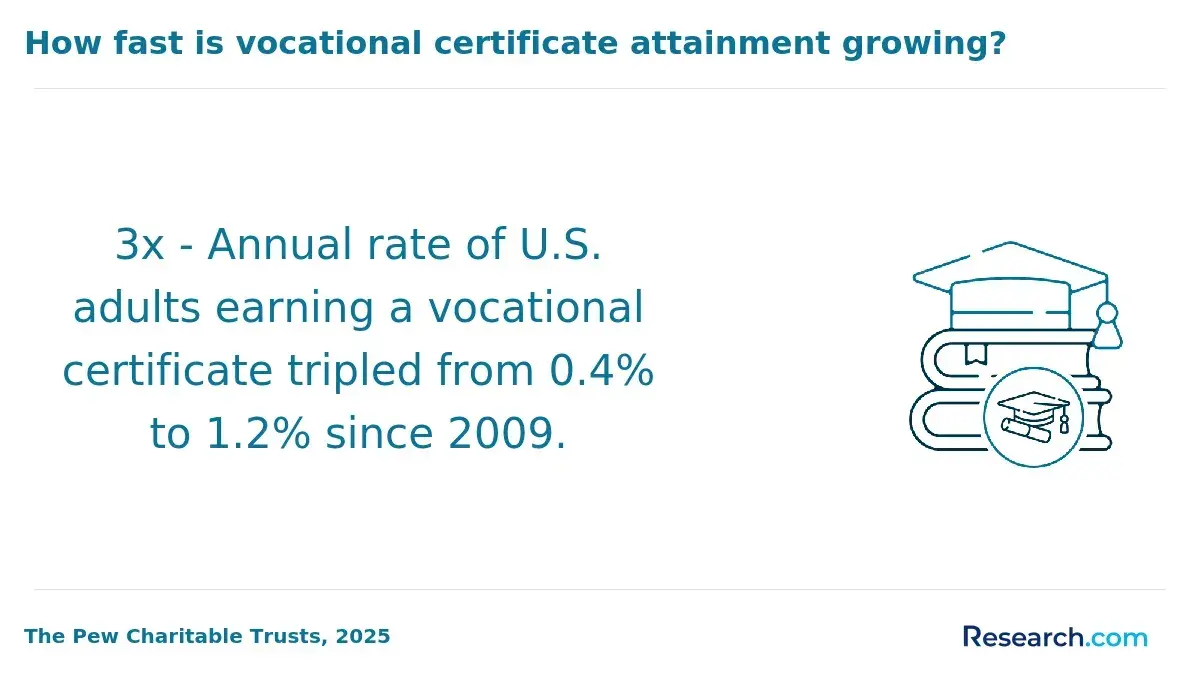
Public health degrees with biostatistics concentrations demand a strategic balance between time investment and career outcomes. Completion often spans 18 to 36 months, influenced by program design and enrollment status. Full-time learners typically finish in about two years, while those studying part-time-commonly working professionals-may extend toward three years. Accelerated cohort-based programs truncate this to 12-18 months but require substantial weekly commitments, presenting challenges for employed students.
Consider a mid-career epidemiologist pivoting to a data science role within health analytics. Such professionals must weigh the tradeoff between maintaining steady income and acquiring new quantitative skills efficiently. Programs with flexible pacing and defined practicum or capstone requirements foster timely completion and practical readiness, crucial in a field where employer expectations center on mastery of applied statistical tools within relevant timelines.
Prolonging degree completion beyond three years risks skill depreciation amid rapidly evolving biostatistical software and analytic methodologies. Key barriers include balancing work, study, and personal obligations alongside opaque credit requirements in some programs. Prospective students should scrutinize program structures and support systems to avoid extended timelines that weaken competitive positioning in an employment landscape with a projected 35.2% growth rate for data scientists from 2022 to 2032, as reported by the US Bureau of Labor Statistics.
What tuition costs, fees, and financial aid options exist for these online programs?
Tuition for online public health degrees with biostatistics concentrations varies widely, with residency status and program details driving costs. For instance, the University of Florida charges Florida residents $448.73 per credit plus about $36 in fees, while non-residents pay $950 per credit-more than double the rate. This difference significantly impacts total expenses over a typical 30-credit program, making residency a critical financial consideration.
Financial aid options remain limited in scope and accessibility. Federal student loans are common but increase long-term debt without reducing upfront costs. Scholarships specific to biostatistics or public health fields are scarce and highly competitive, often requiring professional experience or alignment with underserved populations. Employer tuition reimbursement is inconsistent, generally favoring government and large healthcare entities, while smaller employers rarely provide support.
Additional fees such as technology charges or required software, ranging from $300 to $600 annually, are rarely covered by aid and further increase out-of-pocket expenses. Part-time enrollment helps spread costs over time but prolongs fee accumulation and program completion.
These financial factors, combined with destination career goals, influence practical ROI for non-residents especially pursuing data scientist roles in biotech sectors. Careful upfront evaluation of state residency eligibility, scholarship availability, employer reimbursement, and total program costs is essential to manage financial risk and optimize career investment.
What salary ranges and earning potential can biostatistics public health graduates expect?
Salary outcomes for biostatistics public health graduates vary notably by sector and experience, with entry-level positions at government or academic institutions starting near $70,000-$80,000. This aligns with 2024 U.S. Bureau of Labor Statistics data for statisticians holding a master's degree. Professionals with 3-5 years of applied experience, particularly in pharmaceutical or private research settings, often surpass $100,000, driven by demand for advanced quantitative skills and software fluency in R, SAS, or Python.
Senior roles in clinical trials or epidemiological analysis frequently exceed $120,000, sometimes reaching $140,000 or more. These salary benchmarks correlate strongly with candidates' foundational math abilities-calculus, linear algebra, and probability-as emphasized in Brown University's online Master of Science admission prerequisites. Employers favor those who combine mathematical rigor with practical data management and modeling expertise.
Graduates lacking robust quantitative preparation or industry-specific software skills face challenges breaking into higher salary brackets. The negotiation power often hinges on demonstrable proficiency handling complex healthcare datasets. Sector choice also influences income potential: public sector jobs offer relative stability but slower growth, while biotech and pharmaceutical roles provide higher starting pay with less predictable contract cycles.
How is the job outlook for public health and biostatistics professionals in the United States?
Biostatistics roles will expand significantly faster than most occupations, reflecting a shift toward quantitative rigor across public health agencies, pharmaceutical companies, and research organizations. This growth is not uniform but concentrated in positions requiring advanced data analysis paired with domain expertise in epidemiology or health economics. For example, a biostatistician in epidemiology might advance to leading outbreak response analytics teams, while those in healthcare firms often focus on predictive modeling of treatment outcomes, illustrating how context shapes responsibilities and career trajectories.
Practical educational pathways demand a balance between technical mastery-such as proficiency in R, Python, machine learning-and real-world application experience. Candidates lacking exposure to complex study designs or causal inference techniques typically face barriers entering competitive roles beyond entry level. Employers prioritize demonstrated ability to translate statistical findings into actionable insights for diverse stakeholders, not just numerical fluency.
The evolving data environment favors professionals who integrate quantitative skills with leadership capabilities, as routine data collection roles diminish in relevance. Graduates who fail to develop strategic communication and project management skills risk stagnation. Graduates should carefully evaluate programs that provide substantial project-based learning and domain-specific training rather than solely technical coursework.
Other Things You Should Know About Public Health
Choosing between synchronous and asynchronous formats affects how you manage your time and engagement. Synchronous courses offer live interaction, which can enhance networking and immediate feedback but require fixed schedules that limit flexibility for working professionals. Asynchronous courses allow you to study at your own pace, which benefits learners balancing jobs or family commitments but can reduce real-time support and peer collaboration. Prioritize synchronous options if you value interaction and structured deadlines; opt for asynchronous if flexibility is your primary concern.
Admissions for online public health degrees with biostatistics concentrations in 2027 require a bachelor's degree, preferably in a related field, and often a minimum GPA. Many programs require GRE scores, letters of recommendation, and a statement of purpose. Rigorous prerequisites ensure readiness for advanced biostatistics coursework.
Biostatistics concentrations demand strong quantitative skills and regular practice in statistical programming, which typically results in intensive weekly assignments and complex projects. The workload can be heavier than other public health concentrations due to the technical content, often requiring 15-20 hours weekly outside lectures. Students without a solid math or statistics background should anticipate a steep learning curve and consider preparatory courses. Effective time management and early engagement with course material are critical for success.
Adding dual degrees or certificates can boost specialization and marketability but also substantially increase time and cost. Consider these only if they align directly with your career goals, such as data science or epidemiology, and if you can commit extra time without sacrificing depth in biostatistics. For most professionals focused on advancing within public health data analysis roles, a single, well-designed degree with relevant practicum experience offers better return on investment. Avoid overloading your academic schedule unless the complementary credential fills a specific skills gap employers demand.
References
- Top 10 Master’s in Biostatistics Online - Master's in Public Health Degree Programs https://www.masterspublichealth.net/masters-biostatistics-online-2021/
- Careers https://www.publichealthdegrees.org/careers/
- What is the Public Health Specialty Area Known As Biostatistics? - Healthcare Management Degree Guide https://www.healthcare-management-degree.net/faq/what-is-the-public-health-specialty-area-known-as-biostatistics/
- Online Master in Biostatistics (in Public Health) https://euler.euclid.int/programs/online-master-biostatistics-public-health-mph/
- What Financial Aid Options Are Available for Online Education? - Lakewood University https://lakewood.edu/online-education-financial-aid-3/
- Public Health - SUM Admission https://admission.sum.edu.pl/public-health/
- Top MPH Jobs USA 2026 | Careers, Salary, and Opportunities https://www.healthstaffinggroup.com/mph-jobs-usa-career-guide/
- 25 Best Biostatistics MPH Programs - MPH Online https://www.mphonline.org/best-biostatistics-mph/
- What do you learn in a bachelor's in public health? | edX https://www.edx.org/resources/what-do-you-learn-in-a-bachelors-in-public-health
- Public Health Salaries: What Can You Earn with an MPH? https://masterspublichealth.com/masters-in-public-health-salary/