2027 First Public Health Roles for Healthcare Workers Moving Into Population Health

Co-Founder and Chief Data Scientist
Healthcare workers transitioning into population health frequently confront a critical bottleneck: balancing the urgency of workforce demand with educational access constraints. Nearly 40% of adult learners in health-related programs in 2024, according to the National Center for Education Statistics, chose flexible online formats to manage work-study conflicts, revealing a broader shift toward nontraditional pathways. This flexibility directly influences career timing and progression, as rigid program structures risk sidelining professionals already engaged in healthcare delivery.
These dynamics create a decisive challenge when selecting first Public Health roles that align with practical experience and academic attainment. This article analyzes entry-point roles and strategic educational decisions to facilitate effective workforce integration and career mobility under these evolving conditions.
Key Things You Should Know
- Analysis of 2024 Bureau of Labor Statistics data shows healthcare workers transitioning into population health face an average retraining cost of $15,500, causing a timing tradeoff between lost wages and gaining relevant epidemiological skills.
- Employer surveys by the National Network of Public Health Institutes reveal 62% prioritize practical community engagement experience over academic credentials, pressuring candidates to balance formal education with fieldwork demands.
- Data from the Association of Schools and Programs of Public Health indicate a 24% wage premium for workers with specialized population health roles, yet this premium emerges only after three to five years of sector-specific practice, highlighting delayed ROI on career pivots.
What are the first public health roles for healthcare workers entering population health?
First public health roles for healthcare workers in population health pivot heavily on data fluency and community coordination rather than direct clinical care. For example, nurses transitioning into population health management often oversee chronic disease registries, identifying individuals overdue for preventive screenings to reduce hospital admissions. Employers expect practical competencies in health informatics and awareness of social determinants of health to drive concrete improvements. These key public health responsibilities for healthcare workers entering population health extend to cross-sector collaboration with social services, housing, nutrition, and education, integrating community resource referrals into electronic health records (EHRs). This integration often requires additional training, reflecting a significant workflow adjustment.
Such career shifts involve tradeoffs: decreasing individual patient contact hours but expanding influence through population-level interventions. Entry points commonly demand credentials like Certified Health Education Specialist (CHES) or focused training in epidemiology and informatics, aligning with employer expectations in a competitive labor market projected to add about 1.9 million healthcare openings annually from 2024 to 2034. Given these practical demands, prospective students should evaluate program curricula carefully, including programs offering practical data skill development alongside clinical foundations.
For those considering an educational pathway to meet these demands, pursuing an online environmental health and safety degree may offer relevant exposure to population health concepts involving workplace and community environments.
What education do healthcare workers need for population health jobs?
Transitioning into population health demands more than clinical expertise; it requires a strategic grasp of data analytics, health policy, and community health dynamics. Employers consistently seek candidates with formal education-typically bachelor's or master's degrees in public health, health administration, or closely related disciplines emphasizing epidemiology, biostatistics, and social determinants of health. For those already in clinical roles, graduate certificates offer a focused route tailored to workforce realities without the time investment of a full degree.
Essential skills for public health roles in healthcare include interpreting health data trends, applying evidence-based interventions, and navigating regulatory frameworks. For instance, a nurse shifting to a population health nurse manager role must master data tools and health behavior theories to coordinate care effectively across diverse communities. Meanwhile, clinicians aiming for administrative leadership need fluency in healthcare reimbursement and compliance to influence systemic outcomes.
The projected 23% growth in medical and health services manager roles highlights the premium on combined population health competence and management acumen. Programs with strong employer ties enabling practicums in relevant settings significantly bolster employment prospects. Practical considerations when evaluating programs include:
- Balancing curriculum between quantitative methods and social health sciences
- Prioritizing certifications like Certified in Public Health (CPH) or healthcare quality credentials
- Ensuring access to pragmatic experiences addressing local population health issues
- Assessing program length and delivery format relative to work-life constraints for timely progression
Those seeking flexible pathways might explore a healthcare administration bachelor's degree online to integrate education with professional responsibilities while positioning themselves for leadership roles.
Which accredited public health programs fit working healthcare professionals?
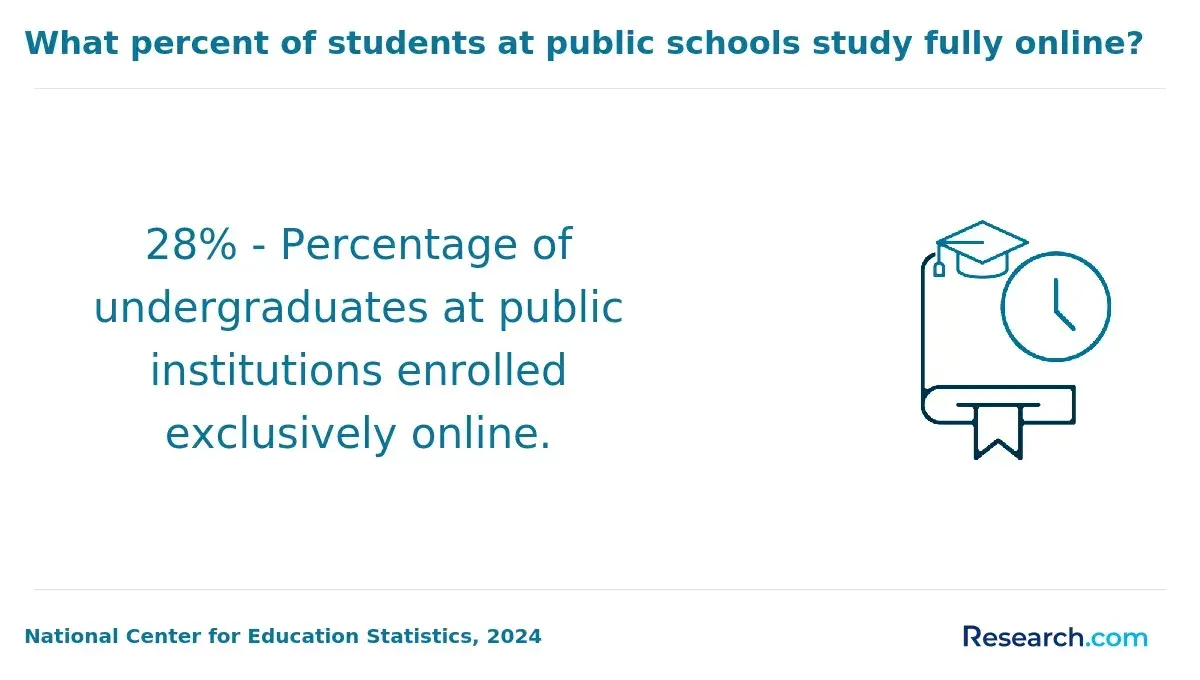
Successful career pivots in public health demand programs designed for working healthcare professionals that align tightly with workforce expectations while respecting clinical workforce realities. Accredited public health programs for healthcare professionals offering flexible, competency-based curricula with targeted concentrations such as epidemiology or health policy reduce redundant coursework and expedite qualification. For example, clinicians transitioning into health education specialist roles-projected by the U.S. Bureau of Labor Statistics to grow 4% through 2033 with a median salary of $63,000-benefit from programs emphasizing community health and communication strategies paired with practicums in healthcare or public agencies.
Working healthcare workers face notable tradeoffs balancing coursework with clinical duties and financing education. The best public health degrees for working healthcare workers mitigate these through asynchronous learning formats and credit for prior clinical experience, preserving income streams and realistic timelines. Employers increasingly seek candidates blending demonstrated public health competencies with clinical backgrounds, especially in hospital systems expanding population health teams.
Assessing program structure with an operational lens matters: selecting specialized tracks aligned with job roles accelerates readiness without diluting relevance. Nurses shifting to community health educator roles, for instance, strategically leverage clinical credits and focus on health behavior promotion rather than generalist foundations. Prospective students may find value exploring easy admission online MPH programs that accommodate these challenges without compromising curriculum rigor.
How do online and campus public health programs compare?
Differences between online and campus public health education hinge on the balance between flexibility and experiential learning, which directly affect readiness for entry-level population health roles. Online programs excel in asynchronous coursework suited for professionals aiming for a strategic pivot without pausing employment, though they often limit spontaneous peer interaction and hands-on experiences. Campus programs, by contrast, provide immersive environments prioritizing community-based practicums and collaborative projects, aspects highly valued by employers seeking demonstrated applied skills.
Employers demanding practical leadership and interpersonal capabilities often lean toward candidates from campus-based programs. However, well-designed online public health program benefits, such as synchronous sessions combined with comprehensive practicum placements, can mitigate these gaps. For example, a hospital-affiliated health educator balancing shifts may find an online route more feasible but must actively seek local fieldwork opportunities to satisfy employer expectations.
Decision-making requires accounting for logistical constraints like commute times and schedule flexibility versus the access to direct mentorship and networking typical of campus settings. Recent graduates targeting governmental public health agencies may gain distinct advantages from campus environments that facilitate internships within policy arenas.
This nuanced comparison highlights critical tradeoffs affecting career trajectories, emphasizing deliberate alignment of program format with individual circumstances and workforce demands. Prospective students exploring online options might also review RN to BSN online programs to understand parallel models of distance learning effectiveness.
What coursework prepares students for population health careers?
Population health coursework must extend beyond theory to meet evolving workforce demands, blending interdisciplinary content with pragmatic skills. Epidemiology and biostatistics provide the analytical backbone employers seek for surveillance, program evaluation, and data-driven decision-making. Yet, graduates who prioritize these alone may falter without complementary fluency in health policy and systems management, which ground their technical knowledge in regulatory realities and clinical workflow complexities. This multifaceted skill set is vital as roles increasingly shift from individual patient care to population-based strategies.
Practical modules focused on community engagement, health informatics, and communication are not peripheral but central, reflecting employer needs for data accuracy and frontline social interventions. For instance, a registered nurse transitioning into a population health coordinator role benefits significantly from targeted studies in social epidemiology and informatics to manage integrated community programs effectively. Conversely, public health analysts embedded in hospital systems must anchor their efforts in biostatistics and policy analysis to impact clinical and resource outcomes at scale.
Considering the projected addition of over 3.2 million public health workers by 2030, programs merging quantitative rigor with experiential learning like internships position students ahead in competitive hiring markets. This applied approach aligns educational outcomes with workforce gaps, ensuring skillsets that address both data complexity and social determinants of health effectively-imperative for those weighing investment in public health education.
What admission requirements do public health programs usually ask for?
Admission standards for public health programs closely mirror employer expectations that prioritize quantitative competence and applied skills from day one. Applicants must generally hold a bachelor's degree in a related field with a minimum 3.0 GPA and demonstrate proficiency in statistics and data management, ideally through coursework or certifications. This emphasis stems from a 2023 survey where over 80% of U.S. employers rated data analysis as "very important" for new public health hires.
Beyond test scores like the GRE or MCAT-which some programs are starting to waive for candidates with relevant professional experience-admissions committees look for clear communication abilities, evidenced through personal statements and strong letters of recommendation. Foundational knowledge in epidemiology, biostatistics, or health policy is often required to ensure readiness to handle complex datasets and policy challenges immediately.
For those pivoting careers, documented work experience related to population health or internships is frequently necessary. These real-world exposures are indispensable in specialties like community health or health informatics where theoretical knowledge alone falls short. Candidates lacking these quantitative foundations risk early program difficulties or diminished job prospects.
Choosing programs integrating data science and applied analytics over traditional curricula can offer a meaningful advantage in employability. This tradeoff matters especially for working professionals balancing immediate workforce impact against academic requirements.
How long do public health degree programs usually take?
The decision to pursue a public health degree requires balancing time commitment with tangible career outcomes, especially for clinically trained professionals considering population health roles. A full-time master's in public health (MPH) typically demands two years, a timeframe aligned with employer expectations for advanced positions and a demonstrated median wage increase-from $49,500 for general occupations to $83,090 for healthcare practitioners integrating clinical and population health as reported by the U.S. Bureau of Labor Statistics. Extending MPH programs to three or four years via part-time or online study accommodates working professionals but may delay realizing return on investment.
Undergraduate public health degrees, usually four years long, provide foundational knowledge but rarely suffice for leadership or specialized roles without further graduate education. Shorter credentials like associate degrees or certificates often fall short of meaningful income or career shifts unless combined with experience or advanced study.
Key considerations include prerequisites that can elongate formal study and employer preferences that limit advancement without a graduate degree. Professionals weighing this pathway must weigh:
- Time versus income gains and workplace competitiveness
- The need for graduate-level credentials for sustained career mobility
- Program format's impact on balancing professional responsibilities and educational demands
This layered assessment helps clarify how program length intersects with strategic workforce integration and long-term positioning within public health fields.
What can you earn in first public health roles in population health?
Starting salaries in population health roles reflect a complex balance between employer type, location, and skill set rather than a fixed range. For example, local health department positions often begin near $52,000, while large hospitals and nonprofits typically offer $65,000 to $70,000, influenced by budget size and funding sources. Federal roles usually have pay scales starting above $60,000, but this does not guarantee faster wage growth. Master's degree holders in Public Health may see median starting salaries around $60,000, yet this baseline masks significant variation tied to analytical competencies and specialization.
Employers emphasize proficiency in biostatistics, epidemiology, and health policy analysis even at entry level. Roles such as community health coordinator prioritize analytical skills over clinical experience, restricting flexible negotiation on salary. The high value placed on these skills partly explains why 72% of Gen Z health career candidates prioritize community impact, alongside realistic income expectations.
Job seekers face tradeoffs between base pay and living costs, especially in metro areas where many positions concentrate. Supplementary expertise in data management or health informatics can accelerate earning potential beyond typical starting salaries. Advancement often depends on incremental wage increases through specialization and leadership rather than immediate high compensation.
- First public health roles vary widely by employer and region, influencing pay
- Analytical skills outweigh clinical background in many entry-level jobs
- Supplemental training in informatics enhances salary trajectory
- Practical wage growth hinges on specialization and leadership capabilities
What job outlook exists for population health careers?
Securing a role in population health increasingly hinges on cultivating networks rather than relying on formal job listings, with over 60% of early-career hires reported by PHERN coming through personal or professional referrals. In practice, this means candidates must demonstrate both relevant experience and relational trust within complex systems. For example, a nurse transitioning into population health at a regional hospital leverages clinical ties alongside community health contacts to access roles such as care coordination.
This prioritization creates significant barriers for those without established connections, particularly career changers or geographic relocators, placing networking-not just qualifications-at the center of employability. To navigate this terrain, sustained mentorships, participation in local public health forums, and active involvement in multidisciplinary teams are essential strategies.
Educational programs that embed internships or practicums better prepare candidates by facilitating early integration into stakeholder networks, a critical factor given how many population health roles demand quick adaptation to diverse collaborators. Contract or volunteer engagements offer practical avenues to mitigate experience gaps and signal commitment in competitive hiring environments.
Ultimately, candidates who recognize and act upon these relational hiring dynamics can substantially reduce their job search duration and improve placement odds by aligning skill development with network access and sector-specific expectations.
What certifications help healthcare workers advance in population health?
Advancing into population health roles demands credentials that align with specific functional expectations and workforce trends. The Certified in Public Health (CPH) credential stands out for its broad validation of foundational knowledge, making it a practical baseline for healthcare workers pivoting into population health. However, for clinical professionals aiming at community engagement or education, adding the Certified Health Education Specialist (CHES) credential sharpens relevant competencies in health promotion strategies. Leadership tracks benefit more from credentials like Fellow of the American College of Healthcare Executives (FACHE), which focus on management skills beyond clinical expertise, including legal and financial dimensions relevant to health services administration.
Tradeoffs between education routes surface clearly when evaluating time, cost, and career trajectory. While certificates such as CPH require less time and maintain currency every five years through continuing education, a Master of Public Health (MPH) degree often unlocks broader policy, epidemiology, and evaluation roles-at a greater investment in both time and resources. Employers also prioritize demonstrated data analytics and health informatics capabilities, making certifications like Certified Health Data Analyst critical for analytics-heavy positions.
The projected 23% growth in population health management jobs through 2034 indicates strong demand for credential stacking tailored to desired roles, whether community outreach, program leadership, or policy analysis. Strategic credential planning, grounded in these realities, mitigates risks associated with narrow specialization or credential obsolescence.
Other Things You Should Know About Public Health
In 2027, healthcare workers can balance clinical duties with population health responsibilities by integrating data analytics for monitoring community health trends, prioritizing preventive care, and collaborating with multi-disciplinary teams to streamline patient care across various settings.
While clinical experience provides valuable insight into patient-level care, applying it to population health requires shifting from individual treatment to broader interventions, which can be difficult. Workers must resist relying solely on clinical intuition and instead embrace data-driven decision-making and cross-sector collaboration. This adjustment is necessary for effective program planning and evaluation, though it demands additional training and mindset shifts that some workers find challenging and time-consuming.
Choosing between public and private sectors depends on career goals and preferred work environments. Public health departments typically offer structured roles with clear population mandates but often have limited resources and slower career advancement. Private organizations may provide more innovation, higher salaries, and flexibility but expect faster results and adaptability to shifting priorities. Prioritizing public sector roles may suit those focused on community welfare and policy impact, while private sector roles favor those seeking dynamic work settings and business-oriented outcomes.
Practical field experience is often more influential than formal education for entry-level roles in population health because it demonstrates real-world problem solving and project management skills. Employers prioritize candidates who can navigate community relationships, implement interventions, and manage data in working conditions. While formal education provides foundational knowledge, it should be complemented with internships or practicums to enhance employability and immediate job performance. Candidates without hands-on experience may struggle to meet employer expectations, regardless of academic credentials.
References
- Top 25 Online MPH Programs (Master's in Public Health) - Healthcare Management Degree Guide https://www.healthcare-management-degree.net/best/online-programs-graduate-degree-public-health/
- Job Outlook and Salaries for Population Health Management | CUNE https://www.cune.edu/news/population-health-jobs
- Why Public Health is the Ideal Career Path for Gen Z - Reach Out https://we-reachout.org/why-public-health-is-the-ideal-career-path-for-gen-z/
- MPH https://www.publichealthdegrees.org/program/masters/mph/
- What can you do with a bachelor's in public health? | edX https://www.edx.org/resources/what-can-you-do-with-a-bachelors-in-public-health
- Tips for applying to an MPH program | PH SPOT https://phspot.org/so-you-want-to-study-public-health-eh-tips-for-applying-to-an-mph-program/
- Schools of Public Health https://www.apha.org/professional-development/public-health-careermart/schools-of-public-health
- How to Get Your First Public Health Job - PHERN https://phern.communitycommons.org/early-career-professional-learning-series/how-to-get-your-first-public-health-job/
- List of Accredited Schools and Programs - Council on Education for Public Health https://ceph.org/about/org-info/who-we-accredit/accredited/
- Public Health Jobs | Job Roles in Public Health https://publichealthjobs.co.uk/blog/job-roles-in-public-health