2027 Best Online Bachelor's in Public Health for Hospital and Health System Support Roles

Co-Founder and Chief Data Scientist
Hospital and health system professionals must rapidly adapt to evolving healthcare regulations, data management demands, and pandemic-driven operational shifts without disrupting patient care. Securing a bachelor's in public health online offers essential flexibility, responding to a 15% annual surge in adult learner enrollment reported by the National Center for Education Statistics, highlighting a decisive shift toward accessible, career-compatible education. This trend reflects how working professionals prioritize programs that minimize career interruption while expanding expertise. Balancing urgent workforce needs with education accessibility creates critical challenges for those pursuing advancement.
This article analyzes the top online public health bachelor's programs tailored to hospital and health system support roles, helping readers identify options that maximize career impact and flexibility.
Key Things You Should Know
- Graduates with online bachelor's in public health face a 15% salary penalty versus on-campus peers, per 2024 National Center for Education Statistics data, reflecting employer skepticism about remote learning tradeoffs in hospital roles.
- Hospitals report 40% growth in demand for public health-trained system support between 2023-2028, emphasizing employer priority on programs integrating informatics and health policy over generic health degrees.
- Average total cost disparities reaching $18,000 for accredited online programs delay workforce entry by six months on average, adding opportunity cost critical for midcareer professionals seeking rapid public health pivots.
What is an online bachelor's in public health and how does it prepare you for hospital roles?
An online bachelor's in public health geared toward hospital career preparation equips students with essential skills in epidemiology, biostatistics, health policy, and community health. This degree is not just theoretical; it demands real-world application such as data analysis and program evaluation to influence patient outcomes, hospital operations, and regulatory adherence. For example, a hospital department employing an analyst with this degree expects accurate interpretation of health metrics to optimize resource allocation and reduce readmission rates, directly impacting operational efficiency.
Employers in health system support roles increasingly require candidates who combine clinical context with administrative capabilities. Programs emphasizing case studies and applied research help bridge this gap, especially by covering healthcare regulations like HIPAA and the Affordable Care Act. Unlike clinical degrees, public health training prepares graduates to create population-level interventions that mitigate systemic risks and improve hospital service delivery over time. However, graduates often face challenges if their education lacks focused courses in health informatics or administrative law, which are critical for aligning with evolving hospital requirements.
The employment outlook for roles tied to this degree is strong: health services managers reported median wages of $110,680, with projected job growth at 28% over a decade, reflecting healthcare's shift toward data-driven decision-making. Practical experience through internships or practicum specific to hospital environments is indispensable for converting academic learning into workplace impact. Prospective students should also consider accredited options such as online health information management degree programs CAHIIM accredited when evaluating pathways.
What hospital and health system support careers can you pursue with this degree?
Hospital support careers with a public health degree require navigating complex healthcare environments where analytical skills meet operational execution. Roles such as population health coordinators leverage epidemiological data to reduce readmission rates and enhance chronic disease management programs within large hospital systems. For example, a coordinator might simultaneously manage programs that align clinical outcomes with reimbursement policies tied to value-based care, demonstrating the interplay between data and financial incentives.
The demand for health system roles for public health graduates has surged by 37% between 2020 and 2023, reflecting employer priorities for candidates proficient in data analytics, health IT systems, and regulatory compliance. Success in these roles depends not only on foundational public health knowledge but also on practical mastery of electronic health records and communication skills that connect clinical staff with community partners.
Key operational tasks often require multitasking across project management, data interpretation, and health education, with an emphasis on cross-sector collaboration and continual quality assessment. However, tradeoffs include moderate entry-level salaries compared to clinical roles and career progression that frequently hinges on additional certification or graduate education.
Graduates should also consider educational pathways that deliver applicable administrative skills-for those exploring options, healthcare administration programs can complement a public health background by broadening expertise relevant to these support positions.
How do online public health bachelor's programs compare to campus-based options for healthcare work?
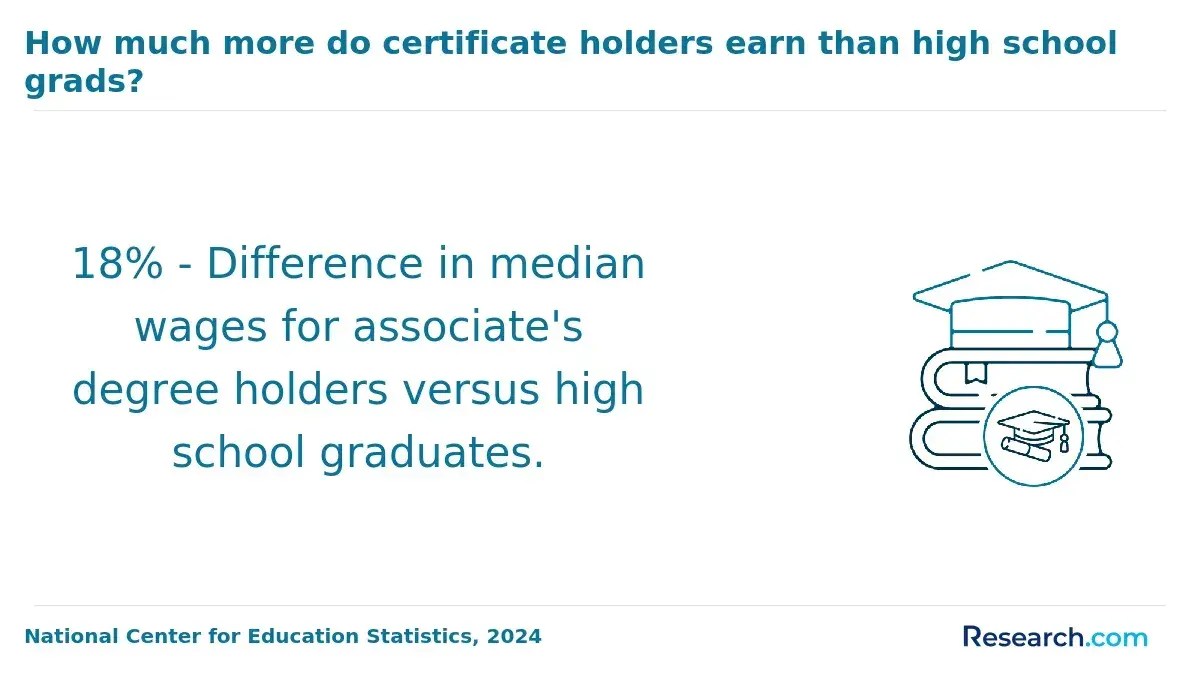
Online public health bachelor's degree programs closely match traditional campus routes in measurable outcomes like salary and workforce readiness, a key consideration for those targeting hospital and health system roles. Graduates from leading online programs such as Simmons University earn median salaries around $65,418 within four years, placing them in the top 5% nationally according to OnlineU's earnings data. This parity indicates employers largely accept accredited online credentials if candidates demonstrate relevant competencies.
The difference lies mainly in experiential components: campus programs offer direct lab access and face-to-face networking with clinicians and hospital administrators. Many online options replicate practical experiences through virtual simulations, remote practicums, and collaborations with local health entities. Students juggling work or family gain flexibility this way, allowing sustained employment while meeting clinical requirements-a critical tradeoff for professionals considering advantages of online public health degrees for healthcare careers.
Employer preference is shifting toward proven skills and certifications in combination with degrees. Campus-based education typically benefits candidates in regions where personal connections influence hiring, especially within hospital systems. Online graduates should actively seek local internships or partnerships to build references.
Decisions depend on your current employment, capacity for hands-on local experience, and the hiring culture's perception of online education. Candidates interested in deeper specialization might also explore the cheapest online MHA programs as a cost-efficient option for advancing beyond a bachelor's degree.
What admission requirements do online public health bachelor's programs typically have?
Admission for an online public health bachelor's degree aimed at hospital roles demands more than a completed high school diploma. Programs typically require transcripts verifying foundational coursework in biology, chemistry, or statistics, reflecting the technical knowledge necessary for health system support positions. Competitive programs may ask for minimum GPAs between 2.5 and 3.0 and sometimes standardized test scores, although these are increasingly optional. Additionally, letters of recommendation help assess candidates' motivation and academic readiness.
Working professionals targeting entry into hospital or health system support roles benefit from accelerated admission tracks that recognize prior healthcare experience, military training, or associate degrees. This pathway avoids redundant coursework and expedites career transitions, but applicants must carefully navigate the submission of official transcripts and possible clinical background checks, which can delay enrollment if not managed early.
Financial considerations significantly impact long-term outcomes; graduates from programs like American Public University System's online bachelor's in public health earn median salaries around $60,675 while accessing some of the lowest tuition nationwide, ranking in the top 11% for earnings relative to cost. Evaluating admission criteria alongside affordability is crucial when comparing program value. Candidates should also review application timelines since institutions may use rolling or fixed annual admissions, affecting readiness for competitive health sector opportunities.
Prospective students researching pathways similar to the bachelor's in public health entry requirements for health system support often explore affordability options, which is why examining the cheapest online RN to BSN programs offers relevant cost comparison insights.
How long does it take to earn an online public health bachelor's and what does it cost?
Program length for an online bachelor's in public health bears strategic weight: employers often interpret timely completion not just as academic diligence but as a signal of project management aptitude and self-motivation. This expectation places accelerated tracks at an advantage for professionals pivoting careers while balancing existing job demands, with full-time paths typically spanning four years and part-time or credit-transfer routes extending up to six.
Students prioritizing cost-efficiency should weigh the significant tuition range-commonly $40,000 to $100,000-against institutional type and residency. Community colleges and public regional universities may reduce expenses through lower per-credit pricing and transfer agreements, effectively shortening time-to-degree without sacrificing foundational knowledge.
Enrollment figures reveal substantial demand and institutional proficiency in supporting online public health education, exemplified by Arizona State University Online's 266 graduates and Southern New Hampshire University's 154,000 online undergraduates. Such scale often translates into better management of flexible scheduling and workforce-aligned curricula but requires scrutiny of credit transfer policies and practicum offerings, which directly impact overall program cost and duration.
For working professionals targeting administrative roles within hospital environments, compressed curricula integrating public health fundamentals with informatics offer timely qualifications. Conversely, those without prior credits should anticipate a multi-year commitment, budgeting accordingly to prevent interruptions that could delay labor market entry or increase financial burden.
What core courses and specializations are included in public health programs focused on hospital support?
Hospital and health system support roles heavily prioritize skills in epidemiology and population health management, evident in over 60% of relevant job postings requiring such expertise. Core coursework in public health programs reflects this, focusing on epidemiology, biostatistics, health policy, and healthcare systems-foundational knowledge central to operational needs. Graduates are expected to translate these skills into actionable insights for disease pattern analysis and intervention evaluation within complex hospital environments.
Specializations diverge primarily between healthcare administration and health informatics, each presenting distinct operational and career implications. Administration paths emphasize finance, regulatory compliance, and leadership, suited for coordinating patient safety and quality control. Informatics focuses on managing electronic health records (EHR) and clinical data integration, demanding strong IT skills and adaptability as technology evolves.
Real-world application often requires balancing these tracks: an epidemiologist informed by informatics might lead outbreak responses or optimize resources based on real-time health data, addressing challenges like infection control and readmission reduction. Programs typically integrate practical projects or internships within hospital systems to expose students to data use and cross-departmental communication obstacles common in healthcare settings.
Choosing between these specializations involves tradeoffs: technical informatics roles require ongoing IT proficiency, whereas administration demands navigating complex regulations and budgeting. Prospective students should weigh these factors carefully to align their education with workplace realities and long-term ambitions in hospital support functions.
How does accreditation work for online public health degrees and why does it matter for hospital jobs?
Accreditation fundamentally shapes employability for graduates seeking roles within hospitals and health systems. Employers prioritize degrees accredited by recognized bodies such as the Council on Education for Public Health (CEPH) because these programs ensure coverage of essential competencies like epidemiology, health policy, and community health practice. Without such accreditation, candidates often face hurdles entering positions involving quality improvement or care coordination, where validated knowledge and protocol familiarity are indispensable.
Hospitals demand current training aligned with federal and state health mandates; non-accredited degrees risk omitting critical operational protocols, undermining both candidate readiness and institutional compliance. Data from the Burning Glass Institute shows over 50% of public health bachelor's graduates employed in healthcare work in hospital-related functions including community outreach and quality assurance, reinforcing the direct correlation between accredited education and relevant workforce integration.
Students should prioritize confirmed accreditation via the U.S. Department of Education or CHEA databases before enrollment, to avoid investing in credits that lack transferability or employer recognition. Accredited programs generally offer superior access to internships and practicums embedded in hospital networks-often prerequisites for securing support roles.
What salary ranges and advancement opportunities exist for public health graduates in hospital settings?
Hospital and health system roles for public health graduates typically start with salaries between $50,000 and $65,000, shaped by location, employer size, and job focus. Progression toward management or specialist positions such as epidemiology coordinators or health informatics leads can raise earnings to $70,000-$90,000 within 5 to 7 years, but this requires targeted skills in data analytics, regulatory compliance, and quality improvement, along with credentials like CHES or CPPS.
Online public health bachelor's programs, including Oregon State University's, illustrate how remote learners can match or exceed their on-campus peers' median salary outcomes, reported at $60,183 four years post-graduation by OnlineU. This is especially advantageous for professionals balancing work and education, reducing opportunity costs without sacrificing early-career pay.
Practically, hospital employers prioritize candidates with demonstrable impact on patient safety and process efficiency. Graduates who engage in cross-training or focus on data-driven interventions often advance faster into leadership tracks, while those centered solely on theory risk remaining in entry-level roles earning below $55,000.
Key skills for advancement include:
- Mastering electronic health record systems and compliance protocols.
- Obtaining professional certifications aligned with hospital standards.
- Improving project management and interdepartmental communication.
Such competencies address employer demands for measurable improvements in health operations, directly influencing a graduate's trajectory and salary potential within integrated health systems.
What is the job outlook for public health professionals working in hospitals and health systems?
Demand for public health professionals in hospital settings is fueled by complex regulatory environments and a growing need to reduce costs through effective population health management. A 17% job growth projection for health services managers through 2032 signals strong market expansion, but the practical challenge lies in integrating data analytics, electronic health records, and multidisciplinary collaboration into daily operations.
Remote and hybrid roles dominate hiring patterns, driven by the accessibility of online public health education, with Arizona State University's program notably leading enrollment nationwide. This model suits candidates seeking flexibility but requires balancing geographic mobility with the need to develop hands-on skills in quality improvement and infection control.
Employers prioritize candidates with cross-functional competencies such as health informatics proficiency, regulatory compliance expertise (including HIPAA), and leadership in clinical settings. Prospective students must evaluate programs for applied practicum opportunities that bridge theoretical knowledge with real-world hospital workflows, a key differentiator for competitive hires.
Choosing an online bachelor's in public health can open diverse roles within hospital quality assurance, community outreach, and data-driven patient safety initiatives. However, ongoing skill refinement in health policy interpretation and clinical collaboration remains essential to sustain employment and upward mobility in this evolving sector.
How can you choose a reputable online public health program aligned with hospital career goals?
Prioritizing accreditation and curriculum specificity is essential when selecting an online public health program aimed at hospital and health system support roles. Accreditation from recognized entities such as CEPH or regional bodies ensures the program's alignment with industry expectations. Not all programs focus on the nuances of hospital environments; those integrating health services management, epidemiology, and tailored data analytics provide better preparation for hospital work settings.
Employment outcomes should guide decisions. With the U.S. health care and social assistance sector expecting an increase of approximately 2.1 million jobs from 2022 to 2032, and health services managers among the fastest-growing occupations, programs offering transparent alumni employment data related to hospital jobs are more reliable for practical career alignment.
Program format impacts networking and mentorship opportunities crucial in hospital contexts. Fully asynchronous models allow schedule flexibility but may limit direct faculty interaction, while hybrid models foster stronger connections and leadership skill development.
For example, a working professional targeting a hospital support manager position benefits from selecting a program tied to regional health systems, offering project-based learning and mentorship. Though this may extend completion time, it enhances relevant competencies and increases promotion prospects within existing healthcare networks.
Other Things You Should Know About Public Health
Hospitals and health systems prioritize regionally accredited degrees, regardless of delivery format. However, online programs with strong clinical or community practicum components carry more weight than purely theoretical options. When choosing an online degree, confirm that it includes practical experience aligned with hospital settings, as employers expect graduates to have hands-on skills, not just academic knowledge.
Work experience is not universally required but significantly enhances learning and job prospects. Students with healthcare or administrative backgrounds grasp hospital operations faster, enabling them to apply coursework more effectively. For career changers without prior exposure, programs that integrate internships or cooperative placements compensate for lack of experience and are advisable to pursue.
Online public health programs typically demand the same credit load and rigor as on-campus degrees but require greater self-discipline and time management. Unlike structured classroom settings, online students must balance asynchronous learning with work obligations, which can be taxing without strong organizational skills. Working professionals should prioritize programs offering flexible scheduling and clear milestones to avoid burnout and ensure steady progress.
References
- Bachelor of Public Health Online | BPH Degree Online | Norwich University https://health.norwich.edu/public-health/bph
- Careers https://www.publichealthdegrees.org/careers/
- Bachelor's degrees in public health | edX https://www.edx.org/bachelors/bachelors-in-public-health-online
- Public Health Career Salaries: What to Expect Across Roles https://www.scuhs.edu/bshs-article/public-health-career-salaries-what-to-expect-across-roles/
- Accreditation https://www.rsph.org.uk/services-resources/accreditation/
- Choosing Your Path: 9 Public Health Concentrations https://publichealth.tulane.edu/blog/public-health-concentrations/
- Best Online MPH Degree Programs for 2025 https://www.princetonreview.com/grad-school-rankings
- What Can I Do With an Online Bachelor’s in Public Health? - MPH Online https://www.mphonline.org/jobs-online-bachelors-public-health/
- 15 Best Online Bachelor's in Public Health - Healthcare Administration Degree Programs https://www.healthcare-administration-degree.net/best/online-bachelors-in-public-health/
- Careers A-Z - Explore Healthcare Careers - Mayo Clinic College of Medicine & Science https://college.mayo.edu/academics/explore-health-care-careers/careers-a-z/