2027 First Public Health Roles for Community-Focused Professionals

Co-Founder and Chief Data Scientist
Facing a demand for community-focused public health practitioners, many prospective students wrestle with balancing immediate workforce needs against rigid program entry requirements and inflexible schedules. The U. S. Bureau of Labor Statistics projects a 13% employment growth for community health roles over the next decade, yet nearly 45% of adult learners report program affordability and accessibility as top barriers, according to recent National Center for Education Statistics data. This discordance forces candidates to carefully weigh enrollment timing, part-time or online options, and credential relevance to ensure career advancement without sacrificing current employment.
This article examines entry-level public health roles designed for community-focused professionals, clarifying program features and workforce expectations to inform strategic educational decisions.
Key Things You Should Know
- Projected 14% growth in community health roles through 2030 (BLS 2024) pressures candidates toward specialized credentials, forcing tradeoffs between broad public health degrees and targeted certifications that employers increasingly demand.
- Employers prioritize adaptable professionals with data analysis and policy navigation skills, causing a workforce shift away from generalist backgrounds toward integrated epidemiology and informatics training, per 2024 CDC workforce surveys.
- Rising educational costs for accredited community-focused public health programs-averaging $20K annually-delay workforce entry for under-resourced students, amplifying disparities in career timing and leadership representation (NCES 2024).
What entry-level public health roles are ideal for community-focused professionals?
Community-focused professionals considering entry-level roles in public health must weigh the tradeoffs between education duration and labor market entry speed. Community health workers, requiring only a certificate or associate degree, allow rapid immersion by leveraging relational skills from related fields like social services. These roles emphasize direct engagement with underserved populations through tasks like health screenings and resource navigation, reflecting the expected 8.4% growth in healthcare and social assistance jobs from 2024 to 2034.
Health educators demand a longer educational timeline, often a bachelor's degree in public health or a related field, to master behavior change theories and data evaluation techniques. This credential opens doors to supervisory and program design roles, aligning well with candidates seeking more strategic positions in introductory public health jobs supporting community outreach. Outreach coordinators require project management acumen and proficiency in grant writing or digital communications, frequently demanding prior field experience.
For individuals balancing urgency and advancement, choosing between these roles means considering workforce realities such as employer expectations and local health needs. Understanding these nuances is critical for realistic career planning.
Prospective students should also be aware that compensation and career progression can vary significantly; for deeper insight into salary expectations linked to advanced degrees, resources on master in health information management salary provide relevant context.
What education and skills do you need for your first public health community role?
A bachelor's degree in public health, epidemiology, biostatistics, or a related health science field is the baseline for most entry-level community roles, but graduates face a nuanced hiring landscape. Employers emphasize quantitative skills, such as data analysis with SAS, R, or Python, as essential for employability-a critical detail often overlooked in discussions of public health education and skills for community roles. Without these competencies, candidates risk being confined to low-wage, limited-growth positions.
Advanced roles often require a master's in public health (MPH) or a related graduate degree, especially for analytical or leadership tracks. However, not all community-focused public health positions demand graduate education; some prioritize certifications and hands-on experience. For instance, a public health professional in a rural health department might concentrate on epidemiologic surveillance and community outreach, contrasting with an urban hospital role that leans heavily on data interpretation and program evaluation.
Employers look for candidates who can:
- Interpret complex health data and communicate findings effectively to diverse audiences
- Design culturally competent outreach programs tailored to specific community needs
- Navigate regulatory frameworks related to health reporting and compliance
The median annual wage for epidemiologists was $83,980 in May 2024, with the top 10% earning over $134,860, reflecting high demand for rigorous quantitative training. Those evaluating pathways for their first community-focused public health position should also consider the burden of graduate education time and cost compared to immediate employability. For individuals seeking flexible graduate education options, programs such as an online masters in healthcare management can offer targeted skills relevant to evolving career goals.
How do degree pathways prepare you for community-based public health careers?
Degree programs that prepare professionals for community-based public health roles must bridge theoretical knowledge with practical skill sets employers demand. Core competencies in epidemiology, biostatistics, health policy, and environmental health establish a foundational expertise, yet the differentiating factor is hands-on experience. Programs embedding practicum placements or community-engaged projects equip graduates to address real-world challenges such as vaccine outreach or localized needs assessments, a necessity for navigating diverse environments from local health departments to federally qualified health centers.
Educational pathways fostering skills for effective community public health practice often confront tensions between intensive theory and the cultivation of soft skills like cross-sector collaboration and cultural competence. Employers prioritize candidates who can combine quantitative analysis with clear communication and partnership-building, especially in underserved urban settings. Successful graduates demonstrate adaptability in both technical and interpersonal demands, a balance essential for meeting complex workforce needs.
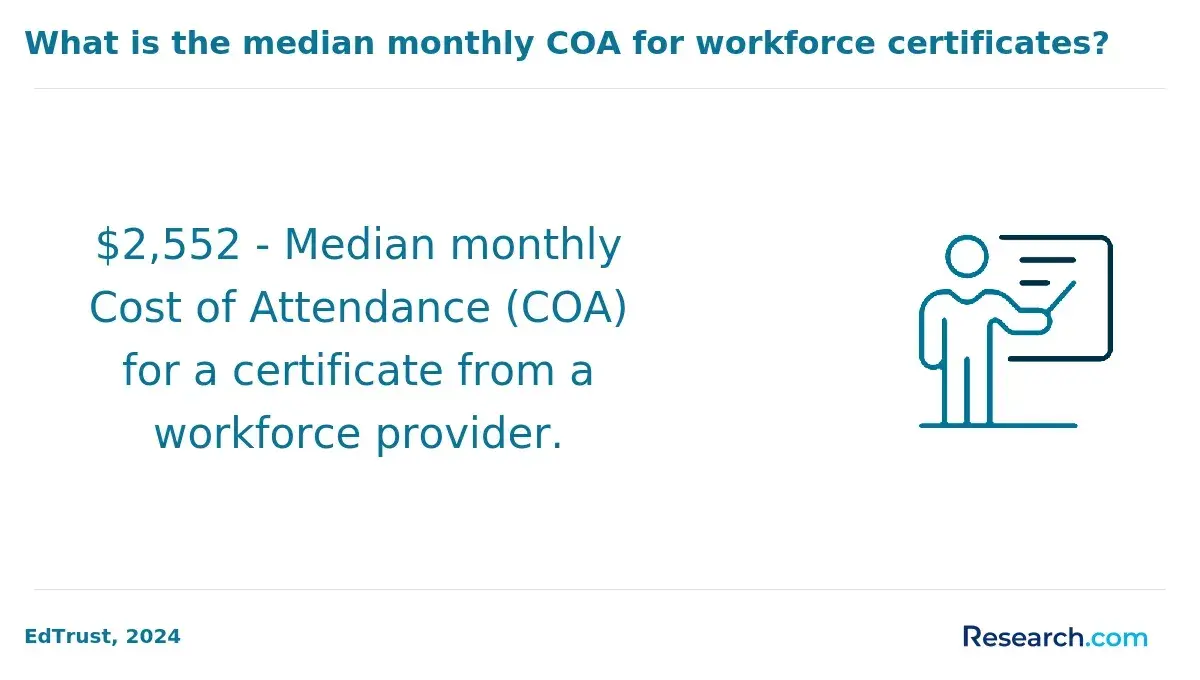
Financial investment remains a critical consideration: average annual graduate tuition around $12,195 for in-state and $24,621 for out-of-state students demands careful ROI evaluation. Choosing programs with applied learning components or dual focuses such as data analytics or social determinants of health influences job placement trajectories and starting salaries. Prospective students seeking flexible options might consider the affordable online MBA healthcare management, which offers targeted management skills within the health sector.
Decision-makers should critically assess curricula alignment with specific career objectives to minimize skill mismatch and improve employment outcomes across federal, state, and local public health markets, where demands evolve rapidly and practical readiness is paramount.
What public health majors and concentrations best support community-focused work?
Community-focused public health majors that emphasize practical skills are better aligned with employer demands than those heavily weighted toward theory. Credentials that integrate outreach program design, health communication, and epidemiology prepare graduates for frontline roles requiring immediate field readiness. For example, graduates working in urban clinics must navigate socioeconomic barriers and effectively communicate preventive care, tasks that rely more on community engagement expertise than on clinical knowledge alone. This reflects why employers value degrees offering practicums, internships, or partnerships with local health departments.
Employment for community health workers is projected to grow by 11% from 2024 to 2034, outpacing average occupational growth. Majors and top public health concentrations for community work often include social and behavioral sciences, which bring critical cultural competence and behavioral change theory necessary for addressing diverse populations. Specialized tracks like Maternal and Child Health or Global Health provide focus but require students to balance immediate employability with long-term career goals, especially if coursework shifts toward grant writing or policy evaluation.
Prospective students should also consider the financial aspect and compare costs carefully. For those evaluating pathways, reviewing RN to BSN online programs cost comparison can offer insight into investment versus opportunity. Overall, successful navigation of community engagement-related public health majors depends on balancing applied experience, sector partnerships, and relevant concentration choices.
How do online public health programs compare with campus options for community roles?
Choosing between online and campus public health programs means confronting a clear tradeoff: online formats offer superior flexibility and accessibility for working professionals, but campus programs provide essential hands-on experiences that employers prioritize. For instance, local health departments typically expect proof of immersive fieldwork such as internships or lab activities, which online students often cannot access consistently. This gap can limit immediate employability in roles demanding direct community engagement, like epidemiology or environmental health.
Positions in data science within public health are expanding rapidly, with a 34% projected growth over a decade. Online programs often emphasize technical skills in AI and data analytics, catering to this trend. However, the absence of campus-based collaborative environments and local partnerships may cause challenges when demonstrating applied leadership or community research experience to employers.
Students targeting rural or underserved areas benefit from campus programs' facilitation of local internships and networking opportunities, critical for job placement. Online learners must compensate by actively pursuing community-based volunteer roles or practicums to build practical skills and connections in competitive markets.
Which accreditation and program quality standards matter for public health degrees?
Accreditation by the Council on Education for Public Health (CEPH) directly shapes graduate prospects and program credibility. Graduates from non-accredited programs often struggle with job placement and eligibility for certifications like the Certified in Public Health (CPH), which remain decisive for employers across government, healthcare, and nonprofit sectors.
Employer demand prioritizes candidates equipped with practical skills in data analysis, epidemiology, and health policy, paired with field experience in actual community settings. For instance, in southern U.S. health departments-which employ roughly 65% of Rollins School of Public Health graduates-work involving rural or underserved populations significantly enhances hiring potential.
Prospective students must scrutinize graduate employment data by geography and specialization to avoid programs lacking transparency or relevance to target industries such as environmental health or global disease prevention. Tradeoffs exist between broad-based programs and specialized ones requiring proficiency in tools like SAS or R, where immediate applied skills outweigh theoretical knowledge.
Career pivots demand confirming alignment between a program's fieldwork and desired job markets, ensuring timely attainment of recognized credentials to bypass entry barriers imposed by quality-focused employers.
What does the typical curriculum for community-focused public health programs include?
Community-focused public health curricula prioritize workforce-ready skills, combining analytical rigor with practical application. Core study areas include epidemiology, biostatistics, community assessment, and program evaluation, all aimed at equipping graduates to navigate and impact diverse, often under-resourced populations. Unlike purely academic tracks, these programs integrate real-world case studies and fieldwork emphasizing social determinants of health, which is critical for addressing needs in settings such as rural areas or immigrant communities.
For example, a graduate employed by a local health department may leverage policy analysis to advocate for safer housing while applying epidemiologic methods to monitor disease outbreaks in vulnerable groups. This alignment with actual employer expectations often requires proficiency beyond theory, particularly in resource management and grant writing due to chronic budget constraints.
The nominal 27% wage increase since 2017 for public health workers has not translated into purchasing power growth, underscoring the importance of skills that improve employability rather than rely solely on salary gains. Internship or practicum experiences embedded in programs provide essential exposure to agency environments, directly impacting job market success; absence of these connections risks diminished workforce readiness.
Effective curricula balance analytical, communication, and operational competencies, validated by accreditation standards while reflecting public health workforce demographics and demands. This ensures graduates remain relevant despite the sector's persistent financial challenges.
What are the admissions requirements and program length for public health degrees?
Applicants to public health programs face a balance of academic readiness and practical expectations that varies with degree type and career intent. Competitive admissions typically require a bachelor's degree from an accredited institution and a GPA around 3.0 to 3.5. While many MPH programs request GRE scores, an increasing number waive them based on professional experience, reflecting shifting priorities toward applied competence. Letters of recommendation, personal statements, and sometimes interviews remain standard, alongside prerequisites in statistics or biology for specialized tracks.
Program duration presents a strategic consideration: full-time MPH degrees generally conclude in two years, while part-time or online formats extend to three or four years, accommodating employed students but potentially delaying entry into full workforce roles. Doctoral studies demand three to five years, largely dependent on research scope. Short-term certificate programs offer skill upgrades within months, lacking the credential depth of degrees.
Consider a government employee pivoting into epidemiology who must juggle work commitments with course schedules. Opting for evening or online courses lengthens study time but preserves income, though delayed degree completion may restrict access to certain positions. Employers emphasize timely graduation within normative durations as an indicator of readiness.
Among 2024 graduates from a major public health school, employment post-graduation was diversified: 24% in academia, 23% government, 18% healthcare, and 18% in for-profit sectors. These outcomes underscore how admissions rigor and program length should align with sector-specific workforce demands and individual career plans to optimize job prospects.
What are the salary ranges and job outlook for entry-level community health roles?
Entry-level community health positions in 2026 offer salaries typically ranging from $38,000 to $55,000 annually, varying significantly by geography and employer type. For instance, rural local government health departments often start near $38,000, while urban nonprofits and healthcare facilities may offer $50,000 or more. Federal and state public health agencies sometimes provide higher pay but usually require added qualifications or experience.
Entry-level community health positions in 2026 offer salaries typically ranging from $38,000 to $55,000 annually, varying significantly by geography and employer type. For instance, rural local government health departments often start near $38,000, while urban nonprofits and healthcare facilities may offer $50,000 or more. Federal and state public health agencies sometimes provide higher pay but usually require added qualifications or experience.
The labor market projects a 13% growth rate for community health roles through 2032, reflecting aging populations and expanded chronic disease prevention efforts. However, candidates without specialized certifications or relevant experience face heightened competition, making internships and hands-on training critical components of employability.
Educational program availability is broad, with 512 colleges offering public health education by 2025, yet program quality and employer connections vary widely. Students must weigh program curricula for practical fieldwork and mentorship opportunities, which directly influence longer-term earning potential and career mobility.
How can you choose a reputable, community-focused public health program in the U.S.?
Prioritizing accreditation by the Council on Education for Public Health (CEPH) is essential when evaluating programs, as it signals adherence to rigorous standards that align academic training with employer expectations. Programs lacking this quality marker often fail to prepare graduates for the complexities of community-based roles or management challenges in health settings.
Programs with strong community engagement curricula, including fieldwork in local health agencies or nonprofits, provide crucial practical experience that enhances problem-solving with diverse populations. This experiential learning is particularly significant considering that medical and health services manager roles are projected to grow 23% between 2024 and 2034, demanding not only public health knowledge but also managerial competencies.
Graduates from programs without integrated management training frequently encounter barriers advancing into leadership within community clinics or public health departments. Additionally, evaluating completion and employment rates reveals program efficacy; schools reporting at least 80% job placement in community health within six months indicate better alignment with market demand.
Working professionals should weigh program flexibility options-such as hybrid or part-time schedules-and scrutinize tuition costs in relation to quality of mentorship and network access. Contacting alumni in relevant geographic areas can offer real-world insights on program reputation and practical applicability, helping to avoid choices driven solely by price or convenience.
Other Things You Should Know About Public Health
The workload for entry-level community-focused public health roles often involves managing multiple responsibilities, including data collection, outreach, and coordination with local organizations. Employers expect a high degree of adaptability and independent problem-solving due to resource constraints and fluctuating community needs. Balancing administrative tasks with direct community engagement is a common challenge, meaning candidates should prioritize developing strong time management and multitasking skills to sustain performance without burnout.
Local community knowledge can be more critical than formal training in the earliest stages of community-focused public health work, as it directly affects trust-building and program relevance. Employers prioritize candidates who demonstrate cultural competence and familiarity with community norms since these qualities improve engagement effectiveness. However, formal public health training remains essential for long-term career growth and understanding systemic health issues. Candidates should balance gaining local experiential knowledge with academic credentials to maximize both immediate impact and future advancement.
Hands-on experience generally outweighs certifications for entry-level community public health positions because employers prioritize demonstrated ability to navigate complex community dynamics. While certifications can enhance credibility, they rarely substitute for real-world program implementation skills and interpersonal effectiveness. Beginners should seek internships, volunteer roles, or part-time community projects to build practical skills first. Certifications can be pursued later to support specialization or leadership advancement, positioning experience as the foundational priority.
References
- Public Health Career Salaries: What to Expect Across Roles https://www.scuhs.edu/bshs-article/public-health-career-salaries-what-to-expect-across-roles/
- Choosing Your Path: 9 Public Health Concentrations https://publichealth.tulane.edu/blog/public-health-concentrations/
- Admission Requirements https://www.ualberta.ca/en/public-health/programs/admissions/admission-requirements.html
- Admissions Requirements https://www.downstate.edu/education-training/school-of-public-health/programs/master-of-public-health/admissions.html
- What do you learn in a bachelor's in public health? | edX https://www.edx.org/resources/what-do-you-learn-in-a-bachelors-in-public-health
- Public Health Needs People With Diverse Skills and Backgrounds—Here Are 9 Careers to Consider https://careercenter.emmanuel.edu/blog/2025/10/23/public-health-needs-people-with-diverse-skills-and-backgrounds-here-are-9-careers-to-consider/
- What Is the Difference Between Public Health and Community Health? https://online.worcester.edu/programs/nursing/msn-public-health/public-health-community-health-difference/
- How to Get Your First Public Health Job - PHERN https://phern.communitycommons.org/early-career-professional-learning-series/how-to-get-your-first-public-health-job/
- Community Health and Public Health | University of Phoenix https://www.phoenix.edu/articles/healthcare/community-health-and-public-health-differences.html
- Why Public Health is the Ideal Career Path for Gen Z - Reach Out https://we-reachout.org/why-public-health-is-the-ideal-career-path-for-gen-z/