2027 Epidemiology Roles You Can Target With a Public Health Degree

Co-Founder and Chief Data Scientist
Facing an urgent public health crisis, professionals must rapidly identify actionable roles aligned with their qualifications-yet many with public health degrees struggle to pinpoint career options that match evolving employer demands. The Bureau of Labor Statistics projects a 17% growth in epidemiology jobs over the next decade, driven by increasing data complexity and expanding disease surveillance needs. However, many programs lack flexible modalities, limiting access for working adults balancing upskilling with job responsibilities. This growing disconnect requires strategic navigation of available roles, accreditation nuances, and credential recognition to optimize career mobility.
This article outlines viable epidemiology career pathways for public health graduates, clarifying practical considerations to inform timely, informed decisions.
Key Things You Should Know
- Employment projections from the U.S. Bureau of Labor Statistics show a 13% growth for epidemiologists through 2031, yet 58% of these roles now require a master's degree or higher, creating a tradeoff between education cost and access speed.
- Healthcare and government employers prioritize candidates with biostatistics and data analytics expertise, increasing demand for multi-disciplinary skills beyond classic epidemiology, pressuring curricula to adapt or risk graduate underemployment.
- Healthcare sector funding variability drives cyclical hiring patterns by region, causing epidemiology graduates to face timing risks when launching careers, particularly in states with heavy reliance on federal grant cycles.
What epidemiology jobs can a public health degree lead to?
A public health degree offers direct access to epidemiology careers with a public health degree, particularly the epidemiologist role, which remains the most widely available and well-compensated. Median wages near $84,000 annually and projected 16% job growth through 2034 clarify the operational demand for these positions, especially within government, healthcare, and research sectors focused on emerging diseases and data-informed health strategies.
Public health degree epidemiology job opportunities extend into specialized niches such as infectious disease analysis, chronic disease epidemiology, and environmental health statistics. For example, an infectious disease analyst in a local health department applies epidemiologic surveillance techniques to contain outbreaks, requiring precise data handling and cross-agency coordination. Mastering specific software like SAS or R and advanced quantitative skills like biostatistics is essential for these roles.
Practical concerns include the frequent need for field epidemiologists to respond swiftly to outbreaks, a task that often challenges work-life balance. Advancement typically demands graduate education or certifications, necessitating a strategic choice between entering data-intensive roles immediately or investing in longer-term research or policy careers. This decision hinges on clear career objectives and a realistic assessment of labor market dynamics.
Prospective students should also consider related paths such as pursuing a CAHIIM accredited health information management degree online to complement epidemiology expertise and broaden employment prospects.
What degree do you need for epidemiology roles?
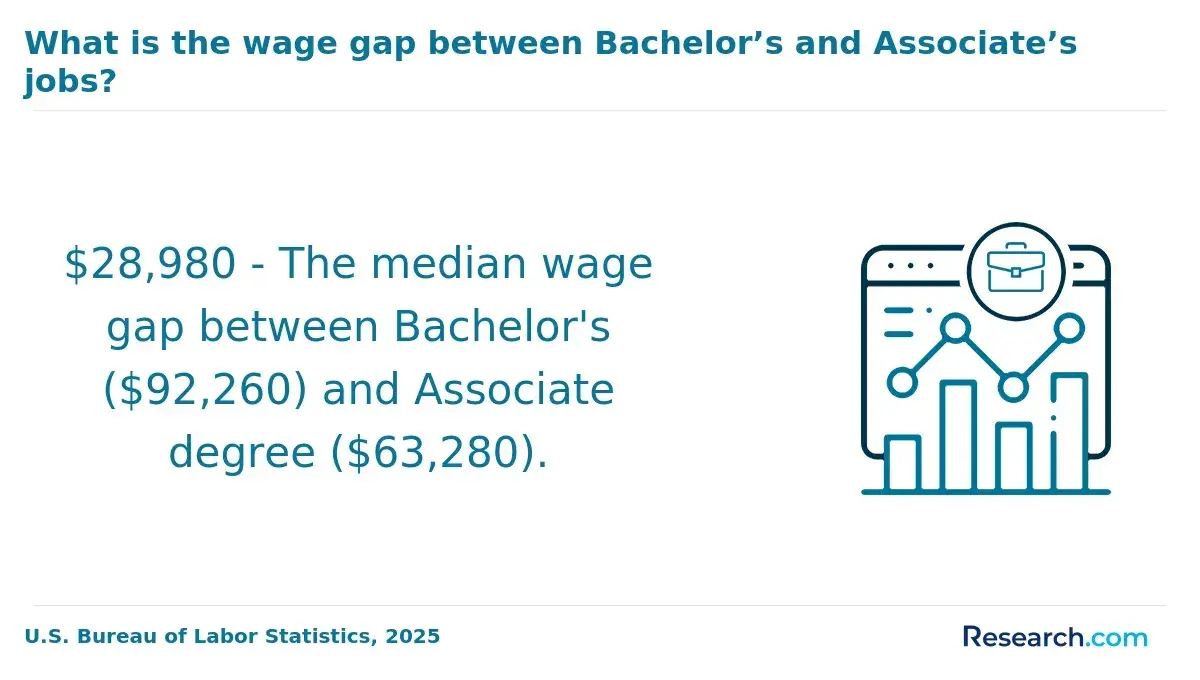
Epidemiology roles based on public health careers typically require a master's degree in public health (MPH) with a focus on epidemiology to meet the threshold for independent practitioner positions. While bachelor's degrees are occasionally adequate for entry-level or auxiliary roles, they rarely satisfy the expectations in government or healthcare organizations, the largest employers in this field.
Employers emphasize applied skills in biostatistics, data management, and epidemiologic methods because they directly influence job effectiveness. For example, a state health department position centered on infectious disease surveillance demands strong statistical programming skills-something some master's graduates may lack. Conversely, advanced roles like study design leadership or outbreak investigation often require a doctoral degree (PhD or DrPH), especially within federal agencies or academic research, where deep quantitative expertise is crucial.
The accreditation by the Council on Education for Public Health (CEPH) remains pivotal in securing public-sector employment and eligibility for government grants. For those balancing work and promoting epidemiology degrees for public health careers, pursuing a specialized epidemiology certificate alongside an MPH can ease transitions by bridging applied skill gaps.
Key practical tradeoffs include:
- Master's programs generally require about two years, enabling quicker workforce entry.
- Doctoral training demands 4-6 additional years but unlocks more research leadership opportunities.
Careful consideration of these differences and the educational requirements for epidemiology jobs shapes strategic career pivots. Additionally, candidates evaluating options should assess financial factors; comparative affordability can significantly influence these decisions, as seen in resources like the healthcare administration degree cost comparisons, which often have overlapping elements with public health cost structures.
Are online public health programs acceptable for epidemiology careers?
Online public health programs for epidemiology careers must be evaluated primarily on their integration of applied training, as purely theoretical online degrees fall short of employer expectations, particularly within surveillance epidemiology roles where practical skills are non-negotiable. For instance, state health departments filling about 800 annual surveillance epidemiologist vacancies require candidates with hands-on expertise in real-time outbreak investigation, typically gained through practicum or hybrid program formats.
Employers do not prioritize the acceptability of online degrees in epidemiology jobs based solely on accreditation; instead, they emphasize demonstrable competencies acquired through fieldwork. Students pursuing fully online degrees should verify that their program offers embedded practicum experiences or partnerships with local agencies, ensuring alignment with workforce demand and realistic role requirements.
Challenges unique to online learners include limited networking and mentorship opportunities compared to on-campus counterparts, necessitating proactive engagement in virtual professional groups focused on epidemiology. Additionally, balancing schedule flexibility and cost-effectiveness with required applied field hours requires strategic planning.
Those considering an online public health pathway should also explore complementary credentials such as a MHA degree which may broaden prospects in clinical or administrative public health sectors where applied skills are critical.
What coursework prepares students for epidemiology work?
The rigor of epidemiology coursework for public health students must align closely with employer expectations, especially as analytics skills become a non-negotiable asset. Core requirements such as biostatistics demand mastery of complex datasets through statistical software, directly influencing job readiness for roles like Senior Data Analyst or Research Assistant. The essential classes for epidemiology careers in public health also include advanced epidemiologic methods focused on causal inference and bias reduction; these directly affect effectiveness in outbreak investigations or chronic disease surveillance within government or healthcare settings.
Applied public health informatics courses that cover electronic health records and real-time surveillance systems enhance preparedness for data-driven decision-making roles. Social determinants of health coursework broadens interpretive frameworks, crucial for addressing disparities in community or occupational health. For students targeting pharmaceutical research, prioritizing clinical trials and pharmacovigilance modules enables robust analysis of drug safety data, while environmental epidemiology demands specialized exposure assessment and toxicology knowledge that contrasts with infectious disease methodologies.
Quantitative reasoning and advanced regression analysis remain indispensable for navigating diverse academic, governmental, or private-sector demands. The practical impact is clear: curricula lacking this balance risk underserving high-demand technical roles that require rigorous data interpretation aligned with the 2024 Bureau of Labor Statistics findings on employer preferences.
Students considering a strategic shift might also explore flexible pathways such as an RN to BSN program, which provides a bridge into allied health roles while complementing epidemiological expertise.
What are the admission requirements for public health programs?
Admission to public health graduate programs hinges on more than academic metrics; practical experience and relevant skills increasingly dominate decisions, especially in epidemiology-focused tracks. Candidates without hands-on outbreak investigation or data analysis experience face significant obstacles, as employers prioritize readiness to operate effectively in field settings. This practical demand often outweighs standardized tests like the GRE, which some programs are phasing out in favor of comprehensive evaluations including professional history and personal statements.
Applicants are generally expected to hold a bachelor's degree with foundational coursework in biology, statistics, or social sciences. Missing scientific prerequisites frequently delays admission, requiring remedial post-baccalaureate classes. For working professionals pivoting into epidemiology or related roles, flexible program formats exist but maintain rigorous academic and experiential standards.
Important admission elements include:
- Minimum GPA around 3.0, though competitive programs may set a higher bar
- Letters of recommendation attesting to quantitative and communication skills
- Detailed resumes showing internships, research roles, or employment in health agencies
- Prerequisite coursework in epidemiology, biostatistics, environmental health, and health policy
The de Beaumont Foundation's workforce research underscores persistent gaps in applied epidemiology skills, highlighting the risk that insufficient preparation can stall career trajectories in this specialized investigative domain. Meeting admission standards that align with workforce demands is critical to avoid costly delays in entering roles such as field epidemiologist.
How long does a public health degree take to finish?
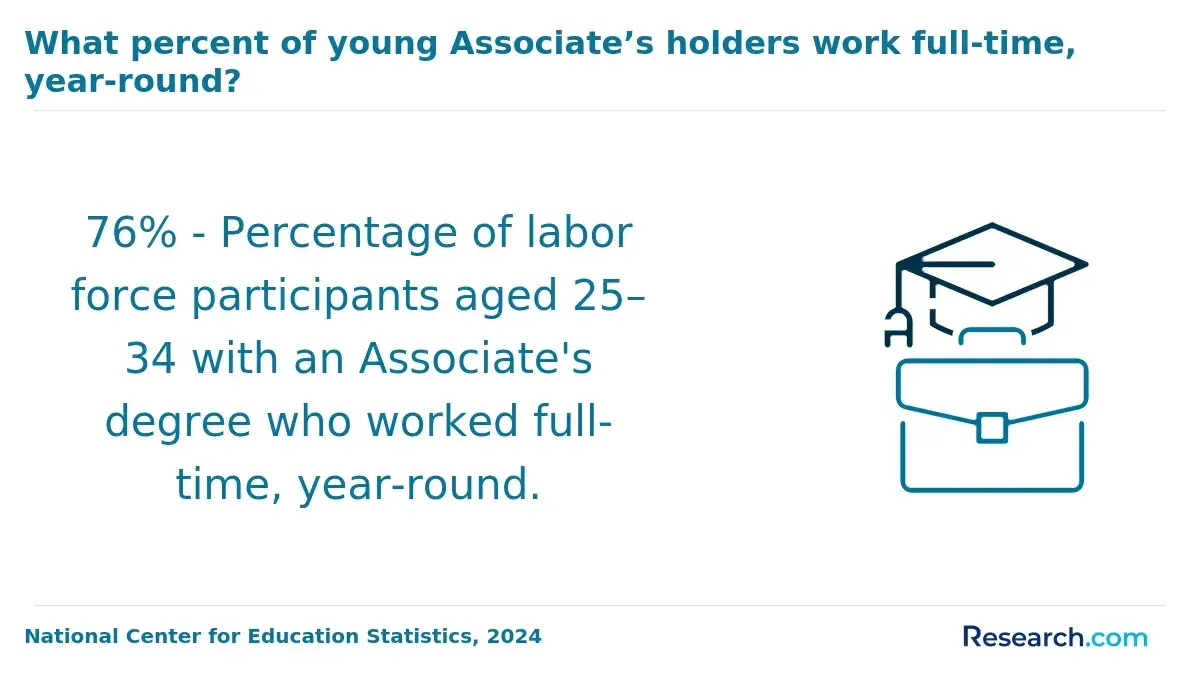
Selecting the appropriate public health degree for epidemiology roles requires balancing time investment against career goals and workforce demands. A bachelor's degree, typically four years full-time, provides core knowledge but may constrain eligibility for specialized epidemiology roles, especially in competitive job markets. In contrast, a master's degree such as an MPH with an epidemiology concentration usually takes 1.5 to 2 years full-time and offers deeper specialization with more direct pathways into the field.
Working professionals who pursue part-time or online formats should anticipate longer durations-often 3 years or more-necessitating disciplined scheduling to manage job responsibilities alongside study. For aspiring infectious disease epidemiologists or researchers, doctoral programs add another 4 to 6 years post-bachelor's but open doors to leadership and advanced research positions that are less accessible with just a master's.
Key tradeoffs include:
- Accelerated master's programs can fast-track entry but may reduce experiential learning opportunities valued by employers.
- Doctoral training demands extended personal and financial commitment with a focus on complex epidemiologic methods and leadership.
- Program format and accreditation critically affect employer recognition in specialized epidemiology subfields.
With epidemiologist employment projected to grow 16% from 2024 to 2034 according to the Bureau of Labor Statistics, timely qualification aligned with target roles is imperative for securing competitive positions. Decisions should pragmatically weigh educational depth, practical experience, and workforce expectations to optimize career trajectory.
How much do epidemiology jobs pay?
Epidemiology roles in 2026 demonstrate clear wage stratification influenced by education, sector, and geography. Clinical research epidemiologists earn a median annual salary of $83,980 per May 2024 U.S. Bureau of Labor Statistics data, but this average masks important variance. Entry-level professionals holding master's degrees typically start in the $60,000 to $70,000 range, while those with doctoral credentials and relevant experience often exceed six figures, particularly in leadership or policy advisory positions.
Positions in government agencies and pharmaceutical companies generally command higher wages compared to academic or nonprofit settings, driven by larger budgets and project scopes. However, these sectors also prioritize skills in biostatistics software, regulatory compliance, and advanced data management, making technical proficiency a critical hiring factor that impacts long-term earning potential.
Geographic location also dictates compensation dynamics; metropolitan areas with clustering research institutions offer better pay but incur higher living costs, while rural jobs may pay less but provide greater employment stability. Prospective epidemiologists transitioning from other public health disciplines should weigh upfront credentialing expenses and possible unpaid internships that delay income against career growth potential.
Students and professionals must evaluate advanced degrees carefully, considering whether the incremental salary gains in their targeted sector justify the cost and time investment, especially given the necessity for continuous skill updating to maintain competitiveness in evolving clinical research environments.
What is the job outlook for epidemiologists?
The 2026 job market for epidemiologists reflects a clear divide between generalists and specialists, with demand concentrated heavily in niche roles such as cancer epidemiology. Employers increasingly favor candidates equipped to handle complex data environments-integrating molecular, genomic, and traditional surveillance systems within government agencies and research institutions.
Securing an entry-level epidemiology position typically requires a master's degree, but advancing within oncology-focused or disease-specific roles often demands additional certifications or specialized training. For example, state health departments managing cancer surveillance are actively recruiting professionals with strong statistical programming skills and familiarity with disease modeling tools.
Geographic disparities create tangible career tradeoffs: urban centers offer more abundant opportunities, while rural areas lag behind, compelling candidates to weigh relocation or remote work carefully. There is also rising competition from data scientists, prompting epidemiologists to develop advanced analytics and programming capabilities to remain competitive.
Prospective students must prioritize educational programs with specialized tracks and applied practicum experiences to align with employer expectations and workforce realities. This focus improves employability and salary potential in focused fields like cancer epidemiology, responding directly to dynamics outlined in the de Beaumont Foundation's workforce brief.
Which certifications help with epidemiology careers?
Certification decisions in epidemiology must weigh tangible workforce outcomes and sector-specific demands. The Certification in Public Health (CPH) remains a practical credential widely recognized by federal and state agencies, supporting eligibility for roughly 800 epidemiologist roles annually through the U.S. Bureau of Labor Statistics. It validates a foundational mastery of public health sciences and ethics essential for disease surveillance positions.
For epidemiologists aiming at hospital or infection control roles, the Certification in Infection Prevention and Control (CIC) demands both formal education and documented infection prevention experience. Employers in healthcare expect this credential to demonstrate expertise in compliance and prevention protocols, which often determines access to leadership positions on infection control teams.
Supplemental certifications like the SAS Certified Statistical Business Analyst can differentiate candidates pursuing data-intensive positions involving biostatistics or epidemiological modeling. While not mandatory, these credentials enhance competitiveness in an analytical job market.
Key tradeoffs involve the time, documented experience, and exam readiness each certification requires. For example, CIC's infection prevention hours requirement may extend candidacy timelines relative to the more academically-based CPH. Employers generally prioritize candidates with verified practical experience alongside technical certification.
Obtaining these credentials influences not only hiring potential but also salary tiers, particularly across government and healthcare epidemiology sectors where credentialing standards directly align with workforce quality benchmarks.
How do you choose a reputable public health program?
Employment outcomes and curriculum relevance form the backbone of effective public health education, especially for epidemiology-focused roles. Graduates placed as Senior Data Analysts or Health Data Analysts illustrate the critical link between academic preparation and labor market demands. A program lacking transparent, verifiable graduate employment data tied to specialized epidemiology functions risks obscuring actual workforce alignment.
Employers prioritize candidates proficient in managing real datasets, using statistical software, and addressing contemporary challenges like health informatics integration. Programs emphasizing these practical skills better prepare students for positions across hospital systems, insurance firms, and government agencies. For example, collaborations with entities such as the CDC directly improve internship and hiring prospects by embedding industry needs within curriculum design.
Tradeoffs exist between study formats: full-time attendance accelerates entry but limits accessibility for working professionals, while part-time or online pathways must ensure equivalent rigor and credential value to avoid diminishing employability. Weighing these factors requires examining not just institutional reputation but granular data on recent graduate job placement in epidemiology-related analytics roles.
Critical evaluation should include:
- Graduate employment rates in analytics and surveillance roles based on post-2024 data
- Curriculum content that integrates hands-on database experience and current public health priorities
- Employer and government partnerships that facilitate applied skill development and career transition
- Program delivery modes aligned with student circumstances without sacrificing credential recognition
Prioritizing these elements aligns candidate choices with market realities and mitigates friction inherent in shifting to epidemiology-centered public health careers.
Other Things You Should Know About Public Health
Students should learn Excel, R, SAS, and basic SQL before applying for entry-level epidemiology roles in 2027. Many employers also expect survey software skills, like REDCap or Qualtrics, plus familiarity with CDC WONDER and basic data visualization in Tableau or Power BI.
In 2027, emerging roles for public health graduates include digital epidemiologist focusing on telehealth data, climate health analyst addressing environmental impacts, and genomic epidemiologist utilizing genetic data for disease tracking. These roles reflect the integration of technology and customized health solutions in the field.
Focus on gaining strong quantitative skills, including advanced statistical software use and programming languages like R or SAS, as employers value these for data-driven decision-making. Additionally, experience with epidemiologic field methods and real-world data collection directly impacts employability. Practical internships or applied research projects will differentiate you more effectively than purely theoretical coursework.
References
- Epidemiology Jobs in Public Health https://www.publichealthcareers.org/jobs/epidemiology/
- Epidemiology https://www.publichealth.org/careers/epidemiology/
- How to Become an Epidemiologist | Guide 2022 https://www.publichealthdegrees.org/careers/epidemiologist/
- Application & Selection Procedure - Europubhealth https://www.europubhealth.org/application-procedure/
- Epidemiologist - Degrees, Certification, Careers https://www.healthcaredegree.com/lab/epidemiologist
- Careers - MPH Online https://www.mphonline.org/careers/
- Epidemiologist Career | How to Become an Epidemiologist in Public Health https://explorehealthcareers.org/careers/public-health/epidemiologist/
- Admission Requirements https://www.ualberta.ca/en/public-health/programs/admissions/admission-requirements.html
- Top 10 Epidemiology Certifications 2025 https://scale.jobs/blog/top-10-epidemiology-certifications-2025
- Top Paying Epidemiology Jobs and Salary Trends in 2025 https://masterspublichealth.com/epidemiology-salary-guide/