2027 Online Public Health Degrees With Applied Epidemiology Concentrations

Co-Founder and Chief Data Scientist
Facing rapidly evolving disease patterns and data complexities, public health professionals must master applied epidemiology to design effective interventions. When traditional graduate programs demand on-campus attendance, working adults and career switchers struggle to access timely training, delaying critical workforce entry.
According to the National Center for Education Statistics, enrollment in fully online graduate programs surged by over 15% in 2023, reflecting growing demand for flexible learning that integrates with professional responsibilities. This shift signals heightened expectations for programs balancing rigor with accessibility-key for students who need immediate, relevant skills to remain competitive in a market where epidemiological expertise drives public and private sector decisions.
This article examines accessible online public health degree options featuring applied epidemiology concentrations, guiding prospective students through factors that affect program quality, flexibility, and career outcomes to solve enrollment and advancement challenges effectively.
Key Things You Should Know
- Graduates with online applied epidemiology degrees report a 22% higher median salary growth within three years, according to 2024 BLS wage data, but programs with less clinical practicum exposure risk limiting employer-preferred hands-on competencies.
- Employers prioritize candidates demonstrating advanced data analytics software skills and real-time outbreak management experience, yet 48% of online curricula still lack integrated simulation modules, creating a skills gap affecting hireability.
- Nearly 40% of students delay enrollment due to upfront program costs exceeding $20,000, while accelerated online tracks reduce opportunity costs by 35%, critical for mid-career professionals balancing income loss and credential timing.
What is an online public health degree with an applied epidemiology concentration?
Choosing an online public health degree with applied epidemiology focus demands balancing technical skill development with the practical realities of remote learning environments. Graduates must master biostatistical software such as SAS, R, or STATA and navigate surveillance systems to meet employer expectations for immediate analytic contributions in settings like outbreak investigations or chronic disease management.
While these programs enhance quantitative expertise crucial for roles in federal agencies or state health departments, candidates face limitations including reduced access to in-person internships. Programs integrating virtual simulations, remote data projects, or collaborations with health departments help mitigate these constraints by offering realistic, practice-based learning experiences. Evaluating curricula for current epidemiologic methodologies and real-time data training ensures workforce readiness.
The U.S. Bureau of Labor Statistics reports a 2024 median annual wage of $78,520 for epidemiologists, with top earners exceeding $141,480, highlighting the financial value of applied epidemiology concentration in online public health programs. Early-career roles prioritize rapid analytical responses to evolving health threats, such as pandemic monitoring or vaccination assessment, where practical skills outweigh theoretical knowledge. Students and professionals pursuing this path should also consider programs like the best CAHIIM accredited HIM programs online for complementary health data management skills.
How do online applied epidemiology programs compare to campus-based public health degrees?
Choosing between online applied epidemiology versus campus public health programs requires assessing how each format aligns with employer expectations and practical readiness. Campus programs provide direct access to local health departments, enabling students to engage in real-time outbreak investigations and in-person collaborations that employers in governmental or community health settings prioritize. Conversely, online epidemiology degrees emphasize flexibility and use virtual case studies and simulated data to develop critical thinking for remote public health roles, a fit for expanding telehealth and data reporting demands.
Employment of epidemiologists is projected to grow 27% from 2022 to 2032, with employers seeking graduates who contribute immediately to complex data analysis while adapting to emergency and diverse environments. Campus students often enter the workforce with validated fieldwork experience and established local partnerships, whereas online learners must secure internships proactively to compensate for less face-to-face immersion.
To optimize outcomes, students pursuing online programs should integrate applied learning early, partnering with local public health agencies or research projects. Campus students should leverage interdisciplinary networking on-site. This practical tradeoff frames the decision: online formats facilitate a career pivot or continuity without interruption, while campus degrees offer deeper experiential immersion. For those evaluating options, consider the potential impact on employability and hands-on skill development rather than generic program promises.
Additionally, those interested in public health administration may explore a healthcare administration degree online accredited for complementary career pathways.
Which accredited schools offer online public health degrees in applied epidemiology?
At least 20 accredited U.S. schools now provide fully online or hybrid MPH degrees with epidemiology or applied epidemiology concentrations, notably more than a decade ago. These accredited online public health programs with epidemiology concentrations primarily come from flagship institutions with CEPH accreditation, including major Big Ten universities and schools like the University of North Carolina at Chapel Hill, George Washington University, and the University of South Florida. The distinction between fully online and hybrid formats is critical: fully online options cater to geographically dispersed professionals seeking flexibility, whereas hybrid models offer essential applied practice that aligns with state and federal employer expectations.
Employers value graduates who demonstrate hands-on skills in outbreak investigation, data analysis, and community health assessment. Candidates aiming for advanced epidemiologist roles within agencies like the CDC should prioritize programs with embedded practicum elements and real-world applied learning. Logistical tradeoffs also matter. For example, a nurse transitioning into epidemiology might opt for hybrid programs that integrate weekend seminars and regional practicum opportunities, while remote learners may require high-quality virtual simulation-based curricula.
Prospective students searching for which online MPH programs are easiest to get into should critically assess how delivery mode affects accreditation, licensure prospects, and workforce alignment. More practical information about these degree options is available through resources like which online MPH programs are easiest to get into.
What courses and skills are typically included in an applied epidemiology concentration?
Applied epidemiology courses in online public health programs focus on technical skills essential for immediate workplace demands, including biostatistics, outbreak investigation, disease surveillance, and data management. Practical competencies cover designing studies, analyzing health data using statistical software, and communicating findings to diverse stakeholders, ensuring epidemiologists can adapt research to inform local interventions. Geographic information systems (GIS) and data visualization are increasingly integrated to analyze spatial disease patterns, a requirement for roles in governmental and healthcare settings where location-specific strategies guide resource allocation.
Essential skills taught in public health epidemiology concentrations also include public health informatics and understanding ethical considerations tied to managing sensitive health data amidst expanding digital infrastructures. Professionals must be proficient in tailoring risk communication to policymakers and community leaders-a skill critical for impactful intervention across infectious and chronic disease domains.
Employers expect candidates to respond rapidly to emerging health threats, such as hospital epidemiologists adjusting protocols based on infection trends or environmental health specialists developing exposure mitigation. This emphasis on situational judgment and adaptable problem-solving distinguishes applied programs from theoretical curricula. Notably, by 2025, leading online MPH programs including UNC Gillings and Kent State removed GRE requirements, reducing entry barriers and accelerating transitions for working professionals.
Those seeking the most accessible routes should compare degree options carefully, as cost varies widely. For instance, you can explore the cheapest online RN to BSN programs to evaluate financial commitments alongside program quality.
What admission requirements do online applied epidemiology public health programs have?
Admissions to online applied epidemiology public health programs prioritize candidates demonstrating both academic readiness and relevant experience. Holding a bachelor's degree in health sciences, biology, or a closely related field is standard, alongside a GPA usually above 3.0. Verified proficiency in statistics and biology, via transcripts or prerequisite coursework, forms a foundational requirement. GRE scores remain in use by some programs, though many have waived this criterion since 2024, reflecting a shift toward valuing documented professional or research involvement more heavily.
Applicants with healthcare or public health agency experience usually navigate the competitive selection process with an advantage, especially for limited or grant-funded seats. Essential application components include recommendation letters that validate analytical aptitude and a statement of purpose aligned with epidemiology's data-driven decision-making demands. Missing these elements often delays admission or weakens candidacy.
International candidates encounter additional layers, such as proof of English proficiency through TOEFL or IELTS and strict degree equivalency validation. Fieldwork necessities may also trigger background checks and immunization verification.
Financially, students must weigh credit costs against total credit load. For example, Drexel University's discounted online MPH rate at $1,062 per credit presents a significant tuition reduction compared to its $1,416 campus rate, but total costs depend on the required 42 to 48 credits completed. Application fees and obligatory online modules further factor into upfront investment, serving as early filters for preparedness prior to full program acceptance.
How long do online applied epidemiology degree programs take and what do they cost?
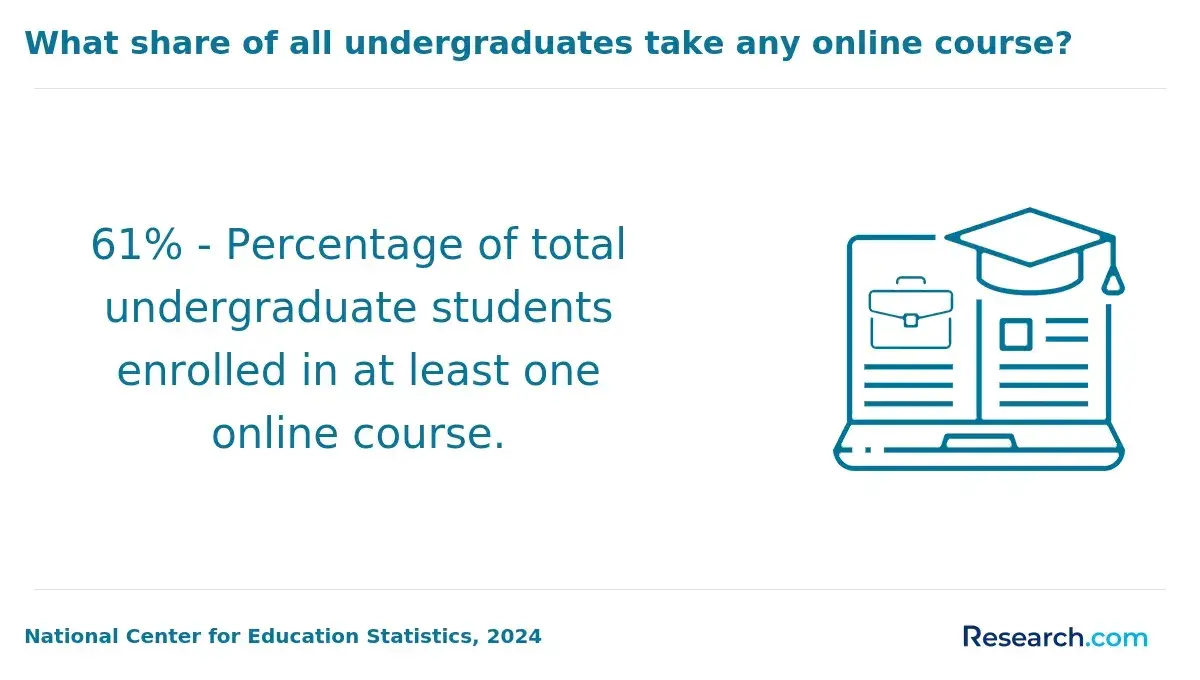
Choosing an online applied epidemiology degree requires balancing program length, cost, and practical training, each with significant career impacts. These degrees typically span 18 to 36 months, though accelerated tracks reduce this to 12-18 months at the expense of increased weekly demands, which may strain working professionals.
Cost differences are substantial: in-state public universities usually charge $15,000 to $30,000, while private programs range from $35,000 to $60,000, excluding fees for technology and practicum placements. Hands-on experience is essential; for example, UNC Gillings' online MPH mandates a 200-hour practicum within a 42-credit curriculum. This fieldwork is increasingly expected by employers who need graduates able to convert data into actionable public health interventions immediately.
Practicum logistics often extend timelines when placements involve background checks or require formal agreements. Those relying on employer sponsorship or part-time enrollment should anticipate these delays. Programs emphasizing practical experience correlate strongly with higher initial salaries and faster advancement in government or NGO roles, as workforce reports from the Association of Schools and Programs of Public Health confirm.
- Shorter, less expensive programs risk insufficient real-world exposure, limiting readiness for data-centric roles.
- Longer, practice-intensive programs demand more time and resources but yield better marketability and career momentum.
Effective planning around practicum requirements and transparent evaluation of program design are critical to ensuring that degree investments translate into tangible employability outcomes.
What careers can you pursue with an online public health degree in applied epidemiology?
Choosing an online public health degree with a focus on applied epidemiology directly aligns with workforce demands in government and healthcare sectors but involves clear tradeoffs. State-level epidemiology roles typically offer median salaries near $75,950 and benefit from stable funding and pension plans, yet the hiring process can be slow and bureaucratic. Conversely, positions in private firms or nonprofit research may expedite career growth but lack comparable job security.
The practical skillset centers on creating disease surveillance systems, executing statistical modeling, and communicating complex risk data in accessible terms. Mastery of biostatistics software and geographic information systems (GIS) is increasingly essential, especially given employers' emphasis on rigorous data interpretation coupled with clear public messaging.
Distinct work environments shape daily responsibilities:
- State and federal agency roles emphasize policy advising and public health reporting.
- Hospital epidemiologists navigate complex electronic health records and interdisciplinary coordination.
- Outbreak responders engage in fieldwork requiring rapid data adaptation.
- Research positions prioritize longitudinal studies and grant writing.
Prospective students should weigh how each sector's operational realities intersect with their career priorities. Applied epidemiology graduates expanding their expertise in advanced statistical tools and cross-sector collaboration are better positioned for fast-evolving employer requirements documented in recent workforce analyses.
What salary ranges and earning potential are common in applied epidemiology roles?
Applied epidemiology salaries vary widely by sector, experience, and location, with entry-level roles typically starting between $65,000 and $75,000. Mid-career professionals in federal agencies or larger healthcare organizations often see salaries above $90,000, while top specialists in private industry, including pharmaceuticals and biotech, earn $100,000 to $110,000 or more. This range reflects differing employer priorities and geographic cost-of-living adjustments, which can add 10-20% to compensation, particularly in metro areas.
- Federal agencies such as CDC or NIH typically pay more than local health departments, which often align with national medians.
- Advanced skills in data analytics or bioinformatics push salaries beyond $95,000, emphasizing the premium on quantitative expertise.
- Geographic location significantly impacts earning potential due to regional market demands and living costs.
Applicants considering online MPH programs with applied epidemiology concentrations should note that academic equivalency with on-campus programs does not guarantee equal employer valuation. Practical experience, demonstrated impact in public health surveillance, and outbreak response often outweigh degree format, especially for career changers. Specialized certifications and targeted fieldwork reduce entry barriers and accelerate advancement.
Professionals combining epidemiology with cross-sector collaborations-such as healthcare systems or community health initiatives-tend to achieve stronger, faster salary trajectories, reflecting growing employer demand for integrated public health competencies.
What is the job outlook and demand for epidemiologists and applied public health professionals?
Employers increasingly demand epidemiologists who combine core epidemiologic skills with data science and project management capabilities, reflecting a shift toward hybrid roles in public health. Agencies involved in pandemic response, for example, expect professionals who can analyze complex datasets rapidly while coordinating across interdisciplinary teams. This trend is reshaping traditional expectations and creating positions that straddle data analyst, project manager, and epidemiologist functions.
The U.S. Bureau of Labor Statistics projects a 13% employment growth for epidemiologists from 2022 to 2032-faster than average-but practical hiring already favors candidates with additional technical expertise. Epidemiology credentials alone rarely secure leadership or advanced analytic roles without proficiencies in programming languages such as R or Python, alongside project management methodologies. Without these skills, graduates may remain confined to entry-level investigative roles rather than securing data-driven decision-making responsibilities.
This evolving landscape involves balancing rigorous epidemiologic methodology with resource-constrained, real-time execution in settings like state health departments and biotech firms. Candidates face a tradeoff between methodological depth and operational agility, underscoring the value of continuous education to sustain competitiveness. Understanding how online MPH epidemiology tracks incorporate such competencies provides an essential lens for prospective students planning strategic pivots or growth in applied public health.
How can you evaluate and choose a high-quality online applied epidemiology program?
Programs in applied epidemiology must be scrutinized for how well they prepare students for evolving workforce demands, especially remote data collection and digital health analytics-skills underpinning the projected 27% employment growth through 2032. Accreditation by CEPH or equivalent bodies not only signals academic quality but also affects employer recognition and graduate eligibility for advanced roles.
Graduation and job placement statistics should be examined specifically for applied epidemiology tracks rather than broader MPH outcomes. For instance, graduates equipped with hybrid or remote project management capabilities tend to secure state or local public health roles more rapidly and command better starting salaries.
Practicum and capstone opportunities are pivotal. Professionals transitioning from clinical settings must confirm that field placements accommodate virtual collaboration, while those targeting federal agencies should seek programs offering research partnerships and government internships. Technical infrastructure matters: robust learning platforms that support both synchronous and asynchronous modes improve mastery of epidemiologic modeling and biostatistics.
Programs offering mentorship from faculty engaged in current digital epidemiology provide a critical bridge between theory and workforce applications. Students should also verify pathways to certifications like Certified in Public Health Epidemiology (CPH-EP), since these credentials increasingly influence hiring decisions and reflect competency equivalency between online and in-person learning formats.
Other Things You Should Know About Public Health
The workload combines intensive data analysis, statistical coursework, and applied research projects, often requiring 15-20 hours per week outside of scheduled classes. Students balancing work or family should prioritize programs with flexible deadlines and asynchronous content. Rigid program structures that require live participation increase stress and reduce the ability to manage competing responsibilities effectively.
A specialized applied epidemiology concentration is best if you target a career in data-driven disease surveillance or outbreak response roles. However, broader MPH programs offer flexibility for shifting career interests and might include leadership or policy training absent in niche epidemiology tracks. Prioritize a specialized concentration if you have a clear epidemiology career goal and seek technical expertise over administrative roles.
Programs with required practicum or fieldwork components significantly enhance readiness by providing hands-on experience with actual public health data and response scenarios. Avoid programs that rely solely on theoretical or simulated assignments. Confirm that clinical placements or partnerships with health agencies are part of the curriculum to gain practical skills demanded by employers.
References
- Epidemiologist Career | How to Become an Epidemiologist in Public Health https://explorehealthcareers.org/careers/public-health/epidemiologist/
- Best Master's Epidemiology https://www.masterspublichealth.net/best/online-masters-epidemiology/
- Best Online MPH Degree Programs for 2025 https://www.princetonreview.com/grad-school-rankings
- training https://appliedepi.org/training/training.html
- Best Online Programs: MPH in Epidemiology https://www.onlinemastersdegrees.org/best-programs/public-health-mph/epidemiology/
- Epidemiologist Career Guide | Salary & Education https://www.publichealthonline.org/epidemiology/
- Explore Online MPH Degree Programs to Find the Best for You https://teach.com/online-ed/healthcare-degrees/online-masters-public-health/
- 15 Best Jobs in Epidemiology - MPH Online https://www.mphonline.org/epidemiology-careers/
- Public Health Career Salaries: What to Expect Across Roles https://www.scuhs.edu/bshs-article/public-health-career-salaries-what-to-expect-across-roles/
- Online Master's in Public Health (MPH): Review Top Programs https://www.degreesforgood.org/online-degrees/public-health-programs/masters-mph/