2027 Best Online Public Health Degrees for Health Policy Careers

Co-Founder and Chief Data Scientist
Mid-career professionals aiming to transition into health policy often confront a bottleneck: balancing rigorous, accredited education with work and family obligations. Traditional programs frequently demand full-time, on-campus attendance, limiting access for those who cannot pause their careers. According to the National Center for Education Statistics, over 40% of graduate students in health-related fields are now enrolled exclusively online, marking a seismic shift toward flexible learning that aligns with professional schedules. This change reflects increasing recognition that accessibility and adaptable pacing are critical to expanding the health policy workforce.
This article identifies the best online public health degrees tailored for career advancement in health policy, emphasizing program flexibility, employer reputation, and measurable career outcomes to guide informed decisions.
Key Things You Should Know
- Employment data from the U.S. Bureau of Labor Statistics projects a 12% growth in health policy analyst roles by 2032, favoring degrees with policy-specific coursework over broader public health programs, impacting hiring preferences.
- The average online health policy degree completion time ranges 18-30 months with employer tuition support influencing program choice; longer durations pose opportunity costs for mid-career professionals seeking rapid pivots.
- Programs emphasizing quantitative policy analysis show 15% higher employer hiring rates versus qualitative-only tracks, indicating workforce demand for analytics skills despite narrower curriculum scope tradeoffs.
What is an online public health degree and how does it prepare you for health policy careers?
Online public health degree benefits for health policy careers depend heavily on the program's integration of applied policy skills and economic evaluation within a flexible format suited for working professionals. A key tradeoff arises when programs lack robust practicum opportunities, leaving graduates less prepared for operational roles despite strong theoretical foundations. For instance, a policy analyst addressing opioid use disparities in state health departments requires proficiency in data-driven decision-making and stakeholder engagement-skills that align closely with the practical emphasis of successful online MPH programs.
Employers prioritize candidates who demonstrate not only mastery of epidemiology and biostatistics but also measurable outcomes in health informatics and program implementation. Programs embedding synchronous interaction and field experiences improve readiness for the realities of health policy roles, whereas those without may produce graduates challenged by congested job markets and administrative demands.
Prospective students evaluating how an online public health program prepares for health policy roles should consider accreditation status, faculty expertise in relevant fields, and the accessibility of experiential learning components. Prioritizing programs with proven placement metrics in government agencies or nonprofits is critical to career viability. Additionally, workforce entrants might explore related paths such as online MSN PMHNP programs if their interests span behavioral health policy or mental health services integration.
Which online public health degrees are best for launching or advancing a health policy career?
Best online degrees in public health for health policy careers are distinguished less by volume than by the precision of skills they cultivate in policy analysis and stakeholder engagement. Government agencies hiring public health analysts prioritize candidates versed in healthcare financing models and federal policy frameworks, which accredited programs routinely include but vary widely in practical depth. Students seeking to advance health policy roles must balance program flexibility with immersive experiences; self-paced MPH degrees may suffice for foundational knowledge but often lack the practicum exposure that direct policy drafting and stakeholder negotiation demand.
Programs that embed real-world simulations or mentorship by policy professionals offer measurable advantages for employment in competitive federal or state roles, especially where legislative analysis and regulatory affairs are daily tasks. Graduates targeting health insurers or advocacy groups encounter different demands, requiring sharper skills in strategic communication and legislative advocacy rather than broad epidemiological methods. These tradeoffs extend to balancing tuition costs, program length, and networking prospects, with employer preference increasingly leaning toward candidates presenting documented policy internships or capstone projects within recognized institutions.
The availability of 55 health policy degrees for 2025/2026 reflects growing supply, yet prospective students must scrutinize curricula for relevance to ongoing health reform debates and labor market realities. Evaluating program outcomes against agency hiring patterns in entities like the CDC or state health departments remains critical to avoid overvalued credentials.
For those evaluating pathways, options like the healthcare administration degree online can offer alternate or complementary routes, especially for professionals targeting administrative leadership roles within health policy-focused organizations. Decision-making should weigh explicit employer expectations and the specific policy competencies each program develops.
How do online public health programs compare to campus-based options for health policy training?
Deciding between an online public health degree versus campus programs for health policy hinges on balancing flexibility against networking access and experiential opportunities. Employers increasingly accept online MPH credentials when candidates clearly demonstrate equivalent competencies, reflecting a shift toward valuing measurable skills over physical presence. For working professionals, online programs offer crucial scheduling adaptability, eliminating geographic constraints while allowing immediate continuation of employment.
However, this convenience comes with tradeoffs. On-campus programs facilitate direct relationships with faculty and peers, as well as access to local internships, which are often critical for roles such as public health policy analysts embedded in government agencies. These internships provide hands-on experience with local health systems and real-time policy environments, an advantage less accessible through remote study.
The benefits of online versus traditional public health education in the United States thus depend heavily on program design elements-cohort engagement, synchronous coursework, and integrated applied learning-to offset remote learning's isolation. Successful candidates must proactively build professional networks and manage self-directed timelines, particularly for capstone projects or practicums.
MBA healthcare management pathways may also interest those seeking broader management roles in health policy, linking policy expertise with organizational leadership and financial acumen.
What accreditation and program quality standards should online public health degrees meet?
Employers in government and nonprofit sectors consistently demand graduates from online public health degree programs that meet strict accreditation standards, primarily from recognized bodies such as the Council on Education for Public Health (CEPH). Accreditation is not just a credential; it ensures that curricula cover critical skill areas like epidemiology, biostatistics, health policy, and environmental health-directly affecting job readiness and credibility for positions in health policy. Degrees without CEPH or equivalent regional accreditation often require graduates to acquire additional certifications or professional experience to gain comparable recognition.
The practical value of program quality criteria for online public health degrees extends beyond accreditation. Programs that integrate data-driven decision-making and offer applied internships or collaborations with local health departments provide essential real-world experience. These opportunities serve as a decisive factor for employers evaluating candidates for policymaking and program evaluation roles. Students should carefully assess how internships are structured to navigate state licensure variability and agency partnerships, as purely theoretical programs limit career mobility.
With over 288 public health degrees available in the USA for 2025/2026, selective filtering by accreditation, faculty expertise, and alumni outcomes is critical for those pivoting careers. One should also consider the differences in program delivery models, such as hybrid ABSN programs, to weigh flexibility against practicums and networking opportunities. Choosing wisely impacts long-term employability and professional advancement in a competitive, evolving workforce landscape.
What health policy courses and specializations are typically offered in online public health programs?
Success in online public health programs focused on health policy hinges on aligning coursework with targeted workforce roles. For example, candidates aiming for government agency positions must prioritize classes in policy analysis and legislative advocacy, while those targeting health insurance or hospital administration should focus on healthcare financing and management. This strategic course selection directly impacts employability and the ability to meet employer expectations for actionable policy insights.
Key curriculum components typically include epidemiology, biostatistics, health economics, and healthcare systems analysis, complemented by specialized subjects like policy development, program evaluation, health law, and ethics. Programs often incorporate applied research methods and practicum experiences designed to build proficiency in interpreting complex data and drafting effective policy briefs within budget constraints.
Practical considerations such as flexible pacing and credit transfer mechanisms are essential for working professionals balancing education with job responsibilities. Overlooking these logistics can extend program duration and defer career progress, thereby diminishing return on investment.
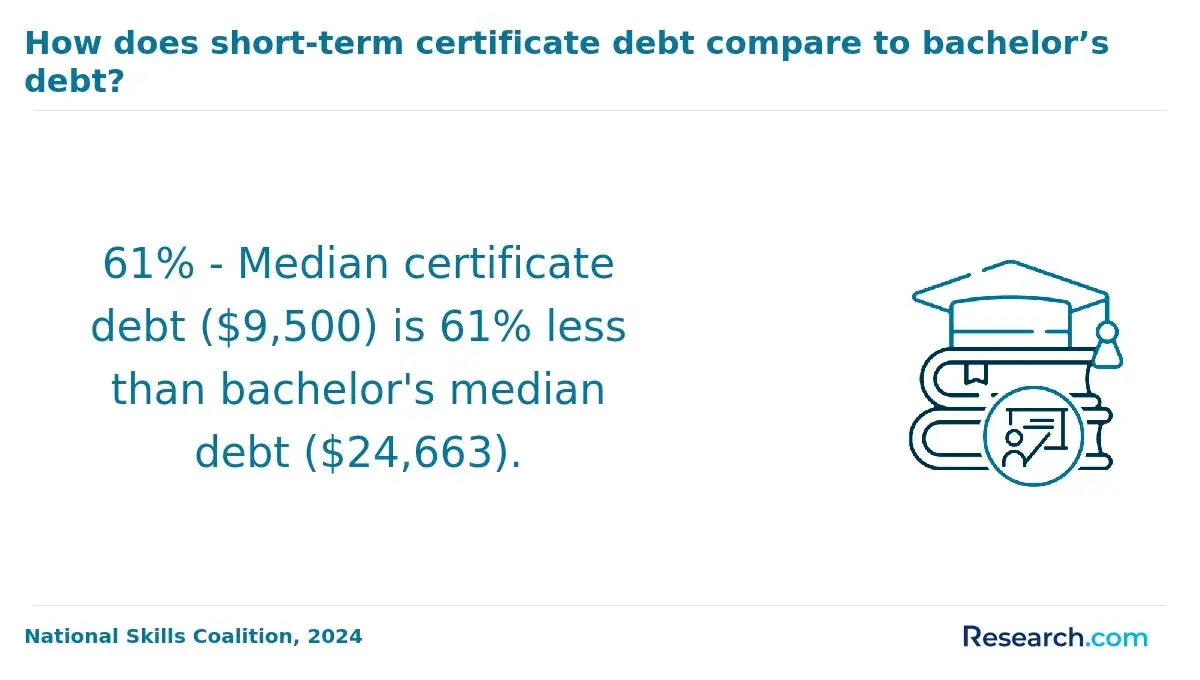
Affordability is another critical factor. According to Learn.org, the average total cost for an online public health degree hovers around $24,000, emphasizing the need to weigh educational expenses against probable salary gains in roles like policy analysis or nonprofit leadership that require both quantitative and qualitative expertise.
What are the admission requirements and application steps for online public health degrees?
Admission for online public health degrees generally demands a bachelor's degree with a minimum GPA around 3.0, though some programs accept lower GPAs if supplemented by relevant work experience. GRE requirements are diminishing, particularly for applicants with advanced degrees or professional experience, reflecting shifting priorities towards practical competencies. Early coordination with admissions is necessary for programs requiring in-person practicums, background checks, or immunization records-conditions that complicate enrollment for remote learners.
Application expectations emphasize targeted materials:
- Official transcripts verifying academic readiness
- Two to three recommendation letters from professionals or academics familiar with the applicant's analytical and policy-related skills
- Personal statements aligned specifically with public health policy objectives, not generic career goals
Choosing between standard and accelerated tracks directly impacts workload and career continuity. For example, a working professional selecting a 12-month option must manage intensified coursework alongside job responsibilities, which may necessitate demonstrating higher readiness to succeed.
For those aiming at advanced policy roles, prioritizing quantitative methods training and policy simulation within the curriculum enhances employability in government agencies and research centers addressing health systems reform.
How long do online public health programs take, and what do they cost?
Choosing an online public health program requires balancing time, cost, and employer expectations to optimize workforce reintegration. Most Master of Public Health (MPH) programs demand 42 to 48 credit hours, typically completed in two years full-time or up to three years part-time. Accelerated options can shorten this period but often conflict with maintaining full-time employment, potentially delaying income stability despite faster promotion opportunities.
Cost differences between online and on-campus MPH paths are significant, with recent NCES data showing an average net price of $9,293 for online students versus $18,208 on-campus. This gap affects debt load and may influence employer perceptions of a candidate's financial readiness during career transitions. However, hidden expenses-like mandatory technology fees, practicum costs, and travel for residencies-introduce variability that can diminish these savings.
Government or healthcare professionals frequently benefit from employer tuition assistance, enabling expedited completion without extended unpaid leave. Programs emphasizing competency-based modular curricula add flexibility, allowing students to adjust pacing based on job demands and industry cycles.
What health policy jobs can you get with an online public health degree?
Pursuing an online public health degree specifically to enter health policy roles demands a clear-eyed evaluation of skill requirements and career tradeoffs. Policy analysts, program coordinators, and health services managers must demonstrate strong quantitative aptitude and proficiency in interpreting regulatory environments-capabilities emphasized through coursework in epidemiology, data analysis, and health law found in accredited online MPH programs.
For example, a state health department policy analyst tasked with optimizing Medicaid operations relies on rigorous master-level training while managing professional obligations. In contrast, non-profit program coordinators apply public health expertise to design targeted interventions that reduce disparities, often requiring remote coordination and flexible internship experiences integrated within the curriculum.
Salary prospects range broadly-from $65,000 to over $110,000 annually-shaped by public versus private sector roles, geography, and experience. However, students must weigh these earnings against the significant financial burden of some online MPH programs, such as UC Berkeley's $1,629 per credit tuition rate and total costs near $75,000. The decision to enroll should consider factors beyond sticker price, including program reputation and networking access that influence long-term employability.
- Securing practicum placements aligned with health policy can be a logistical barrier, often requiring partnership with policy-focused organizations to ensure real-world experience.
- Acquiring certifications like Certified in Public Health (CPH) adds credential value but entails additional preparation amid remote learning schedules.
These operational realities highlight the need for prospective students to critically assess how an online MPH facilitates an effective career pivot or advancement within government or NGO settings under real-world constraints.
What is the salary outlook and long-term demand for health policy professionals?
The salary range for health policy professionals reflects a clear stratification based on experience and role complexity. Entry and mid-level health policy analysts typically earn between $60,000 and $90,000 annually, but salaries can surpass $110,000 in leadership positions or with specialized expertise, according to the U.S. Bureau of Labor Statistics data from 2024. This income scale often aligns with employment in federal or state government agencies, consulting firms, and large hospital systems where compliance and policy revision are ongoing priorities.
The job market for health policy specialists is expected to grow about three times faster than average occupational growth rates through 2032, a result of expanding healthcare infrastructure and evolving government priorities on equity and pandemic preparedness. Professionals seeking to enter this field must weigh educational pathways carefully, particularly the cost-benefit analysis of online versus on-campus Master of Public Health (MPH) programs. Online MPH students typically spend around $18,586 over two years with financial aid, nearly half the $36,400 cost of on-campus counterparts, which directly impacts return on investment calculations.
Employers demand candidates possess not only policy knowledge but also strong data analysis skills and subject matter specialization such as epidemiology or health economics. Practical experience through internships or projects remains crucial to overcome potential stigma around online program visibility. Geographic location introduces another consideration, as urban areas offer higher salaries but increased living costs, while rural jobs may be less lucrative yet less competitive.
How can you choose a reputable online public health program aligned with your health policy goals?
Graduation rates offer a concrete gauge of a program's viability-programs near the 42% mark, as reported by HealthCare Management Degree, suggest realistic persistence and completion odds. A significantly lower rate often signals inadequate student support or curriculum misalignment, which directly affects workforce readiness and employer confidence. For students targeting the healthcare policy labor market, choosing programs with advanced coursework tailored to specific sectors-such as healthcare economics or regulatory affairs-translates to better alignment with job demands.
For example, those aiming for roles in public agencies might benefit from a curriculum emphasizing epidemiology, while candidates preparing for healthcare system leadership should prioritize management-oriented tracks. Faculty expertise and ongoing research connections with policy environments further determine curriculum relevance and rigor.
Format and pacing pose distinct tradeoffs. Online intensive formats with structured terms promote timely progression and cohort interaction but may limit flexibility. Conversely, asynchronous models offer convenience at the risk of isolation and slower advancement. Programs integrating capstone projects or internships through employers or government agencies supply experiential learning valued by employers beyond theoretical knowledge.
Outcome transparency is critical. Beyond graduation figures, prospective students should scrutinize graduate employment data, employer partnerships, and credentialing success. For careers pivoting toward federal health policy implementation, programs with alumni in federal agencies or recognized certification pathways offer tangible return on investment relative to tuition cost.
Other Things You Should Know About Public Health
The choice between an MPH and a master's specifically focused on public health policy depends on your career goals and learning priorities. An MPH provides broader training that includes epidemiology, biostatistics, and program management, which employers value for versatile roles. A master's in public health policy narrows focus on legislative and regulatory frameworks, which is preferable if you want to work directly in policy design or governmental advisory positions. Prioritize the specialized policy track if your goal is influencing laws or systemic change; choose the MPH if you want a broader foundation that allows flexibility across public health sectors.
Employers increasingly accept accredited online public health degrees, but there remains a preference for candidates with hands-on or field experience. Online programs that integrate practicum opportunities and hands-on projects tend to close this gap. Purely online degrees without applied experience can limit competitiveness for senior or policy-influencing positions. To enhance employability, seek online programs that require internships or real-world collaborations to demonstrate practical skills alongside academic knowledge.
Part-time programs offer practical flexibility but extend completion time, which can delay entry or advancement in health policy roles. The longer duration also requires sustained motivation and consistent employer support. Full-time programs allow faster skill acquisition and earlier access to career opportunities but may be less feasible for working professionals. For career changers without substantial public health experience, full-time programs better align with rapid skill development; part-time suits those balancing current work and education but may slow momentum toward policy roles.
In 2027, robust online cohort communities in public health policy programs enhance networking, collaboration, and support, emulating in-person experiences. However, programs with minimal interaction may lack peer support and networking opportunities, potentially reducing student engagement and satisfaction. The choice depends on personal learning preferences and career networking goals.
References
- What Can I Do With an Online Bachelor’s in Public Health? - MPH Online https://www.mphonline.org/jobs-online-bachelors-public-health/
- Public Health - SUM Admission https://admission.sum.edu.pl/public-health/
- Public Health - INTERNATIONAL EUROPEAN UNIVERSITY, POLAND | EUROPE | STUDY IN POLAND | STUDY IN EUROPE | MBBS | GENERAL MEDICINE | BUSINESS | ENGINEERING | IT | EUROPE https://ieu.com.pl/european-medical-school-main/public-health/
- How to Apply https://phs.queensu.ca/programs-courses/degree-programs/master-public-health/how-apply
- MPH https://www.publichealthdegrees.org/program/masters/mph/
- Choosing the Right MPH Program: A Guide for Aspiring Public Health Leaders https://blog.jmir.org/choosing-the-right-mph-program
- Master of Public Health https://online.une.edu/public-health/master/
- Online MPA Programs with a Specialization in Public Health https://www.onlinempaprograms.com/specializations/public-health
- What do you learn in a bachelor's in public health? | edX https://www.edx.org/resources/what-do-you-learn-in-a-bachelors-in-public-health
- Online Master's in Public Health (MPH): Review Top Programs https://www.degreesforgood.org/online-degrees/public-health-programs/masters-mph/