2027 Best Online Public Health Programs for Professionals Moving From Education Into Community Health

Co-Founder and Chief Data Scientist
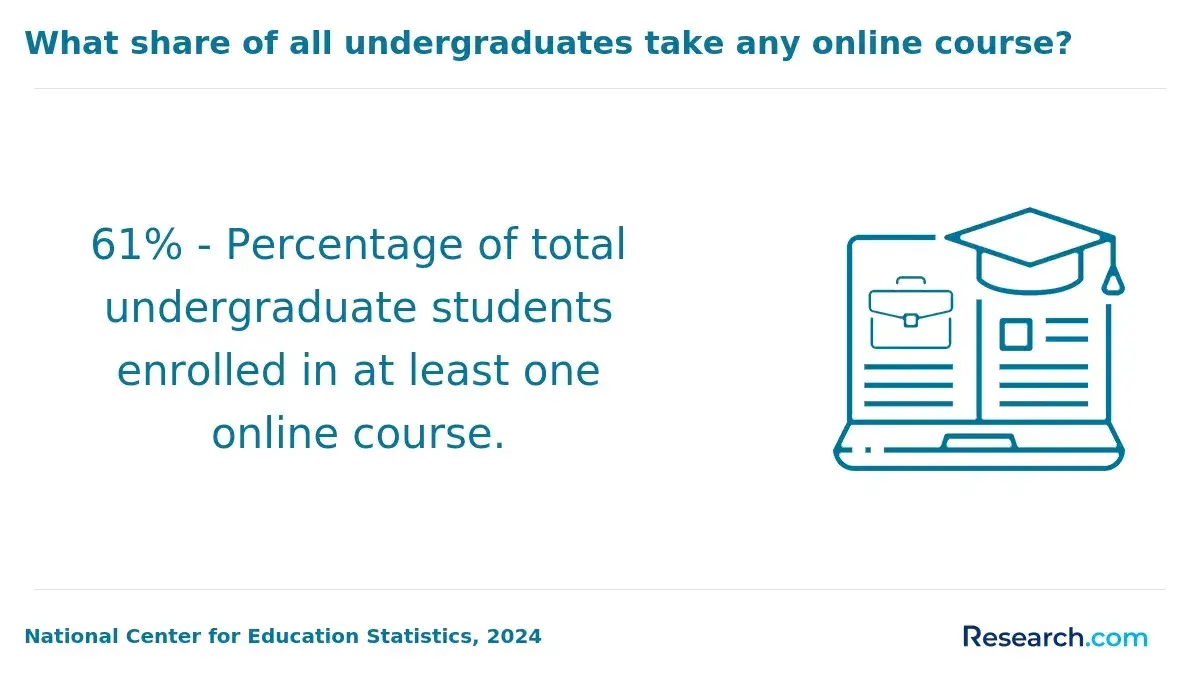
Transitioning from education roles into community health exposes professionals to a major barrier: securing flexible, credible training that fits ongoing work demands. Nearly 60% of adult learners now prefer partially or fully online graduate programs, a reflection of shifting enrollment behavior seen in recent NCES data. This trend matters because it signals growing demand for accessible coursework that balances family, job schedules, and practical skill acquisition paramount to community health impact.
Selecting a program lacking such flexibility risks derailing timely career shifts and reduces competitiveness in a labor market increasingly seeking community-focused expertise supported by verifiable credentials. This article identifies the best online public health programs designed to overcome these specific challenges, equipping learners with actionable insights for strategic career transition.
Key Things You Should Know
- Programs averaging 18 months to completion increase entry speed but limit depth in community-specific epidemiology, forcing a tradeoff between workforce readiness and specialized expertise, per National Center for Education Statistics data from 2024.
- Employers prioritize candidates with practicum experience in social determinants of health; 67% of surveyed health agencies in 2024 report low immediate hire rates for graduates lacking applied community health intervention skills.
- Rising tuition costs, averaging 22% growth since 2022 per the College Board, disproportionately impact midcareer professionals, creating access barriers that delay or deter shifts from education to community health roles.
What are the best online public health programs for educators transitioning into community health?
Shifting into community health roles requires selecting programs that emphasize hands-on skills over theoretical overload. The best online public health programs for educators focus on applied epidemiology and population health tactics aligned with workforce needs, particularly for nonclinical positions. For example, K-12 health teachers moving into community health gain from programs offering practical tools like community needs assessments and grant-writing, crucial for navigating the nonprofit sector's resource constraints.
With community health worker roles projected to grow 22% from 2022 to 2032-far outpacing the 2.8% average job growth-educators seeking a strategic pivot should prioritize programs offering robust employer connections and practicum opportunities that facilitate direct workforce entry. The top online public health degrees for community health professionals typically combine flexible learning formats suited to working adults with faculty expertise grounded in community practice rather than solely academic theory.
Choosing between generalist MPH tracks and targeted certificates entails trade-offs: the former may delay employment due to extensive epidemiological training, while the latter enable quicker, practical workforce entry. Prospective students might also explore online environmental health and safety programs accredited for related pathways.
How does moving from education into community health change your public health career path?
Transitioning from education into the community health sector redefines the public health career path by shifting focus from individual or classroom interventions toward broader population-based strategies. This shift demands proficiency in culturally competent communication, epidemiology, and coordination of community resources instead of traditional instructional methods. For education professionals changing course, understanding that community health roles prioritize data-driven program evaluation and stakeholder collaboration is essential.
A typical challenge involves the need to acquire new skills such as health behavior theories beyond youth populations and capabilities to engage diverse underserved communities. For instance, a former health education teacher may find that community health employers value demonstrated competencies in grant writing and community assessment more than curriculum delivery experience.
The labor market outlook supports this move: the U.S. Bureau of Labor Statistics projects approximately 15,200 new jobs annually for health education specialists and community health workers through 2032, driven by expanding preventive care initiatives. Yet, navigating certification requirements like CHES or CPH and flexible work environment demands requires careful preparation.
Choosing the best online public health programs for education professionals transitioning to community health blends foundational knowledge with practical fieldwork. Candidates should seek programs offering applied practicums or local health partnerships to optimize workforce readiness. For those considering flexible educational options, a healthcare administration degree online accredited can complement this pathway by providing administrative insights relevant to community health settings.
Are online public health degrees as credible and accredited as campus-based programs?
The credibility of an online public health degree accreditation compared to campus programs hinges on rigorous adherence to standards set by recognized bodies like CEPH. Employers value verified competencies such as epidemiology fundamentals, data analysis, and health promotion skills over whether a degree was earned online or on-campus. For instance, a professional transitioning into community health must prove mastery of these core areas, regardless of delivery method, to compete for roles that pay a median annual wage of $63,210 or higher, per U.S. Bureau of Labor Statistics data.
In North America, the credibility of online public health degrees remains contingent on accreditation, alignment with local licensure, and the inclusion of supervised fieldwork. Candidates should confirm that programs enable local practicum placements, as hands-on experience remains a decisive factor for employers and regulatory compliance. Bias against lesser-known or non-regional accreditations still affects hiring, making program selection critical.
This practical perspective informs tradeoffs: online degrees can offer flexibility and virtual networking opportunities, yet must be chosen thoughtfully to include robust practicum components. Transitioners from roles like education, where professional shifts require demonstrated competencies, may also explore aligned pathways such as becoming a speech language pathologist for alternative specialization. Overall, prospective students must assess programs for accreditation status, practicum availability, and employer recognition rather than modality alone to ensure career pivot success.
What types of online public health degrees fit experienced teachers and school professionals?
Transitioning from teaching to community health roles requires careful alignment of qualifications with employer expectations. Online public health degrees for experienced educators are best selected when they emphasize community health education, epidemiology, or behavioral science rather than clinical paths, which often impose healthcare prerequisites. This alignment leverages educators' existing instructional skills to address broader population health challenges through initiatives like program planning and targeted outreach.
For example, an elementary teacher moving into a public health educator position can apply curriculum design expertise to develop effective community outreach programs that serve underserved populations. The practical advantage is clear: a master's degree holder in this field earns roughly 18% more in median weekly wages and faces nearly 40% lower unemployment compared to those with only bachelor's degrees, according to the U.S. Bureau of Labor Statistics.
Community health programs tailored for school professionals typically integrate flexible asynchronous coursework and locally accessible practicum placements, accommodating working schedules and reducing logistical barriers. Choosing programs with strong accreditation, connections to community organizations, and career services focused on public health employment improves job market outcomes.
Prospective students should also compare degree emphases on social determinants of health and interdisciplinary collaboration, vital for roles like health policy analyst or school health program director. Those evaluating educational options may benefit from reviewing allied pathways such as the RN to BSN to understand alternative routes in healthcare careers.
How do online public health programs compare with campus options for flexibility and learning?
Choosing between online and campus-based public health degrees requires balancing flexibility against experiential learning demands. Online programs excel where learners juggle unpredictable schedules-such as working professionals or parents-enabling asynchronous study without relocating or job interruption. For instance, a public school teacher pursuing a master's can complete coursework evenings or weekends, maintaining full employment.
However, campus learning remains essential for competencies demanding direct lab work or frequent community interaction. Many community health roles prioritize hands-on field experience; on-site cohorts offer immediate access to physical resources and face-to-face collaboration, which some employers deem critical for roles emphasizing teamwork and applied skills.
Online public health education demands high self-discipline. Institutions partially address this with cohort models and synchronous sessions to replicate peer engagement, but students lacking structure may struggle. Employers increasingly accept accredited online degrees if practical training-via virtual simulations or coordinated local internships-is integrated, ensuring job readiness.
As education.com data notes, over 120 online public health programs-from bachelor's through doctoral levels-reflect growing demand and evolving employer acceptance, but graduates must ensure practice-based elements and networking opportunities are present to maximize outcomes.
What core courses and specializations prepare educators for community health roles?
Transitioning into community health from an education background demands more than foundational knowledge; it requires a targeted skill set in applied public health competencies. Essential coursework in epidemiology, biostatistics, health behavior, and policy management forms a technical base, but success hinges on mastering community engagement, grant writing, and cross-sector collaboration-skills prioritized by employers working with vulnerable populations such as schools and local health departments.
For example, an educator moving into community health must design culturally responsive programs that address social determinants of health, which demands specialized expertise in program planning and evaluation. Biostatistics training is particularly vital for data-driven decision-making, measuring outcomes, and justifying funding-a practical necessity often underestimated by career changers.
Affordability warrants careful consideration: total tuition for online MPH programs ranges broadly, with top options like the University of California-Berkeley charging around $59,136 and Johns Hopkins upwards of $82,160, figures comparable to in-person instruction. This financial tradeoff weighs heavily on professionals balancing cost against program quality and return on investment.
Prioritizing programs with applied fieldwork tailored to public health challenges enhances workforce readiness, especially when regional health disparities and evolving policies complicate intervention strategies. Without these focused experiences, professionals risk being ill-prepared for complex community health roles demanding practical, transferable skills.
What admission requirements do online public health programs typically have for working educators?
Shifting from education to public health demands more than holding a bachelor's degree; it requires strategic planning around admission prerequisites and workforce alignment. Programs targeting working educators typically prioritize applicants with relevant social sciences or health-related backgrounds but often allow exceptions when professional experience compensates for academic gaps. For example, a seasoned teacher with volunteer health outreach experience may bypass standardized test requirements and lower GPA thresholds, emphasizing that demonstrated skills can offset quantitative metrics.
Admission processes often involve submitting official transcripts, a current résumé, and a statement of purpose that clearly articulates the pivot toward community health, highlighting transferable leadership and communication skills. Letters of recommendation from supervisors verifying these competencies bolster candidates' profiles. While direct clinical experience isn't universally mandatory, it significantly improves admission prospects due to the field's focus on chronic and mental health burdens comprising 90% of annual U.S. health expenditures.
Working professionals should consider the practical realities of balancing employment with study, seeking programs offering asynchronous coursework or part-time schedules. Additionally, some programs require prerequisite courses in biology or statistics, representing a substantial time commitment. Engaging with capstone projects or practicums centered on community-based interventions can bridge academic learning with employability, as employers increasingly value fieldwork paired with academic credentials.
Anticipating these tradeoffs upfront-testing requirements, prerequisite coursework, and practical experience-can shape a candidate's path effectively. The ability to demonstrate relevant transferable skills and community involvement often outweighs traditional academic measures when aiming for public health roles focused on prevention and education.
How long do online public health programs take, and what do they cost?
Professionals transitioning from education to community health confront critical trade-offs when selecting online master's programs in public health. Programs like Brown University's 2026 MPH offer completion windows between 12 and 24 months, but accelerated tracks demand significant upfront time investment without interrupting employment-a practical advantage for working teachers seeking swift transitions. Conversely, rigid program schedules may compel wage-earning pauses or reduced hours, imposing financial strain and delaying career momentum.
Cost considerations underscore this complexity. Accredited online MPH degrees often exceed $30,000 total, with tuition per credit hour ranging from $1,200 to $2,000 over 42 to 60 credits. Additional fees for technology or residency requirements can push expenses to around $40,000, placing pressure on candidates balancing work and study simultaneously. Practical financial planning must incorporate employer tuition assistance and loan repayment strategies to mitigate immediate cost burdens.
Choosing between asynchronous and synchronous course formats further affects completion duration and work-life integration. Those with employer support and flexible schedules may benefit from accelerated, synchronous options, while others may find extended, asynchronous pacing more sustainable. Aligning program structure, cost, and scheduling with career goals and employer expectations is essential to maximize employment readiness in community health roles.
What community health jobs, salaries, and advancement opportunities can these degrees lead to?
Career transitions into community health roles typically demand more than academic credentials; employers require proven experience in community engagement, data interpretation, and program execution. For instance, a professional switching from education to health may need internships or part-time roles to bridge this gap effectively. Median salaries in positions like health educators or outreach coordinators span roughly $50,000 to $75,000, while experienced epidemiologists or program managers can exceed $80,000, based on Bureau of Labor Statistics figures.
Advancement frequently depends on certifications such as Certified Health Education Specialist (CHES) or specialized skills in epidemiology or health policy. Real-world practice shows that community health workers entering local health departments often move into supervisory roles within 3 to 5 years, but this progression typically requires leadership training and credentials beyond initial degrees.
Financially, students must weigh tuition against return on investment. Programs offering flat tuition models, like Florida International University's fully online CEPH-accredited MPH, simplify budgeting by eliminating residency cost differences-an important factor when balancing education expenses with the need for practical competence.
Community health professionals confront ongoing challenges, including grant writing, coordinating diverse stakeholders, and adapting interventions for varied populations. These responsibilities necessitate continuous skill development in policy advocacy and behavioral health strategies, highlighting a distinction from purely academic roles and underscoring practical demands critical for long-term workforce viability.
How can you evaluate and choose a reputable, accredited online public health program?
Choosing an online public health program demands critical scrutiny beyond accreditation credentials, chiefly CEPH recognition, which signals curriculum rigor and acceptance by employers. Professionals shifting from education face a tradeoff between traditional degree length and competency-based models that compress skill acquisition tailored to community health practice, reducing time-to-hire and enhancing relevance in government or nonprofit sectors.
Flexibility in course delivery directly impacts feasibility for working individuals. Programs mixing asynchronous learning with scheduled live interactions generally outperform fully synchronous or entirely self-paced formats by balancing structure with adaptability. Internships or practicum opportunities linked with local health agencies are indispensable for converting theoretical knowledge into employable capabilities.
Alternative online credentials through MOOCs and certification platforms serve as strategic, low-investment gateways into public health competencies, especially when budgets and time are restrictive. Prospective students should verify whether full programs acknowledge these credentials for advanced standing, preventing redundant coursework and expense.
Support services tailored to public health career transitions-such as specialized academic advising and employer networking-can significantly influence employment trajectories. Finally, thorough evaluation of total costs against expected salary progression is essential; investing in credible, career-aligned programs helps mitigate credential risk and positions graduates competitively.
Other Things You Should Know About Public Health
Transitioning from education to public health requires adapting to a broad interdisciplinary mindset that goes beyond teaching methods. Educators must be prepared to engage with diverse fields such as epidemiology, biostatistics, policy analysis, and social determinants of health simultaneously. This shift often demands more independent quantitative work and critical data interpretation skills, which may be less emphasized in education programs but are essential for success in community health roles.
Employers in public health expect candidates from education to demonstrate transferable skills like communication and program management but also require proof of competency in technical areas like data analysis and health behavior theories. Candidates without practical exposure to community health projects or internships may face challenges in proving readiness for fieldwork. Prioritizing programs with hands-on practicum components enhances employability by bridging theoretical knowledge with applied skills.
Online public health programs can offer flexible learning schedules and specialized courses to aid professionals transitioning from education to community health, focusing on practical skills like data analysis, communication, and project management. These programs facilitate a smooth transfer by integrating knowledge of public health theories with real-world applications.
Choosing a Council on Education for Public Health (CEPH)-accredited program is critical for securing employment in many government and nonprofit public health roles. Accreditation ensures curriculum rigor aligned with workforce standards and eligibility for competitive fellowships or certifications. While non-accredited programs may offer lower cost or scheduling flexibility, they carry risks of limited recognition by employers and reduced long-term career mobility.
References
- Top 25 Online MPH Community Health Degree Programs - MPH Online https://www.mphonline.org/best-online-mph-community-health/
- Online Master's Degree in Public Health | MPH Degree Online | Norwich University https://health.norwich.edu/public-health/mph
- A Guide to Online Public Health Undergraduate and Graduate Degree Programs https://www.publichealthonline.org/degree-programs/online/
- Explore Online MPH Degree Programs to Find the Best for You https://teach.com/online-ed/healthcare-degrees/online-masters-public-health/
- Online Bachelor's Degrees in Public Health: Find the Right School https://www.edumed.org/online-schools/public-health-degrees/
- Complementary roles and training of health education specialists & community health workers - Society for Public Health Education - SOPHE https://www.sophe.org/resources/complementary-roles-training-health-education-specialists-community-health-workers/
- What is the Accreditation I Should Look for in a School of Public Health? - Healthcare Management Degree Guide https://www.healthcare-management-degree.net/faq/what-is-accreditation-for-school-of-public-health/
- How an Online Master in Public Health Can Transform Your Career and Community https://emorywheel.com/article/how-an-online-master-in-public-health-can-transform-your-career-and-community-20240624
- Health Promotion Careers 2025: Degrees, Jobs & Salary Guide - nutritioned.org https://www.nutritioned.org/what-is-health-promotion/
- MPH https://www.publichealthdegrees.org/program/masters/mph/