2027 Best Online Master's in Public Health for Community Health Leadership

Co-Founder and Chief Data Scientist
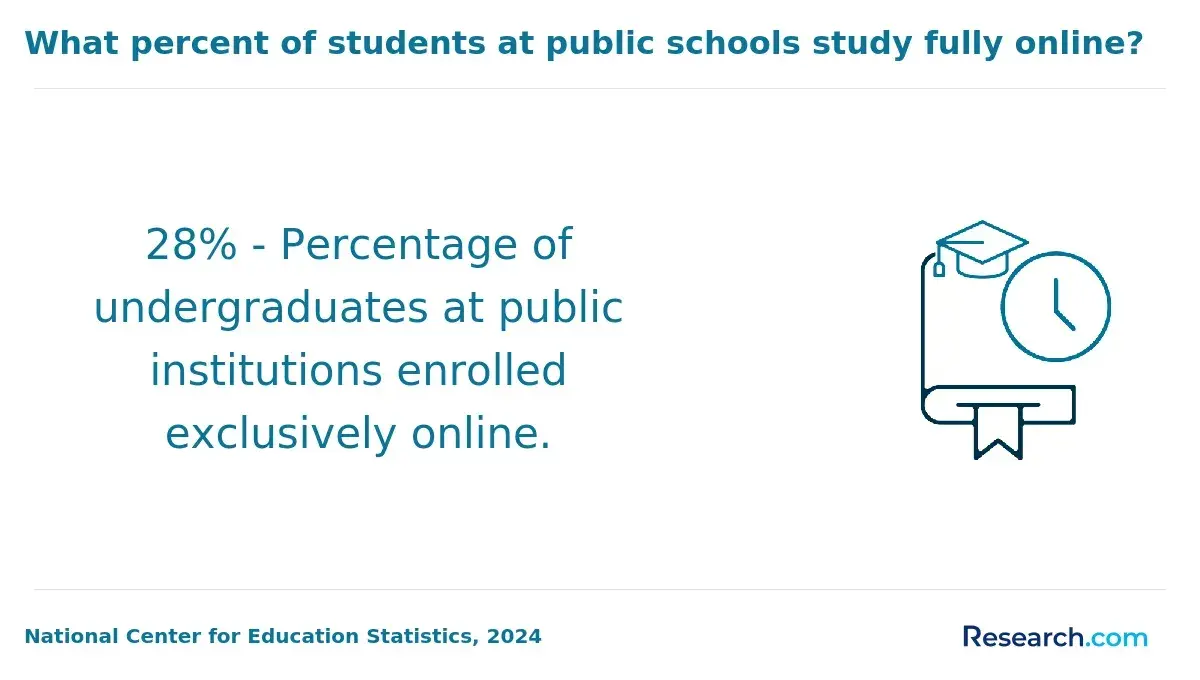
Leadership gaps in community health programs worsen when qualified professionals cannot commit to full-time, on-campus education due to existing job obligations or family responsibilities. The U. S. Bureau of Labor Statistics projects a 17% growth in community health leadership roles over the next decade, creating urgent demand for adaptable educational options. However, rigid scheduling and limited online offerings often force prospective students to defer advancement or switch careers altogether. A 2024 National Center for Education Statistics report found that nearly 40% of graduate students prioritize fully online master's programs to balance work and study, reflecting a shift toward flexible credentialing models.
This article evaluates the best online master's in public health programs for community health leadership, focusing on factors that enable timely, accessible advancement aligned with workforce realities and professional goals.
Key Things You Should Know
- Graduates in community health leadership face a 4.7% wage premium over generalist MPH holders, but often at the cost of longer program duration exceeding 24 months, highlighting a tradeoff between earnings and time investment per National Center for Education Statistics 2024.
- Employers increasingly expect practical leadership experience alongside credentials; 62% of hiring managers prioritize internships or applied projects within MPH programs, significantly impacting candidate competitiveness according to a 2024 Modern Healthcare survey.
- Public Health workforce aging trends show 35% retirements by 2030, escalating demand for leaders skilled in health equity and crisis management, pressuring program access and intensifying competition among working professionals balancing study and employment from Bureau of Labor Statistics 2024.
What is an online master's in public health with a focus on community health leadership?
An online master's in public health community leadership programs prepare professionals to manage health initiatives that require nuanced understanding of local needs, resource limitations, and intersecting social factors. This specialization demands expertise in epidemiology, health policy, and program leadership, emphasizing real-world challenges like policy constraints and community distrust that a program manager at a rural nonprofit faces when increasing vaccination rates under tight budgets.
Employers expect candidates with proven skills in stakeholder engagement, coalition-building, and data-driven decision-making to lead diverse health efforts within local health departments, nonprofits, or healthcare networks.
Choosing a community health leadership degree online offers flexibility but requires balancing synchronous sessions or fieldwork with existing responsibilities, a frequent obstacle for working professionals.
Salary data shows graduates earn between $65,000 and $100,000, underlining the market's valuation of leadership combined with technical ability. Tuition for online MPH programs tends to be substantially lower than in-person equivalents, which can exceed $70,000, positioning distance education as a cost-conscious alternative without sacrificing career impact.
For those evaluating curricular quality alongside flexibility, exploring CAHIIM accredited HIM degree online offerings may provide additional context on relevant accreditation standards that matter in allied health education pathways.
How does an online community health leadership MPH compare to on-campus programs?
Employers hiring for community health leadership roles emphasize practical fieldwork experience as much as academic credentials, a critical difference when comparing online community health leadership MPH vs on-campus programs. On-campus formats offer structured access to local health departments and community partners for practicum placements, facilitating immersive, hands-on learning and essential networking.
Conversely, online students must often secure their own field experiences, which can be challenging without regional connections and may limit exposure to specific community health dynamics.
The differences between online and traditional community health leadership MPH extend beyond logistics. Online programs provide the flexibility needed by working professionals, yet they frequently lack the spontaneous collaboration and interpersonal engagement that on-campus cohort work naturally affords.
However, some online curricula address this with synchronous sessions, cohort projects, and virtual simulations to enhance leadership skill development remotely.
Employment outlook in community health roles projects a 7% growth from 2022 to 2032, creating about 15,000 annual openings for candidates proficient in strategic communication, policy, and coalition-building.
Prospective students should weigh access to community partners and willingness for self-directed experiential learning, as these factors shape employment readiness in community health leadership.
For those considering advanced Public Health credentials, exploring doctorate in healthcare administration programs can offer further specialization and leadership opportunities.
What accreditation and program quality standards should these online MPH degrees meet?
CEPH accreditation remains the essential benchmark for online MPH program accreditation standards, directly impacting graduates' eligibility for licensing and certification such as the Certified in Public Health (CPH) credential. This status signals to employers that candidates possess a curriculum grounded in core competencies like epidemiology, biostatistics, environmental health, behavioral sciences, and health policy.
Graduates aiming for leadership roles in federally designated Health Professional Shortage Areas-where more than 100 million people reside-face distinct workforce challenges. Strong programs integrate practical fieldwork or practicums within underserved communities to prepare students for coordinating multi-agency responses under constrained resources.
Without this experiential learning and faculty expertise in health disparities or policy advocacy, graduates risk underperformance in complex community health systems.
Regional accreditation for community health leadership degrees further validates program quality and aligns academic outcomes with real-world demands. Decision-makers must weigh program structure against demonstrated graduation outcomes and employer partnerships, particularly for positions requiring strategic problem-solving in underserved settings.
In parallel, professionals exploring educational pivots related to health industries should also consider pathways such as online nursing programs for non nurses. Their relevance often intersects with public health domains, especially where practical skills and accredited training influence workforce readiness.
What courses and concentrations are typically offered in community health leadership MPH programs?
Community health leadership MPH programs blend foundational coursework in epidemiology, biostatistics, health policy, and program planning with leadership-centric classes such as organizational management and health equity. Depth in concentrations-ranging from chronic disease prevention to global health leadership-builds expertise in data-driven decision-making and advocacy tailored to complex community health needs.
These curricula demonstrate direct labor market relevance but require careful scrutiny of course flexibility and practicum demands, especially for working professionals.
For clinicians shifting into administrative roles, competencies in health systems financing and regulatory navigation become indispensable, reflecting sector expectations for effective budgeting and compliance management.
Those prioritizing underserved populations benefit from targeted training on social determinants of health and culturally competent leadership. Many programs incorporate public health informatics, a critical skill for leveraging health data systems in planning evidence-based interventions.
Understanding online master's in public health course concentrations is essential when comparing programs-some CEPH-accredited options charge between $16,000-$27,000 in tuition, offering substantial savings against traditional programs costing $60,000-$85,000 total.
This price variance-potentially cutting costs by 40%-70%-significantly influences access for working adults balancing finances and professional growth. Evaluating these tradeoffs is necessary to align educational investment with realistic career trajectories.
Practicum or capstone experiences serve as pivotal points for real-world application of leadership skills in public health settings. Additionally, prospective students might consider pathways in related fields; for instance, some explore RN to BSN online programs to complement their public health competencies and expand clinical understanding.
What admission requirements and prerequisites do online community health leadership MPH programs have?
The practical value of online community health leadership MPH programs lies in how their admission requirements reflect real workforce expectations and career preparation tradeoffs. Admissions typically require a bachelor's degree with about a 3.0 GPA, transcripts, letters of recommendation, and a purpose statement emphasizing leadership intent.
GRE scores remain common but are increasingly waived for candidates with substantive community health experience, recognizing the equivalency of documented project management or data analysis skills to standardized testing.
Applicants from outside health fields often face the challenge of completing prerequisite courses such as epidemiology and biostatistics, which affects time-to-completion and can extend the early semesters. This requirement underscores the program's quantitative competency expectations tied to practical public health program evaluation and outcomes measurement.
For international students, proof of English proficiency through TOEFL or IELTS and credential evaluations introduce additional complexity that can delay enrollment or require resource investment. Working professionals pursuing these online MPH degrees must also navigate synchronous sessions and occasional in-person practicums, which may disrupt full-time employment unless employer flexibility or short-term relocation is feasible.
Wages for master's-level public health professionals typically exceed those of bachelor's-level counterparts by over 50%, with median earnings around $78,000 compared to $50,000. This income premium justifies the upfront requirements but demands careful assessment of the financial and time investments necessary before application or enrollment.
How long does it take to complete an online MPH in community health leadership, and how is it structured?
Completing an online MPH in community health leadership typically spans two to four years, directly influenced by enrollment status and course load. This range offers crucial flexibility for working professionals, contrasting with rigid on-campus schedules that demand fixed semester pacing. Students balancing government or nonprofit careers often pursue part-time study, maintaining steady income but extending program duration to three or four years.
By contrast, those seeking rapid transitions into healthcare administration or consultancy frequently select accelerated paths, committing to 9-12 credits per semester and finishing in about two years.
Key tradeoffs emerge between program length, intensity, and financial impact. Online learners save significantly on relocation and housing expenses, costs that often exceed five figures in traditional settings.
However, asynchronous formats require disciplined time management, as lapses can delay progress and jeopardize timely completion-an important consideration since employers value graduates who finish within two to three years.
- Full-time enrollment enables faster completion but requires substantial weekly study hours.
- Part-time paths provide income stability but prolong degree timelines.
- Asynchronous course delivery increases convenience yet demands high self-discipline.
Coursework centers on epidemiology, policy, management, and leadership, concluding with practicums or capstone projects aligned to community health priorities. Aligning practicum placements with existing work schedules can pose challenges, making tailored advising critical for navigating these logistical complexities.
What does an online MPH in community health leadership cost, and what financial aid is available?
Choosing an online MPH in community health leadership requires weighing substantial financial commitments against tangible professional outcomes. Tuition ranges from $30,000 to $83,000, with top-tier programs like Johns Hopkins and UNC-Chapel Hill demanding fees at the higher end, comparable to traditional on-campus options.
This investment often coincides with more competitive post-graduation roles but typically involves either full-time enrollment or a significant upfront cost.
For working professionals balancing employment and study, part-time enrollment at mid-tier accredited schools coupled with flexible financing can reduce debt and improve immediate cash flow. Employer tuition assistance and federal loans with income-driven repayments are essential tools to mitigate financial barriers, especially in sectors where salary increases lag behind education expenses.
Beyond tuition, students must account for additional fees and limited merit scholarships targeted specifically at community health leadership, highlighting the importance of early financial aid inquiries. Those transitioning from public agencies or healthcare administration should pursue grants aimed at leadership in underserved populations, augmenting funding avenues.
Key considerations include:
- Balancing total cost with career trajectory and employer expectations
- Leveraging employer tuition benefits and federal aid strategically
- Assessing program delivery format against personal and professional time constraints
- Investigating available scholarships and grants that align with professional backgrounds
Ultimately, selecting a program should reflect realistic assessments of debt tolerance, job market positioning, and the specific leadership roles targeted within the public health sector.
What careers can graduates of community health leadership MPH programs pursue?
Community health leadership MPH graduates frequently move into positions that demand both strategic oversight and cross-sector collaboration to improve population health outcomes. Roles such as community health program manager or health policy analyst extend well beyond data interpretation, often requiring resource mobilization, advocacy, and management of diverse teams.
These positions are embedded in complex systems-government agencies expect navigation of regulatory frameworks, while healthcare systems prioritize initiatives targeting metrics like hospital readmission reduction.
A critical workforce consideration is the balance between leadership breadth and technical specialty. While initial salary growth may lag compared to technical analysts, graduates typically gain greater flexibility for advancement into senior management roles.
Employers value demonstrated leadership through practicum or fieldwork, an element emphasized in over 80% of top-ranked programs according to Intelligent's 2025 review. Credit requirements generally range from 42 to 48, ensuring sufficient depth and scope in leadership and community health methodologies.
Choosing a program should factor in practicum site quality and the strength of partner networks, as these directly influence employability across local and national contexts.
For example, a graduate placed in a government outreach program may develop skills managing regulatory compliance while engaging underserved populations, whereas a healthcare system role may focus on designing interventions that blend clinical and community strategies.
What salary ranges and job outlook can community health leadership MPH graduates expect?
Community health leadership MPH graduates face distinct salary and hiring dynamics shaped by sector, geography, and role specificity. Entry-level salaries for positions in local or state health departments typically range from $65,000 to $75,000, offering structured progression through tenure and union agreements. In contrast, roles in nonprofits, hospitals, or federal agencies often start higher but may lack predictable wage growth.
For example, a program manager in an urban health department focusing on disease prevention might earn less initially than a director of population health in a large healthcare system, whose compensation frequently exceeds $100,000 annually.
The job market is growing at a rate of about 12% through 2032 for community and social service occupations, reflecting increased emphasis on health equity, chronic disease management, and pandemic preparedness. Yet, competition intensifies for leadership roles requiring both strategic management and technical expertise.
Graduates should consider that initial salary decisions in public sector roles can yield long-term stability, while nonprofit or healthcare positions may favor higher immediate pay but less standardized advancement.
Graduates with strong applied skills and experience working with multidisciplinary teams see better placement outcomes, with some top online MPH programs reporting over 90% employment within a year. Engaging career services and internships early is essential to optimizing both salary negotiations and entry into growth areas within community health leadership.
How can students choose a reputable online community health leadership MPH program?
Choosing an online community health leadership MPH program demands scrutiny beyond convenient delivery or brand prestige. Accreditation from recognized agencies like CEPH is non-negotiable as it directly influences licensure eligibility and employer validation. More importantly, programs must cultivate leadership aptitudes, policy advocacy, and community engagement rather than focus narrowly on epidemiology or biostatistics, ensuring alignment with the demands of higher-tier leadership positions.
Cost comparisons often reveal counterintuitive realities: for example, Johns Hopkins charges $82,160 for its online MPH against $79,260 for in-person attendance, which challenges the assumption that online formats are inherently more affordable and attests to comparable credential value in employment contexts.
Key considerations include how the program accommodates working professionals through flexible schedules and asynchronous learning, as real-time mentorship and career services influence practical skills and network development. Faculty with real-world leadership experience in government or NGOs should be prioritized since academic rigor alone insufficiently prepares students for management roles.
- Prioritize accreditation and leadership-centered curricula.
- Anticipate tuition costs comparable to on-campus programs.
- Assess support for working professionals, including mentorship.
- Verify faculty leadership expertise beyond academia.
- Evaluate technology platforms for reliable online delivery.
Consider a mid-career public health professional targeting a director role at a local health department. Such a candidate benefits from programs offering applied leadership practicums and policy-oriented experiences rather than generic MPH curricula.
Additionally, technology reliability is critical: technical disruptions can undermine learning consistency and professional progress.
Other Things You Should Know About Public Health
The value of prior work experience varies by program but significantly affects both learning and employability after graduation. Programs that admit students without experience may require more foundational coursework and offer less advanced networking opportunities. For those aiming for leadership roles, having at least 1-2 years in a relevant public health or community setting improves the practical application of course material and aligns with employer expectations for managerial readiness.
Online MPH degrees must include fieldwork to meet accreditation and workforce standards, but arrangements differ drastically across programs. Some require students to secure local placements independently, which demands proactive effort and time management, while others provide partnerships or virtual practicums. When choosing a program, prioritize those with structured practicum support to ensure relevant hands-on experience that employers will recognize.
Employer recognition depends largely on program accreditation and the reputation of the issuing institution rather than delivery format. Graduates from regionally accredited and CEPH-accredited online MPH programs hold equivalent credentials for most public health leadership roles. However, some employers, especially in competitive urban markets or federal agencies, may favor candidates with on-campus experiences or from well-known traditional schools, which can affect hiring outcomes.
References
- Is an Online MPH Worth It? | University of Bridgeport https://www.bridgeport.edu/news/is-online-mph-worth-it/
- Master of Public Health Program at the Medical College of Wisconsin https://www.mcw.edu/education/graduate-school/graduate-school-programs/public-health/mph-program
- Master of Public Health Online https://www.unthealth.edu/tcom/public-health/master-of-public-health-online.html
- Online Executive MPH https://www.publichealthdegrees.org/online/executive-mph/
- Master of Public Health with a concentration in Community Health Leadership | University of Phoenix https://www.phoenix.edu/online-healthcare-degrees/public-health-masters-degree.html
- How an Online Master in Public Health Can Transform Your Career and Community https://emorywheel.com/article/how-an-online-master-in-public-health-can-transform-your-career-and-community-20240624
- Faculty of Graduate and Postdoctoral Studies | University of Manitoba - Community Health Sciences (MPH) https://umanitoba.ca/graduate-studies/admissions/programs-of-study/community-health-sciences-mph
- 25 Most Affordable Online MPH Programs - MPH Online https://www.mphonline.org/most-affordable-online-mph-programs/
- Top 50 Masters in Public Health (MPH) Online - Healthcare Management Degree Guide https://www.healthcare-management-degree.net/best/online-mph/
- Top MPH Jobs USA 2026 | Careers, Salary, and Opportunities https://www.healthstaffinggroup.com/mph-jobs-usa-career-guide/