2027 Online Public Health Degrees With Community Health Career Alignment

Co-Founder and Chief Data Scientist
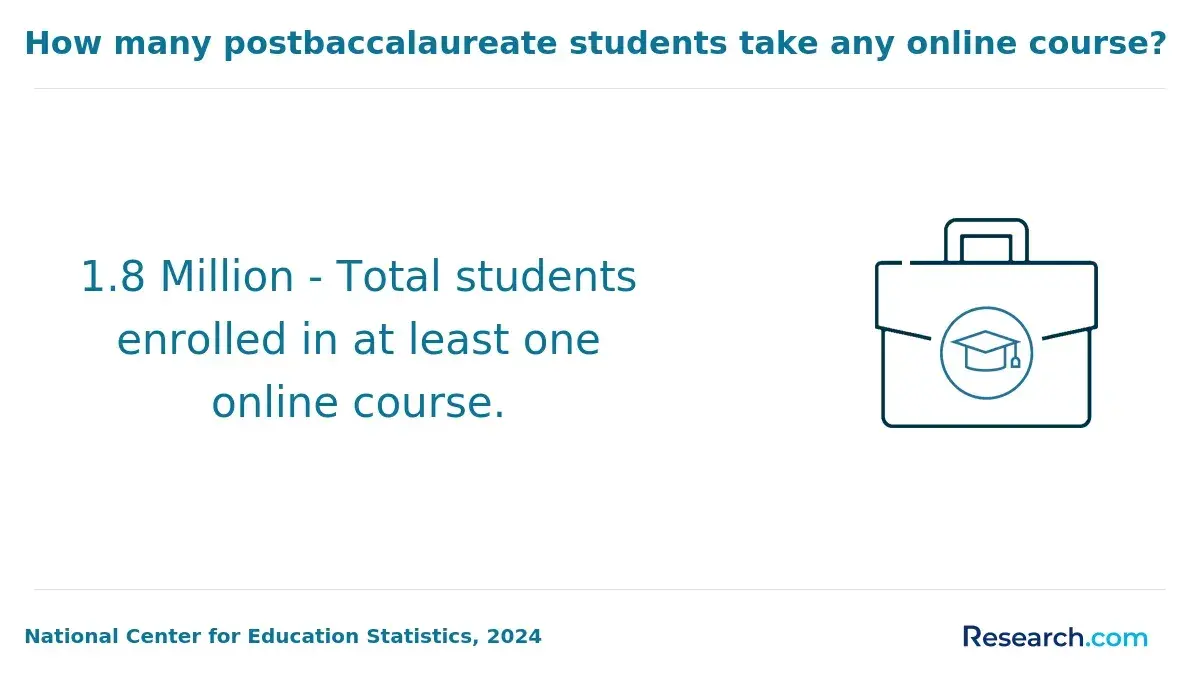
Balancing a demanding career while seeking an advanced degree in public health proves a persistent barrier for many professionals targeting community health roles. As the Bureau of Labor Statistics projects a 12% growth in community health occupations through the next decade, access to flexible educational models becomes a strategic priority. Yet, the National Center for Education Statistics documents that only 40% of public health students currently enroll in fully online programs, indicating a gap between demand and available adaptable pathways. This divergence challenges candidates to identify programs that not only accommodate complex schedules but also align closely with workforce needs.
This article evaluates online public health degrees designed for community health careers, helping readers navigate program structure, flexibility, and practical workforce alignment to optimize educational investment and career outcomes.
Key Things You Should Know
- Employers increasingly favor online public health degrees with practice-based community health projects, yet 40% of surveyed graduates report insufficient direct population health experience, complicating job placement in community-focused roles.
- Programs emphasizing epidemiology and health equity align with growing demand-Bureau of Labor Statistics projects 17% growth in community health jobs by 2030-pressuring curriculum updates to avoid graduate underqualification.
- Median online program cost rose 8% since 2022, per NCES data, intensifying financial barriers for working adults seeking quick pivots; longer program durations correlate with 15% lower immediate employment rates.
What is an online public health degree?
Choosing an online public health degree program requires weighing practical tradeoffs related to workforce outcomes and learning delivery. Programs offering flexible online public health degrees for community health careers are crucial for professionals balancing employment and geographic constraints, yet they must also provide access to applied learning tools and relevant practicum options. Without integrated fieldwork or certifications, graduates often face longer job searches and limited roles, especially since employers prioritize candidates who demonstrate practical intervention skills and data-driven decision-making.
For instance, a community health coordinator working in a rural setting can effectively apply training in social and behavioral health sciences acquired through such degrees to design targeted outreach, even while working full time. Programs aligned with specific specializations like health policy or epidemiology tend to produce better employability outcomes compared to generalist tracks lacking clear practical components.
Beyond core disciplines-epidemiology, biostatistics, environmental health-there is also a growing intersection between health information management and public health, reflected in accessible options like a health information management associate degree online. This linkage addresses data proficiency demands increasingly critical in the field.
Logistics such as local practicum availability and access to current public health data platforms also impact skill acquisition, particularly as the Bureau of Labor Statistics projects roughly 313,700 annual openings in community and social service roles from 2024 to 2034.
Which accreditation should online public health programs have?
CEPH accreditation is a decisive factor for online public health program accreditation standards in the U.S., directly shaping employability and career pathways. State and local health agencies increasingly require degrees from CEPH-accredited programs, reflecting a shift toward a more formalized and credential-driven workforce. For instance, professionals lacking this credential may encounter restrictions when applying for federal roles or licensure, while those with accredited degrees benefit from streamlined eligibility for grants and scholarships.
Non-CEPH accredited programs sometimes offer lower cost and scheduling flexibility, but these tradeoffs often result in graduates being confined to entry-level roles with limited advancement potential. Key professional trajectories-such as epidemiology, policy analysis, and community health education-typically demand competencies validated by CEPH standards, including applied practicum experience that non-accredited online programs often lack.
Students must confirm a program's current CEPH accreditation status since lapses or reaccreditation delays can diminish degree value for licensing and employment. Considering accredited public health degrees in the United States involves recognizing these nuances to navigate workforce demands effectively. Working professionals should weigh practical elements like real-world readiness and credential recognition over convenience or initial cost savings.
For those evaluating relevant options, exploring online programs for healthcare administration can offer insight into similar accreditation and career-readiness considerations within allied health fields.
Which community health careers can this degree prepare you for?
Online public health degrees in 2026 prepare graduates for specific roles demanding targeted skills rather than generic expertise. Community health careers with an online public health degree include epidemiologists, health program managers, and policy analysts, each requiring distinct competencies like biostatistical analysis, stakeholder coordination, and policy evaluation. For instance, a health program manager working in a municipal agency allocating resources for chronic disease prevention must integrate multi-sector data and align project milestones, illustrating the complex operational environment these degrees address.
Employers increasingly prioritize candidates with quantifiable skills in data interpretation, cultural competency, and communication. Graduates pursuing epidemiology roles focus on outbreak investigation and surveillance, typically collaborating with state or federal agencies where data precision is imperative. Job opportunities in community health for public health graduates are therefore often shaped by demonstrated proficiency rather than broad credentials alone.
Salary ranges reported by Tufts School of Medicine indicate a median of $78,000 for recent MPH graduates, with the potential to reach upwards of $130,000 depending on specialization and sector. Choosing concentrations such as maternal-child health or environmental health can enhance employability but may require careful consideration of field demand and certification requirements like CHES or CPH.
Hands-on experience remains a decisive factor; internship placement support and practicum partnerships significantly impact readiness and marketability. Additionally, for those considering shifts between related health fields, insights from online ABSN programs for non nurses illustrate practical strategies for managing interdisciplinary career pivots.
How do online and campus public health programs compare?
Differences between online and traditional public health degrees extend beyond content to impact skill development, professional networks, and employer preferences. While theoretical knowledge is largely equivalent, campus programs provide hands-on experiences through labs, community engagement, and immersive internships. These elements are vital for roles involving epidemiological fieldwork or community-based intervention, where skill acquisition hinges on direct practice.
By contrast, online public health programs offer scheduling flexibility, meeting the needs of working professionals balancing jobs or caregiving. They particularly suit candidates targeting policy, data analysis, or administrative roles, leveraging asynchronous learning and virtual collaboration. However, these learners must be proactive in securing virtual networking and local practicums to mitigate limited face-to-face interaction, a factor many employers consider when hiring.
For example, an online MPH student employed full-time in health administration might immediately apply coursework to their job, accelerating advancement but potentially lacking community rapport skills essential for outreach positions. Conversely, campus students often cultivate stronger local networks and applied competencies, albeit sometimes at the cost of delayed workforce entry.
Employment data from the Association of Schools and Programs of Public Health involving 53,463 graduates shows a 73% initial employment rate with 15% pursuing further education, emphasizing that practical experience combined with degree relevance drives outcomes more than delivery mode alone.
Students assessing online public health programs vs campus programs should consider career objectives, lifestyle constraints, and employer emphasis on experiential skills. Those exploring affordable pathways may consult resources like the cheapest RN to BSN guide to understand cost-effective options.
What classes are included in a public health curriculum?
Core curriculum in a 2026 public health program emphasizes quantitative skills and contextual understanding critical for workforce readiness. Employers value graduates who can interpret epidemiological data and translate complex biostatistics into actionable community health strategies. For example, designing tailored vaccine outreach in underserved populations requires both mastery of health behavior theories and nuanced cultural competency.
Hands-on training in data analysis software and community assessment methods directly address the real-world demands of local health departments, where professionals must create accessible reports for diverse stakeholders. Proficiency in health informatics increasingly distinguishes candidates aiming for roles in innovative public health technology sectors.
Practical knowledge of grant writing and budget management is frequently expected by nonprofit and government employers, reflecting funding challenges typical in these settings. Meanwhile, ethics and cultural competency prepare graduates to navigate diverse client interactions effectively. Students targeting community health worker positions benefit from focused interpersonal communication and health education skills, key for direct patient engagement.
The Bureau of Labor Statistics forecasts a 17% employment growth rate for health education specialists and community health workers through 2030, yielding over 16,000 new jobs annually. This growth signals expanding demand for professionals adept at addressing barriers such as data scarcity or community mistrust under varying public, private, and hybrid operational models.
What admission requirements do online public health programs usually ask for?
Admission criteria for online public health programs reveal critical tradeoffs between academic benchmarks and practical experience, shaping candidate readiness for immediate workforce contribution. Undergraduate applicants must present a high school diploma or GED, while master's level entry requires a bachelor's degree with a competitive GPA, often around 3.0. Some programs, however, offer conditional admission to those with lower GPAs if they demonstrate relevant professional experience, reflecting a pragmatic balance between academic record and real-world capability.
Employers increasingly value applicants with one to three years in social services, healthcare coordination, or nonprofit outreach, particularly for specialized community health tracks. This demand influences admissions to prioritize individuals who have proven their commitment to underserved populations through demonstrated fieldwork rather than purely academic credentials.
Standardized tests like the GRE remain common but are waived by a growing number of programs when applicants have advanced degrees or pertinent work history. Letters of recommendation and personal statements focused on career objectives serve as additional filters to ensure alignment with community health goals. Some schools mandate background checks or immunization proof to meet field-placement compliance, adding operational complexity for candidates.
Given that community and social service roles earned a median wage of $57,530, applicants must weigh program prerequisites against their experience to prevent delays in starting their careers or facing extra coursework. Strategic choice of program based on these factors influences readiness to meet employer expectations and long-term employability.
How long does an online public health degree take and what does it cost?
Choosing the right public health degree requires balancing program length, cost, and career outcomes with realistic workforce demands. Associate degrees typically take about 2 years and cost between $6,000 and $20,000, but they correspond with lower early-career wages-around $33,100 on average-and higher loan default rates (14.5%). In contrast, master's degrees require 3 to 4 years and may exceed $70,000 in tuition, yet they unlock supervisory or policy roles with average starting salaries near $52,900 and significantly lower default rates (6.57%).
For example, someone aiming for a community health role in local government might find a bachelor's degree sufficient to enter the workforce, but advancing into leadership or specialized positions generally demands a master's credential. Employers in hospitals and health agencies often expect graduate-level education due to the technical expertise required.
Professionals balancing work and study should consider accelerated master's programs to limit opportunity cost, though these require a substantial weekly time commitment. The investment is best justified when long-term loan repayment capacity and career trajectory align with the higher credential.
What salaries can community health graduates expect?
Entry-level salaries for community health graduates vary widely based on employer type, location, and role specificity. Government public health agencies typically start near $50,000, while nonprofits and smaller clinics often begin closer to $40,000. Large healthcare systems in metropolitan areas can offer salaries reaching $70,000 within three years. This spread largely stems from differences in funding, organizational scale, and regional cost-of-living variations.
Communication skills are a decisive factor in hiring and compensation. Approximately 92.33% of U.S. entry-level public health jobs requiring at least a bachelor's degree list strong communication abilities as essential, according to data from Frontiers in Public Health (2023). Candidates excelling in outreach and intervention strategies often secure offers at the higher salary range.
Consider a recent graduate working at a large city health department: they benefit from structured salary scales and union protections, with a focus on epidemic prevention. In contrast, those employed by rural nonprofits might accept lower pay but gain greater operational flexibility and deeper community interaction.
Tradeoffs between immediate salary and long-term growth are critical. Specialized certifications or graduate degrees can shift earning potential upward, but initial pay may fall short of covering expenses in costly urban areas. Strategic employer and geographic choices remain key to balancing skill development and financial sustainability in community health careers.
What is the job outlook for community health and public health roles?
Community health roles have shifted from entry-level support to critical frontline positions demanding a combination of clinical insight and culturally nuanced outreach. This evolution affects how graduates navigate educational pathways and job markets. For example, candidates with only certifications or associate degrees might access technician roles, but their upward mobility is constrained without further specialization.
Salary data illustrates this shift: average pay for community health workers jumped from $42,000 in 2022 to $54,991 in 2024, a rapid escalation driven by tightening labor supply and heightened demand from government and nonprofit sectors focused on health equity.
Practical implications for prospective learners include:
- Associate-level credentials open doors but often require subsequent education or on-the-job experience to reach policy advocacy or program design roles.
- Bachelor's and master's graduates are prioritized for data-driven positions and leadership functions that address social determinants of health in compliance-driven environments.
- Internships embedded within degree programs improve employability significantly, especially when they span diverse settings such as urban health departments and rural clinics.
Healthcare organizations rely on multidisciplinary teams to manage chronic disease and reduce hospital readmissions, intensifying demand for workforce members who combine practical skills with policy awareness. Without experiential learning, candidates face longer job searches and limited salary growth.
Which certifications or licenses may public health careers require?
Certification requirements in public health vary substantially depending on the role, influencing employability and career trajectory. For instance, medical and health services managers-whose job market is projected to expand significantly-gain a competitive edge through credentials like Certified Professional in Healthcare Quality (CPHQ) or Fellow of the American College of Healthcare Executives (FACHE). These certifications are often prerequisites for leadership roles responsible for healthcare operations and regulatory compliance.
Practitioners in epidemiology or program evaluation face distinct demands: Certified in Public Health (CPH) certification validates the specialized skills needed in government or non-profit sectors focused on data-driven accountability. Environmental health roles usually require Registered Environmental Health Specialist (REHS) licensure, which entails regulatory knowledge critical to inspection authority and compliance enforcement.
Community health workers and health educators navigate state-specific licensure and certifications such as Certified Health Education Specialist (CHES). These requirements typically involve defined training hours and supervised experience, affecting eligibility for positions in government health outreach or hospital settings. The necessity for continuing education and renewal fees creates ongoing cost and time commitments that prospective candidates must consider when planning long-term career paths.
Other Things You Should Know About Public Health
Balancing full-time work with an online public health program is feasible but demands careful time management and realistic expectations. Programs vary in flexibility; asynchronous formats offer more control over study hours, while synchronous classes require fixed attendance. Prioritize programs that accommodate your work hours and verify if practicum or internship components align with your schedule, as these can require significant in-person commitments affecting employed students differently.
Online public health degrees in 2027 incorporate practical components through virtual simulations, remote placements, or local community partnerships, ensuring students gain hands-on experience. Schools often use adaptive technologies to mimic field scenarios, equipping students with skills required for community health settings.
Online degrees may not fully replicate the hands-on experience of traditional programs, especially regarding community engagement and practical fieldwork. Many programs require local internships or applied projects to bridge this gap, but the quality and availability vary widely. Evaluate programs by the robustness of their practicum arrangements and support in securing placements, as insufficient field experience restricts readiness for community health roles that demand direct interaction and intervention skills.
Choosing specialization or a generalist public health degree depends on your career goals and employer expectations. Specialized degrees (e.g., epidemiology or health policy) offer deeper expertise attractive for technical roles but may narrow job options. Generalist degrees provide broader skills suitable for diverse community health functions and managerial roles. For career advancement, prioritize specialization only if you target specific positions requiring that knowledge; otherwise, a generalist degree offers adaptable qualifications in a competitive job market.
References
- What is the Accreditation I Should Look for in a School of Public Health? - Healthcare Management Degree Guide https://www.healthcare-management-degree.net/faq/what-is-accreditation-for-school-of-public-health/
- Online Public Health Degrees: Find Your Program https://www.degreesforgood.org/online-degrees/public-health-programs/
- UNE CEPH Accreditation Graduate Programs in Public Health https://online.une.edu/public-health/ceph/
- Best Online MPH Degree Programs for 2025 https://www.princetonreview.com/grad-school-rankings
- Community Health Worker https://explorehealthcareers.org/careers/allied-health-professions/community-health-worker/
- Graduate Application Guide https://www.publichealth.org/resources/grad-school-application/
- Highest Paid Public Health Careers https://www.publichealthdegrees.org/careers/highest-paid-public-health-jobs/
- List of Accredited Schools and Programs - Council on Education for Public Health https://ceph.org/about/org-info/who-we-accredit/accredited/
- Explore Careers And Jobs That Require A Professional License https://www.accreditedschoolsonline.org/resources/jobs-requiring-professional-license/
- Community Health Career - Public Health https://www.publichealthonline.org/community-health-career/