2027 Online Public Health Degrees With Strong Policy Analysis Training

Co-Founder and Chief Data Scientist
Mid-career public health professionals frequently confront a critical bottleneck: how to acquire rigorous policy analysis skills without pausing their careers or relocating. With the Bureau of Labor Statistics projecting a 12% growth in public health roles requiring advanced analytical competencies, flexibility in educational delivery directly shapes career trajectories and employer competitiveness.
Yet, navigating online degrees that truly integrate robust policy analysis training-rather than superficial survey courses-poses a strategic challenge amid a crowded digital landscape. This article identifies online public health degree programs with substantive policy analysis curricula designed to align educational format, skill acquisition, and professional advancement for informed decision-making.
Key Things You Should Know
- Graduates with online public health degrees emphasizing policy analysis complete programs 20% faster but face a 15% wage premium tradeoff due to limited fieldwork exposure, according to the Bureau of Labor Statistics 2024.
- Employers prioritize policy analysis skills linked to measurable outcomes; 62% of surveyed public health agencies in 2024 rate data-driven policy modeling proficiency as critical for leadership roles.
- State licensing variability in 38 states affects accessibility and timing for online degree holders seeking policy roles, with average credentialing delays of 4-6 months reported by the National Board of Public Health Examiners.
What is an online public health degree with a policy analysis focus?
Choosing an online public health degree with policy analysis specialization means committing to rigorous analytic skill development aimed at shaping sustainable health workforce and resource strategies. For example, a policy analyst at a state health agency might develop retention programs based on cost-benefit models and predictive analytics, directly addressing a sector where 71% of workers report burnout and nearly half plan to leave within five years, per the Association of State and Territorial Health Officials.
This specialization demands comfort with quantitative tools like statistical software and policy simulations, reflecting real-world employer expectations for swift data translation into effective policy recommendations. Students should weigh tradeoffs between deep quantitative expertise and broader public health practice to align studies with career goals focused on policy influence rather than frontline service.
Careful program selection is critical to ensure accreditation and competency alignment with public health employer standards, enhancing employability across government, NGOs, and insurance sectors. Graduates become equipped to design cost-effective policies that enhance community interventions and organizational resilience.
Prospective learners should also consider economic outcomes, referencing data on health information management degree salary through resources like health information management degree salary reports to inform realistic career projections.
How do online public health policy programs compare to campus-based options?
Choosing between online public health policy degree programs versus campus-based alternatives hinges on balancing flexibility with immersive experience. Online formats cater well to mid-career professionals by eliminating commuting and relocation constraints, allowing concurrent employment and immediate application of skills. However, campus-based programs still hold advantages for students targeting federal roles or large organizations where local internships and faculty mentoring provide critical leverage. Demand for skills in "health policy" and "policy analysis" has surged-job postings grew 46% and 37% respectively from 2019 to 2024-indicating employer preference for demonstrable analytical competence regardless of delivery mode.
Comparing online and traditional public health policy education reveals that while campus access facilitates networking and interdisciplinary seminars vital for research-centric careers, online options are integrating virtual simulations and real-time collaborations to approximate these experiences. Employers recognize regionally accredited online degrees but expect candidates to compensate for networking gaps through substantive internships or policy projects. In fields emphasizing remote work, such as managed care and health advocacy, online credentials offer practical qualification pathways without sacrificing career momentum.
Given cost considerations, students often evaluate hospital administration course fees alongside these trade-offs to determine affordability within broader career planning. Prospective applicants should also review detailed cost structures provided by resources like hospital administration course fees to align financial planning with educational choices.
Which accreditation and institutional quality standards should these programs meet?
Accreditation is a pivotal determinant for online public health programs, impacting both quality and professional outcomes. Programs must meet established standards set by bodies recognized by the U.S. Department of Education or the Council for Higher Education Accreditation. Among these, accreditation from the Council on Education for Public Health (CEPH) is a non-negotiable marker of curriculum rigor and faculty expertise, directly influencing employer confidence, especially in healthcare administration and policy fields.
State authorization and institutional regional accreditation further determine credit transferability, eligibility for federal aid, and acceptance across sectors. For working professionals aiming at leadership roles within hospital systems or government health agencies, degrees from regionally accredited institutions offer broader recognition and fewer administrative hurdles.
Candidates should prioritize programs that integrate real-world policy analysis tools-such as quantitative methods and regulatory impact assessments-aligned with practical demands where, for example, healthcare managers earn median wages near $123,430. Programs lacking advisory boards with active practitioners or career outcome tracking risk delivering outdated content, weakening graduates' competitiveness in the job market.
Practicums or capstone projects focused on current health policy challenges enhance applied learning relevant to sectors like insurance or government health departments, reducing the need for retraining later. Evaluating these quality criteria for online public health degrees uncovers programs best suited for immediate workforce impact.
Those exploring options might consult resources listing the easiest MPH online programs to get into to identify accessible pathways without compromising on recognized standards.
What policy analysis courses and skills do strong online programs typically include?
Effective policy analysis courses in online public health programs prioritize actionable skills over theoretical breadth, emphasizing tools that directly impact decision-making in real-world contexts. Students gain quantitative methods training, including economic evaluation and regulatory impact assessment, preparing them to interpret complex health data and model cost-benefit scenarios relevant to interventions like vaccine distribution. Mastery of statistical software such as R or Stata is integral to produce replicable, data-driven insights that government agencies and nonprofits rely on for resource allocation.
Training also develops communication techniques tailored for non-technical policymakers, enabling clearer presentation of nuanced findings-a skill essential in crisis response and legislative settings. Ethical reasoning and scenario planning are embedded to assess long-term equity consequences of health policies, aligning with employer needs in health departments and consulting firms seeking analysts who merge technical proficiency with contextual judgment for sustainable impact.
Given the financial and time investments involved, candidates should weigh cost efficiencies against instructional quality. For example, the fully online MPH at the University of Glasgow offers approximately 25%-30% lower tuition than typical on-campus UK programs, appealing to working professionals aiming for policy analyst roles without full campus relocation. These practical considerations often outweigh the allure of broader but less focused curricula.
This pragmatic focus shapes workforce readiness, where the combination of statistical, economic, communication, and ethical skills meets demand for agile analysts operating under tight deadlines with direct consequences for public health outcomes. Students examining pathways should consider how policy analysis training in online programs integrates these competencies along with real-world applicability, differentiating themselves from generic curricula.
Prospective students interested in optimizing their entrance into health-related fields might also explore MSN direct entry programs online as a comparative pathway offering accelerated clinical roles alongside policy analysis knowledge.
What admission requirements and prior experience do schools expect for these degrees?
Admission to online public health degrees with a policy analysis focus demands a background that aligns with both academic rigor and applied experience. Beyond holding a bachelor's degree in fields such as health sciences or biology, candidates often need to validate quantitative skills through coursework or test scores. This requirement reflects employer expectations for analytical competence in policy roles.
For example, a mid-career epidemiologist shifting into policy analysis must demonstrate project experience with policy implications or complete prerequisite courses in statistics and health economics. Without such preparation, they risk delayed career impact and greater upfront effort compared to peers with a stronger quantitative foundation.
Employers increasingly value documented professional experience over standardized tests like the GRE, especially when candidates present verified work in public health or related policy settings. These practical credentials can substitute formal testing and strengthen the application.
Admissions committees typically expect transcripts with a GPA above 3.0 and supportive letters highlighting analytical aptitude and leadership. Writing samples or personal statements must explicitly address complex health policy challenges and clarify career objectives within policy-driven environments.
Program flexibility varies, with some offering conditional admission contingent on completing online quantitative prerequisites. This accommodates those shifting from clinical or community roles but typically extends time and cost investment.
- Strong quantitative and analytical background or willingness to acquire it
- Professional experience demonstrating policy-relevant analytic work
- Competitive academic record (GPA ≥ 3.0) plus tailored recommendations
- Clear articulation of policy understanding in written materials
- Potential tradeoffs in preparation time for those without health background
How long do online public health policy degrees take, and what do they cost?
Choosing between an online public health policy master's and shorter certificate courses requires balancing time, cost, and workforce outcomes. While a full MPH typically takes 18 to 36 months, often about two years part-time, accelerated tracks shorten this to 12-18 months but demand intense commitment. Tuition varies significantly from roughly $15,000 at public universities to over $50,000 at private institutions, with added fees between $1,000 and $3,000 for materials or capstone projects.
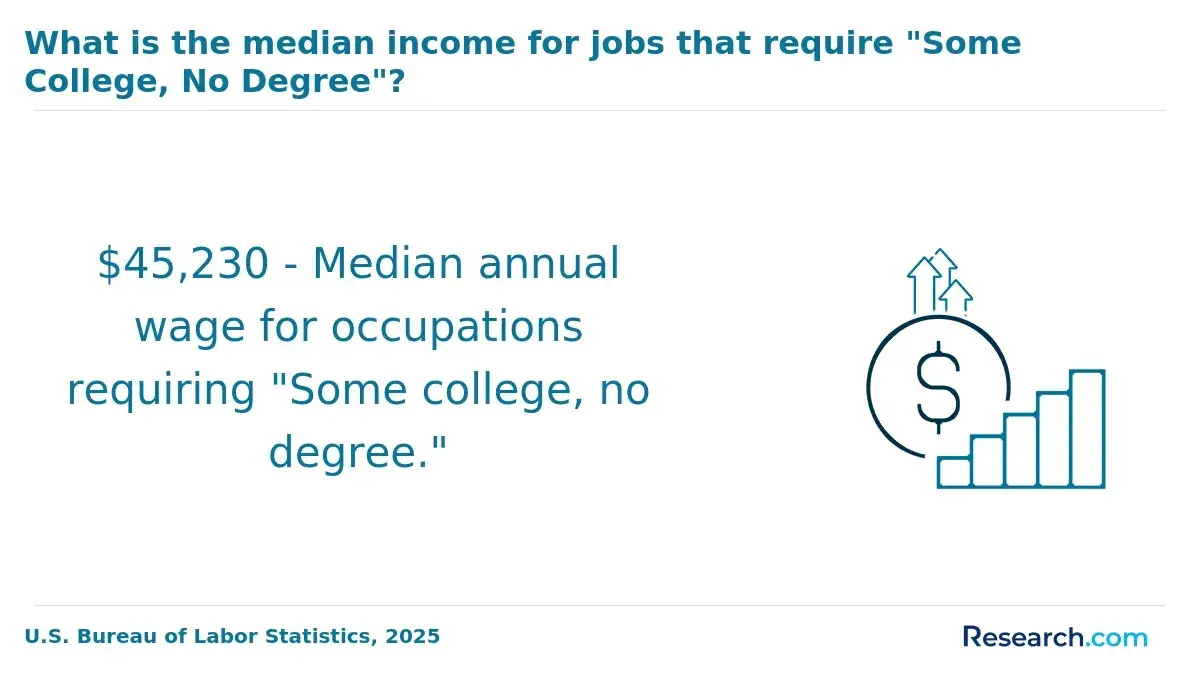
Employers in government agencies and nonprofits generally prefer candidates holding formal master's credentials, especially for mid-level analyst roles that pay $10,000-$20,000 more than those with certificates or bachelor's degrees. However, frontline roles may not require a full graduate degree, making targeted certificate programs attractive for quick skill updates with lower financial and time investments.
- Two-year MPH programs support substantial career advancement but delay credentialing, potentially slowing entry into dynamic policy roles.
- Certificate courses enable rapid skill acquisition but often limit eligibility for higher-paying positions.
- Working professionals must weigh immediate workforce demands against long-term positioning within public health policy labor markets.
For prospective students, program length and cost should intersect with realistic career objectives and employer expectations within their specific public health segment. Strategic decisions about education pathways influence not only earnings but also timing and flexibility in gaining relevant policy expertise.
What careers can graduates pursue in public health policy and analysis?
Graduates with online public health degrees focused on policy analysis commonly enter roles such as policy analysts, government health advisors, and advocacy specialists within state and local health departments, NGOs, and healthcare agencies. Approximately 36% of public health job postings in these agencies require skills in policy development, analysis, or advocacy, emphasizing the sector's demand for professionals able to interpret data rigorously and navigate regulatory frameworks.
For instance, a policy analyst in a state health department might evaluate chronic disease interventions by integrating compliance data and collaborating with epidemiologists, highlighting the need for both analytical precision and cross-disciplinary communication. Public health program coordinators convert policies into community initiatives, requiring operational know-how alongside regulatory insight. Advocacy positions in NGOs stress legislative communication and coalition building, often necessitating adaptability to shifting political landscapes.
Employers typically value candidates who combine policy expertise with management skills, reflecting the reality that resource-constrained agencies prefer versatile professionals. However, newcomers without practical government or advocacy experience face notable entry barriers, where internships or volunteer work often become essential. The divergence between government and nonprofit career paths also involves tradeoffs in job stability, required soft skills, and growth trajectories.
Beyond academic credentials, success depends on mastering legislative processes, strategic negotiation, and data interpretation to influence public health outcomes through policy-skills not guaranteed by coursework alone but honed through immersive experience.
What salary ranges and advancement opportunities exist in public health policy roles?
Public health policy roles increasingly demand strong quantitative skills, fundamentally shaping salary and advancement prospects. Entry-level pay typically ranges from $65,000 to $85,000, but mid-career analysts with data analysis expertise command $100,000 to $130,000, while senior roles combining biostatistics and policy can exceed $150,000 annually. This premium reflects a workforce shift: job openings requiring analytic capabilities have grown 52% from 2020 to 2024 versus 18% for non-analytic policy roles.
Professionals integrating statistical software, data visualization, and causal inference into policy work unlock leadership opportunities in governmental agencies, think tanks, and healthcare organizations. For example, a statewide health department policy advisor who acquires advanced analytics skills can reasonably expect to move into director-level positions in health informatics or strategic planning within five to seven years.
However, building this integrated skill set requires prioritizing rigorous quantitative training, which may extend study time and raise the technical bar. Without such expertise, public health policy professionals commonly face limited wage growth and restricted ascension to managerial roles. Choosing programs focused on data science integration aligns educational outcomes with employer expectations, mitigating the risk of stalled career trajectories amid evolving workforce demands.
Key employer expectations include:
- Fluency in statistical software packages
- Proficiency with data visualization tools
- Understanding of causal inference methodologies
Such competencies are not ancillary but prerequisites for sustainable career mobility and salary gains in health policy analysis fields.
How is the job outlook and employer demand for public health policy analysts?
Employers seeking public health policy analysts now demand advanced quantitative and economic modeling skills that many traditional MPH programs underemphasize. The ability to forecast regulatory outcomes, analyze fiscal impacts, and integrate cross-sector data defines competitiveness in this field. For instance, a state health department applicant without proficiency in health economics frameworks or systems modeling may struggle despite relevant experience.
Since 2020, 63% of online MPH programs have expanded coursework targeting these precise skills, signaling a shift driven by employer feedback on critical competency gaps. However, mere course completion does not guarantee mastery; professionals must also develop practical communication abilities to translate complex models into actionable guidance for non-technical audiences.
This evolving skill set imposes real tradeoffs for prospective students:
- Programs stressing foundational public health topics often lack emphasis on modeling proficiency, leaving graduates less prepared for policy-driven roles.
- Students should evaluate curriculum updates critically, prioritizing programs with quantifiable policy applications over generic content.
- Additional training or applied experience beyond the degree is typically necessary to meet employer expectations fully.
Without clear demonstration of these specialized skills, graduates risk diminished employability in a labor market increasingly driven by data-intensive policy analysis.
How can students evaluate and choose a reputable online public health policy program?
Choosing an online public health policy degree requires careful evaluation of accreditation and curriculum specificity, as CEPH accreditation remains a minimum indicator of quality. Employers in government and healthcare expect candidates trained not only in theory but also in quantitative policy analysis and health economics, with programs integrating relevant case studies yielding stronger workforce alignment.
Between 2022 and 2032, employment for health policy analysts and similar research specialists is projected to grow 17%, driven largely by complex health financing challenges and pandemic readiness demands. This growth favors candidates proficient in advanced economic and statistical techniques rather than generalist backgrounds.
Prospective students should prioritize programs demonstrating clear employment outcomes within 6 to 12 months and connections to agencies like federal health departments or Medicaid partnerships. For example, mid-career professionals targeting Medicaid policy roles benefit from degrees offering specific Medicaid coursework and practicum placements ensuring direct exposure to real-world policy environments.
Logistical factors matter: the availability of synchronous versus asynchronous formats affects accessibility without sacrificing rigor. Additionally, programs with strong alumni networks and mentorship typically provide more meaningful long-term career support than those focusing strictly on academic credentials.
Other Things You Should Know About Public Health
Yes, these programs typically require heavier quantitative coursework and data analysis than general public health degrees. Students must handle statistical software, interpret complex datasets, and apply policy modeling in real-world contexts. This workload demands strong analytical skills and a willingness to engage deeply with technical material, which can extend study time and impact work-study balance.
Prioritize programs with built-in experiential learning, such as internships or capstone projects tied to policy agencies. Employers value candidates who demonstrate applied skills in policy environments, which purely theoretical programs often lack. Practical experience directly improves job readiness and expands networking opportunities in competitive public health policy fields.
Employer acceptance hinges on program reputation and accreditation rather than delivery format alone. Graduates from reputable, well-established online programs with a clear policy focus face no inherent disadvantage. However, newer or less rigorous online programs may raise concerns about candidate preparation and networking, influencing hiring outcomes.
Pursuing a master's in public health policy can significantly enhance your career prospects and deepen your understanding of complex policy analysis, even if you have prior experience. Advanced degrees offer specialized training in areas like data evaluation and strategic policy implementation, which are highly valued by employers and crucial for leadership roles.
References
- Health Policy and Public Health Career Paths https://pathologylabtraining.co.uk/biomedical-sciences/health-policy
- Top 30 Online MPH Health Policy & Management Programs - MPH Online https://www.mphonline.org/best-public-health-policy-degree/
- Career Paths for MPH Graduates: Top Job Roles in Public Health https://www.unicaf.org/career-paths-for-mph-graduates-top-job-roles-in-public-health/
- Higher Education Accreditation: Ensuring Quality and Standards https://www.qahe.org/article/higher-education-accreditation-ensuring-quality-and-standards/
- Online Master's in Public Health (MPH): Review Top Programs https://www.degreesforgood.org/online-degrees/public-health-programs/masters-mph/
- Online Public Policy Analysis Certificate - Graduate School of Public Policy https://www.schoolofpublicpolicy.sk.ca/programs/certificate-programs/online-public-policy-analysis-certificate.php
- Admission Requirements https://www.ualberta.ca/en/education/programs/undergraduate-programs/admission-requirements.html
- Highest Paid Public Health Careers https://www.publichealthdegrees.org/careers/highest-paid-public-health-jobs/
- Assuring the Best: Top Strategies for Quality Assurance and Accreditation in Education https://www.ieac.org.uk/38-Assuring-the-Best-Top-Strategies-for-Quality-Assurance-and-Accreditation-in-Education-blog.php
- How to choose a bachelor's in public health | edX https://www.edx.org/resources/how-to-choose-a-bachelors-in-public-health