2027 Hybrid vs Fully Online Art History Bachelor's Degree Programs

Co-Founder and Chief Data Scientist
Choosing between a hybrid and a fully online Art History bachelor’s degree is less about which format is “better” and more about which one matches your schedule, location, learning style, and career goals. A student who lives near campus and wants direct access to faculty, museums, galleries, or peer discussion may benefit from a hybrid format. A working adult, military learner, caregiver, or student far from campus may need the access and schedule control of a fully online program.
The format matters because it affects far more than where you attend class. It can shape your weekly routine, networking opportunities, technology demands, tuition and fees, access to collections, and how you build research and communication skills. Recent studies reveal that nearly 40% of online art history graduates report increased employment opportunities due to program format, which makes the delivery model an important part of the degree decision.
This guide compares hybrid and fully online Art History bachelor’s degrees across admissions, learning experience, flexibility, workload, tuition, employer perception, and student fit so you can choose the option that supports both your current responsibilities and long-term plans.
Key Benefits of Hybrid vs Fully Online Art History Bachelor's Degree Programs
- Hybrid programs offer increased flexibility by blending online coursework with scheduled in-person sessions, accommodating diverse learning preferences more than fully online formats.
- In-person interaction in hybrid programs enhances engagement and networking opportunities, which fully online students may find limited, impacting collaborative learning and mentorship.
- Hybrid formats better support balancing education with work and personal life, as they provide structured campus involvement alongside asynchronous online flexibility, aiding time management for busy students.
What Is a Hybrid vs Fully Online Art History Bachelor's Degree?
A hybrid Art History bachelor’s degree combines online coursework with required in-person learning, while a fully online Art History bachelor’s degree delivers the entire program through digital platforms. Both formats usually cover the same core academic areas: visual analysis, global art movements, research methods, museum studies, cultural history, and upper-level seminars. The main difference is how students participate, communicate, and access learning resources.
Nearly 45% of undergraduate students take at least some courses online, so both formats now sit within a broader shift toward flexible undergraduate education. Still, students should not assume that “online” and “hybrid” feel the same in practice. A hybrid program may require travel, scheduled attendance, and direct participation on campus. A fully online program may require more self-direction, stronger digital organization, and comfort learning without regular face-to-face contact.
Hybrid Programs
- Delivery: Coursework blends online modules with on-campus meetings, seminars, workshops, critiques, exams, or group activities.
- Student interaction: Learners meet faculty and classmates in person, which can strengthen discussion, accountability, and academic relationships.
- Access to physical resources: Students may use campus libraries, collections, archives, museums, galleries, and studio or seminar spaces when required or available.
- Schedule structure: Hybrid programs offer some online flexibility but still require students to plan around campus sessions and commute time.
- Best fit: This format works well for students who live within reasonable distance of campus and want a balance of independence and direct engagement.
Fully Online Programs
- Delivery: Lectures, readings, discussions, exams, advising, and assignments are completed through a learning management system or other online tools.
- Student interaction: Communication usually happens through discussion boards, email, video meetings, group platforms, and instructor feedback.
- Access to digital resources: Students rely heavily on online libraries, image databases, virtual museum collections, recorded lectures, and multimedia archives.
- Schedule structure: Many courses are asynchronous, meaning students complete work by deadlines rather than attending at a fixed time.
- Best fit: This format is often stronger for students who need location independence, flexible study hours, or the ability to keep working while enrolled.
Students comparing undergraduate and future graduate pathways sometimes also research related options such as the cheapest PhD programs online, especially if they are considering long-term academic or research goals.
How Does a Hybrid vs Fully Online Art History Bachelor's Degree Program Work?
Hybrid and fully online Art History bachelor’s programs usually follow the same basic academic path: general education courses, major requirements, electives, research assignments, and often a capstone or senior project. The difference is the rhythm of the program. Hybrid students divide their time between campus and online work. Fully online students complete all academic activity remotely.
According to the National Center for Education Statistics, more than 40% of undergraduate students recently took at least one online course, showing that digital course delivery is no longer unusual. However, students should look closely at each program’s calendar, attendance policy, technology requirements, and course format before enrolling.
Hybrid Programs
- Course delivery: Students complete some lectures, readings, quizzes, research tasks, and discussions online while attending scheduled campus sessions.
- On-campus requirements: A hybrid art history bachelor's degree program structure may include in-person seminars, exams, orientation sessions, museum visits, group presentations, or faculty meetings.
- Weekly schedule: Hybrid programs are less flexible than fully online programs because campus meetings occur at fixed times, but they may provide more routine and accountability.
- Class participation: Students engage through both live classroom discussion and online forums, which can help them practice verbal and written analysis.
- Faculty access: Communication may happen before or after class, during office hours, by email, and through online course platforms.
Fully Online Programs
- Course delivery: All lectures, readings, image analysis exercises, research assignments, exams, and discussions are completed online.
- Class format: Many courses are asynchronous, though some programs may still include scheduled video sessions, group meetings, or live presentations.
- Weekly schedule: Students often work around weekly deadlines rather than fixed class meetings, which gives more control but requires stronger planning.
- Class participation: Discussion boards, annotated images, recorded presentations, peer responses, and virtual meetings replace most in-person interaction.
- Student support: Advising, library help, tutoring, career services, and faculty communication are usually handled through email, chat, phone, video, or student portals.
Students comparing formats should also think about broader academic fit. For example, those exploring interesting majors that pay well may want to evaluate not only subject interest but also how the program format supports internships, portfolios, research experience, and career preparation.
Are Admission Requirements Different for Hybrid and Fully Online Art History Bachelor's Degrees?
Admission requirements are usually similar for hybrid and fully online Art History bachelor’s degrees because both are undergraduate degree programs offered by colleges and universities. Applicants commonly submit transcripts, an application form, and any institution-specific materials. The differences tend to appear in enrollment logistics rather than academic standards.
Students should confirm whether the program is designed for first-year students, transfer students, degree-completion students, or adult learners. They should also verify accreditation, transfer credit rules, residency requirements, and whether the program requires any campus attendance before applying.
- Academic requirements: Both formats generally expect applicants to meet standard undergraduate admission criteria set by the institution. These may include prior coursework, GPA expectations, transfer credit evaluations, or general education requirements.
- Residency and attendance requirements: Hybrid programs may require students to live close enough to attend campus sessions or to travel to campus at specific points in the term. Fully online programs typically do not require campus attendance because the coursework is remote.
- Technology expectations: Fully online applicants should be prepared to show or certify access to a reliable computer, high-speed internet, updated software, and the ability to use learning platforms. Hybrid students also need technology access, but they may have more opportunities to use campus facilities.
- Orientation and onboarding: Hybrid programs may require in-person orientation, campus ID setup, health documentation, or attendance at department events. Fully online programs often use virtual orientation modules, remote advising, and online readiness checks.
- Portfolio or writing sample: Some Art History programs may request a writing sample, statement of purpose, or evidence of academic readiness. If requested, applicants should use these materials to show visual analysis skills, research interest, and clear academic motivation.
- Personal statement focus: Hybrid applicants can emphasize collaboration, discussion-based learning, and interest in campus or museum resources. Fully online applicants should show self-motivation, time management, and readiness for independent study.
Questions to Ask Admissions Before Applying
- Are any campus visits, residencies, exams, orientations, or presentations required?
- Can transfer students complete the major fully online, or are some upper-level courses campus-based?
- Are online students charged different fees from hybrid students?
- Does the program provide remote access to library databases, image archives, tutoring, and career services?
- Will the diploma or transcript identify the delivery format, or only the degree earned?
Is the Learning Experience Better in Hybrid vs Online Art History Bachelor's Degrees?
The better learning experience depends on how you learn best. Hybrid programs often provide richer live discussion, easier relationship-building, and better access to physical collections. Fully online programs offer stronger convenience, broader access for remote students, and more control over when learning happens. Neither format is automatically superior; quality depends on course design, faculty engagement, student support, and how well the format fits your life.
Where Hybrid Programs Can Be Stronger
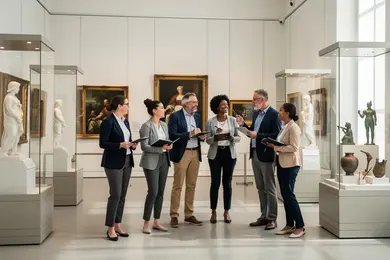
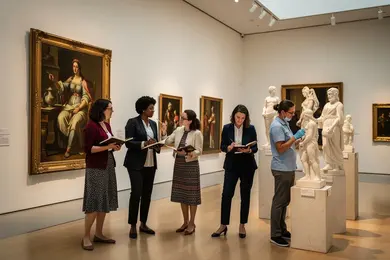
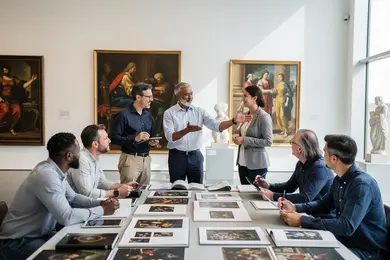
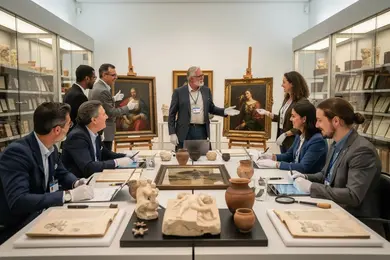
Hybrid Art History programs can be especially valuable when coursework benefits from live conversation, object-based learning, or direct exposure to cultural spaces. In-person seminars make it easier to debate interpretations, ask follow-up questions, and receive immediate feedback. Campus-based programs may also connect students to galleries, museums, archives, visiting lectures, faculty-led events, and peer networks.
The trade-off is that these benefits require time and travel. A student with a changing work schedule, caregiving responsibilities, mobility constraints, or a long commute may find that the in-person requirement becomes a barrier rather than an advantage.
Where Fully Online Programs Can Be Stronger
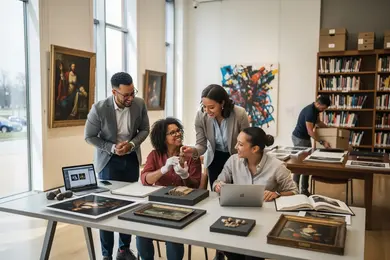
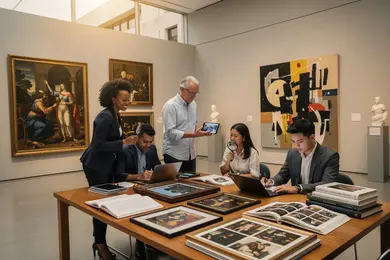
Fully online Art History programs can be effective for students who learn well through reading, recorded lectures, digital collections, writing, and independent research. Online courses often let students revisit lectures, pause visual analysis demonstrations, review feedback carefully, and work during the hours when they are most focused.
The main risk is isolation. Students who do not actively participate may miss the academic momentum that comes from live discussion. Strong online programs address this through regular instructor feedback, structured discussion, virtual office hours, peer review, online research support, and access to high-quality digital image resources.
How to Judge Program Quality
- Look for interaction: A strong program should offer meaningful faculty contact, not just recorded lectures and automated quizzes.
- Check research support: Art History students need access to scholarly databases, image archives, citation help, and library assistance.
- Review course examples: Look for assignments that build visual analysis, historical argumentation, writing, and research skills.
- Ask about experiential learning: Hybrid students may use local museums; online students should ask about virtual exhibitions, digital archives, internships, or local fieldwork options.
- Consider your motivation style: If deadlines and in-person meetings keep you accountable, hybrid may help. If autonomy helps you perform better, online may be a better match.
Which Is More Flexible: Hybrid or Fully Online Art History Bachelor's Degree?
A fully online Art History bachelor’s degree is usually more flexible than a hybrid degree because students can complete the program without traveling to campus. Hybrid programs offer partial flexibility, but required in-person meetings limit when and where students can participate.
A 2022 Online Learning Consortium survey found that 73% of students in fully online programs prioritize flexibility, which reflects one of the main reasons students choose remote learning. However, flexibility should be evaluated carefully. A program may be fully online but still require weekly deadlines, group projects, scheduled exams, or live video sessions.
Hybrid Flexibility
- Best advantage: Students get some online convenience while keeping access to campus discussion, faculty, and physical resources.
- Main limitation: Required campus meetings can conflict with work, caregiving, travel distance, transportation, or unpredictable schedules.
- Good fit for: Students who live near campus, can plan ahead, and want structure without attending every class in person.
Fully Online Flexibility
- Best advantage: Students can study from any location with internet access and often complete work outside traditional class hours.
- Main limitation: Flexibility shifts more responsibility to the student. Without a routine, coursework can pile up quickly.
- Good fit for: Working adults, caregivers, military-connected students, transfer students, and learners who cannot commute or relocate.
Flexibility Factors to Compare
- Are courses asynchronous, synchronous, or a mix of both?
- Are exams proctored online, on campus, or at testing centers?
- Can students enroll part time?
- Are internship or fieldwork requirements local, virtual, or campus-based?
- How often are required courses offered?
- Can online students access the same advising, library, and career services as campus students?
Students comparing flexible online formats in other fields may also review the best online criminal justice degree offerings to see how online programs organize remote advising, course access, and student support.
What Is the Workload for Hybrid vs Fully Online Art History Bachelor's Degrees?
The workload for hybrid and fully online Art History bachelor’s degrees is usually comparable because both formats must meet the academic expectations of a bachelor’s program. Research indicates that students enrolled in online and hybrid courses typically dedicate between 6 to 9 hours weekly to coursework, though individual demands may vary. The difference is not necessarily how much work students do, but how the work is scheduled and managed.
Hybrid Workload
Hybrid students divide their workload between scheduled campus activities and online assignments. In-person meetings can make the week feel more structured because students know when they must attend class, participate in discussion, or complete group activities. This can help students stay on pace, especially in reading-heavy courses.
At the same time, hybrid students must account for hidden time costs. Commuting, parking, campus transitions, and schedule gaps can add pressure. A student who works full time may find that a single required campus evening affects the rest of the week.
Fully Online Workload
Fully online students usually complete readings, lectures, discussion posts, image analysis assignments, research papers, exams, and presentations through digital platforms. The work may feel more flexible, but it is not lighter. In fact, students who underestimate the time required for reading and writing can fall behind quickly.
Because there are fewer built-in attendance checkpoints, fully online learners need a weekly plan. Successful students often set fixed study blocks, track deadlines in one calendar, and begin research papers early rather than waiting until discussion posts and major assignments overlap.
Common Workload Challenges
- Heavy reading: Art History courses often require dense scholarly texts, exhibition catalogs, primary sources, and historical context.
- Visual analysis: Students must learn to describe, compare, and interpret artworks precisely, which takes practice and revision.
- Research writing: Upper-level courses may require evidence-based essays, citations, and engagement with academic sources.
- Discussion expectations: Online and hybrid courses may grade participation through posts, replies, seminars, or presentations.
- Project timing: Papers, exams, and presentations can cluster near midterms and finals, so early planning matters.
How Does Tuition Compare for Hybrid vs Online Art History Bachelor's Degrees?
Tuition for hybrid and fully online Art History bachelor’s degrees depends on the institution, residency policy, credit requirements, fee structure, and whether the program is public, private, in-state, out-of-state, or transfer-friendly. According to a 2022 report from the National Center for Education Statistics, hybrid programs generally charge slightly higher tuition rates than fully online options due to extra facility and administrative expenses.
Students should compare total cost of attendance, not just tuition per credit. A program that looks cheaper at first may include technology fees, course fees, proctoring fees, travel costs, or required campus visits. A hybrid program may justify higher fees if it provides meaningful access to facilities, collections, events, or local professional networks.
- Per-credit costs: Hybrid programs may charge more when students use on-campus resources and facilities. Fully online programs may have lower rates when overhead costs are reduced, though this varies by school.
- Technology fees: Fully online students often pay fees for learning platforms, digital libraries, technical support, and online student services. Hybrid students may pay similar technology fees in addition to campus-based charges.
- Campus and facility fees: Hybrid learners may face fees tied to student services, facilities, health services, parking, or other campus resources. Fully online learners may avoid some of these costs.
- Travel costs: Hybrid students should budget for commuting, parking, transit, meals, or occasional lodging if campus visits are required.
- Materials: Both formats may require textbooks, museum access, software, digital image tools, or research materials. Online students should also consider computer and internet costs.
- Payment flexibility: Fully online programs may offer installment or subscription-style payment options, while hybrid programs may follow standard campus billing cycles.
Cost Questions to Ask Before Enrolling
- Is tuition the same for online, hybrid, in-state, and out-of-state students?
- Which fees are mandatory, and which are tied to campus access?
- Are there extra costs for proctored exams, software, image databases, or online course platforms?
- Can transfer credits reduce the total number of credits needed?
- Are online students eligible for the same institutional aid, scholarships, and payment plans?
- Are campus visits required, and if so, how often?
Do Employers Prefer Hybrid or Fully Online Art History Bachelor's Degrees?
Employers usually care more about the institution, accreditation, skills, experience, portfolio, internships, writing ability, and professional readiness than whether an Art History degree was hybrid or fully online. A recent survey by the National Association of Colleges and Employers (NACE) found that over 80% of employers value online degrees on par with traditional face-to-face education, which suggests that online credentials have become more widely accepted.
That said, employer perception can vary by role. Art History graduates may pursue museum work, galleries, archives, education, publishing, cultural nonprofits, digital humanities, communications, or graduate study. Some settings value direct object-based experience and in-person collaboration, while others prioritize digital research, writing, content creation, and remote communication skills.
- Accreditation and school reputation: A degree from an appropriately accredited institution is more important than the delivery format. Students should verify accreditation before enrolling.
- Relevant experience: Internships, volunteer work, museum or gallery experience, research assistantships, digital projects, and writing samples can make a graduate more competitive.
- Interpersonal skills: Hybrid programs may help students build presentation, seminar discussion, networking, and collaboration skills through in-person activities.
- Digital skills: Fully online programs can demonstrate self-direction, digital communication, remote collaboration, and comfort with online archives and research tools.
- Hands-on exposure: For roles involving collections, curation, conservation support, or gallery operations, students should seek practical experience regardless of degree format.
- Career alignment: Museum curation or academic research roles may value in-person experiences and advanced study, while digital content, arts administration, and communications roles may view online and hybrid degrees more similarly.
Students interested in digital-facing career paths may also compare related programs such as a social media marketing online degree, where online learning, content strategy, communication, and portfolio development can be central to employability.
Who Should Choose a Hybrid vs Fully Online Art History Bachelor's Degree?
Choose a hybrid Art History bachelor’s degree if you want structured interaction and can realistically attend campus requirements. Choose a fully online Art History bachelor’s degree if you need maximum location flexibility and can manage your time independently. The best choice is the one you can complete successfully while building the academic and professional experiences your goals require.
Choose a Hybrid Program If You:
- Want face-to-face discussion: You learn best through live seminars, immediate feedback, and direct debate about artworks, artists, movements, and historical interpretation.
- Live near campus: You can attend required sessions without major disruption to work, family, transportation, or finances.
- Value physical resources: You want access to campus libraries, archives, galleries, museums, faculty events, or local cultural institutions.
- Need built-in structure: You benefit from scheduled meetings, regular attendance expectations, and in-person accountability.
- Want campus networking: You are looking for stronger peer connections, faculty relationships, and local internship or volunteer leads.
Choose a Fully Online Program If You:
- Need schedule control: You are balancing work, caregiving, military service, relocation, or other responsibilities that make campus attendance difficult.
- Live far from campus: You want access to an Art History degree without moving or commuting.
- Are self-directed: You can plan your week, meet deadlines, participate online, and ask for help before problems become serious.
- Prefer digital learning: You are comfortable using online libraries, image databases, virtual collections, video lectures, and discussion boards.
- Want continuity: You need a format that can continue through job changes, relocation, family demands, or travel.
Avoid These Common Mistakes
- Choosing hybrid without checking how often campus attendance is required.
- Choosing fully online because it seems easier, rather than because it fits your learning style.
- Ignoring internship, fieldwork, or capstone requirements until late in the program.
- Comparing tuition only, without reviewing fees, travel, technology, and transfer credits.
- Assuming employers will judge format more heavily than skills, experience, and accreditation.
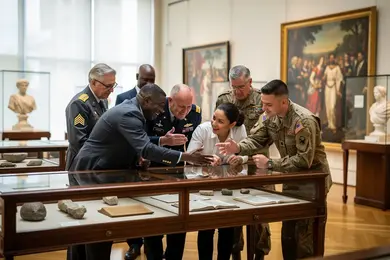
Students connected to military service may also want to explore online colleges for military that offer support structures for mobile learners, transfer credits, and flexible enrollment needs.
How Can I Succeed in a Hybrid vs Fully Online Art History Bachelor's Degree Program?
Success in either format requires more than completing weekly assignments. Art History students need to read carefully, analyze images precisely, write persuasive arguments, use scholarly sources, and participate in academic discussion. The right habits differ slightly by format, but the foundation is the same: stay organized, engage early, and build evidence of your skills throughout the degree.
Strategies for Hybrid Students
- Plan around campus days: Block out commuting, class time, office hours, library use, and group meetings so campus visits become productive rather than rushed.
- Use in-person access intentionally: Ask questions after class, attend lectures or exhibitions, visit collections, and connect with faculty while you are on campus.
- Prepare before seminars: Complete readings and image reviews before class so you can contribute meaningfully to discussion.
- Coordinate group work early: Hybrid courses may include presentations or collaborative projects, so set responsibilities and deadlines before schedules become difficult.
- Connect campus and online work: Use online discussion boards, digital notes, and research tools to extend what you learn during in-person sessions.
Strategies for Fully Online Students
- Create a fixed weekly routine: Treat online coursework like scheduled class time, even when lectures are recorded or assignments are asynchronous.
- Participate consistently: Post thoughtful discussion responses, attend optional video sessions when possible, and engage with classmates rather than working in isolation.
- Communicate early: Contact instructors when instructions, readings, citations, or project expectations are unclear. Do not wait until a deadline has passed.
- Build a strong study environment: Use a quiet space, reliable internet, organized files, and a calendar that tracks every deadline.
- Use digital resources deeply: Learn how to navigate online databases, museum collections, image archives, citation tools, and virtual library support.
Strategies for Both Formats
- Keep a research portfolio: Save strong papers, presentations, exhibition reviews, annotated bibliographies, and digital projects for internships, jobs, or graduate applications.
- Practice visual analysis: Build the habit of describing formal qualities, historical context, materials, iconography, and interpretation with precision.
- Seek applied experience: Look for internships, volunteer roles, campus projects, local museum opportunities, gallery work, or digital humanities projects.
- Use advising: Meet with academic and career advisors to choose courses that support your goals, whether that means museum work, teaching, graduate study, arts administration, or communications.
- Watch deadlines: Art History assignments often involve research and revision. Start early enough to locate sources, draft arguments, and improve citations.
What Graduates Say About Hybrid vs Fully Online Art History Bachelor's Degree Programs
- Derrick: "Choosing the fully online art history bachelor's program was a game-changer for me since it allowed me to balance my freelance work with studying. The flexibility of accessing lectures and materials anytime made managing deadlines much easier. This degree has not only deepened my appreciation for art but also opened doors to museum internship opportunities I wouldn't have otherwise accessed."
- Arjun: "Enrolling in a hybrid art history degree was initially challenging, especially juggling on-campus sessions with online coursework. However, the blend of in-person discussions and digital resources provided a richer learning experience that fit my busy schedule. Completing this program has strengthened my research skills and boosted my confidence to pursue curatorial positions in the future."
- Elias: "The decision to pursue an online art history bachelor's was driven by my relocation and need to continue education without interruption. Navigating through virtual lectures and interactive forums helped me stay engaged despite distance. Professionally, the degree has given me the credentials to advance in the gallery management field while continuing remote work."
Other Things You Should Know About Art History Degrees
Both hybrid and fully online art history programs in 2027 require a reliable internet connection, a recent-model computer with video conferencing capabilities, and access to digital art history databases. Specific software for virtual classes and coursework submission varies by program.
Internship availability can vary by program, but both hybrid and fully online art history degrees often include options for internships in galleries, museums, or cultural organizations. Hybrid programs might facilitate local, in-person internships more directly, while fully online programs may help students find remote or location-independent internships. These practical experiences are important for applying academic concepts to real-world art settings.
Assessments in 2027 hybrid art history programs often include a mix of online quizzes, essays, and in-person presentations. Fully online programs typically evaluate students through digital exams, essays, and online discussion participation. Both formats prioritize comprehensive understanding of art history.
Hybrid art history programs typically offer more direct faculty interaction through in-person sessions, providing immediate support. Fully online programs rely on digital communication, which may offer flexible but sometimes less personalized faculty access. Both formats aim to maintain robust support systems through various communication tools.
References
- 4 Flexible Ways to Earn a College Degree on Your Schedule https://www.stjohns.edu/news-media/johnnies-blog/4-flexible-ways-earn-college-degree-your-schedule-0
- Difference between Hybrid, Online & In-Class Degree Programmes | BSBI https://www.berlinsbi.com/blog/what-is-the-difference-between-hybrid-online-and-in-class-degree-programmes
- Hybrid Learning: Where Students and Institutions Currently Stand https://encoura.org/resources/wake-up-call/hybrid-learning-where-students-and-institutions-currently-stand
- What are the benefits of pursuing a Bachelor of Arts through e-learning? https://www.umu.com/ask/q11122301573854150007
- Employers View On Online Degrees Versus Traditional Graduate Degrees https://www.universityherald.com/articles/59528/20170110/online-degree-versus-traditional-graduate-job-employers.htm
- The Rise of Hybrid & Online Degrees: Are They Worth It? | EdNet Consultants https://www.ednetconsultants.com/the-rise-of-hybrid-online-degrees-are-they-worth-it/
- Cost of Online Education vs. Traditional Education [2025]: Comparison https://educationdata.org/cost-of-online-education-vs-traditional-education
- SECAC Summary: Pedagogically Sound Approaches for Hybrid and Online Learning https://arthistoryteachingresources.org/2017/11/secac-summary-pedagogically-sound-approaches-for-hybrid-and-online-learning/
- Online and hybrid college programs explained. Flexibility, risk, and the real value equation | CG https://collegegrind.org/posts/online-and-hybrid-college-programs-explained/