2027 Online Art History Bachelor's Degree Programs That Accept Transfer Credits

Co-Founder and Chief Data Scientist
Transferring college credits can be a complex hurdle for students pursuing an online art history bachelor's degree, especially when previous coursework varies widely between institutions. Nearly 40% of transfer students experience credit loss or delays in graduation due to incompatible course requirements. This challenge often extends the time and cost needed to complete the degree, deterring many from finishing their studies. Understanding which programs accept transfer credits and how they evaluate prior learning is crucial for efficient academic progress.
This article examines online art history bachelor's degree programs that facilitate credit transfer to help prospective students maximize their previous coursework and accelerate degree completion.
Key Benefits of Online Art History Bachelor's Degree Programs That Accept Transfer Credits
- Students who transfer credits into online art history bachelor's programs typically reduce their time to degree completion by up to 40%, allowing quicker entry into the workforce.
- Accepting prior credits significantly lowers tuition costs, with some institutions offering savings of thousands of dollars by avoiding redundant coursework.
- Flexible transfer policies accommodate diverse academic backgrounds, enabling students to balance studies with work or personal commitments more effectively.
Who Should Consider an Online Art History Bachelor's Degree With Transfer Credits?
Online art history bachelor's degree programs with transfer credits are well-suited for students who have already completed some college coursework and want a streamlined path to finishing their degree. According to the National Student Clearinghouse Research Center, nearly 40% of college students nationwide transfer credits during their academic journey, underscoring the importance of transfer credit policies for online art history degrees. These programs reduce repetition and time to completion by allowing students to apply prior credits toward their degree requirements. Below are some groups who benefit most from these options.
- Students with Prior Credits: Individuals who have completed some college courses can use their existing credits instead of repeating similar content, accelerating their path to a bachelor's degree.
- Working Professionals: Those balancing careers often prefer programs that provide flexibility. Online formats allow them to continue working while earning a degree without disrupting their schedules.
- Adult Learners: Adults returning to education after a break can take advantage of transfer credit acceptance and flexible pacing to manage education alongside family and other responsibilities.
- Flexible Learners: Students who need to prioritize location and pace benefit from asynchronous online courses, which allow study at convenient times and places without sacrificing quality.
- Military Veterans: Service members transitioning to civilian education often have transferable credits from military training and coursework, making these programs an effective way to continue their education.
Choosing an online art history bachelor's program with transfer credits helps students customize their educational experience, save on costs, and complete degrees efficiently. For those searching for affordable, flexible options, exploring a bcba degree online program may provide additional insights into how credit transfer can support accelerated educational goals.
How Many Credits Can I Transfer Into an Online Art History Bachelor's Degree?
Students transferring credits into an online art history bachelor's degree program can typically expect to transfer between 30 and 90 semester credits, with many programs capping at around 60 to 75 credits. These maximum credits accepted in online art history degree programs help ensure that students complete a substantial portion of coursework within the institution's curriculum.
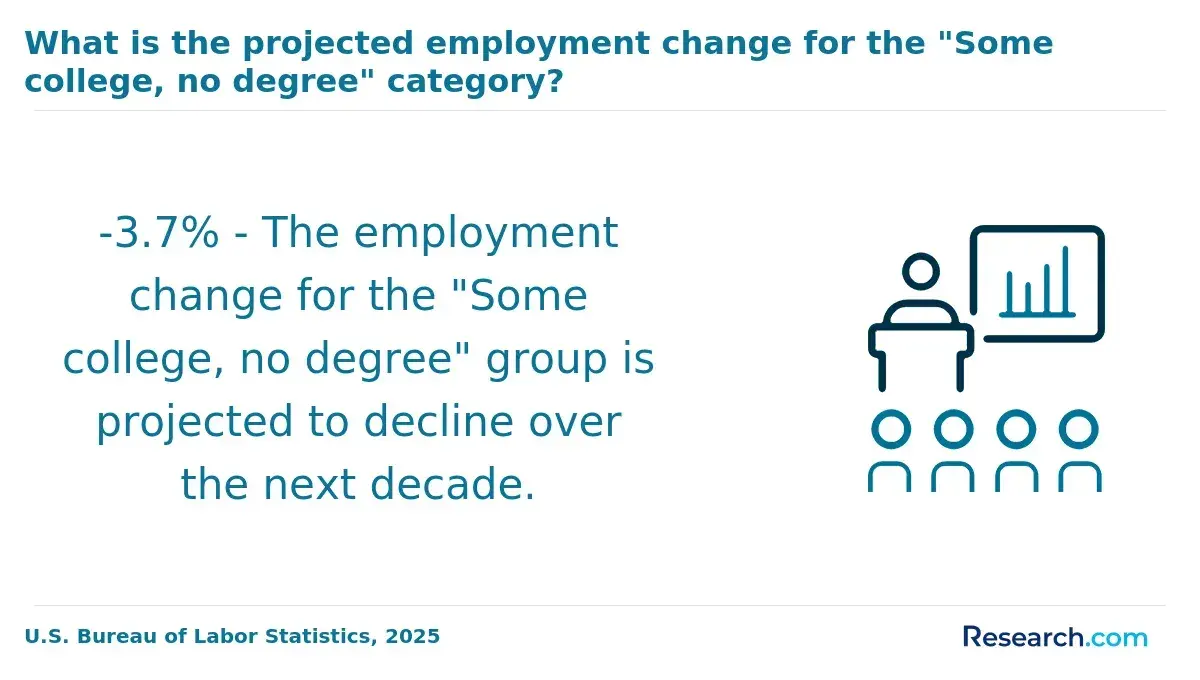
National data shows that roughly 64% of bachelor's degree completers transfer some credits, underlining the significance of transfer policies in degree completion timelines. Transferring credits can greatly impact an online art history degree's cost and duration, making it worthwhile to explore transfer limits carefully.
The amount of transfer credit allowed depends on several factors, such as accreditation and course compatibility. Credits from regionally accredited institutions have a stronger chance of acceptance, since accreditation assures academic quality. Additionally, transferred courses must closely match the subject matter and level of the art history program, with general education credits often transferring more easily than highly specialized courses. Students aiming to maximize their transfers should review their previous coursework carefully and compare it to the target program.
For those seeking additional information on costs related to online degrees, resources like online engineering degree cost can provide helpful insights into affordability across fields.
2026 Update: Check Degree Fit After Your Transfer Evaluation
For 2026, this section adds guidance on what to review after a program accepts your credits, so students can see whether the remaining requirements still fit their goals and schedule.
- Whether transferred art, history, or humanities courses satisfy major requirements or only general electives.
- How many upper-division art history courses must still be completed through the new institution.
- Whether required courses are offered online often enough to avoid waiting for a future term.
- If the program includes a capstone, research seminar, internship, or portfolio-style project near graduation.
- Whether language, museum studies, digital humanities, or methods courses are required for the degree path.
- How remaining courses align with goals such as graduate school, museum work, education, or arts administration.
Looking beyond the number of accepted credits helps students choose a program that not only transfers coursework efficiently but also supports their next academic or career step.
Many online art history bachelor's degree programs accept various types of academic credits to help students reduce both time and expense in completing their studies. Research shows nearly 60% of students pursuing online degrees use transfer credits, highlighting their key role in accelerating educational progress. Below are common categories of transferable credits for these programs.
- Community College Courses: Credits from regionally accredited community colleges are often accepted, especially for general education or introductory art history credits that align with the college's curriculum.
- Advanced Placement and International Baccalaureate: Exam credits earned through AP or IB programs in high school can satisfy foundational requirements if they meet the institution's minimum score criteria.
- Military Training: Coursework and training completed in the military may qualify as transfer credit when properly evaluated by recognized bodies, allowing relevant military education to count toward degree requirements.
- Professional Certifications: Some programs consider relevant certifications or professional development courses on an individual basis, potentially applying them to elective or general education credits.
One graduate recalled that navigating the transfer credit evaluation was initially overwhelming due to the different documentation needed and varying evaluation standards. He explained, "It took some patience to gather transcripts, military evaluations, and certification records, then work with the admissions office to clarify what counted." Although the process was complex, he appreciated the flexibility, noting, "Being able to use credits from past experiences really shortened my path and made the degree feel more attainable." This firsthand experience shows how transfer credits can transform the online art history degree journey by valuing diverse educational backgrounds.
Transfer credit policies for online art history bachelor's degrees are shaped by academic standards and institutional requirements that safeguard educational quality. Surveys show nearly 70% of U.S. colleges have formal evaluation processes to verify that transfer courses meet necessary criteria before acceptance. The following key rules commonly govern transfer credit eligibility for online art history bachelor's degrees.
- Accreditation Requirements: Credits must originate from regionally accredited institutions to ensure alignment with recognized academic standards, which facilitates the transfer process.
- Course Equivalency: Transferred courses should match the content and rigor of required art history classes. Schools often perform detailed comparisons to confirm curricular and learning outcome alignment.
- Minimum Grade Standards: Typically, a passing grade equivalent to a C or higher is necessary to qualify courses for transfer, ensuring adequate subject mastery.
- Credit Limits: Programs usually restrict the total number of credits accepted, often capping transfers between 60 and 90 semester hours, so a substantial portion of the degree is completed within the institution.
- Time Restrictions: Some institutions exclude credits earned beyond a set number of years prior to enrollment to maintain content relevance in an evolving academic field.
Prospective students interested in maximizing transfer credits can also explore related options like the easiest msw programs to get into, which reflect similar institutional credit policies.
Transfer policies differ widely across institutions, with some colleges showing greater flexibility toward accepting transfer credits for online art history bachelor's degree programs. Nearly 38% of undergraduates in the U.S. transfer at least once, underscoring the value of institutions that accommodate prior coursework. The following types of colleges generally provide the most supportive environments for transfer students:
- Public Universities: These schools frequently maintain transfer agreements with community colleges or other universities, enabling smoother credit acceptance and progression toward degree completion.
- Online-Focused Institutions: Schools concentrating on online education often build adaptable curricula designed to recognize a diverse range of previous academic experiences.
- Adult-Friendly Programs: Programs aimed at adult learners typically offer flexible credit recognition to help students accelerate graduation while balancing work or family responsibilities.
- Regional Colleges with Articulation Agreements: By partnering with local community colleges, these institutions clarify credit transfer pathways, making the process more transparent and manageable.
- Private Colleges with Transfer Support: Some private schools provide dedicated advisors and straightforward policies to ease the transition for students bringing credits from other institutions.
When discussing transfer-friendliness, a graduate from an online art history bachelor's program shared her experience of navigating the transfer process. She described facing anxiety initially, uncertain about how many credits would carry over or if her prior courses aligned with degree requirements. However, the availability of a helpful transfer advisor and a clear credit evaluation process eased her concerns. She appreciated how the program's flexibility allowed her to focus on specialized art history topics without retaking foundational courses, ultimately shortening her time to graduation. This positive transfer experience reinforced her belief in researching schools with student-centered credit policies, especially for nontraditional learners seeking efficient degree completion.
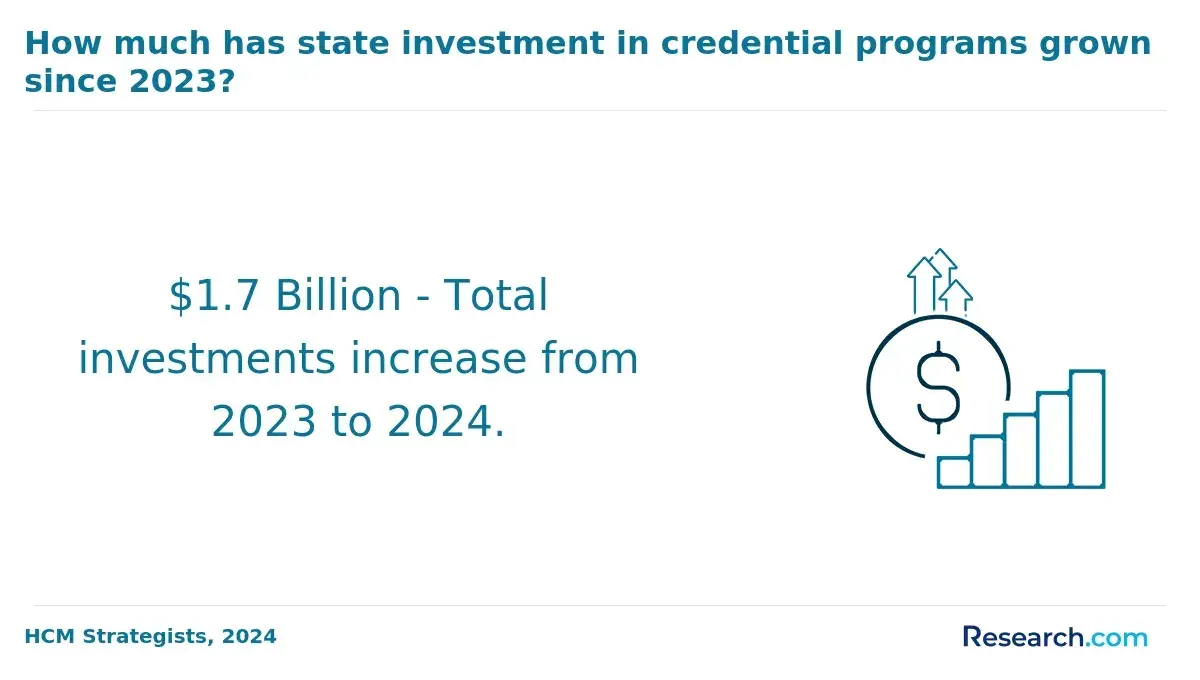
Certain online art history bachelor's degree programs are structured to maximize acceptance of transfer credits, with some allowing up to 75% of total credits to be transferred. This flexibility reflects the growing need to accommodate students who bring prior academic experience. The following traits are commonly found in programs that accept significant transfer credit amounts.
- Flexible Curricula: These programs offer adaptable course requirements that can incorporate a wide range of general education and elective credits previously earned. This approach helps prevent credit loss due to restrictive course mandates.
- Competency-Based Formats: Instead of relying solely on credit hours, some programs assess students' knowledge and skills through competency evaluations, allowing faster credit award through demonstrated mastery.
- Adult Learner Orientation: Programs tailored to adult and transfer students frequently recognize diverse prior learning experiences, including military service or professional training, and convert these into academic credits.
- Dedicated Transfer Advisors: Providing specialized guidance, transfer advisors assist students in navigating credit evaluations and optimize credit applicability toward degree completion.
- Articulated Agreements: Formal partnerships with community colleges or other universities streamline credit acceptance by clearly outlining which courses are transferable, minimizing uncertainty for students.
Breakdown of Private Fully Online Nonprofit Schools

Transferring credits to an online art history bachelor's degree follows a clear process designed to recognize prior college work and apply it toward degree completion. According to the National Center for Education Statistics, nearly 40% of undergraduates transfer at least once during their academic journey, demonstrating how common credit transfer is among U.S. students. These established steps help ensure that previous coursework aligns appropriately with program requirements.
- Submit Transcripts: Provide official transcripts from all previously attended colleges to the admissions or registrar's office of the new school. This documentation initiates the evaluation process for your transfer credits.
- Course Evaluation: Faculty members or academic advisors review your completed courses and compare them to the curriculum of the art history program to determine equivalency and relevance.
- Credit Approval: Transfer credits are assessed based on course content, grades earned, and how well they fit within the art history degree requirements. Only applicable credits are accepted toward degree progress.
- Transfer Report: Once evaluation is complete, you receive an official report outlining which credits have been approved and how they apply to your online art history degree program.
- Academic Advising: Meeting with an advisor helps create a tailored academic plan that incorporates transferred credits and efficiently addresses remaining program requirements.
This structured transfer process enables students to reduce redundant coursework and accelerate their path to graduation in online art history bachelor's degree programs. Clear communication of your academic history and understanding transfer policies are essential for success when transferring credits.
Transfer credits significantly reduce the number of courses required to complete an online art history bachelor's degree, helping students progress more quickly toward graduation. On average, transfer students bring in between 30 and 60 credits, potentially shortening their study period by up to two years. This acceleration not only saves time but also eases the path toward specialized learning and career opportunities.
- Reduced Coursework: Applying transfer credits lowers the total coursework load by covering general education or major requirements. This means students can focus sooner on upper-level art history classes related to their interests.
- Skipped Prerequisites: Transfer credits allow students to bypass introductory or foundational courses they have already completed, avoiding repetition and enabling earlier enrollment in advanced courses that deepen expertise.
- Shortened Timelines: With credits already earned, students can graduate in fewer semesters. This not only accelerates earning a degree but also reduces tuition and other expenses linked to longer study periods.
- Faster Progression: Early completion opens pathways to career advancement or graduate study sooner, benefiting students aiming for roles in museums, galleries, education, or related fields.
- Customized Learning: Programs accepting transfer credits often offer flexibility, allowing students to tailor their remaining courses to personal and professional goals while making the most of prior accomplishments.
Those interested in the benefits of applying transfer credits to online art history programs may also find value exploring options such as the best online degrees for moms, which often emphasize credit transfer to accommodate diverse life circumstances.
Transfer credits can significantly lower the cost of an online art history bachelor's degree by reducing the number of courses a student must complete. Research shows that transfer students can save approximately 20% on tuition compared to those beginning their degree without any credits. This cost efficiency makes transferring credits an attractive option for many prospective students. Below are key ways transfer credits impact online art history tuition fees:
- Lower Tuition Fees: Applying transfer credits decreases the total number of classes required, directly cutting tuition expenses as fewer courses are billed.
- Reduced Material Costs: Since fewer courses are taken, students spend less on textbooks and other course materials, easing overall financial burden.
- Shorter Enrollment Period: Less time enrolled means quicker degree completion, enabling students to enter the workforce sooner or pursue advanced studies without extra educational expenses.
- Minimized Campus and Platform Fees: Some fees tied to campus resources or online platforms can be lowered with fewer courses, contributing to savings.
- Lower Living Expenses: For those who might attend in-person sessions occasionally, transferring credits can reduce housing or commuting costs by shortening the time spent on campus.
In addition, students who transfer credits often avoid repaying for introductory or general education courses already completed, allowing them to allocate resources toward specialized art history classes. This streamlined approach enhances cost efficiency and accelerates progress toward graduation. Prospective students interested in related fields can also explore affordable study options, such as a physics degree online, which illustrates broader trends in transferring credits to cut educational costs.
Transfer students can maximize the credits applied toward an online art history bachelor's degree by using targeted strategies, with studies indicating nearly 80% of transfer applicants successfully transfer prior credits. Taking proactive steps ensures a smoother transition and faster degree completion. Consider the following approaches to optimize credit transfer:
- Review Transfer Policies: Each college or university has unique rules about which credits count. Familiarizing yourself with these guidelines early helps pinpoint eligible courses and avoid surprises.
- Plan Coursework Strategically: Focus on taking general education and foundational art history classes that most institutions commonly accept. This alignment increases the likelihood of transferring credits seamlessly.
- Get Official Credit Evaluations: Request formal assessments from the receiving school to understand how your existing credits fit their curriculum. This clarity supports informed decisions about future course selections.
- Document Prior Learning: Collect records of portfolios, certificates, or other relevant learning experiences. These can sometimes convert into credits through assessments or exams, opening additional pathways.
- Maintain Organized Records: Keep transcripts, detailed syllabi, and course descriptions handy to assist academic advisors in verifying course content, which can simplify the credit review process.
What Graduates Say About Online Art History Bachelor's Degree Programs That Accept Transfer Credits
- Derrick: "Switching to an online art history bachelor's degree program was the perfect solution for me as I balanced a full-time job and family responsibilities. The ability to transfer my previous credits made the transition smooth and saved me a significant amount of money, which was a big relief. Thanks to this flexibility, I was able to complete my degree quicker and now confidently work in museum curation."
- Kimberly: "I initially hesitated about transferring credits to an online art history program due to concerns about cost and quality, but the affordable credit transfer fees exceeded my expectations. Reflecting on my journey, I appreciate how the program's acceptance of my previous coursework respected my prior learning and motivated me to dive deeper into my studies. This experience ultimately opened doors to academic research opportunities I hadn't imagined before."
- Brooke: "From a professional standpoint, transferring credits to my online art history bachelor's degree was a strategic move that accelerated my career growth in the cultural sector. The streamlined process not only reduced financial strain but also allowed me to focus on specialization areas that enhanced my expertise. I now find myself better equipped to contribute to art conservation projects thanks to the knowledge I gained from this program."
Other Things You Should Know About Art History Degrees
Online art history bachelor's degree programs in 2027 often accept up to 90 transfer credits. This allows students to leverage prior coursework. Universities typically require these credits to come from accredited institutions and meet specific course criteria.
Yes, if the courses are college-level, earned at a regionally accredited institution, and match the program’s lower-division requirements. Many online art history bachelor’s programs accept up to 90 transfer credits, but studio art usually transfers as electives unless the curriculum includes comparable art foundations.
Accreditation is crucial for transfer credit acceptance in online art history programs. Credits earned from regionally accredited colleges are usually transferable, while those from unaccredited institutions often are not. Ensuring that both the original and receiving institutions hold recognized accreditation helps facilitate a smoother credit transfer process.
- Art History Degree Can Help Art Lovers Advance Their Careers https://www.apu.edu/articles/a-modern-art-history-degree-can-help-art-lovers-advance-their-careers/
- How to Get a Bachelor's Degree Faster https://www.snhu.edu/about-us/newsroom/education/how-to-get-a-bachelors-degree-faster
- B.Sc Degrees Online 2025 - Best Course After 12th | Compare Top Programs https://b.sc/guides/transfer-credits
- How To Transfer Credits To Online College https://www.affordablecollegesonline.org/college-resource-center/transfer-to-online-college/
- How to Transfer Credits and Maximize What You’ve Already Done - ReUp Education https://reupeducation.com/blog/how-to-transfer-credits-and-maximize-what-youve-already-done/
- ART HISTORY B.A. ONLINE-Plus https://www.uvu.edu/online/programs/art-history/index.html
- Art History Degree for Transfer https://www.taftcollege.edu/academics/programs/art-history-degree-for-transfer.php