2027 Is an Environmental Science Online Degree Worth It?

Co-Founder and Chief Data Scientist
The rapid expansion of online education has made degrees more accessible than ever, with enrollment in online programs increasing by over 30% in recent years. Environmental science, a field critical to addressing global challenges, has seen growing interest from students seeking flexible learning options that fit their busy lives. Online programs offer a way to gain valuable expertise without relocating or sacrificing current commitments.
This article explores whether earning an online environmental science degree is a worthwhile investment. It will examine important aspects such as affordability, program flexibility, accreditation standards, employment opportunities in the environmental sector, and how employers view online credentials, helping prospective students make informed decisions about their education and career paths.
Key Benefits of Online Environmental Science Degree
- Online environmental science programs often offer flexible schedules, enabling working adults to balance studies with professional and personal commitments effectively.
- Many programs emphasize practical skills and internships, aligning coursework with industry standards and increasing employability in sustainability and conservation roles.
- Graduates benefit from growing job markets; the U.S. Bureau of Labor Statistics projects a 5% job growth for environmental scientists through 2031, indicating solid long-term career prospects.
Who should choose an online environmental science degree program?
Online learning has become a convenient choice for many students, offering the ability to study from any location and at a personalized pace. This flexibility is especially valuable for people balancing various work and personal commitments. The following groups are particularly well-suited for pursuing an online environmental science degree program.
- Working professionals: Those currently employed in related fields can enhance their skills or specialize further without interrupting their careers. Online courses enable immediate application of new knowledge to their existing roles.
- Career changers: Individuals transitioning into the environmental sector from other disciplines benefit from the adaptability of online study, allowing them to acquire essential foundational and advanced knowledge remotely.
- Geographically distant learners: Students residing far from campus or in rural areas gain access to quality environmental science education without the need to relocate or commute.
- Adult learners and parents: Those managing family or caregiving duties often require the flexible scheduling that online programs provide, making it easier to balance education with home responsibilities.
What are the pros and cons of an online environmental science degree?
Online environmental science programs have grown in popularity as they offer students and professionals the flexibility to advance their careers without relocating or pausing work. This flexible format appeals especially to those balancing jobs, family, or remote living situations.
Pros of an Online Environmental Science Degree
- Flexible scheduling: Coursework can be completed anytime, which supports full-time workers, caregivers, and students across different time zones. This flexibility is a key reason many choose an online environmental science degree flexibility to manage learning alongside life commitments.
- Immediate application: Professionals already in environmental roles can quickly apply new skills and knowledge to current jobs, enhancing real-world problem solving and reinforcing learning outcomes.
- Geographic freedom: Students can access top-tier programs nationwide without relocating, allowing enrollment in specialized concentrations like data analytics or natural resources, regardless of location.
- Cost savings: Lower tuition rates combined with eliminated expenses for commuting and housing make online environmental degrees more affordable. For instance, Southern New Hampshire University charges $330 per credit, with lab kits sent to students' homes.
Cons of an Online Environmental Science Degree
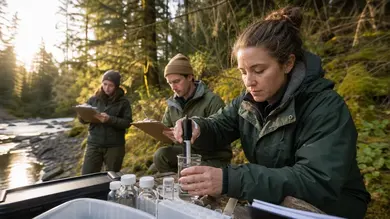
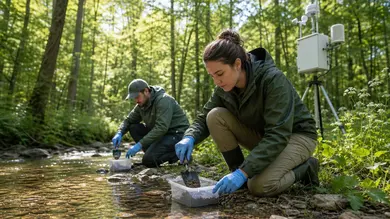
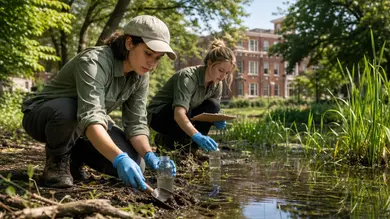
- Limited fieldwork: Hands-on field experiences critical for practical skills may be restricted in online formats. While mailed lab kits help, replicating in-person research virtually remains challenging.
- Isolation: Students often feel disconnected from professors and peers, losing informal networking opportunities essential for career development in environmental fields.
- Networking challenges in online environmental programs: Building industry connections requires extra effort since casual interactions and on-campus events are limited, making mentorship and career networking harder to develop online.
- Self-motivation required: Success demands strong time management and discipline, as learners must manage their study without direct supervision or in-person class structures.
For those evaluating options, exploring best 6 month online programs that pay well can provide insight into short-term credentials that enhance career prospects without long-term commitment.
How do AI-enhanced virtual classrooms work in online environmental science programs?
AI technologies have become central to modern online education by making learning more personalized and engaging, especially in environmental science programs. These innovations significantly improve how students absorb and apply complex concepts by tailoring the experience to individual needs.
The following points highlight key features of AI-powered virtual learning environments used in online environmental science degree programs.
- Adaptive Learning Tools: AI customizes content to each student's pace and preferred learning style, increasing engagement and knowledge retention. It analyzes interactions and performance to suggest relevant exercises and simulations that reinforce critical environmental concepts.
- Immersive Virtual Field Trips: By integrating more than 101 AI models, platforms like ReelMind.ai offer photorealistic ecosystems where students can manipulate variables such as carbon emissions. This hands-on approach enables learners to visualize real-time environmental changes and deepen their understanding of phenomena like sea level rise and biodiversity loss.
- AI-Driven Feedback and Assessment: AI-enabled analytics track progress continuously and provide instant feedback, allowing students to identify strengths and areas needing improvement promptly.
- Collaborative AI Tools: These tools facilitate group projects, discussions, and peer review, fostering an interactive, supportive virtual classroom environment that mirrors real-world environmental science teamwork.
Students deciding whether to pursue an online Environmental Science degree program may find these AI-enhanced virtual classrooms transformative. For those exploring options, the easiest masters degree to get online provides helpful insights into accessible advanced study paths.
Success in today's online environmental science programs hinges on having the right technology setup. Modern coursework integrates scientific theory with data analysis and virtual labs, making appropriate equipment essential for active participation and skill development.
Below is a list of specific tools, equipment, and software students should prepare to meet the minimum computer requirements for online environmental science degree programs.
- Reliable Computer: A laptop or desktop with at least an Intel Core i7 or AMD Ryzen 7 processor, 16GB of RAM, and a dedicated graphics card is recommended. This setup supports multitasking, running data-intensive applications, and ensures smooth performance while handling large datasets and simulations.
- High-Speed Internet: A stable, fast internet connection is critical for streaming lectures, joining virtual labs, and real-time collaboration with peers and instructors. It reduces interruptions and supports the use of video conferencing tools.
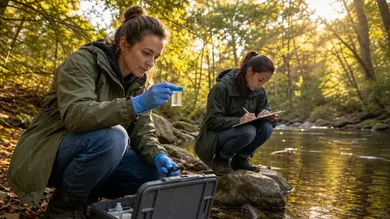
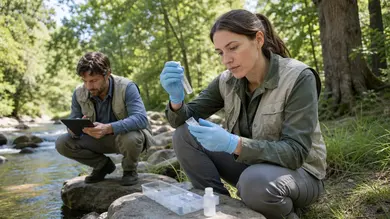
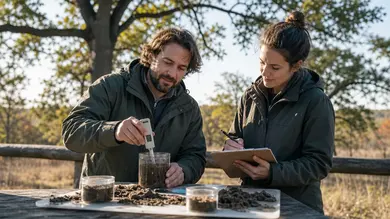
- Lab Kits (if provided): Some environmental science programs send lab kits that allow students to perform hands-on experiments at home. These kits enable real-world data collection and testing, bridging the gap between remote learning and practical experience.
- GIS Software: Geographic Information Systems are essential for mapping and analyzing spatial environmental data. Many courses require access to GIS software, making it fundamental for coursework and projects.
- Data Analysis Tools: Proficiency in software like Excel, R, or Python is necessary for processing and interpreting environmental data. These tools form the core of essential software for virtual environmental science labs and enhance analytical skills.
- Video Conferencing Tools: Platforms like Zoom or Teams facilitate virtual classes, group collaborations, and meetings with instructors, which are integral to the online learning experience.
Ensuring your technology meets these requirements helps you fully engage with your studies and develop competencies critical for environmental science careers. For students exploring options in higher education, considering good majors that pay well can provide useful guidance on worthwhile academic paths.
Program length is a crucial consideration for prospective students selecting an online environmental science degree, as it affects scheduling and personal commitments. Completion timelines vary widely across online formats due to differences in course structures and student pace. Below is an overview of common durations for finishing an online environmental science degree.
- Full-Time Online Track: Typically designed for students dedicating full effort, many programs require around 180 quarter credits or equivalent semester units, often completing within 2 to 2.3 years. For example, some universities project a two-year finish, while averages suggest slightly longer timelines influenced by course load and institutional policies.
- Part-Time Enrollment: Students balancing work or other obligations often extend their study duration beyond two years. Flexible 8-week session formats enable learners to take fewer courses per term, allowing steady progress without overwhelming schedules.
- Transfer Credit Utilization: Prior college credits can shorten time to degree substantially, helping students bypass foundational courses and accelerate toward specialization.
- Accelerated Pathways: Certain institutions offer combined undergraduate and graduate credit options, enabling motivated students to apply graduate-level coursework toward their bachelor's, reducing overall completion time.
Many prospective students worry about juggling a full-time job alongside online studies, especially when balancing family and financial obligations. This concern is common, as managing both demands requires careful planning and flexibility. Several factors influence whether working full-time while pursuing an online environmental science degree is achievable.
Key considerations include:
- Flexible Scheduling: Programs offering asynchronous courses allow students to complete work on their own time, accommodating varying work shifts. Synchronous classes, however, require logging in at set times, potentially causing conflicts with job hours.
- Program Pacing: Accelerated formats with shorter, intensive terms enable faster degree completion but demand greater time commitment over brief periods. Traditional semester schedules provide a steadier, more balanced workload.
- Workload: Students typically spend 10-15 hours weekly per class on lectures, assignments, and labs, which sometimes use mailed kits or virtual simulations, influencing how work and study overlap.
- Employer Support: Flexible employer policies, such as adjustable hours or exam leave, can significantly reduce stress and aid in meeting academic deadlines.
- Time Management Skills: Personal organization helps students coordinate work shifts, coursework deadlines, and life responsibilities, often using planners or digital tools to stay on track.
When discussing the possibility of studying while working full-time, a graduate shared her experience. She described navigating intense weeks during accelerated courses while balancing a demanding job and family care. "It was overwhelming at times," she admitted, "especially when labs required hands-on activities at home after long workdays."
Yet, she emphasized that developing strict routines and leaning on supportive managers made completion possible. Reflecting, she said, "Working full-time while earning my environmental science degree was challenging but rewarding; it taught me resilience and practical time management beyond the classroom."
Internships are essential for gaining practical experience and building career readiness in environmental science. They allow students to apply classroom knowledge in real-world settings, strengthening skills critical for future employment. Online environmental science programs use several targeted strategies to help students access and thrive in internship opportunities.
- Dedicated Internship Coordinators: These staff members connect students with organizations, including nonprofits and research centers, that offer both remote and in-person internships, ensuring relevant placements tailored to students' interests.
- Career Services Support: Programs provide workshops, resume critiques, and networking events that prepare students for the internship application process and professional engagement.
- Mentorship and Faculty Guidance: Regular check-ins and accessible faculty mentors support students throughout their internships, helping them navigate challenges and integrate learning experiences.
- Partnerships with Internship Platforms: Collaborations with services like Climate Internships expand opportunities globally, giving students access to diverse roles regardless of location.
- Online Internship Tracking: Many programs use digital tools to monitor progress and maintain communication, ensuring students meet requirements and objectives effectively.
Understanding the tuition cost of an online environmental science degree is essential for students planning their education finances and long-term goals. These costs vary widely depending on institution type, residency status, and additional fees.
Below is a detailed overview to help clarify what to expect when budgeting for this field of study.
- Average Tuition Per Year: Public universities typically charge around $10,500 annually for undergraduate environmental science programs, while private institutions may raise that to approximately $11,700 or more.
- Graduate Tuition Rates: For graduate students, public schools charge about $11,600 yearly for in-state residents and nearly $24,700 for those out-of-state, showing a significant difference based on residency.
- Per-Credit Pricing: Undergraduate per-credit tuition averages near $384, increasing to roughly $582 for graduate-level courses at major public universities such as Oregon State's Ecampus.
- Additional Fees: Students should anticipate technology fees, course material costs, and occasionally insurance, which can add several hundred dollars annually to their expenses.
When I spoke with a student currently enrolled in an online environmental science program, he emphasized the challenge of balancing costs with his career goals. "It took a lot of planning to cover tuition and fees without burdening myself with debt," he shared.
He carefully selected courses to manage the per-credit charges and appreciated having access to digital resources that minimized extra purchases. His experience underlines how understanding tuition structures beforehand can make pursuing an online environmental science degree a manageable and rewarding journey.
Understanding the potential earnings of an environmental science degree is essential when evaluating an online program. Knowing the salary outlook helps prospective students make informed decisions about their education investment.
Below are some key insights on the environmental scientist median salary 2024 and related earning trends.
- Average Entry-Level Salary: Graduates with an online bachelor's in environmental science typically start with median earnings around $54,110, providing a solid foundation for early career growth. Entry-level salaries usually range between $42,000 and $75,000, with an average near $55,797, reflecting demand for skilled professionals in a growing field.
- Mid-Career Salary Growth: As professionals gain experience, salaries increase, particularly for roles such as environmental consultants. Mid-career earnings average about $59,874 and can surpass $75,000 depending on employer size, expertise, and location.
- Salary by Industry: Environmental science degree earning potential by industry varies widely. The federal government offers the highest median pay at approximately $104,640. Management, scientific, and technical consulting services pay around $76,870, while engineering services offer close to $76,480. Local and state governments typically provide salaries in the $70,000-$76,000 range.
- Regional Influence on Salaries: Geographic location affects compensation, with higher salaries common in states enforcing stricter environmental regulations or exhibiting strong demand for environmental expertise. This can substantially impact overall earning potential and career trajectory.
Keeping these factors in mind, prospective students should also consider program costs in relation to salary outcomes. Many reputable institutions offer low tuition rates for quality online degrees, making it easier to pursue an affordable education.
For a comprehensive comparison of cost-effective options, exploring the cheapest degree online programs can be a valuable step before enrollment.
An online environmental science degree offers versatility by preparing graduates for a wide range of professional fields related to sustainability and natural resource management. This degree, whether earned remotely or traditionally, equips students with scientific, analytical, and policy skills essential in various industries. Below are key sectors actively hiring graduates with an online environmental science degree:
- Environmental consulting firms: These firms provide services such as environmental impact assessments, regulatory compliance, and sustainability planning. Graduates often work as environmental analysts or compliance consultants, helping businesses and governments meet environmental standards.
- Government agencies: Federal, state, and local government bodies-including the Environmental Protection Agency and the National Park Service-hire graduates as environmental specialists, policy advisors, or resource managers to support sustainability initiatives and regulatory enforcement.
- Non-profit organizations: Conservation groups and advocacy organizations employ graduates to lead environmental education, community outreach, and conservation projects, leveraging their expertise to influence public policy and protect natural habitats.
- Energy and utility companies: Graduates fill roles like sustainability coordinators or environmental engineers, working to reduce environmental impacts and implement renewable energy projects within these sectors.
- Construction and landscaping firms: Professionals help integrate sustainable practices in building and land development, ensuring projects comply with environmental regulations and promote eco-friendly design.
- Educational institutions and research laboratories: Graduates contribute to scientific research, data analysis, and teaching roles that advance environmental knowledge and innovation.
According to the U.S. Bureau of Labor Statistics, employment for environmental scientists and specialists is projected to grow 5-7% between 2023 and 2033, faster than average for all jobs. These trends reflect increased environmental awareness and expanding sustainability efforts across sectors.
For those interested in advancing their education remotely, exploring the top vocational schools online can provide valuable pathways into environmental science careers remote from traditional campuses.
What Graduates of Online Environmental Science Programs Say About Their Degree
- Ryker: "Pursuing my online environmental science degree was a game-changer in balancing my full-time job and studies. The flexible pace allowed me to deeply engage with the material without feeling rushed, and the cost was surprisingly affordable compared to traditional programs. This investment definitely accelerated my career growth in sustainability consulting."
- Eden: "The online environmental science program offered a reflective and enriching learning experience tailored to my schedule. Knowing that the average tuition was reasonable helped me commit confidently, and the knowledge I gained profoundly influenced my work in community environmental advocacy. It truly felt worth every moment and dollar spent."
- Benjamin: "From a professional standpoint, the online environmental science degree provided me with essential insights and practical skills at a fraction of the cost of on-campus alternatives. The ability to learn at my own pace without compromising quality made the program invaluable, ultimately opening doors to leadership roles in environmental policy. I highly recommend it to anyone serious about the field."
Other Things You Should Know About Environmental Science Degrees
Online environmental science programs in 2027 typically require a reliable computer with high-speed internet, up-to-date software for virtual labs and data analysis, and access to digital resources. Specific requirements may vary by program, so always check with your chosen institution.
In 2027, online environmental science programs should be accredited by recognized agencies like the Accreditation Board for Engineering and Technology (ABET). Accreditation ensures the program meets quality standards and that the degree is recognized by employers and institutions.
Online environmental science programs incorporate practical experience by offering virtual labs, simulation exercises, and partnership opportunities with local organizations for fieldwork. These components ensure that students gain hands-on experience and skills applicable to real-world environmental issues.
- 5 Ways to Successfully Work While Studying Online in 2025 | Distancelearningportal https://www.distancelearningportal.com/articles/249/how-to-work-while-studying-online.html
- Bachelors (BS/BA) in Environmental Sciences Online | UWA Online https://online.uwa.edu/online-degrees/bachelor-bs-ba-environmental-science/
- Environmental Science Courses & Degrees https://www.open.edu.au/study-online/science/environmental-science
- Online Environmental Science Undergraduate Tutors Spires™ | Is a degree in Environmental Science worth it? https://spires.co/online-environmental-science-tutors/undergraduate/is-a-degree-in-environmental-science-worth-it
- Bachelor of Science in Environmental Science | Royal Roads University https://www.royalroads.ca/programs/bachelor-science-environmental-science
- Is an Online Environmental Science Degree Worth It? | ArchitectureCourses.org https://www.architecturecourses.org/learn/online-environmental-science-degree
- How to Land an Environmental Science Internship in the USA - Intrax Global Internships https://www.globalinternships.com/post/environmental-science-internship
- Picture an Online Degree at Your Own Pace https://www.snhu.edu/about-us/newsroom/education/picture-an-online-degree-at-your-own-pace
- Using artificial intelligence in sustainability teaching and learning - Environmental Sciences Europe https://enveurope.springeropen.com/articles/10.1186/s12302-025-01159-w