2027 Online vs On-Campus Environmental Science Degree Programs: Pros & Cons

Co-Founder and Chief Data Scientist
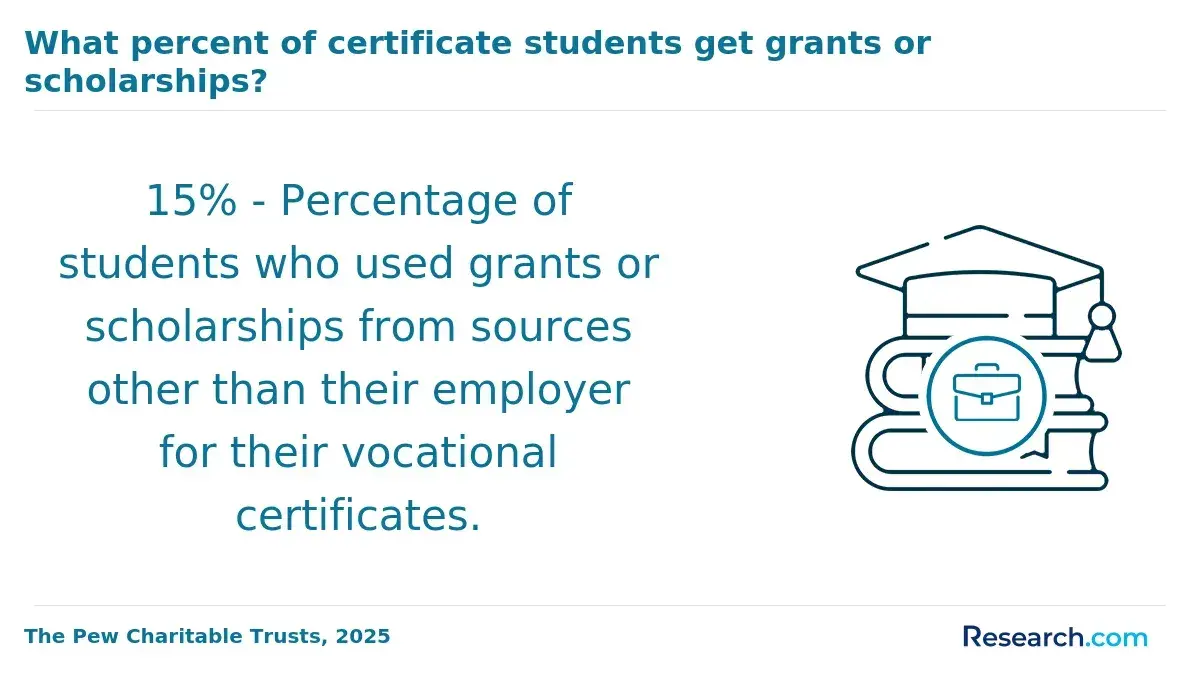
The popularity of online environmental science degrees has surged in recent years, with a National Center for Education Statistics report showing that over 40% of U.S. college students enrolled in at least one online course. This trend reflects a growing demand for flexible learning options without sacrificing quality. Comparing online and on-campus environmental science programs reveals differences in flexibility, cost, learning experience, and career prospects.
Understanding these factors helps prospective students make informed decisions that align with their goals. This article provides a clear analysis of the advantages and drawbacks of each format from a higher education and career planning perspective.
Key Benefits of Online vs On-Campus Environmental Science Degrees
- Online environmental science programs offer flexible schedules that accommodate working students, with over 60% of programs reporting increased enrollment from non-traditional learners.
- Students in online environmental science degrees save an average of 40% on expenses related to housing, transportation, and campus fees compared to on-campus peers.
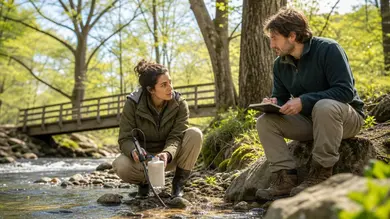
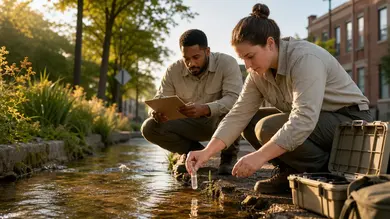
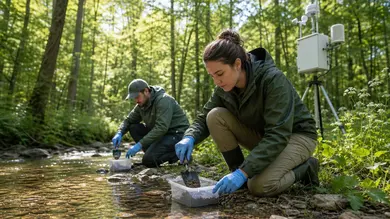
- On-campus environmental science students benefit from direct access to hands-on laboratory work and field research opportunities, which 75% of employers value highly during hiring.
Are Online vs. On-Campus Environmental Science Programs Structured the Same Way?
The structure of online and on-campus environmental science programs differs mainly in delivery methods, scheduling, and how students engage with course material and peers. These variations shape the overall learning experience and should be considered when choosing between formats.
To better understand these differences, here is a comparison of key structural elements in each format:
- Course Delivery: Online programs are primarily asynchronous, enabling students to access lectures and assignments at their convenience from any location. On-campus programs require in-person attendance, offering a traditional classroom environment with immediate access to labs and fieldwork.
- Class Schedules: Online courses often feature flexible, shorter sessions like eight-week terms, which support accelerated progress or balancing work and family life. In contrast, on-campus programs typically use 16-week semesters with fixed schedules, providing a stable routine.
- Interaction and Collaboration: On-campus students benefit from face-to-face interactions with faculty and peers through discussions, group projects, and hands-on labs. Online students engage via discussion boards and video conferencing, which may limit spontaneous conversation but allows communication suited to individual schedules.
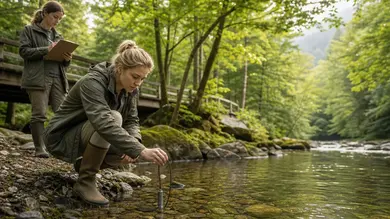
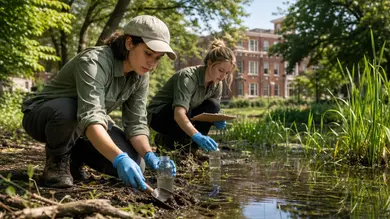
- Hands-On Learning: On-campus programs usually have more opportunities for in-person labs and field studies offering direct practical experience. Online programs may use virtual labs and simulations, sometimes incorporating occasional in-person sessions, emphasizing self-directed learning.
- Internships and Research: Online students typically pursue local internships with possible remote faculty supervision for practical exposure. On-campus students often access faculty-led research and university-affiliated internships more readily due to their physical presence.
Are Admission Requirements the Same for Online vs On-Campus Environmental Science Degree Programs?
Colleges and universities uphold consistent academic standards for both online and on-campus environmental science degree programs, ensuring students meet rigorous curriculum requirements regardless of delivery format. However, there are differences in how institutions evaluate an applicant's readiness for the unique challenges of online learning, such as technology skills and self-motivation.
Here is a comparison of key admission requirements for online and on-campus environmental science programs:
- Academic Qualifications: Both online and on-campus programs generally require a high school diploma or equivalent for undergraduate admission, with minimum GPA thresholds and prerequisite coursework in math and science common to both. Some online programs may offer greater flexibility for applicants with non-traditional backgrounds, reflecting differences in admission requirements for online environmental science degree seekers.
- Application Materials: Standard materials such as transcripts, personal statements, and letters of recommendation are required for both formats. Online programs sometimes ask for proof of digital literacy or reliable internet access, recognizing the importance of technology for successful remote learning.
- Work Experience: While most undergraduate environmental science programs do not require prior work experience, some online graduate-level programs may value professional experience, catering to working adults who seek flexibility and career advancement.
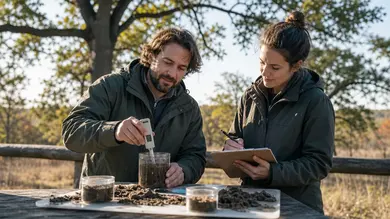
- Lab and Field Readiness: On-campus students usually complete in-person labs and fieldwork, whereas online students may use mailed lab kits, virtual simulations, or local partnerships to meet hands-on requirements. Applicants often need to confirm their ability to participate in these alternative formats, which is a notable difference in admission criteria for online and campus environmental science programs.
- Accreditation and Academic Support: Both formats emphasize enrollment in accredited programs to ensure eligibility for financial aid and future employment. Online programs frequently highlight access to remote academic support services like tutoring and advising as part of the admissions process.
For those exploring options, considerations around admission and program format can be critical; prospective students might also be interested in exploring the best 6 month associate programs online for quicker entry points into the field.
Do Online Environmental Science Students Receive the Same Academic Support as On-Campus Students?
Universities have significantly expanded their academic support systems to ensure that online environmental science students receive resources and assistance comparable to those available to their on-campus peers. Advances in technology and the growing demand for flexible education have driven institutions to adapt and broaden their offerings.
To illustrate how academic support compares across both learning formats, consider the following key services typically provided:
- Tutoring Services: On-campus students have access to in-person tutoring sessions, while online learners utilize virtual platforms for one-on-one or group support. Both formats aim to reinforce course material and improve academic outcomes, with studies showing no significant difference in effectiveness.
- Career Counseling: Career services are available through face-to-face meetings on campus and via video conferences online. Both approaches provide resume help, interview preparation, and networking opportunities tailored to environmental science career paths.
- Library Access: Both online and on-campus students benefit from extensive digital collections, including journals and databases. On-campus students may also access physical materials and study spaces, while online students receive round-the-clock virtual library support to aid research.
- Faculty Interaction: Students engage with instructors through traditional office hours on campus or via email, discussion boards, and video calls online. Both environments prioritize accessibility to foster meaningful learning and academic retention.
- Peer Collaboration: Group projects and peer networking occur in-person on campus or through forums and collaborative software online. These interactions build community and enhance learning, regardless of location.
The time it takes to complete an environmental science degree varies widely based on whether the program is delivered online or on-campus, as well as the student's individual pace and scheduling flexibility. These factors play significant roles in shaping the overall duration and experience of earning the degree.
Here is a comparison of the average completion times for online and on-campus environmental science programs:
- Online Environmental Science Degree Most online master's programs require about 30 credits and can be completed in as little as one year for full-time students; however, many students take two to three years depending on their workload and personal schedules. The flexible nature of online learning allows students to balance work and study commitments, often with up to six years permitted to finish, making it ideal for working professionals who need adaptable pacing.
- On-Campus Environmental Science Degree Typically, on-campus master's degrees take about two years, with a structured schedule and fixed course sequences each term. Students usually enroll in 9-12 credits per session and must maintain minimum credits to remain in good standing. This format provides direct access to faculty, labs, and academic resources, which supports timely completion and a more guided academic experience.
When speaking with a professional who completed an online environmental science degree, he shared that although the flexibility was invaluable, managing time was a constant challenge.
He explained, "Balancing a full-time job, family, and coursework meant that some semesters were heavier than others." It took him nearly three years to graduate, which he viewed positively because it allowed him to deeply engage with the material without rushing.
He appreciated that the online format removed geographical barriers but noted, "Sometimes, not having immediate face-to-face interaction made staying motivated tough."
Overall, his experience demonstrated that the timeframe for online environmental science degrees can be highly personalized, depending on one's life circumstances and commitment level.
Tuition, fees, and other expenses for online environmental science programs tend to be lower than those for on-campus degrees, making online learning an attractive option for many students. However, the total cost comparison depends on several factors beyond just tuition, including living and commuting expenses.
To better understand the cost differences, here is a breakdown of the main cost factors influencing the price of online versus on-campus environmental science programs:
- Tuition and Fees: Online environmental science degrees often have lower tuition rates and fewer fees than traditional programs. Some online bachelor's options can cost as little as $6,600 per year, while on-campus programs, especially at private schools, tend to be significantly more expensive due to additional campus fees.
- Living Expenses: Students studying online save considerably on housing and meal costs because they can remain at home and avoid relocating. On-campus students need to budget for room and board, which can add upwards of $10,000 annually to their overall expenses.
- Commuting and Transportation: Online learners eliminate daily costs associated with traveling to campus, such as gas, parking, and public transit fees. These savings can accumulate substantially over the duration of the degree compared to on-campus students who commute regularly.
- Technology Costs: While online students may need to invest in a reliable computer and internet access, these expenses are generally minor compared to savings on housing and transportation. Most students already own basic devices, resulting in relatively low additional technology costs.
- Financial Aid Availability: Both online and on-campus environmental science students have access to federal financial aid, scholarships, and grants. Some programs may offer tuition reimbursements or fellowships specifically for online learners, making financial support fairly comparable across formats.
Prospective students should carefully consider these factors and examine the cost of online environmental science degree programs at individual institutions before making decisions.
For insights on what is the easiest degree to get, which can sometimes influence program affordability and duration, students may find helpful information at what is the easiest degree to get?
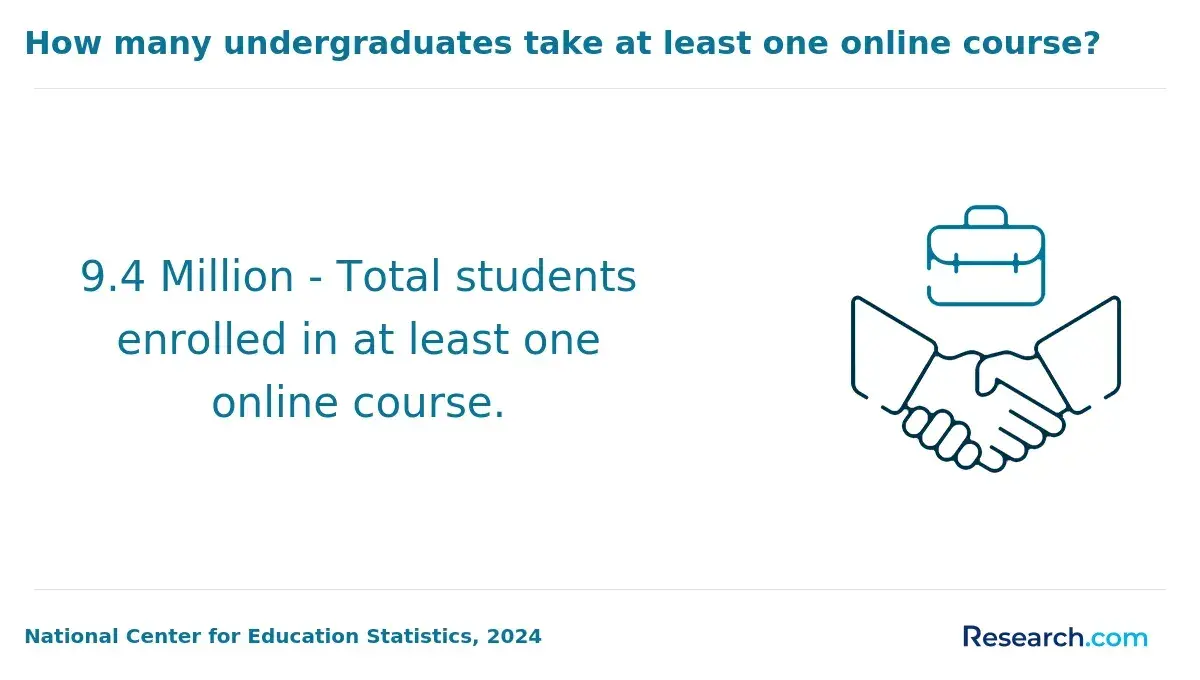
Both online and on-campus students pursuing environmental science degrees may qualify for financial aid, but eligibility and accessibility often vary depending on program format and institutional policies.
The following points outline and compare key financial aid options available for both online and on-campus environmental science students:
- Federal Aid: Both online and on-campus students at accredited institutions are generally eligible for federal financial aid, including Pell Grants, federal student loans, and work-study programs. However, online students often enroll part-time-up to 84% at some universities-making direct loan eligibility more challenging since loans typically require at least half-time enrollment. Pell Grants can be adjusted for part-time attendance, helping to bridge some gaps.
- State Aid: State-based grants and scholarships are usually accessible to both online and on-campus students attending in-state public universities. Nonetheless, some state programs restrict eligibility to residents enrolled in traditional on-campus formats, so confirming residency and institutional participation is essential for online learners seeking state aid.
- Institutional Scholarships and Grants: On-campus students often have greater access to institutional scholarships and grants, as many schools still prioritize traditional learners. Online students may receive less than 5% of scholarship funds at certain universities despite their substantial representation, and may face additional eligibility requirements like full-time enrollment or specific start terms. This gap impacts the availability of environmental science scholarships for campus and online students alike.
- Employer Tuition Reimbursement: Many employers offer tuition reimbursement that applies equally to accredited online and on-campus degree programs. This benefit is particularly appealing to working professionals pursuing flexible online studies while maintaining employment.
- Private Student Loans: Both online and on-campus learners can access private student loans, though these usually require credit checks and may carry higher interest rates than federal loans. Private lenders generally do not differentiate between program formats if the institution is accredited.
For students focused on minimizing costs, online degrees often feature lower tuition and allow work-study balance, which can reduce reliance on loans.
For a list of affordable online advanced degrees, including environmental science, prospective students may find the cheapest online phd programs particularly useful to explore.
Accreditation plays a pivotal role in establishing the credibility of both online and on-campus environmental science programs. Leading accrediting bodies, including regional commissions and specialized organizations like the National Environmental Health Science & Protection Accreditation Council (EHAC), evaluate programs based on rigorous curriculum standards and faculty qualifications.
Many accredited online programs, such as those offered by Southern New Hampshire University and the University of Maryland Global Campus, ensure courses are taught by qualified faculty members who also teach on-campus versions of the same curriculum.
This alignment helps maintain consistency in academic quality across delivery formats, reinforcing the value of online degrees to students and employers alike.
Perceptions from employers and academic institutions are increasingly converging regarding online and traditional environmental science degrees. A survey by the Society for Human Resource Management found that 61% of U.S. employers regard degrees earned online and on-campus as equally credible when obtained from accredited institutions.
Salary outcomes reflect this parity; for example, University of Maryland Global Campus graduates earn median salaries comparable to their on-campus peers. Advances in virtual labs, interactive fieldwork simulations, and stronger industry partnerships are enhancing practical learning and networking opportunities in online programs.
These innovations are progressively reshaping professional and academic attitudes, reinforcing that online environmental science education can meet the demands of today's workforce without compromising credibility.
Employer attitudes toward online versus on-campus environmental science degrees have evolved considerably in recent years. A growing number of employers now regard online degrees as equivalent to traditional on-campus qualifications, especially when the program is accredited and offered by a reputable university.
Surveys such as the 2023 ASU Online study reveal that 76% of hiring professionals hold a more positive view of candidates with four-year online degrees, while 92% would consider hiring them. This shift is influenced by employers recognizing key skills nurtured through online education, including self-discipline, time management, adaptability, and digital literacy.
Nonetheless, some employers still emphasize the benefits of on-campus programs, like direct mentorship and hands-on learning opportunities that can be more challenging to replicate online.
When evaluating candidates, employers often prioritize university reputation and program accreditation over the format through which the degree was earned. Demonstrated practical skills-such as fieldwork, technical proficiency, and relevant internships-frequently carry significant weight in hiring decisions, sometimes overshadowing whether the degree was obtained online or in person.
Online degrees may offer advantages in cost efficiency, scheduling flexibility, and accessibility, which appeal to many students. As remote and hybrid work arrangements become more common, employer biases toward online education continue to decline, further leveling the playing field.
This evolving environment makes both online and on-campus pathways viable for launching a career in environmental science.
Reflecting on these trends, a professional who completed an online environmental science program shared her experience securing employment post-graduation. She noted that her degree's accreditation and the strong reputation of her university were key factors that reassured potential employers.
Beyond that, she emphasized how she proactively sought internships and practical projects to build her portfolio, which helped her stand out. She commented, "Employers appreciated my ability to manage a full-time job while completing my degree online, demonstrating commitment and time management."
Her story underscores that while the learning format matters less today, showcasing relevant skills and experiences remains essential to career success in environmental science.
Salary comparisons between online and on-campus environmental science graduates are increasingly shaped by factors such as employer perception, industry demand, and individual experience rather than the mode of education itself.
To better understand current salary trends, consider the following key factors that influence earning potential after graduation:
- Employer perception and program reputation: Most employers today focus on the accreditation and reputation of the program rather than where the degree was earned. Accredited online environmental science degrees are often valued equally to traditional ones, reducing salary differences attributed solely to format.
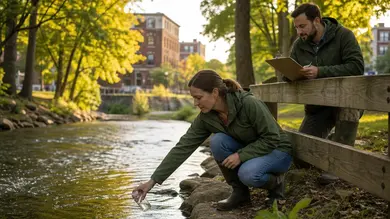
- Field experience and networking: On-campus students may have easier access to internships and in-person fieldwork, which can boost starting salaries. However, many online programs now offer local field experience and virtual networking, helping bridge gaps in opportunities.
- Flexibility and career advancement: Online programs offer students the ability to work while studying, gaining real-world experience that can lead to more competitive starting salaries and faster promotion tracks compared to on-campus peers.
- Geographic location and industry sector: Salaries vary greatly depending on where graduates work and in which sector. Environmental scientists in federal agencies or high-demand urban areas typically earn more, regardless of whether they studied online or on campus.
- Cost of education and financial flexibility: Lower tuition costs for online programs mean graduates often face less debt, allowing them greater freedom in job selection and the possibility to accept lower-paying but meaningful roles without financial strain.
Recent data confirm that there is no consistent evidence to suggest online graduates earn less than their on-campus counterparts when controlling for these factors.
For those interested in a fastest degree with highest salary, understanding these dynamics is crucial in evaluating education options.
Choosing between online and on-campus environmental science programs depends largely on your personal learning preferences, lifestyle, and professional goals. Finding the right format can make a significant difference in managing your academic workload alongside other responsibilities. To help you decide, consider these key factors that align with your needs:
- Learning style: On-campus programs cater to students who benefit from direct interaction, hands-on experiences, and face-to-face discussions, while online options suit independent learners who prefer flexible, self-paced study. Understanding your preferred way of learning is essential when comparing the best online environmental science degree programs.
- Flexibility needs: Online degrees offer greater adaptability, especially for those balancing work, family, or geographic constraints, with asynchronous course formats that allow you to study at your own pace. In contrast, on-campus programs require scheduled attendance, which might be less convenient but also more structured.
- Budget: Costs for tuition, commuting, housing, and campus fees often make online environmental science degree programs more affordable. Additionally, some scholarships specifically support online learners, though on-campus students might have access to other institutional resources that help offset expenses related to in-person participation.
- Networking opportunities: On-campus students enjoy direct connection with peers, faculty, and industry professionals through events and discussions, fostering relationships that can boost career prospects. While virtual networking for online students continues to improve, it may not fully replicate in-person experiences.
- Access to campus resources: Physical access to labs, fieldwork locations, and career services benefits on-campus students, especially in science-related fields requiring hands-on training. Online students often rely on tailored digital tools such as advising and online libraries but might face limitations in practical experiences.
Evaluating these elements carefully can help you choose the educational path that suits your professional ambitions and personal life. Whether you lean toward on-campus engagement or the flexibility of environmental science degree online vs on-campus benefits, both routes can prepare you for a successful career.
For those also exploring cost-effective career training, consider looking into high paying trade school jobs as an alternative pathway.
Here's What Graduates of Online vs On-Campus Environmental Science Programs Have to Say About Their Degree
- Vanessa: "The flexibility of completing my environmental science degree online allowed me to balance a full-time job and family responsibilities without sacrificing the quality of education. The program's interactive virtual labs and live discussions made learning engaging and accessible from anywhere, which truly prepared me to advance in my career remotely. I now work as an environmental consultant, and the skills I gained have been invaluable for adapting to diverse client needs across regions. Earning my degree online gave me the confidence to pursue my passion while managing real-world commitments. "
- Astrid: "Studying environmental science on campus gave me an immersive experience that was crucial for developing hands-on research skills and forging meaningful relationships with professors and classmates. The community atmosphere inspired me to participate in local conservation projects, which fueled my passion for sustainable development. Upon graduation, the connections I made helped me secure a job with a governmental environmental agency. Reflecting back, the intense, in-person interactions truly shaped my ability to lead projects and advocate for environmental policy changes effectively. "
- Louie: "The hybrid format of my environmental science program offered the perfect balance between structured on-campus classes and flexible online coursework. This format challenged me to be disciplined and self-motivated while also benefiting from face-to-face mentorship and laboratory sessions. It provided me with a versatile skill set that employers value, combining technical expertise and independent problem-solving. Now working in environmental impact assessment, I appreciate how this blend of learning environments prepared me for both team collaboration and autonomous tasks. "
Other Things You Should Know About Online & On-Campus Environmental Science Degree Programs
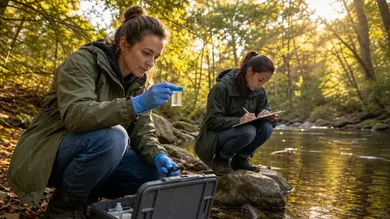
Courses in chemistry, ecology, soil science, and water quality often require in-person lab sections because students must handle field instruments, conduct specimen analysis, and complete supervised experiments. Many programs pair these labs with 1–3 credit field components, which online students may complete through approved local placements.
Online programs may lack extensive hands-on fieldwork and laboratory experience, which are important in environmental science. Some employers value in-person training more highly. Technical issues or limited access to campus facilities might also hamper learning. Networking opportunities can be less organic compared to on-campus settings.
- Bachelor of Science in Environmental Science https://campus.snhu.edu/programs/undergraduate/bs-environmental-science
- On-campus vs online university degree: pros and cons https://www.idp.com/cambodia/blog/university-online-vs-on-campus/
- Admission Requirements & Deadlines - Environmental Science (M.S.) https://www.towson.edu/fcsm/departments/environsci/grad/science/admission.html
- Online degree costs vs traditional degrees: which is more affordable? https://collegeonline.io/blogs/online-degree-costs-vs-traditional-degrees
- Online vs on-campus: getting your undergraduate degree https://www.whatuni.com/advice/choosing-a-course/online-vs-on-campus-getting-your-undergraduate-degree/84497/
- Environmental Sciences (B.S.) – Oregon State Online https://ecampus.oregonstate.edu/online-degrees/undergraduate/es/
- Online Classes vs. On-Campus: Which Is Right for You? https://graduate.northeastern.edu/knowledge-hub/online-classes-vs-on-campus/
- Undergraduate admissions https://envs.arizona.edu/undergraduate/admissions
- Environmental Sciences degree | Undergraduate Programs | University of Waterloo https://uwaterloo.ca/future-students/programs/environmental-sciences