2027 Can You Complete an Online Environmental Science Degree Program While Working Full-Time?

Co-Founder and Chief Data Scientist
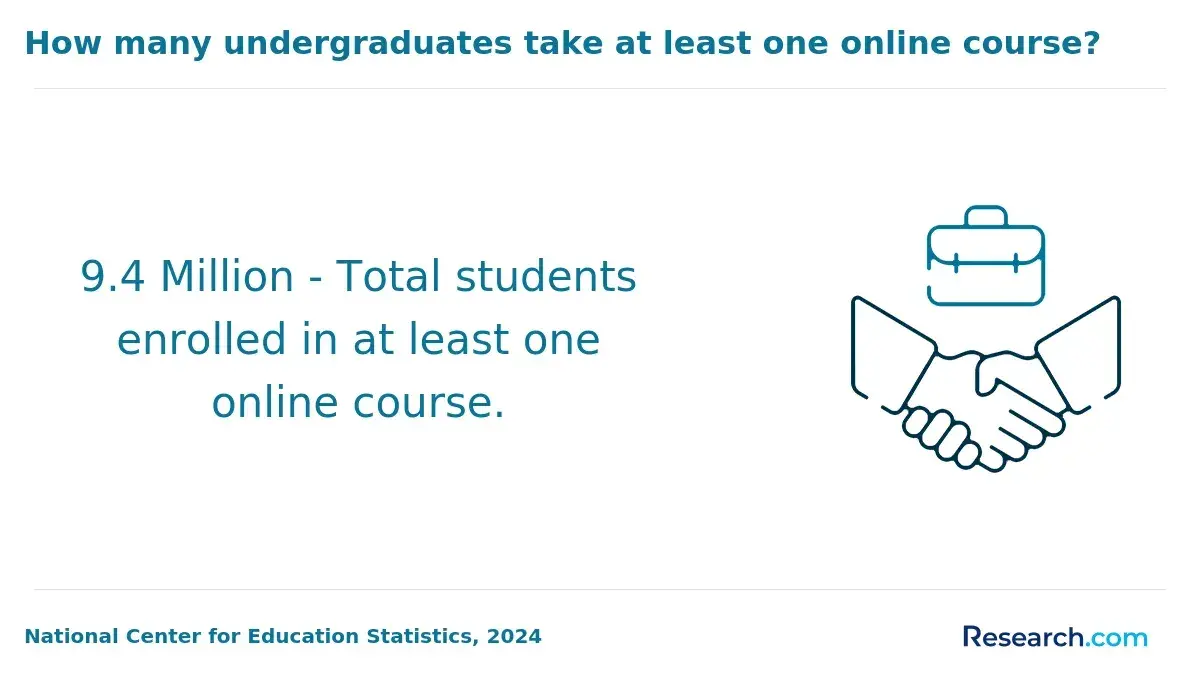
Many full-time professionals face the challenge of managing demanding jobs, family responsibilities, and the coursework involved in pursuing an online environmental science degree. According to the National Center for Education Statistics, nearly 40% of online learners in the U.S. are adults balancing work and studies. This reality highlights the complexities of fitting education into a busy schedule without sacrificing other commitments.
This article offers practical advice to help working professionals assess whether an online environmental science program can fit their lifestyle. Drawing on data and expert insights, it explores key factors such as course flexibility, time management, and program requirements so readers can make informed decisions about their educational goals.
Key Benefits of Completing an Online Environmental Science Degree Program While Working Full-Time
- Flexible scheduling allows working professionals to study during evenings or weekends, accommodating irregular shifts common in environmental fieldwork and lab analysis roles.
- Online programs often include practical virtual labs and case studies, enabling students to apply real-world environmental data analysis skills without leaving their job.
- Statistics show nearly 60% of environmental science students balance work and study, demonstrating achievable success rates through part-time course loads and employer support.
How Long Does It Take to Complete an Online Environmental Science Degree While Working Full-Time?
The time required to complete an online environmental science degree while working full-time varies depending on several factors. Most professionals finish their bachelor's degree within three to six years, but individual circumstances can significantly influence this timeline.
Key factors affecting completion time include:
- Enrollment Status: Part-time students, common among full-time workers, usually take fewer courses per term, extending the program duration beyond the typical four years for full-time students. Many part-time students take one or two courses per 8-week session instead of four or five.
- Course Format: Asynchronous courses allow students to study at their convenience, beneficial for balancing work and study. Accelerated or condensed sessions, often lasting 8 weeks per course, can shorten completion time but require careful time management.
- Transfer Credits and Prior Learning: Students with previous college credits or relevant professional experience may transfer these or earn credit through assessments, reducing overall time to graduation.
- Work Schedule and Study Hours: Full-time workers typically need to dedicate 10-20 hours weekly per course. Consistent study time directly impacts the pace at which they can finish their degree.
- Program Requirements: Some programs include capstone projects, internships, or practicum experiences that can add extra months if they require scheduling outside standard coursework.
According to recent data from Purdue Global, the average online bachelor's degree student working full-time takes about 2.3 years when maximizing transfer credits and using accelerated pacing. However, a duration of three to five years is more common for students balancing employment and study.
For those wondering about online environmental science degree completion time for working professionals, understanding these factors helps set realistic expectations. Additionally, if you're exploring how long to finish environmental science degree part-time while employed, factoring in course load and transfer credits is essential.
Some students may also consider related options such as certificate jobs that pay well to complement their career goals while pursuing their degree.
Is an Asynchronous or Synchronous Online Environmental Science Program Easier for Students Working Full-Time?
For students working full-time, an asynchronous online environmental science degree is generally easier to manage than a synchronous program. This is because asynchronous courses provide the flexibility to access lectures, readings, and assignments anytime, fitting coursework around unpredictable work schedules and personal commitments.
The course format significantly impacts a student's ability to balance professional and personal responsibilities while keeping up with academic demands.
An asynchronous online environmental science degree allows professionals, such as environmental consultants, to complete assignments or lab modules during evenings or weekends, making it easier to juggle full-time work. In contrast, synchronous programs require scheduled live sessions, which can strengthen peer and faculty engagement through real-time interaction but may be difficult for those with rigid work hours.
Synchronous courses offer accountability and immediate feedback, valuable in collaborative projects like environmental impact assessments. However, asynchronous programs' flexibility often better accommodates complex schedules. For those seeking additional opportunities, exploring easy certifications to get online that pay well can complement their degree and career growth.
What Time Management Strategies Help Online Environmental Science Students Working Full-Time?
Managing time effectively is essential for online environmental science students balancing full-time work, as it reduces stress and ensures steady progress toward their degree. The following are five practical, research-backed strategies to optimize time management in this context:
- Set a consistent study schedule: Allocate fixed weekly study blocks using digital calendars or planners to create reliable routines that accommodate varied work hours.
- Divide large assignments: Break complex projects into smaller, achievable tasks, scheduling each step to maintain momentum and prevent overwhelm.
- Leverage productivity techniques: Apply methods like the Pomodoro Technique with focused study bursts and brief breaks to maintain concentration and avoid fatigue.
- Limit distractions: Establish a dedicated, organized workspace free from interruptions by disabling unnecessary notifications and using website blockers.
- Plan priorities weekly: Regularly review deadlines to rank tasks by importance, tackling urgent or complex assignments early to avoid last-minute pressure.
In discussing time management, one student shared her experience juggling a demanding full-time environmental consulting job while pursuing her online degree. She found that creating a rigid study timetable was vital to "carving out consistent learning time despite unpredictable work calls."
She also emphasized how breaking down her thesis into smaller sections helped her stay focused and less overwhelmed. Though exhaustion sometimes set in, using short breaks and keeping her phone notifications off allowed her to "maintain productivity without burning out." Reflecting on her journey, she remarked that balancing work and study was challenging but became manageable by planning ahead and committing to daily, disciplined routines tailored to her dynamic schedule.
Balancing a full-time job with the demands of an online environmental science degree can be particularly difficult for working professionals. The need to juggle work obligations alongside rigorous academic expectations often creates substantial pressure.
Here are some of the primary challenges faced by these students:
- Time Management and Course Load: Managing deadlines, readings, and active participation in online forums can become overwhelming. Many programs require steady engagement, which may conflict with full work schedules, making it hard to keep pace without sacrificing productivity in either area.
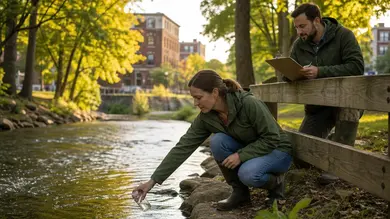
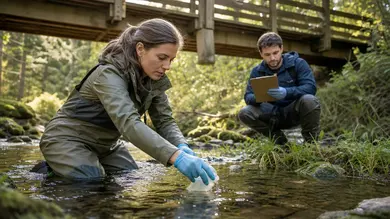
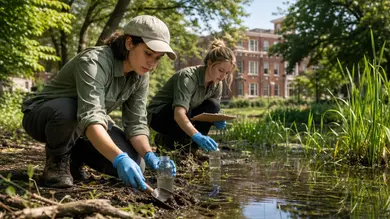
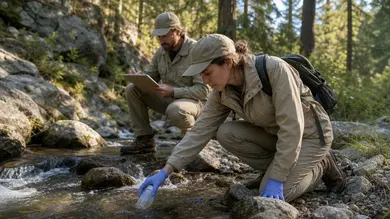
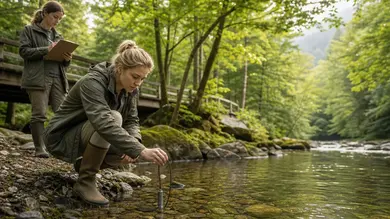
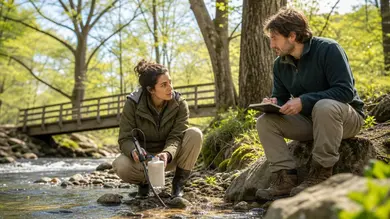
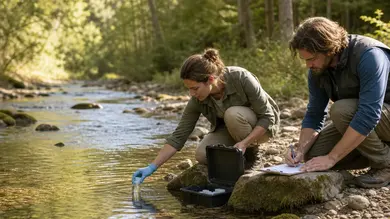
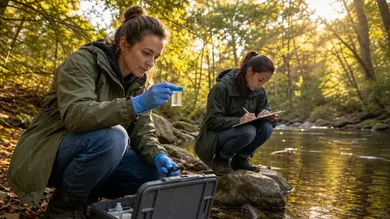
- Limited Access to Fieldwork and Practical Experience: Environmental science emphasizes hands-on learning such as field trips and lab work. Full-time employees often struggle to find flexibility during typical work hours to complete these essential components, potentially slowing skill development and reducing valuable networking opportunities.
- Burnout and Stress: The combined mental and emotional demands of career and coursework can lead to significant stress. This strain, particularly in a field dealing with urgent environmental challenges, can negatively affect academic success, job performance, and overall health.
Internships in online environmental science degree programs often demand time commitments that conflict with full-time work schedules, posing a significant challenge for many students. Despite this, completing an internship remains a vital component that equips graduates with practical skills essential for their careers.
Programs increasingly adopt flexible strategies to accommodate working professionals, including:
- Flexible Scheduling: Many programs arrange internships during evenings, weekends, or summer breaks, allowing students to balance work and study effectively. Internships might be part-time over a semester or intensive full-time sessions during less busy periods.
- Remote and Virtual Internships: To overcome location barriers, some institutions offer remote opportunities where students can complete assignments from home. This option is especially advantageous for those unable to relocate or take extended leave from their jobs.
- Credit for Relevant Work Experience: Certain programs permit students to apply their current professional responsibilities or projects toward internship requirements, provided these meet academic standards and receive faculty approval.
- Customized Internship Arrangements: Schools often collaborate with students and employers to tailor internships that align with individual work schedules. This flexibility may include spreading hours across terms or condensing them into shorter, intense placements.
- Dedicated Support and Advising: Students receive guidance from coordinators and advisors who assist in finding suitable opportunities, handling approvals, and ensuring compliance with program rules. This support reduces administrative stress and personalizes the experience.
When asked about his experience balancing full-time work and internship requirements, a student enrolled in an online environmental science program shared that initially, coordinating his internship felt daunting due to overlapping work deadlines.
However, the program's willingness to arrange a part-time, remote internship helped tremendously. He remarked, "Being able to communicate directly with my advisor and having options to complete tasks after work hours made a huge difference."
This flexibility allowed him to integrate practical experience without sacrificing his job, leaving him confident about managing both commitments and growing professionally.
Having the right technology is crucial for busy working professionals pursuing an online environmental science degree, as it enables efficient management of coursework alongside demanding job responsibilities. Effective tools allow students to participate in virtual labs, collaborate remotely, and complete assignments with flexibility.
Below are key technology requirements that support full-time students balancing work and study.
- High-Performance Computer: A laptop or desktop featuring at least an Intel Core i7 12th Gen or AMD Ryzen 7 5000 series processor, 16GB RAM (32GB recommended for multitasking), and a dedicated graphics card like NVIDIA RTX 3070 or AMD Radeon RX 6750M is essential. This setup handles resource-intensive environmental modeling software and GIS applications required for data analysis and simulations common in environmental science coursework, meeting essential computer requirements for online environmental science degree students.
- Reliable Internet Connection: Maintaining a stable internet connection with a minimum of 5Mbps download and 1Mbps upload speed, plus latency under 100ms, ensures seamless participation in live lectures and timely assignment uploads. This reliability is vital for accessing cloud-based GIS platforms and virtual labs without interruptions.
- Specialized Software: Access to GIS software such as ArcGIS or QGIS, programming tools like R or Python, and environmental modeling programs supports hands-on learning and research. Many programs include student licenses, allowing working students to engage deeply with mapping pollution sources or ecological data analysis.
- Webcam and Microphone: Quality audio-visual equipment facilitates active engagement in virtual classes, research presentations, and group collaborations. Consistent video participation fosters networking and interaction, benefiting professionals juggling remote learning with their careers.
- Cloud Storage and Collaboration Tools: Platforms like Google Drive, Microsoft OneDrive, and Office 365 provide secure file sharing and collaborative editing features. These tools help manage research data and group assignments efficiently across multiple devices, supporting the multi-tasking demands of working full-time students.
For those looking to explore rapid educational pathways, some of the shortest masters programs online can complement your environmental science studies by delivering condensed coursework with flexible tech requirements tailored for working professionals.
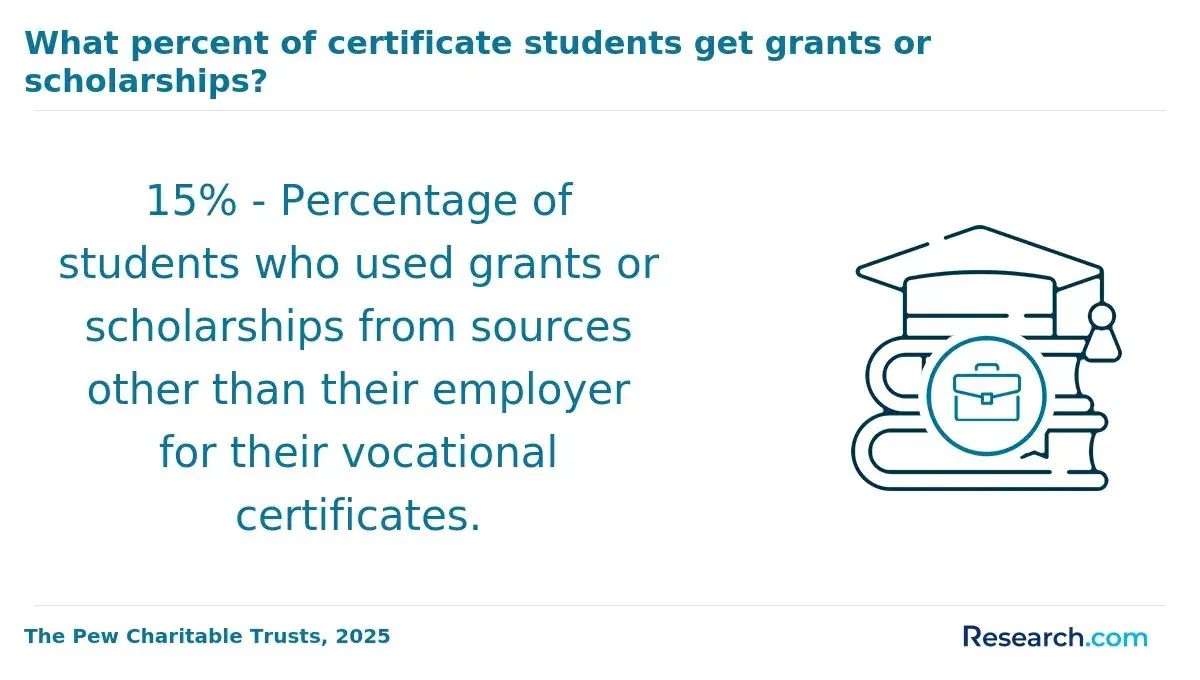
Financial aid is a vital resource for full-time professionals balancing the demands of work and pursuing an online environmental science degree. Reducing tuition costs through available financial assistance can make completing a degree more feasible without sacrificing income.
The following key considerations help clarify how financial aid works for working students.
- Federal Student Aid Eligibility: Completing the FAFSA is essential to determine your eligibility for federal grants, loans, and work-study programs. Your employment status does not disqualify you; what matters is demonstrating financial need and maintaining academic progress. The government assesses your household income and assets to calculate expected aid amounts.
- Need-Based vs. Merit-Based Awards: Need-based scholarships focus on financial circumstances rather than work schedules, so full-time employment does not reduce eligibility. Merit-based scholarships reward academic or extracurricular achievements, making your GPA and accomplishments the key factors regardless of employment.
- Employer Tuition Assistance Programs: Many employers provide tuition reimbursement or assistance that supplements federal aid, significantly lowering out-of-pocket costs for employees studying online. These programs can be a valuable benefit for those who qualify.
- Application Deadlines and Timing: The FAFSA opens October 1st with a June 30th deadline; submitting early maximizes access to limited funds. For working students, early application timing is crucial to ensure financial aid aligns with course start dates and work commitments.
- Part-Time Enrollment Flexibility: While many online environmental science programs offer part-time options to accommodate full-time work, financial aid eligibility remains intact. However, aid amounts may adjust based on enrolled credit hours and course load.
Full-time professionals exploring financial aid possibilities should also consider exploring short programs that pay well as alternatives or complementary pathways in their educational journey. Understanding FAFSA eligibility for working full-time students helps unlock these funding opportunities while balancing career and education goals.
Employer support has become a key factor for full-time professionals considering online environmental science degree programs, as balancing work and academic demands requires significant effort. Workplace policies such as tuition assistance and flexible scheduling can greatly influence a student's ability to manage both responsibilities successfully.
Below are key insights into how employers engage with employees pursuing these degrees.
- Tuition Assistance: Many employers provide tuition reimbursement or financial aid for workers enrolled in accredited environmental science programs. This support eases the cost burden, making it more feasible for adults to pursue higher education while working, aligning well with employer tuition reimbursement for online environmental science degree initiatives.
- Flexible Schedules: Offering adjustable work hours or remote work options helps employees handle demanding coursework and fieldwork that environmental science programs often require. Flexibility is essential for maintaining job performance while meeting academic deadlines.
- Professional Development Incentives: Companies sometimes recognize environmental science degrees as qualifications for promotions or specialized roles. This encourages continued education by linking academic progress to career growth, motivating working professionals earning environmental science degrees.
- Concerns About Performance Impact: Despite the benefits, some employers remain hesitant due to fears that balancing academics and job duties might reduce productivity or availability. This concern leads to limited support or accommodations in certain workplaces.
- Job-Related Project Opportunities: Supportive employers may allow employees to integrate academic projects with company sustainability goals, providing valuable real-world experience and aiding degree completion.
For professionals seeking viable career paths alongside their studies, understanding supportive employer policies is crucial. Those interested in exploring the best careers for trade school graduates can find opportunities where such support systems are in place.
Completing an online environmental science degree can influence salary, but outcomes depend on several key factors. Industries like renewable energy, environmental consulting, and government agencies tend to offer higher wages for individuals with specialized skills or advanced degrees.
Degree level matters as well-bachelor's degree holders in this field earned a median salary of around $80,000 in 2024, with some roles such as geoscientists reaching near $93,000. Employer attitudes toward online degrees have grown more favorable, particularly when the school is accredited, and candidates show relevant expertise.
However, practical work experience remains essential, as employers prioritize hands-on skills alongside academic credentials.
Continuing full-time employment while pursuing the degree can boost opportunities for promotion, job stability, and immediate use of newly acquired knowledge. This approach demonstrates commitment and adaptability, traits often rewarded by employers, some of whom may provide tuition support or career advancement incentives.
Still, salary improvements vary widely depending on industry sector, company policies, and economic trends. Success depends largely on how closely the skills gained align with employer needs and job market demands.
Choosing the right online environmental science program is vital for full-time workers since the appropriate format can impact both academic success and work-life balance. A program designed for flexibility and support greatly increases the chances of completing a degree without undue stress.
Consider these essential factors to find a program suited to busy professionals:
- Flexible Course Delivery: Opt for programs with asynchronous classes that allow you to complete assignments on your own schedule. This is especially important for those with unpredictable work hours or heavy workloads, as it prevents conflicts with live sessions.
- Accreditation and Transfer Policies: Verify the program holds recognition from reputable accrediting agencies like the Higher Learning Commission. Also, check if previous credits transfer easily, saving time and money when continuing education.
- Experiential Learning Opportunities: Seek programs offering virtual labs or local fieldwork options accessible to working adults. Hands-on experience is crucial in environmental science but must accommodate those unable to travel far.
- Support Services: Strong advising, technical help, and career guidance tailored to online learners help students stay organized and motivated amid competing demands.
- Cost and Financial Flexibility: Assess tuition rates, scholarships, and payment options. Flexible pricing models can lessen the financial strain for part-time or military students balancing work and study.
What Graduates Say About Completing an Online Environmental Science Degree While Working Full-Time
- Ryker: "Balancing a full-time job while pursuing my online environmental science degree was challenging but incredibly rewarding. The flexible pace allowed me to manage both work and study effectively, and the affordable tuition made investing in my future much easier. This degree has opened new doors in my career, and I'm excited for what's next. "
- Eden: "Enrolling in an online environmental science program as a working professional gave me the opportunity to deepen my knowledge without sacrificing my job. The coursework was rigorous but manageable, and the cost was reasonable compared to traditional programs. Reflecting on this journey, I feel more confident and prepared to make a real impact in sustainability initiatives."
- Benjamin: "Pursuing an environmental science degree online while working full-time demanded dedication and discipline, but the flexible schedule truly made it possible. The program's balance of theory and practical insights suited my needs perfectly, and the overall tuition cost was a sensible investment given the career advancement I've experienced. Professionally, it's been a transformative experience."
Other Things You Should Know About Environmental Science Degrees
Yes. Many accredited programs require at least one lab science course and a field methods or capstone component, often completed through local in-person sites, virtual labs, or weekend intensives. Schools may set minimum contact hours and preapprove sites before enrollment, especially for upper-level ecology and geology courses.
Many online environmental science programs offer part-time enrollment to help balance work and study. Part-time options allow students to take fewer courses per semester, extending the overall time to degree completion but providing greater flexibility for those with full-time jobs.
Yes, reputable online environmental science programs often provide academic advising specifically for working students. Advisors help plan course loads, select electives, and coordinate schedules to fit professional commitments, improving the chances of successful degree completion.
- Benefit of Earning a Online Degree While Working Full-Time https://amityonline.com/blog/advantages-earning-degree-while-working-full-time
- Top 8 Effective Time Management Strategies for Students | UE https://www.ue-germany.com/blog/time-management-strategies-for-masters-students
- Environmental Science Internships | Intern Abroad HQ https://www.internhq.com/industries/environmental-sciences/
- What Can I Do with an Environmental Science Degree? https://www.snhu.edu/about-us/newsroom/stem/what-can-i-do-with-an-environmental-science-degree
- Asynchronous vs. Synchronous Learning | Provo College https://www.provocollege.edu/blog/asynchronous-vs-synchronous-learning-whats-the-difference-and-which-is-right-for-you/
- Environmental Internships - Online & In-Person | The Intern Group https://theinterngroup.com/career-fields/environmental-internships-abroad
- Internships at Seaside Sustainability https://www.seasidesustainability.org/internships
- Synchronous vs. Asynchronous Classes Online https://unity.edu/distance-education-blogs/synchronous-vs-asynchronous/
- Asynchronous vs. Synchronous Learning: Which Is best? https://www.articulate.com/blog/asynchronous-vs-synchronous-e-learning-which-is-best/