2027 Questions to Ask About Online Environmental Science Degree Programs Before You Enroll

Co-Founder and Chief Data Scientist
Many students struggle to choose the right online environmental science degree program amid growing options and varying quality. Enrollment in environmental science programs has increased by 35% over the past decade, reflecting rising industry demand but also intensifying competition. Prospective students often face uncertainty about program accreditation, practical training opportunities, and alignment with workforce needs. This confusion can lead to costly decisions that hinder career progress.
This article, prepared by career planning experts, clarifies key questions on program quality, licensure readiness, costs, and career outcomes. It equips readers to make informed choices that support successful environmental science careers.
Key Benefits of Enrolling in Online Environmental Science Degree Programs
- Online environmental science programs offer flexibility, enabling students to balance coursework with personal and professional commitments by accessing materials anytime, which is crucial for working adults.
- Cost savings are significant due to reduced commuting, housing, and campus fees, making online degrees a more affordable option for many prospective students.
- Improved work-life balance is supported by online formats, allowing students to progress without sacrificing income, with 65% of learners citing employment continuation as a primary reason for online enrollment.
Is the Online Environmental Science Degree Program Accredited?
Accreditation plays a crucial role in evaluating online environmental science degree accreditation because it guarantees that the program adheres to established quality standards valued by employers, licensing boards, and academic institutions. Degrees from accredited programs are widely recognized, which impacts your eligibility for licensure and job prospects in environmental fields.
According to the National Center for Education Statistics, students attending accredited online programs tend to graduate at higher rates and secure better employment outcomes compared to those in non-accredited programs. Notably, regional accreditors like the Higher Learning Commission (HLC) and the Middle States Commission on Higher Education (MSCHE) provide quality oversight, while technical tracks may obtain programmatic accreditation from entities such as the Accreditation Board for Engineering and Technology (ABET).
Prospective students should understand how to verify accreditation for environmental science programs by consulting reliable resources such as the U.S. Department of Education's database or the Council for Higher Education Accreditation (CHEA) website. Additionally, program websites commonly include accreditation details that can be cross-checked.
Prioritizing an accredited program safeguards your educational investment, ensures licensure eligibility, and supports stronger career outcomes in this competitive sector. For those researching specialized certifications, resources like BCBA online programs may offer useful comparative insights in related fields of study.
What Are the Admission Requirements for Online Environmental Science Programs?
Knowing the admission requirements for online environmental science degrees helps prospective students determine their eligibility and readiness for these programs. This knowledge supports an informed decision when comparing program quality and outcomes.
Key admissions criteria for how to qualify for online environmental science programs typically include the following:
- High school diploma or equivalent: This foundational credential confirms that applicants have the basic educational background necessary to undertake college-level coursework.
- Minimum GPA: Most programs set a minimum grade point average requirement to ensure candidates have demonstrated sufficient academic performance in prior studies.
- Standardized test scores: While some programs still request SAT or ACT scores to gauge academic ability, many are moving away from this prerequisite in favor of a more holistic review process.
- Letters of recommendation: These documents offer insight into an applicant's work ethic, character, and potential to succeed in a demanding online learning environment.
- Personal statement or essay: Candidates use this opportunity to explain their motivation for pursuing environmental science and to outline their career goals and aspirations.
- Prerequisite coursework: Completion of prior science and math classes ensures students possess the essential foundational knowledge needed for environmental studies and later licensing requirements.
Understanding these admission requirements can help students align their qualifications with program expectations and advance their career objectives. For those also exploring related fields, researching options among online business colleges may offer additional pathways and insights on educational affordability and flexibility.
What Classes Do You Take in an Online Environmental Science Program?
Carefully reviewing the curriculum is essential for students weighing different online environmental science programs, as course offerings shape what knowledge and skills they'll gain. With enrollment in environmental fields rising over 25% in recent years, evaluating class content ensures you choose a program that matches your career goals.
Online environmental science degrees generally feature three key types of courses:
- Core courses: These classes lay the groundwork with subjects like ecology, biology, chemistry, and environmental policy, equipping students with critical scientific understanding and analytical abilities foundational to many environmental careers.
- Electives: Offering flexibility, electives let students delve into focused topics such as environmental law, renewable energy, or sustainable agriculture, allowing them to tailor their studies toward specialized career paths.
- Practical components: Through labs, research assignments, or virtual simulations, these courses translate theory into action, enhancing problem-solving and technical skills that are vital in professional settings.
Knowing the duration of an online environmental science degree is crucial for planning your academic path and career timeline. The length of your program determines when you can start working in the field, manage other life responsibilities, and budget for tuition effectively.
Below are common timeframes for completing various online environmental science degree options:
- Full-time completion: Typically takes about four years, mirroring on-campus schedules. This includes completing core environmental science courses along with general education requirements, allowing steady progress through the curriculum.
- Part-time completion: Usually extends to five or six years as students balance their studies with jobs or family duties. This slower pace offers flexibility but requires sustained commitment over a longer period.
- Accelerated programs: Designed to finish within three years by taking heavier course loads or attending year-round terms. These options suit students able to dedicate significant time and manage a fast-paced study environment.
- Programs with practical components: Internships or clinical hours integrated into the curriculum can lengthen the time needed to graduate. Although they may add months, these experiences enhance hands-on skills and improve job readiness.
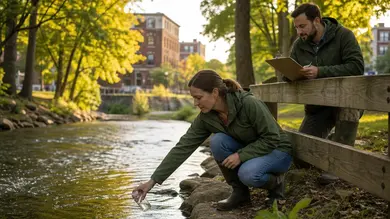
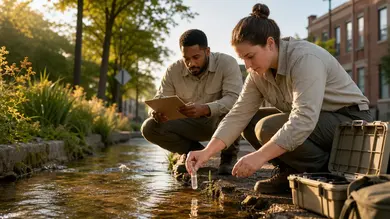
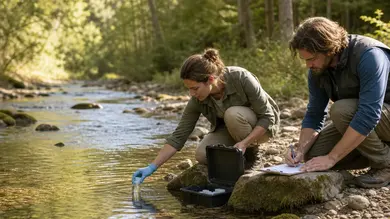
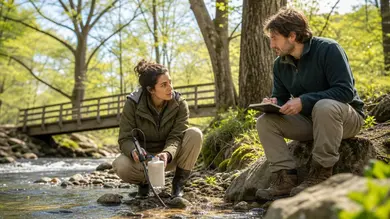
Most online environmental science programs do include internships or practicums as essential components, requiring students to engage in hands-on work to complement their academic studies. These experiences are typically arranged close to the student's home, enabling them to gain practical skills in real-world settings such as fieldwork, lab analysis, or environmental compliance without needing to relocate.
Completing these placements is often critical not only for developing job-ready expertise but also for meeting licensing or certification requirements in some states or professions. Prospective students should carefully evaluate how programs support securing local opportunities, the nature of required practical tasks, and any additional costs involved. Research indicates that over 70% of environmental science professionals attribute their career readiness to such experiential learning, highlighting its ongoing significance despite growing online education options.
Graduates of online environmental science degree programs can obtain professional licensure, provided they meet specific state requirements. These typically include earning a degree from an accredited program, gaining relevant work experience, and passing a professional exam. Many online programs are structured to align with licensure prerequisites, offering courses covering scientific principles, environmental laws, and practical fieldwork.
They may also provide support for securing internships or supervised professional experience, essential for licensing. Ensuring the program holds accreditation from recognized bodies such as ABET or regional accreditors is critical for meeting licensure standards, which illustrates how getting licensed with an online environmental science degree is feasible through properly designed curricula.
Licensure represents more than a formal credential; it validates professional competence and significantly enhances employment opportunities. Prospective students should carefully evaluate whether an online program meets local licensure requirements to avoid obstacles in their career paths. According to the U.S. Bureau of Labor Statistics, over 15% of environmental scientists work in roles that require or prefer professional certification, underscoring the importance of licensure in the field.
For students exploring related disciplines, comparing options such as a library master's degree or environmental science programs can clarify licensure value and outcomes for their career goals. Considering environmental science degree licensure requirements early ensures alignment with professional standards and maximizes job prospects.
Careful consideration of program costs is essential for prospective students exploring online environmental science degrees to make well-informed choices and manage their finances wisely. Tuition expenses have been rising steadily, with average annual tuition increasing by about 3% per year over the last decade, signaling the need for realistic budgeting beyond initial expectations.
Here are common costs to consider when evaluating the average cost of online environmental science degrees:
- Tuition per credit: Typically ranging from $300 to $800 per credit hour, tuition varies significantly by institution and residency status. State schools often provide lower tuition rates for in-state residents, making location a key factor in affordability.
- Technology fees: Many programs charge mandatory fees to cover access to online learning platforms, technical support, and virtual labs. These fees can add several hundred dollars each term and are necessary for maintaining up-to-date digital resources.
- Course materials: Costs for digital textbooks, lab kits, or specialized software vary depending on the curriculum. Some programs bundle materials into fees, while others require separate purchases, so students should account for these expenses when planning their budget.
- Registration and administrative fees: Additional charges may include enrollment fees, course registration, or graduation processing. While often smaller than tuition, these can cumulatively increase the overall program cost.
- Program length and credit requirements: Longer programs or those requiring more credit hours naturally raise total costs. Students interested in affordable online environmental science programs should compare program structures to find efficient pathways.
Prospective students aiming for advanced leadership roles might also explore related studies such as an online doctorate in organizational leadership, which can offer complementary skills aimed at environmental project management and policy development.
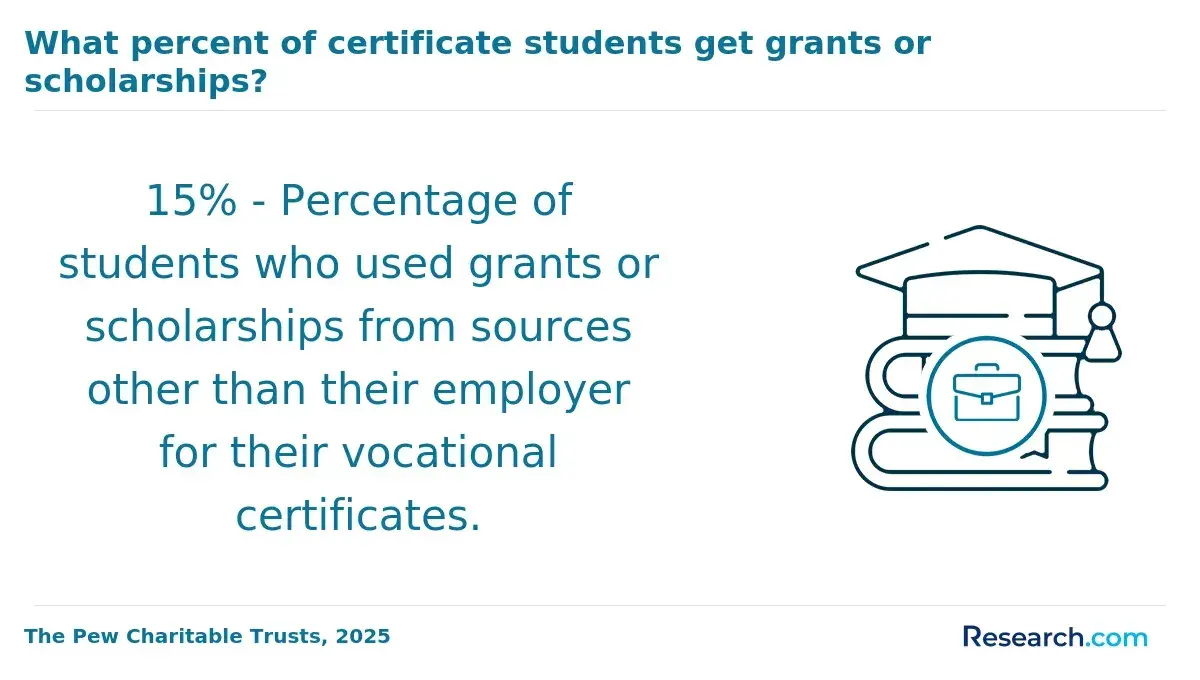
Understanding financial aid options is essential for prospective students considering online programs in environmental science, as it can help lower education expenses and influence enrollment decisions. Recent data shows that about 85% of undergraduate students in environmental science-related fields receive some form of financial aid, reflecting its widespread availability.
This overview highlights key financial aid opportunities for online environmental science learners.
- Federal grants: These need-based awards do not require repayment and include programs like the Pell Grant. Eligibility is determined by financial need via the FAFSA (Free Application for Federal Student Aid), making them a vital resource for many students.
- State aid: Many states provide grants or scholarships targeting residents or students in environmental or STEM disciplines. Requirements often include maintaining a minimum GPA and may differ by state, offering valuable assistance to qualified applicants.
- Scholarships: Organizations and foundations offering scholarships for environmental science degrees online often base awards on merit, demographics, or career goals. These scholarships can significantly offset tuition costs and reduce reliance on loans.
- Federal student loans: Widely accessible to U.S. students, these loans include flexible repayment plans suited to online learners but do require repayment with interest, so borrowing should be carefully considered.
- Work-study programs: These enable students to earn income through part-time employment related to environmental science, helping to cover expenses while gaining relevant experience.
Starting the application process early for financial aid can make online environmental science degrees more affordable, letting students concentrate on academic success and career preparation. Prospective students should explore options at online colleges that accept FAFSA to maximize their available aid.
Financial aid options for online environmental science students vary widely but are critical in reducing program costs. By leveraging scholarships and grants for environmental science degrees online, learners can minimize debt and invest more fully in their education.
Knowing the career paths available to graduates of online environmental science programs is essential for students deciding where to invest their time and resources. Employment in environmental science and related fields is projected to grow 8% over the next decade, reflecting increasing demand for professionals in sustainability and resource management.
Below is an overview of common jobs that align with this degree.
- Environmental Consultant: These professionals analyze environmental data to advise businesses and governments on compliance and impact reduction. The role often includes fieldwork and report writing, with opportunities to advance into project management or specialized consulting.
- Environmental Scientist: Responsible for studying natural resources and environmental hazards, environmental scientists conduct research and develop strategies to protect ecosystems. Graduates can work in labs, government, or private sectors, progressing to senior scientist roles.
- Conservation Scientist: Focused on land management and preserving natural habitats, conservation scientists collaborate with landowners and policymakers. The degree equips students with skills for stewardship and potentially leadership positions in conservation agencies.
- Environmental Technician: Technicians support scientific studies by collecting samples, maintaining equipment, and monitoring environmental conditions. This entry-level role can lead to advanced technical or supervisory positions over time.
- Regulatory Affairs Specialist: These specialists ensure organizations meet environmental laws and regulations. Their work involves documentation and compliance audits, with growth potential into compliance management or policy advisory roles.
Prospective students assessing online environmental science programs benefit greatly from knowing the salary potential associated with their degree. This information helps align educational investments with long-term financial goals and career expectations. For instance, the median annual wage for environmental scientists and specialists in the U.S. stands near $76,000, accompanied by a projected job growth rate of 8% from 2022 to 2032, outpacing many other sectors.
Key factors impact salary outcomes for graduates in this field:
- Level of education: Higher degrees such as master's or doctorates typically open doors to advanced roles and leadership positions, often resulting in increased compensation compared to bachelor's degree holders.
- Specialization: Concentrations like environmental engineering, sustainability, or hazardous waste management can influence salary due to varying industry demands and technical expertise required.
- Experience: Earnings generally rise with years spent working in relevant roles, as practical skills and professional accomplishments enhance value to employers.
- Geographic location: Salaries fluctuate based on regional demand and cost of living, with urban areas or industrial hubs frequently offering higher pay to attract qualified professionals.
- Work setting: Compensation varies across sectors; professionals in private companies, government agencies, or nonprofit organizations may experience different salary structures depending on organizational budgets and priorities.
What Graduates Say About Enrolling in an Online Environmental Science Degree
- Ryan: "I was initially concerned about the cost of pursuing an online environmental science degree, but discovering that the average tuition was quite affordable compared to traditional programs really convinced me to take the leap. The online format was flexible and well-structured, allowing me to balance work and study effectively. Since graduating, I've secured a role in environmental consulting that continues to grow thanks to the knowledge I gained. "
- Elena: "Choosing to enroll in the online environmental science program was a thoughtful decision after I researched the typical expenses, which were surprisingly reasonable for a quality education. The course content challenged me to think critically about ecological issues, and the online discussions enriched my learning experience. This degree has helped me advance to a leadership position in sustainability initiatives within my organization. "
- Benjamin: "What sold me on the online environmental science degree was the clear affordability combined with the reputation of the program. Studying remotely meant I could continue working full-time while expanding my expertise in environmental policy. The program has been instrumental in making me a qualified professional, and I now contribute to shaping environmental regulations. "
Other Things You Should Know About Environmental Science Degrees
Many online environmental science programs require at least one proctored exam, especially in core science courses such as chemistry, ecology, or statistics. Schools may use approved testing centers, live remote proctoring, or identity verification tools. Ask whether proctoring fees, webcam access, and scheduling windows apply before enrolling.
Yes, accredited online environmental science programs typically cover foundational and advanced topics necessary for graduate study. Students should ensure the curriculum includes rigorous research components and relevant laboratory or data analysis experiences to strengthen their preparation for master's or doctoral programs.
Many online programs provide career services such as resume reviews, networking opportunities, and job placement assistance tailored to environmental science roles. Prospective students should inquire about the availability and quality of these support services, as they can significantly impact job search success after graduation.
- Best Online Environmental Science Courses & Programs | edX https://www.edx.org/learn/environmental-science
- Environmental Certifications for entry-level and career changers https://www.theenvironmentalcareercoach.com/certification-links
- CES - Certified Environmental Scientist https://www.nrep.org/certifications/certified-environmental-scientist-ces
- Internship Guide https://www.gvsu.edu/ens/internship-guide-30.htm
- Online Environmental Graduate Programs: Are They Right for You? https://www.cjbnetwork.com/articles/online-environmental-graduate-programsare-they-right-for-you
- Access to HE Diploma (Environmental Science) Online - City of Oxford College https://oxford.activatelearning.ac.uk/courses/detail/access-to-he-diploma-environmental-science-online/
- Environmental Science - Major - Thiel College https://www.thiel.edu/academics/departments/environmental-science/majors-and-programs/environmental-science-major
- Best of 2025: Environmental Science Online Master’s Programs https://www.onlinemastersdegrees.org/best-programs/environmental-science/
- Bachelors (BS/BA) in Environmental Sciences Online | UWA Online https://online.uwa.edu/online-degrees/bachelor-bs-ba-environmental-science/
- Remote Climate Jobs - Find remote environmental & sustainability jobs! https://www.remoteclimatejobs.com/