2027 Online SLP Programs for Rural and Underserved Students

Co-Founder and Chief Data Scientist

Reviewed by Rhea Paul, PhD
SLP Education & Research Expert
Many students in rural and underserved areas face limited access to quality graduate programs in speech pathology due to geographic and financial barriers. Traditional campus-based programs often require relocation or extensive commuting, which can be impractical for working adults or those with family responsibilities.
This gap restricts opportunities for individuals seeking to change careers or enter the field without sacrificing their current commitments. Online speech pathology programs offer a flexible alternative, allowing students to complete accredited coursework remotely.
This article explores available online options designed to accommodate diverse needs and highlights pathways that enable aspiring clinicians to overcome these obstacles effectively.
Key Things You Should Know
- Online SLP programs in 2026 offer flexible learning options crucial for rural and underserved students, who face geographic and transportation barriers to traditional campus access.
- Studies show a 17% increase in enrollment from rural areas in online speech pathology programs between 2035-2025, reflecting growing accessibility and demand.
- Most programs now incorporate telepractice training, equipping graduates to serve diverse populations via remote speech pathology services effectively.
What are online SLP programs for rural students?
Online SLP programs for rural students offer accessible speech pathology education in underserved rural areas by eliminating the need for relocation. These programs use virtual platforms to deliver coursework, clinical training, and supervision, enabling learners in remote locations to earn credentials without the travel burden.
They typically feature asynchronous lectures, live video sessions, and telepractice clinical practicums, accommodating diverse schedules and local resource challenges.
Key advantages include:
- Flexible pacing and scheduling for students managing work or family commitments.
- Telehealth simulations and remote clinical placements providing vital hands-on experience.
- Support services such as virtual advising, tutoring, and peer collaboration mimicking in-person interaction.
These programs help reduce travel costs and increase access to quality education aligned with accreditation standards. Graduates receive preparation for state licensure requirements, including guidance on state-specific clinical hours.
The rising demand for speech-language pathologists in rural areas underscores the value of accessible online education pathways, crucial for addressing workforce shortages in remote settings.
For those interested in affordable options, exploring online masters speech pathology programs can provide comprehensive training and career support tailored to the needs of rural students pursuing this growing profession.
Why choose online SLP for underserved areas?
Online SLP programs play a vital role in expanding access to speech pathology education for underserved communities and rural students. Almost 30 of the 326 CAA-accredited master's programs now offer primarily online coursework, removing geographic barriers for those without nearby universities.
These programs are especially helpful for students balancing work and family, as asynchronous lectures allow flexible study schedules.
Many online programs partner with local clinics and schools to provide clinical practicum opportunities near students' homes. This approach reduces travel costs and time while supporting rural healthcare by increasing local availability of trained clinical services.
Financial challenges common in underserved areas are also mitigated by lower expenses for housing and transportation, with some programs offering scholarships or flexible tuition plans aimed at remote learners.
Choosing online education for rural students facilitates continuous professional growth without relocating. It also helps build workforce capacity in areas that need more speech pathologists.
For insights on career outcomes, consider the speech pathologist salary with a masters degree, which reflects the value of advanced education in this field.
Which accredited online SLP programs accept rural students?
Several accredited online speech pathology programs prioritize acceptance of rural and underserved students, addressing challenges unique to these populations.
These programs normally provide asynchronous coursework, flexible clinical placement options, and supportive services to accommodate those with limited local resources. This model aligns with the needs of students seeking accredited online speech pathology programs for rural students.
Maryville University's online Master of Science in Speech-Language Pathology is accredited by the Council on Academic Accreditation in Audiology and Speech-Language Pathology (CAA) and accepts students nationwide, including those in rural regions. It facilitates clinical internships close to students' homes to help overcome geographic barriers.
Other schools like the University of Cincinnati and Emerson College offer hybrid clinical models, allowing students to complete practicums within their communities. This ensures hands-on experience without requiring relocation, a valuable feature for online SLP degree programs accepting underserved regional applicants.
Cost is a significant consideration. For the 2025-2026 academic year, Maryville University's total tuition and fees for its online SLP master's program are $57,300, providing transparency and aiding financial planning. Rural students should confirm accreditation status, local clinical placement options, and financial aid availability before enrolling.
Prospective students interested in accelerated options should explore accelerated speech language pathology programs for more information on fast-tracked routes.
The essential accreditation for speech pathology degrees is certification by the Council on Academic Accreditation in Audiology and Speech-Language Pathology (CAA), recognized by the American Speech-Language-Hearing Association (ASHA).
Accredited programs ensure graduates meet eligibility requirements for the Certificate of Clinical Competence in Speech-Language Pathology (CCC-SLP), which is necessary for licensure and practice in most U.S. states.
Programs typically offer a master's degree in speech pathology or communication sciences and disorders (CSD), covering foundational knowledge, ethical training, and at least 400 hours of supervised clinical practicum.
These clinical hours are crucial for hands-on experience and meeting licensure mandates. Some universities also provide alternative routes or post-graduate certificates, but these must come from CAA-accredited institutions to maintain professional eligibility.
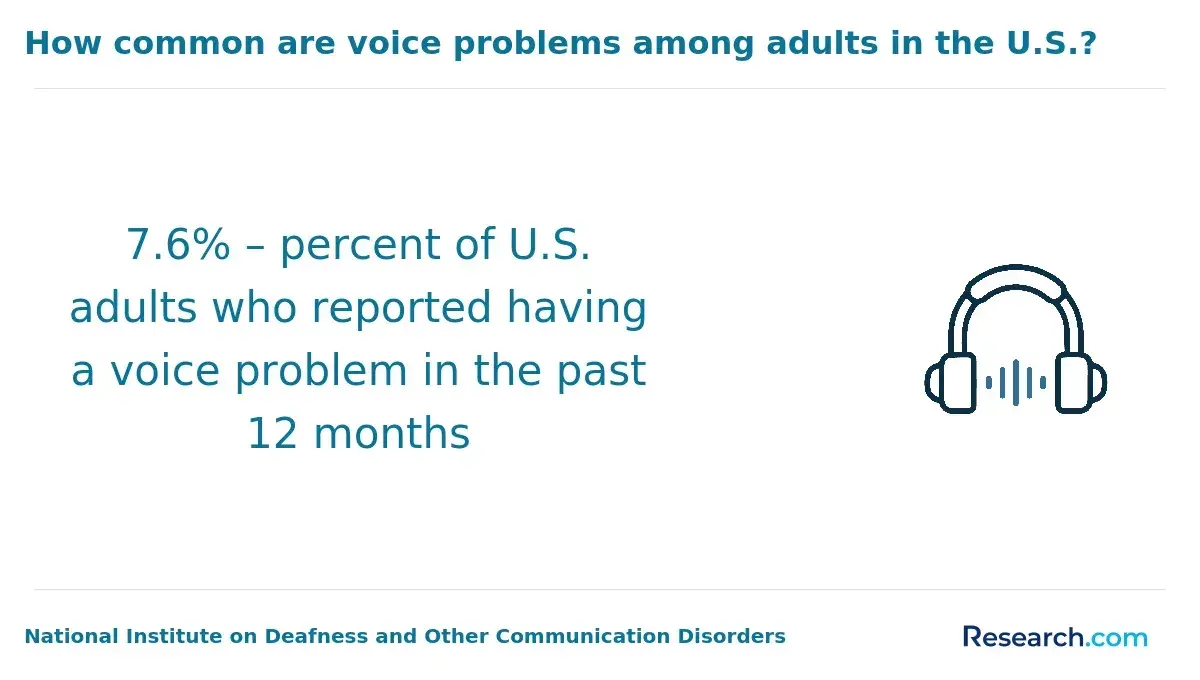
Accredited speech pathology degrees for underserved communities, including rural students, are increasingly available online. Graduates from both online and residential accredited programs show strong employment outcomes.
For instance, Baylor University's master's programs reported a 99.3% employment rate, highlighting that online paths can effectively prepare students for the workforce.
Prospective students seeking accessible options should explore speech pathology graduate programs that meet online SLP program accreditation requirements for rural students to ensure quality education and licensure eligibility.
You can become a licensed speech-language pathologist (SLP) through fully online programs that meet accreditation and state licensure requirements. Accredited online master's programs provide essential coursework and guided clinical experiences remotely, making education more accessible for students in rural or underserved areas.
However, all clinical practicum hours must be completed in person at approved local facilities to ensure hands-on training crucial for professional competency.
Many online programs assist students in finding local clinical placements and confirm eligibility for fieldwork in their state. It is important to select a Council on Academic Accreditation (CAA)-accredited program that supports these clinical arrangements. Additionally, passing the Praxis exam is required for licensure.
For instance, James Madison University's online SLP cohort achieved a 100% Praxis exam pass rate in the 2023-2024 academic year, highlighting that thorough preparation is attainable through online study.
State licensure boards vary in their acceptance of online degrees, so verify your state's specific requirements early in the application process. Some states require direct confirmation from the institution or specific accreditation to grant licensure.
This fully online pathway expands opportunities for remote students while maintaining high standards through local clinical placements and comprehensive preparation for certification.
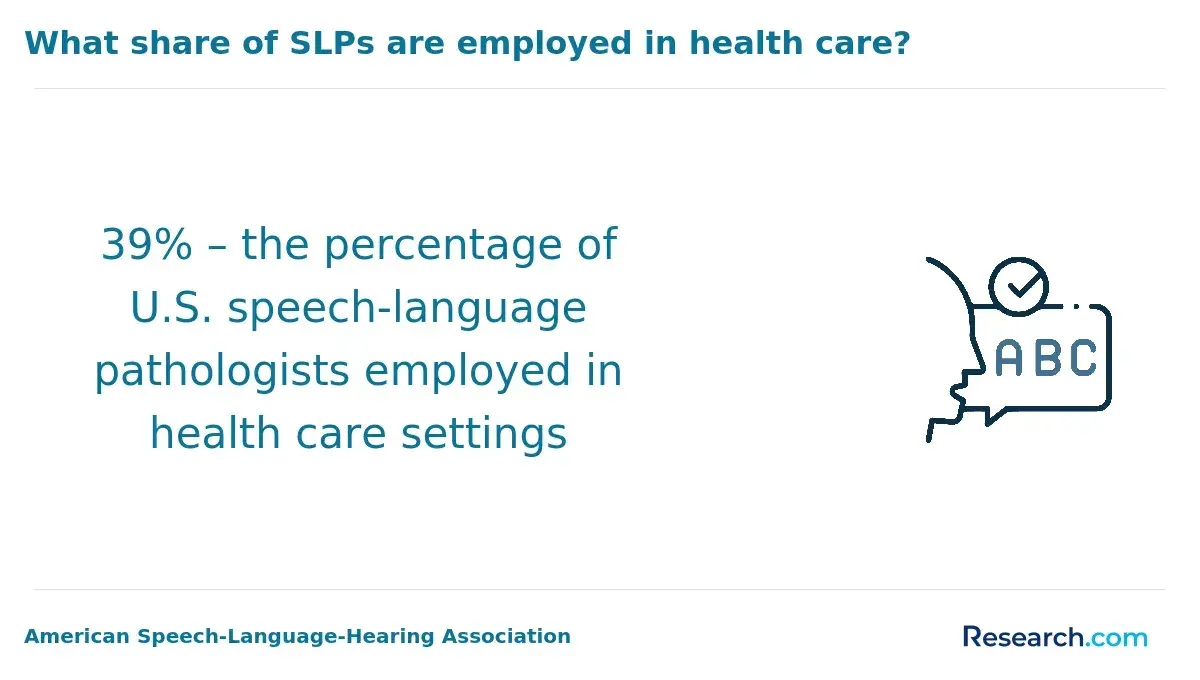
Online speech pathology master's programs typically follow a curriculum that satisfies the American Speech-Language-Hearing Association (ASHA) certification and licensure requirements. Core courses cover anatomy and physiology related to speech and hearing, speech science, phonetics, language development, and audiology.
These programs balance theory with clinical practice, addressing diagnosis and treatment of speech, language, voice, and swallowing disorders throughout the lifespan.
Common classes include:
- Neuroanatomy and neurophysiology associated with communication disorders
- Speech sound disorders in both children and adults
- Language acquisition and impairments
- Cognitive-communication disorders such as aphasia and dementia-related issues
- Fluency and voice disorders
- Augmentative and alternative communication strategies
Clinical practicum experiences, often arranged locally, are essential for developing hands-on skills and fulfilling ASHA requirements. Some programs add virtual simulations to supplement in-person training. Electives may include bilingual speech pathology or telepractice techniques, providing valuable skills for serving rural or underserved populations.
Verifying alignment with ASHA's Council on Academic Accreditation is important, as it impacts eligibility for the Certificate of Clinical Competence (CCC-SLP), a critical credential for employment.
Job prospects are favorable in schools, healthcare, and private practices. According to the U.S. Bureau of Labor Statistics, the median annual wage for speech-language pathologists was $97,870, demonstrating strong earning potential in this field.
Admission requirements for online speech-language pathology programs generally include a completed bachelor's degree from an accredited institution, often favoring degrees in communication sciences and disorders or related fields.
Applicants typically need a minimum cumulative GPA around 3.0, though some programs allow slightly lower GPAs if balanced by relevant experience or strong recommendations.
While some programs require GRE scores, many have waived this to broaden access. Letters of recommendation from academic professors or professional supervisors are important to highlight the applicant's skills and work ethic.
Most programs expect a personal statement that clearly expresses motivation and professional goals. Clinical observation hours are frequently required, with a range of about 25 to 50 hours of documented shadowing or volunteer experience in speech-language pathology settings.
Communication skills and the ability to adapt to virtual learning environments are critical. Some programs conduct video interviews to assess interpersonal skills and dedication.
Applicants from non-traditional backgrounds may need to complete prerequisite courses in subjects such as anatomy, linguistics, or psychology before full admission.
Notably, St. Bonaventure University introduced a fully online Master of Science in speech-language pathology in 2025, reflecting the expanding availability of rigorous online options comparable to on-campus programs.
Online speech pathology programs generally last between two and three years, depending on whether students opt for full-time or part-time study. Full-time tracks typically take about two years, while part-time options may extend beyond three years to accommodate working professionals and those with family commitments.
Tuition costs vary significantly. Public universities often charge between $15,000 and $30,000 for the full program, whereas private institutions may exceed $40,000. Some schools charge by credit hour, ranging from $700 to over $1,000 per credit. Additional expenses such as technology fees, required textbooks, and clinical practicum costs can add several thousand dollars.
Flexible pacing and affordable tuition are essential for rural and underserved students. Part-time study helps balance employment and caregiving duties while limiting debt. Availability of scholarships and financial aid varies, so it is important to research options relevant to your background and location.
James Madison University's online speech pathology program earned the top rating among online programs by Forbes Advisor, highlighting quality and accessibility for learners nationwide.
Key points for applicants to consider include:
- Program length options: 2 years full-time, up to 3+ years part-time
- Tuition range: $15,000 to $40,000+
- Additional costs: fees, textbooks, clinical placements
- Financial aid and scholarships availability
- Program reputation and accreditation status
Graduates of online speech pathology programs often start careers as licensed speech-language pathologists (SLPs) in various settings such as schools, healthcare facilities, rehabilitation centers, and private practice. Entry-level salaries typically range from $60,000 to $75,000 annually, influenced by location and employer. With experience, median salaries rise to about $80,000 to $95,000 per year, and specialists in fields like pediatric speech pathology or neurogenic communication disorders can command higher wages.
Telepractice is an expanding area that enables SLPs to serve patients remotely, especially in rural or underserved communities where access to speech and language services is limited. Career growth may lead to supervisory, clinical director, or academic roles, with compensation exceeding $100,000 in advanced positions.
Baylor University's online graduate program in communication sciences and disorders (CSD) supports employability through clinical placements close to students' homes, which are crucial for gaining hands-on experience in relevant settings. Employers value practical skills demonstrated in these placements aligned with population needs.
Additional opportunities include research or consulting roles with educational institutions and tech companies creating speech therapy tools. Certification, ongoing professional development, and specialty credentials from recognized professional bodies significantly enhance salary potential and career advancement.
What is SLP job outlook in rural regions?
The demand for speech language pathology professionals in rural areas continues to grow due to ongoing shortages of qualified clinicians. These underserved regions often have fewer healthcare facilities and limited access to specialized care, increasing the need for skilled speech language pathologists.
Key factors contributing to this demand include:
- Higher rates of untreated speech and language disorders because of limited early intervention resources.
- State and federal loan forgiveness and grant programs encouraging clinicians to work in rural communities.
- Advances in technology, such as teletherapy and remote assessments, which improve treatment access despite geographic barriers.
Educational programs like Marymount University's online speech language pathology degree combine simulation and clinical training to equip students with practical skills tailored for rural healthcare settings. Students benefit from curricula that emphasize telepractice competencies and real-world clinical experiences relevant to underserved populations.
Networking with providers and agencies serving rural communities enhances job opportunities. With growing support from policy and education innovations, careers in rural speech language pathology are becoming more accessible and rewarding, addressing critical gaps in healthcare delivery.
Other Things You Should Know About Speech Pathology
Students need a reliable internet connection and a computer that meets program specifications, typically including updated operating systems and sufficient RAM. Some programs may also require specific software for simulations or interactive learning experiences. Check specific program requirements before enrolling.
Most online SLP master’s programs require about 400 supervised clinical hours, with at least 325 hours in direct client contact, to meet ASHA certification standards. Students in rural areas usually complete some practica locally, but placements must be approved by the program and supervised by qualified clinicians.
Students from underserved areas may encounter limited access to local clinical placements required for certification. Financial constraints and unreliable internet connectivity can also affect participation in online programs. However, many institutions now provide support services, scholarships, and flexible scheduling to help overcome these barriers.
- U.S. Bureau of Labor Statistics - Speech-Language Pathologists https://www.bls.gov/ooh/healthcare/speech-language-pathologists.htm
- ASHA EdFind - Accredited Speech-Language Pathology Programs https://find.asha.org/ed/
- O*NET OnLine - Speech-Language Pathologists https://www.onetonline.org/link/summary/29-1127.00
- Idaho State University - Master of Science in Speech-Language Pathology (Online/Distance Education) https://www.isu.edu/slp/programs-offered/slp-graduate-program/
- University of Scranton - Master of Science (M.S.) in Speech-Language Pathology https://www.scranton.edu/academics/pcps/health-and-human-performance/programs/speech-language-pathology/index.shtml
- Ithaca College - Online Master of Science in Speech-Language Pathology https://slponline.ithaca.edu/programs/masters-speech-language-pathology-online
- University of North Carolina at Greensboro - Speech-Language Pathology, M.A. (Online) https://csd.uncg.edu/graduate/masters-of-arts-online/
- California State University-East Bay - Online Master of Science in Speech-Language Pathology https://ce.csueastbay.edu/programs/speech-language-pathology/