2027 Why More Students Are Choosing Online Speech Pathology Programs

Co-Founder and Chief Data Scientist

Reviewed by Rhea Paul, PhD
SLP Education & Research Expert
Many students face challenges balancing work, family, and education while seeking a career change. Traditional speech pathology programs often require rigid schedules and on-campus attendance, limiting access for those with time constraints or geographic barriers. This creates frustration when pursuing a vital credential in a growing healthcare field.
Online speech pathology programs offer a flexible alternative, allowing learners to study at their own pace without sacrificing current responsibilities. This article will explore why these programs are increasingly popular and how they provide a practical solution for prospective graduate students seeking a credible, accredited path into speech pathology.
Key Things You Should Know
- Online speech pathology programs grew by 17% in enrollment between 2035 and 2025, driven by increased flexibility and accessibility for diverse learners across the U.S.
- Accreditation and clinical practicum requirements have adapted, ensuring online degrees meet licensure standards while offering innovative virtual simulation training.
- The median starting salary for speech pathologists reached $75,000 in 2025, making online education an attractive pathway for cost-conscious students seeking timely workforce entry.
Why choose online speech pathology programs?
Online speech pathology programs with flexible scheduling offer significant advantages for students managing professional and personal commitments. Asynchronous coursework enables learners to study around work, caregiving, or health needs while overcoming geographic barriers, especially for those in rural or underserved locations where on-campus options are limited.
Students benefit from accessible clinical practicum placements through partnerships with local healthcare providers, schools, or telepractice sites. This approach fosters practical skill development in diverse settings vital for certification and job readiness. Accredited speech pathology degrees available online also provide tailored academic advising and technical support, enhancing student engagement and success throughout the program.
Cost savings are another appeal, with reduced expenses for commuting, housing, and materials. Many students continue working while studying, minimizing financial disruption. The growing popularity of online speech pathology education is reflected in a 60.5% enrollment increase in master's programs since 2010-2011, according to ASHA's 2024 CSD Education Survey, highlighting expanding demand and acceptance.
Prospective students should ensure programs hold Council on Academic Accreditation (CAA) approval to maintain certification eligibility. For those exploring options, a well-researched list of the best online SLP programs can provide guidance on affordable, high-quality choices.
What are the best online speech pathology degrees?
The best online speech pathology degree programs emphasize accreditation, flexible learning formats, and robust clinical practicum options. Programs accredited by the Council on Academic Accreditation in Audiology and Speech-Language Pathology (CAA) ensure graduates can pursue certification and licensure.
Among top schools, the University of Arizona's online SLP program stands out with 10,935 students enrolled exclusively online, highlighting its strength in supporting working professionals who cannot relocate.
Accredited online speech pathology degrees typically offer a blend of asynchronous coursework and scheduled live sessions, allowing students to balance their studies with jobs or family responsibilities. Clinical practicum experiences arranged locally or virtually are vital to meeting hands-on training requirements. For example, Arizona State University and the University of Pittsburgh coordinate practicum placements in students' local communities to satisfy state licensure clinical hours.
Master's programs usually take two to three years, covering foundational topics such as communication disorders, anatomy, and therapeutic techniques. Options like accelerated or part-time tracks help accommodate various timelines and commitments. Additional factors to consider include faculty expertise, student support services, and technology platforms that enhance learning and engagement.
Students changing careers benefit from programs that offer comprehensive career counseling and networking opportunities with clinical sites. For those weighing career prospects, understanding the speech pathologist salary can provide valuable insight into their future earnings potential.
Is an online speech pathology degree accredited?
Accreditation for an online speech pathology degree is vital and must be confirmed before enrolling. The key accrediting organization in the U.S. is the Council on Academic Accreditation in Audiology and Speech-Language Pathology (CAA), under the American Speech-Language-Hearing Association (ASHA). This accreditation ensures programs meet rigorous academic and clinical training standards necessary for certification and licensure.
Many universities now offer accredited online speech pathology programs aligned with ASHA's requirements. Without this accreditation, students may face challenges obtaining the Certificate of Clinical Competence (CCC), an essential professional credential. It is important that both the coursework and supervised clinical experiences are CAA-approved to satisfy licensure boards.
Accessibility continues to improve through online options, especially benefiting students in underserved Western states like Wyoming, Montana, and the Dakotas. These states have higher acceptance rates for speech pathology graduate programs, ranging from 50% to 85%, which surpass the national average. This, combined with accredited online programs, provides strong pathways for remote learners pursuing careers in speech pathology.
Prospective students should verify if their state licensing accepts online degrees and check the program's support for clinical placements. These factors, along with proper online speech pathology program accreditation in the US, are critical for career advancement. For those interested, exploring accelerated speech pathology programs can also be a valuable option.
- online speech pathology program accreditation in the US
- accredited online speech pathology degrees for student licensure
Admission into online speech pathology programs typically requires a bachelor's degree, a minimum GPA of 3.0, and completion of prerequisite courses such as anatomy, physiology, linguistics, and psychology. Many schools also request standardized test scores, often the GRE, though waivers exist for applicants with relevant experience or advanced degrees. Letters of recommendation-usually two or three-highlight academic and professional potential.
Additional components frequently considered include relevant clinical or volunteer experience, a personal statement outlining motivation and career goals, and compliance with background checks and immunization proof due to clinical practicum demands. Technical readiness is essential as students must engage effectively with digital learning platforms and telepractice technologies.
Applicants aiming for programs with less stringent criteria and flexible formats might explore a variety of SLP programs online. Programs like Baylor University offer accelerated tracks with strong outcomes, including a 90% Praxis pass rate and tuition 20-30% lower than traditional private institutions. Each program's requirements vary; some prefer prerequisite coursework completed within seven years and limit retakes. International students often need TOEFL scores.
Meeting these requirements enhances admission chances and prepares students for rigorous graduate coursework and essential clinical rotations needed for certification and licensure. Understanding the requirements for enrolling in speech pathology online degrees thoroughly helps prospective students select suitable programs aligned with their academic background and career aspirations.
Online speech pathology programs generally require two to four years to complete, depending on whether students pursue a master's or doctoral degree and their enrollment status. Master's degrees, necessary for clinical certification, are typically completed in two years by full-time students. Part-time students or working professionals often extend this to three or four years to accommodate coursework and practicum hours.
Doctoral programs, which prepare students for research or academic roles, usually last between three and five years, influenced by dissertation requirements and clinical experiences. Many schools now offer accelerated or hybrid formats combining synchronous and asynchronous classes to reduce time to completion.
Clinical practicum remains a crucial component. Innovations such as virtual clinics and simulated practicums have increased flexibility, enabling students to fulfill clinical hours remotely without sacrificing training quality. These approaches support comparable Praxis exam outcomes to traditional in-person settings. Over 27,000 students are enrolled exclusively online, highlighting the growing accessibility of these programs.
Students should carefully consider:
- Their eligibility for federal financial aid
- Choosing full-time or part-time enrollment
- The availability of clinical placements, especially off-site practicum slots
Proper planning around these factors helps ensure timely program completion while meeting certification requirements.
The online speech pathology curriculum blends theoretical knowledge with practical skills essential for clinical success. Core subjects typically include anatomy and physiology of the speech and hearing mechanisms, developmental language disorders, neurogenic communication disorders, and audiology. These provide a solid foundation for understanding the biological and neurological roots of communication challenges.
Students study assessment techniques, diagnostic methods, and evidence-based interventions for disorders such as aphasia, stuttering, and cognitive-communication impairments. Programs emphasize multicultural and multilingual considerations, preparing graduates to serve diverse populations effectively.
Clinical training is integrated through virtual simulations and supervised in-person placements, ensuring hands-on experience despite the remote format. Coursework often covers research methods and statistics to develop skills needed for evidence-based practice.
Additional topics may include swallowing disorders, early intervention strategies, and telepractice, which supports remote treatment delivery. Ethics, professional standards, and interdisciplinary collaboration are also common components, equipping students for complex real-world scenarios.
The robust curriculum aligns with enrollment growth; master's-level speech pathology enrollment reached 24,320 in 2022-2023, with first-year capacity surpassing 100%, driven largely by online accessibility, according to the ASHA CSD Education Survey Trend Data.
Prospective students should assess program clinical hour offerings and up-to-date teletherapy technologies to ensure licensure and certification readiness. These factors are critical for successful career entry and ongoing professional development.
Online speech pathology programs in 2026 vary widely in cost, typically ranging from about $20,000 to over $70,000 for complete graduate degrees. Tuition depends on factors such as the institution's reputation, program length, and whether the school is public or private. For instance, residents attending a public university often pay between $500 and $800 per credit hour, while nonresidents may be charged twice that amount.
Both master's and certificate options are commonly available, with master's degrees generally costing more due to a longer course load. Part-time and accelerated enrollment options can influence overall expenses and time to completion. Additional fees-including clinical practicum placements, textbooks, technology, and administrative costs-can total between $1,000 and $3,000 throughout the program.
- Financial aid, scholarships, and employer tuition reimbursement frequently help reduce costs.
- Baylor University's online program reports nearly 90% Praxis exam pass rates and 100% employment within one year, according to SpeechPathologyGraduatePrograms.org.
- Strong career support and graduate outcomes are key factors in assessing program value.
When selecting a program, comparing total costs, accreditation, and graduate success rates can ensure that affordability aligns with your career goals and licensure requirements.
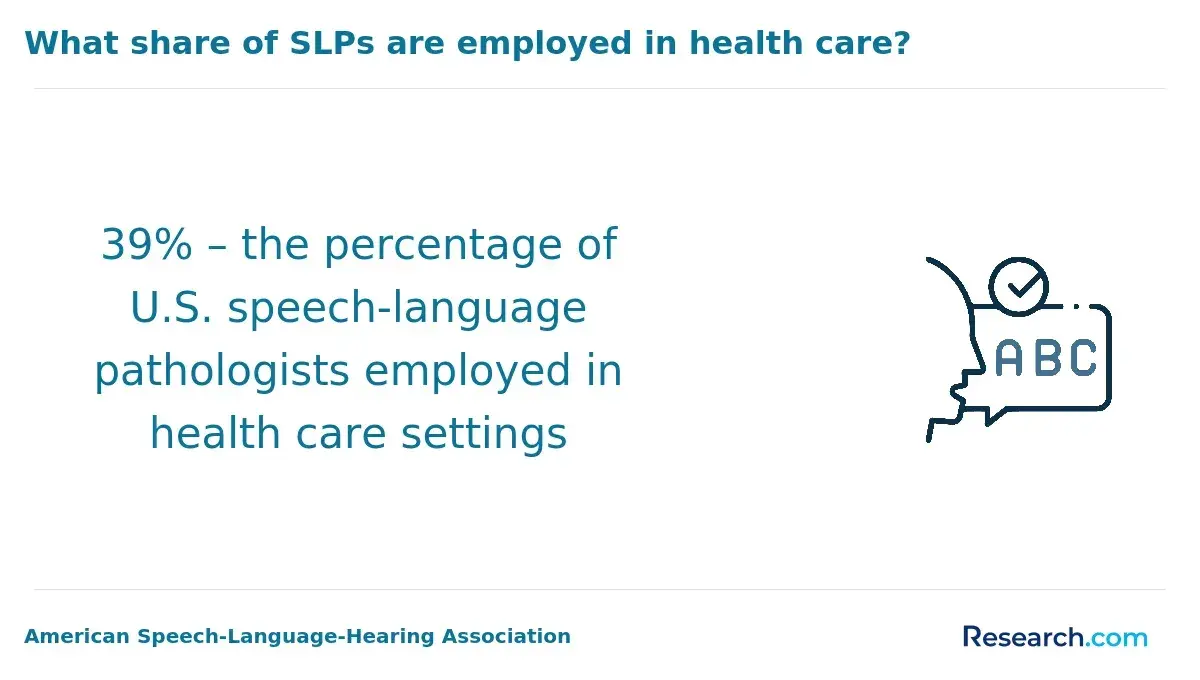
Graduates with a speech pathology degree often pursue careers as licensed speech-language pathologists (SLPs), working in environments such as schools, hospitals, rehabilitation centers, and private practices. They diagnose and treat speech, language, voice, and fluency disorders for patients of all ages.
Beyond clinical roles, professionals in this field frequently explore related areas including:
- Research and academia, advancing studies on communication disorders and developing new therapies
- Healthcare administration, overseeing speech and hearing service programs
- Educational consulting, supporting schools with speech therapy program development and compliance
- Assistive technology development, contributing to the design of augmentative and alternative communication tools
- Corporate roles, providing communication coaching and voice therapy for professionals
Specializations also include pediatric therapy, care for neurodegenerative conditions in geriatric patients, and working with individuals who have developmental disabilities. These areas allow for focused career paths based on individual interests and certifications.
Minority enrollment in speech pathology master's programs reached 24,320 in 2022-2023, signaling increased diversity in the field. The growth of online programs enhances access and flexibility for students nationwide, supporting the rising demand for services (Source: ASHA CSD Education Survey Trend Data).
Prospective students and professionals should prioritize licensure, continuing education, and networking within specialty areas to establish and advance their careers effectively.
The salary outlook for speech pathologists is promising, with median starting salaries near $85,000 reported by recent graduates from accredited online programs in Texas private institutions. These figures reflect national averages for entry-level roles, but graduates of online programs often benefit from lower tuition costs and thus a higher return on investment.
Salary variation depends heavily on factors such as geographic location, employer type, and experience. For instance, metropolitan hospitals and specialized clinics tend to offer higher entry salaries than rural schools or community settings. Pursuing certifications, such as pediatric or fluency disorder specializations, can also open doors to better-paying positions or leadership roles.
Prospective students should assess several factors when estimating earning potential:
- Job market demand in their desired state or region
- Type of employer, including healthcare facilities, schools, or private practices
- Additional certifications that enhance salary opportunities
Choosing accredited online programs that emphasize clinical experience and licensure preparation can reduce student debt and speed up reaching salary goals. This financially smart route leads to stable and well-compensated careers in speech pathology.
What is the job demand for speech pathologists?
Job demand for speech pathologists continues to rise sharply, with the American Speech-Language-Hearing Association (ASHA) reporting a 60.5% growth over the past decade. This growth reflects broader awareness of speech and communication disorders affecting all age groups and spans varied work environments such as schools, healthcare settings, and private practices.
In the 2022-2023 admission cycle, ASHA data showed 47.9% of applicants to speech pathology master's programs were approved, indicating a competitive but expanding field. Online programs are increasingly popular, expected to represent about 30% of new enrollments by 2026, offering flexible pathways into the profession.
Key factors driving demand include:
- Aging populations in need of therapy for stroke-related and cognitive speech impairments
- Greater diagnosis of developmental and communication disorders in children
- Rising need for rehabilitation from traumatic brain injuries
Employment varies geographically: urban centers often feature hospital and specialty clinic roles, while rural areas may emphasize school-based positions due to workforce shortages. Graduates should be prepared for certification requirements and clinical practicum commitments that affect job readiness and salary potential.
Speech pathology offers a strong, growing career path fueled by evolving education models and expanding enrollment, appealing to dedicated students and professionals alike.
Other Things You Should Know About Speech Pathology
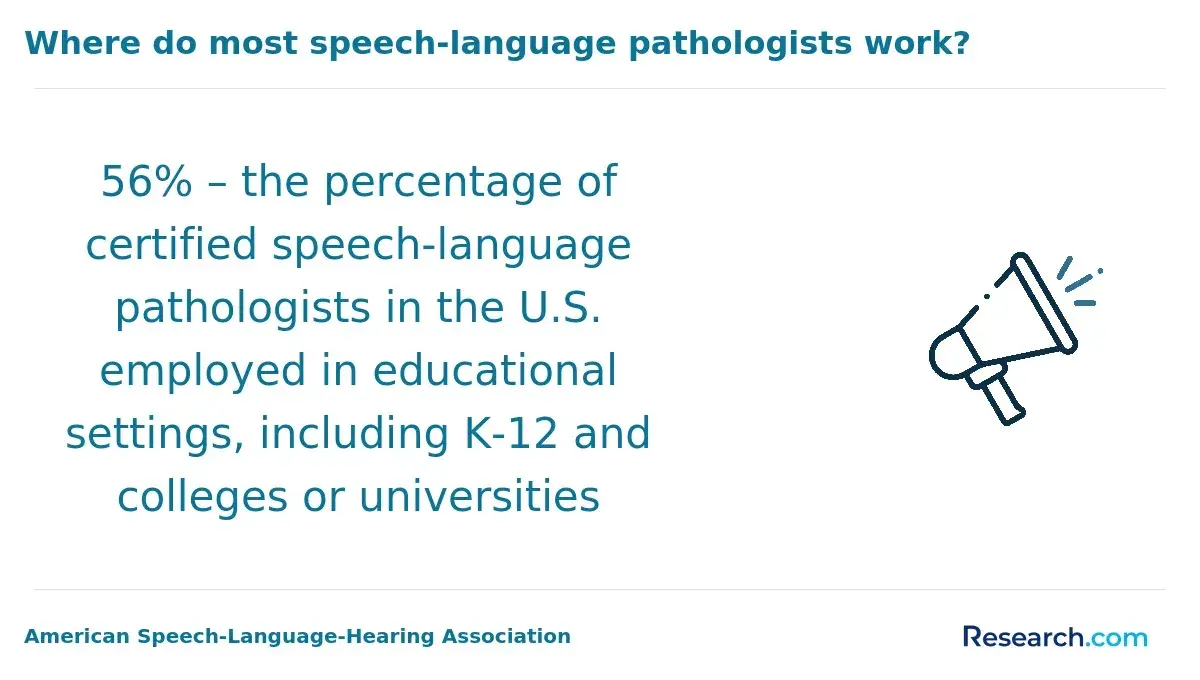
Yes, many speech pathologists find employment in educational settings, including public and private schools. They work directly with students who have communication disorders, helping improve speech, language, and social communication skills. School-based speech pathologists often collaborate with teachers and parents to support student development.
Continuing education is typically required for speech pathologists to maintain professional licensure and certifications. State licensing boards and the American Speech-Language-Hearing Association (ASHA) mandate ongoing learning to keep practitioners updated on new research and techniques. This ensures therapists provide effective and evidence-based care.
Online speech pathology programs should hold accreditation from the Council on Academic Accreditation in Audiology and Speech-Language Pathology, or CAA, through the American Speech-Language-Hearing Association. In 2027, this accreditation is required for students who plan to pursue ASHA certification and most state licensure paths.
In 2027, online speech pathology programs offer greater flexibility, allowing students to balance career and family commitments. Advances in technology have enhanced virtual learning experiences, and wider program availability caters to diverse needs, attracting more students to this mode of study.
- U.S. Bureau of Labor Statistics - Speech-Language Pathologists https://www.bls.gov/ooh/healthcare/speech-language-pathologists.htm
- ASHA EdFind - Accredited Speech-Language Pathology Programs https://find.asha.org/ed/
- Audiology and Speech-Language Pathology Interstate Compact https://aslpcompact.com/compact-map/
- University of Wisconsin-Eau Claire - Master of Science in Speech-Language Pathology (Online) https://www.uwec.edu/speech-language-and-hearing-sciences-department/graduate-program/speech-language-pathology-online
- Nova Southeastern University - SLP Program - Master of Science in Speech-Language Pathology https://osteopathic.nova.edu/degrees/masters/speech-language-pathology/index.html
- California State University-San Marcos - Online MS in Speech-Language Pathology https://www.csusm.edu/slp/programs/mastersonline/index.html
- Pennsylvania Western University - Master of Science in Speech-Language Pathology https://online.pennwest.edu/programs/speech-language-pathology-grad/index.php
- University of Nebraska at Kearney - Speech-Language Pathology, Master of Science in Education (Online Track) https://www.unk.edu/online/degrees-programs/speech-language-pathology-online.php