2027 How to Transfer Into an Online Speech Pathology Program

Co-Founder and Chief Data Scientist

Reviewed by Rhea Paul, PhD
SLP Education & Research Expert
Many professionals with degrees in unrelated fields face challenges when seeking to transfer into an online speech pathology program. They often struggle to identify programs that accept transfer credits or lack clear guidance on prerequisites and application requirements.
Limited flexibility and varying accreditation standards can also hinder progress. These barriers create uncertainty about whether a seamless transition is possible without starting from scratch.
This article explores practical strategies for transferring into accredited online speech pathology programs. It aims to clarify key steps, advising prospective students on how to navigate admission policies and build the credentials needed to pivot effectively into this growing healthcare field.
Key Things You Should Know
- Transferring into an online speech pathology program in 2026 typically requires completing prerequisite courses in communication sciences, anatomy, and linguistics, which vary between institutions.
- Most programs demand a minimum GPA of 3.0 and may require documented clinical observation hours before admission, reflecting the profession's high standards.
- Accredited online speech pathology programs, approved by ASHA or CAA, offer flexibility and ensure eligibility for certification and licensure in all U.S. states.
What Is a Speech Pathology Transfer Process?
Transferring into an accredited speech pathology program involves several key steps to ensure a smooth transition. Prospective students must first confirm eligibility with the target school, meeting GPA and prerequisite requirements. The formal transfer application includes submitting official transcripts and documentation of completed clinical hours to meet accreditation standards.
Some programs require letters of recommendation or personal statements detailing transfer reasons. These steps are crucial parts of the steps to transfer into an accredited speech pathology program successfully.
The transfer process differs when moving between on-campus programs, from on-campus to online, or among online programs. For example, the transfer process for online speech pathology programs often demands proof of technological readiness and may involve adapting to virtual or community-based clinical practicums. Early inquiries about credit transfer policies are vital since not all clinical hours or coursework may apply toward the new program.
Due to the competitive nature of speech pathology education-with only 45.3% admitted from over 52,000 master's program applications according to ASHA-transferring to a program with more flexibility or accessibility can improve academic progression. Students should clarify potential term overlaps, tuition costs, and accreditation impacts with both sending and receiving schools to avoid delays or lost training.
Common challenges include incomplete credit acceptance and differing clinical hour requirements. Advising sessions and communication with clinical coordinators help mitigate these risks. For those considering their options, exploring SLP master's online programs can provide valuable flexibility.
Can You Transfer into an Online Speech Pathology Program?
You can transfer into an online speech pathology program, but transfer eligibility for online speech pathology programs depends on credit compatibility, program prerequisites, and clinical requirements. Many accredited programs accept transfer students, especially those with relevant coursework in communication sciences, anatomy, and linguistics. Before applying, verify your current program's courses align with the new curriculum to avoid losing credits.
Programs typically require official transcripts and a course-by-course evaluation to determine transferability. Some schools limit transfer credits to 50-75% of total program credits, so you may need to complete a significant portion at the new institution. Clinical hours are essential; online programs may emphasize telepractice or local placements, so it's important to ensure previous clinical experience meets new standards.
Requirements to switch into an online speech pathology degree may include meeting foundational course competencies and updated clinical training. Transferring can accelerate degree completion for working professionals or graduates if prior credits and clinical work satisfy program demands. However, you might have to retake courses if your previous program lacks alignment with industry standards.
The U.S. Bureau of Labor Statistics projects 17% job growth for speech-language pathologists from 2025 to 2035, much faster than the 3% national average. Choosing programs that emphasize emerging technologies and high-demand clinical skills is critical for career advancement. For insights into career options, explore highest paying speech pathology jobs.
What Are Admission Requirements for Transfer Students?
Transfer student admission criteria for online speech pathology programs commonly include a minimum GPA around 3.0 on a 4.0 scale for prior graduate coursework and completion of prerequisite classes in anatomy, linguistics, psychology, and communication disorders. A detailed transcript is essential to demonstrate foundational knowledge necessary for advanced study.
Prerequisites for transferring into an online speech pathology degree often also require proof of progress in the current graduate program. This typically involves a formal evaluation or letter from faculty confirming satisfactory academic standing and clinical performance. Many programs cap transferable credits at 9 to 12 semester hours, so verifying credit eligibility beforehand is important.
Admission competitiveness varies widely; for example, some western states like Wyoming and Montana accept 50-85% of applicants, while more selective programs may admit fewer than 5%. Additional requirements generally include GRE scores, letters of recommendation, personal statements outlining clinical experience and career goals, background checks, and clinical hours documentation. Students should also be aware of state licensure requirements based on the program's location.
Careful attention to these criteria enhances transfer success. Those seeking options might explore accelerated speech pathology programs online to find suitable pathways aligned with their experience and goals.
Several accredited online speech pathology programs accept transfer students, but transfer policies and credit acceptance vary substantially. Programs from regionally accredited universities recognized by the Council on Academic Accreditation (CAA) in communication sciences and disorders tend to be more flexible in accepting transfer credits from both in-person and online institutions.
For example, the University of Wisconsin-Madison and the University of Memphis allow up to 50% of required coursework to be transferred, as long as the credits are from accredited programs with a minimum grade of B. These institutions assess transferred credits on a course-by-course basis to ensure they meet foundational knowledge and clinical practicum standards.
Transfer students often need to have completed prerequisite courses such as anatomy, linguistics, and phonetics. Documentation including official transcripts, course syllabi, and sometimes letters of recommendation from previous instructors are typically required. Some programs limit transfers to general education credits and require core speech pathology courses to be completed within their own curriculum.
Applicants who have completed partial clinical practicum hours should confirm whether these hours can transfer, as many programs mandate that a significant portion of clinical experience be completed on-site or under direct supervision. Online speech pathology programs especially may impose residency requirements for clinical components.
Prospective students interested in online speech pathology programs that allow credits transfer should request a transfer credit evaluation well in advance and clarify deadlines to avoid losing credits or delaying graduation. More details can be found by exploring SLP programs online.
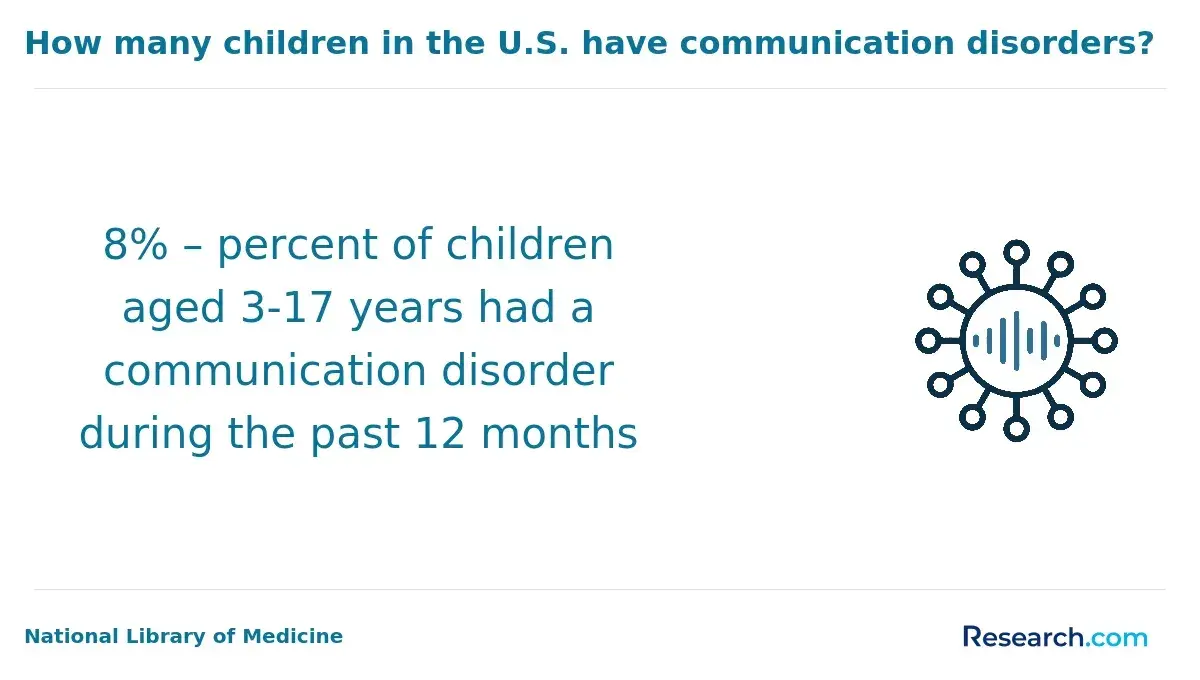
Applying as a transfer student into an online speech pathology program demands organized preparation and accurate academic documentation. Most programs expect a GPA between 3.0 and 3.5, reflecting the competitive nature of admission due to the high demand for qualified specialists-nearly 1 in 12 U.S. children aged 3-17 have diagnosed speech, language, or swallowing disorders, according to NIDCD data.
Gather official transcripts from all colleges attended to support transfer credit evaluation. Pay special attention to prerequisite courses such as introductory linguistics, biology, psychology, and communication sciences, which usually require a minimum grade of C. Detailed verification of course content and credits is crucial to avoid retaking classes or delays.
Craft a compelling personal statement explaining your reasons for transferring and how your previous studies fit the new program's curriculum. Include any clinical or volunteer experience, as such practical involvement strengthens your application.
Contact admissions advisors early to clarify transfer credit limits-often capped at 50-75%-and to confirm whether you need to provide supplemental materials like letters of recommendation or professional certifications related to speech or communication disorders.
Submit all required documents before deadlines and follow up to ensure receipt. Early and thorough preparation smooths the transfer process and supports timely progression through speech pathology education.
Transfer programs in online speech pathology degrees generally take 2 to 3 years to complete. This timeline includes finishing prerequisite and advanced specialized courses. The specific duration often hinges on how many previously earned college credits a student can successfully transfer and how the institution structures its curriculum. Some programs require at least 60 credits before transfer, while others accept larger credit portfolios, speeding up degree completion.
Costs for transfer students vary widely due to factors like institution type and credit transfer policies. Tuition typically ranges from $15,000 to $40,000 for the entire transfer segment. Public schools usually charge between $300 and $600 per credit hour, whereas private institutions often exceed $800 per credit.
Additional expenses such as clinical practicum fees, materials, and technology add to the total cost. Transfer students should verify credit acceptance to avoid redundant tuition payments.
Programs with strong outcomes benefit transfer applicants. For instance, Baylor's online speech pathology program boasts Praxis pass rates near 90%, above national averages. This reflects transfer pathways designed to emphasize academic rigor and licensure preparation while offering flexible access.
Prospective students should inquire about credit evaluation, clinical placement assistance, and guarantees on time to completion when selecting a program.
Speech pathology programs cover both foundational knowledge and advanced clinical skills essential for effective practice. Key subjects include anatomy and physiology of speech and hearing, language development, phonetics, and acoustics. Students learn assessment methods and intervention techniques for disorders such as articulation, fluency, voice, and cognitive-communication impairments.
Curricula emphasize evidence-based practice, teaching students to critically evaluate research and apply clinical findings. Specialized courses consider diverse populations, from pediatric speech delays to adult neurogenic disorders caused by stroke or traumatic brain injury. Cultural competence and ethics are integral, preparing students to serve varied clients while adhering to professional standards.
Clinical skills develop through simulated sessions and supervised practicum placements, which may require some in-person attendance. Interprofessional collaboration is often taught to facilitate coordinated care in healthcare and educational settings.
Some programs offer specialization options such as swallowing disorders or augmentative and alternative communication. Increasingly, telepractice training equips students for remote service delivery.
Data from the 2026 SLP admissions analysis show that applying to 8-12 programs improves acceptance chances despite a 45% rejection rate per application. Prospective students should carefully review curricula for alignment with their academic background and career goals to ensure smooth transfer and accreditation compliance.
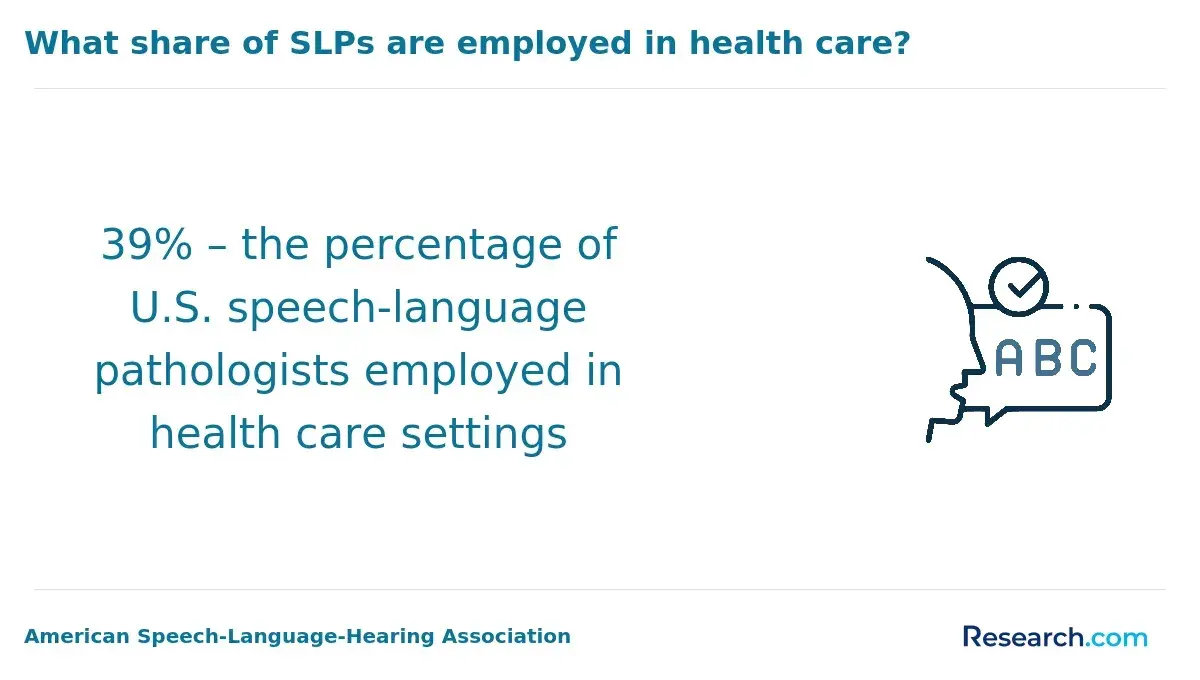
A degree in speech pathology leads to diverse career opportunities across healthcare, education, and research. Graduates typically become licensed speech-language pathologists (SLPs) working in hospitals, schools, outpatient clinics, and rehabilitation centers.
They evaluate and treat communication disorders, voice issues, swallowing difficulties, and cognitive-communication challenges. Specialized roles include pediatric SLPs who focus on childhood language development and geriatric SLPs addressing speech concerns in older adults.
Many graduates also pursue careers in academia or research to advance speech and language therapies. Others work in corporate environments providing voice care consulting or communication training. Technological collaborations involve developing speech recognition software and augmentative communication devices.
Advancement usually requires a master's degree and state licensure, with clinical fellowships often mandatory before full certification. Online programs offer flexibility but tend to have higher tuition compared to in-person public institutions. Private Texas online programs feature more generous acceptance rates, yet students should carefully assess return on investment due to increased costs.
When considering a transfer to an online program, it is important to weigh tuition expenses against starting salaries, which typically range from $60,000 to $75,000 nationally. Scholarships and financial aid vary widely by school. Early career SLPs must carefully evaluate potential debt burden alongside income prospects to ensure a sustainable career path.
The salary outlook for speech pathologists in 2026 remains favorable, reflecting growing demand in healthcare and education sectors. According to the U.S. Bureau of Labor Statistics, the median annual wage is about $97,870, with the top 10% earning more than $120,000. Factors influencing salaries include work setting, geography, experience, and education.
Speech pathologists employed in hospitals and specialized healthcare facilities typically earn higher wages compared to those working in schools or outpatient clinics. In metropolitan areas with high demand and living costs, salaries can exceed the national median by 10-20%. Advanced certifications or a master's degree with clinical specialization further improve earning potential.
Online programs, such as the University of Wisconsin-Eau Claire's part-time online SLP program, balance flexible learning with essential clinical experiences by requiring 14 credits of hands-on clinical work. This ensures students gain practical skills vital for their careers.
Prospective students should consider clinical placement requirements carefully, as they impact both the duration of their education and readiness for entry-level positions. Graduates with diverse clinical experiences often secure starting salaries close to or above the median and enjoy steady growth as they specialize in populations or settings.
How to Choose the Best Online Program for Transfers?
Verify the accreditation of any online program through the Council on Academic Accreditation in Audiology and Speech-Language Pathology (CAA) to ensure it meets national standards and supports certification eligibility. Assess transfer credit policies carefully; programs that accept a high percentage of prior coursework help reduce redundancy and shorten time to degree completion.
Look for flexible options, including part-time schedules and asynchronous courses, which accommodate work or personal commitments. Some institutions, like Emerson College's online MS in Communication Disorders, do not require the GRE, easing admission hurdles. Their program also offers scholarships and can be completed in as few as 20 months while preparing students thoroughly for the ASHA certification process.
Student support services are vital, particularly academic advising and assistance with clinical placements, which help transfer students integrate successfully. Review graduation rates and licensure success outcomes to gauge program effectiveness. Quality faculty with relevant credentials and online teaching experience enhance learning, while clear information on tuition, fees, and financial aid indicates affordability and accessibility.
- Check program accreditation by CAA
- Examine transfer credit acceptance
- Ensure flexible scheduling and no GRE requirements
- Seek strong student support and placement services
- Review graduation and licensure success rates
- Consider faculty qualifications and financial aid options
Other Things You Should Know About Speech Pathology
To practice as a speech pathologist in the United States, you generally need to obtain state licensure. This process includes completing an accredited degree program, a supervised clinical fellowship, and passing the Praxis Examination in Speech-Language Pathology. Each state has specific requirements, so it is important to check the licensing board for the state where you intend to work.
In 2027, transferring into an online speech pathology program typically involves reviewing your previous coursework for equivalency. Reach out to admissions for specific credit transfer policies and ensure your desired program is accredited. Ensure transcripts and any required documents are submitted before deadlines to facilitate a smooth transition.
Transfer students should check the licensure rules of the state where they plan to work, because most states require a master’s degree, a clinical fellowship, and the Praxis Speech-Language Pathology exam. Some states also require program approval by the state board or department of education.
Yes, most states require licensed speech pathologists to complete continuing education credits to maintain their license. These requirements help professionals stay current with advances in the field and ensure ongoing competency in clinical skills and ethical practices.
- U.S. Bureau of Labor Statistics - Speech-Language Pathologists https://www.bls.gov/ooh/healthcare/speech-language-pathologists.htm
- ASHA EdFind - Accredited Speech-Language Pathology Programs https://find.asha.org/ed/
- ETS Praxis - Speech-Language Pathology (5331) https://praxis.ets.org/test/speech-language-pathology-5331.html
- Delaware Valley University - Master of Science in Speech-Language Pathology (M.S.) https://delval.edu/programs/graduate-programs/speech-language-pathology
- Ithaca College - Online Master of Science in Speech-Language Pathology https://slponline.ithaca.edu/programs/masters-speech-language-pathology-online
- California State University-San Marcos - Online MS in Speech-Language Pathology https://www.csusm.edu/slp/programs/mastersonline/index.html
- New England Institute of Technology - Master of Science in Speech Language Pathology https://www.neit.edu/academics/graduate-degrees/speech-language-pathology-ms
- Baylor University - Master of Science in Speech-Language Pathology (Online) https://csd.robbins.baylor.edu/graduate/online-csd-graduate-program