2027 Communication Sciences and Disorders vs Speech Pathology: What's the Difference?

Co-Founder and Chief Data Scientist

Reviewed by Rhea Paul, PhD
SLP Education & Research Expert
Many prospective students encounter confusion when choosing between communication sciences and disorders and speech pathology programs. This uncertainty can delay career decisions or lead to selecting an ill-suited graduate path, especially for those transitioning from unrelated fields.
Understanding the distinct academic and professional outcomes of each area is crucial to making an informed choice. This article clarifies the key differences, exploring curriculum focus, certification requirements, and career trajectories.
It aims to guide readers seeking a flexible, accredited route into the speech pathology industry, helping them align their education with long-term professional goals.
Key Things You Should Know
- Communication sciences and disorders (CSD) is an umbrella field covering speech pathology, audiology, and related specialties, focusing broadly on human communication processes and disorders.
- Speech pathology specifically addresses assessment and treatment of speech, language, voice, and swallowing disorders, with over 223,000 certified practitioners reported by ASHA in 2025.
- CSD programs typically offer diverse career tracks and research opportunities, while speech pathology programs concentrate on clinical training for licensure and certification as a speech-language pathologist.
What's the difference between Communication Sciences and Disorders and Speech Pathology?
The difference between communication sciences and disorders vs speech pathology differences lies mainly in their scope. Communication Sciences and Disorders (CSD) is an academic field exploring human communication broadly-covering speech, language, hearing, and related disorders.
It blends scientific study and assessment of communication functions and dysfunctions. Speech pathology, however, is a clinical discipline specializing in diagnosing, treating, and preventing speech, language, voice, and swallowing disorders.
Programs in CSD include diverse topics like audiology, linguistics, cognitive science, and speech development, preparing students for careers in research, education, technology, and therapy.
In contrast, speech pathology demands professional certification and hands-on clinical practice to work directly with individuals affected by communication challenges. This distinction is key for those understanding communication sciences and disorders and speech pathology when choosing educational paths.
For example, CSD graduates may engage in developing assistive communication devices or studying language acquisition trends. Certified speech pathologists help patients with aphasia after strokes or children with speech delays.
According to Beaming Health, 40 million Americans-about 12% of the population-experience communication disorders, underscoring the need for both research and clinical services.
Students focused on clinical roles must enroll in accredited speech pathology programs leading to speech-language pathologist (SLP) certification.
Others aiming for broader scientific or educational careers may pursue a CSD degree without clinical credentialing. Those exploring affordable options can check out cheapest speech pathology graduate programs.
Is Communication Sciences and Disorders the same as Speech Pathology?
Communication Sciences and Disorders (CSD) and speech pathology are closely related but distinct fields. CSD is an academic discipline that studies human communication broadly, including speech, language, hearing, and swallowing across multiple modalities.
Speech pathology, a specialized clinical profession within CSD, focuses specifically on diagnosing and treating speech, language, voice, and swallowing disorders. This distinction clarifies the communication sciences and disorders vs speech pathology differences prospective students should consider.
CSD programs are often offered at the undergraduate level, serving as a foundation for various careers or further graduate studies. In contrast, speech pathology requires graduate-level education, typically a master's degree, to prepare clinicians for therapeutic roles.
For example, the number of master's degrees awarded in speech-language pathology increased by 69.3% from 2008-2009 to 2022-2023, reflecting growing demand for clinical experts.
Those exploring speech pathology education and career paths will find that professionals provide direct patient care in schools, hospitals, or private practice. Meanwhile, CSD graduates might pursue research, audiology support, or prepare for graduate speech pathology programs.
Key distinctions include:
- CSD offers broad, research-oriented knowledge covering multiple disorders.
- Speech pathology emphasizes focused clinical practice and therapy.
- A graduate degree is necessary to become a certified speech pathologist.
Individuals interested in clinical therapy must pursue speech pathology training beyond a CSD degree. Others aiming for research or allied roles may stop at a CSD degree, depending on their goals.
For those wondering how much do speech therapists make, the career offers competitive salaries and increasing opportunities, aligned with healthcare and educational needs.
What degree do you need to become a speech-language pathologist?
Becoming a speech-language pathologist in the United States requires earning a master's degree in communication sciences and disorders or a closely related field. This graduate degree is the minimum educational requirement for professional certification and state licensure.
Most candidates complete a bachelor's degree before enrolling in a master's program, though some programs offer combined undergraduate and graduate studies. The curriculum typically covers anatomy, linguistics, cognitive science, and clinical practice.
Students should choose programs accredited by the Council on Academic Accreditation in Audiology and Speech-Language Pathology to ensure eligibility for certification through the American Speech-Language-Hearing Association (ASHA).
Certification as a Certificate of Clinical Competence in Speech-Language Pathology (CCC-SLP) requires completing a clinical fellowship and passing a national exam.
For those with bachelor's degrees in other fields, post-baccalaureate or bridge programs help meet educational qualifications to become a speech pathology professional. Many programs now also include telepractice training to address evolving healthcare models.
The job outlook is strong, with the Bureau of Labor Statistics projecting a 17% growth from 2025 to 2035, driven by increased recognition of speech and language disorders and an aging population requiring services.
Planning a career in speech pathology means understanding these degree requirements for speech-language pathologists in the United States and selecting programs that align with national standards. Prospective students may explore SLP accelerated programs to fast-track their education and entry into the profession.
Speech pathology programs in the United States require accreditation by the Council on Academic Accreditation in Audiology and Speech-Language Pathology (CAA) to ensure graduates meet certification and licensure standards.
The CAA, under the American Speech-Language-Hearing Association (ASHA), enforces accreditation requirements for speech pathology programs in the United States, focusing on curriculum quality, clinical training, faculty credentials, and student outcomes.
Without CAA accreditation, students face barriers to obtaining the Certificate of Clinical Competence in Speech-Language Pathology (CCC-SLP), which is crucial for most state licenses and professional roles.
Some institutions pursue regional accreditation, but only CAA status confirms adherence to ASHA's certification standards for speech pathology education and training. Programs with CAA accreditation guarantee a clinical experience consistent with ASHA guidelines, unlike many non-accredited offerings.
Graduates of non-accredited programs often struggle to satisfy licensure requirements, contributing to workforce shortages; 48% of school districts report challenges in filling speech-language pathologist positions, especially in rural and underserved communities.
Prospective students should verify the CAA accreditation status before enrolling and consider state-specific licensure mandates. For those exploring options, reputable SLP online programs can provide flexibility while maintaining accreditation standards.
Admission requirements for Communication Sciences and Disorders (CSD) and speech pathology programs typically demand a bachelor's degree, often in CSD or related fields like psychology, linguistics, or education.
Undergraduate applicants should maintain a strong academic record, usually a minimum GPA of 3.0, with more competitive programs expecting 3.5 or higher.
Graduate programs commonly require GRE scores, though some have made submitting these optional. Essential prerequisite courses often include anatomy and physiology of speech, phonetics, linguistics, and abnormal psychology.
Gaining relevant clinical or volunteer experience with populations affected by communication disorders can significantly strengthen an application.
Additional components for admission include recommendation letters from academic or professional supervisors and personal statements that demonstrate motivation and a clear understanding of the profession's demands. Certain institutions also require interviews or clinical observation hours.
About 85% of school-based speech-language pathologists manage caseloads focused on language disorders, the most common condition treated according to Beaming Health (2025). This emphasizes the importance of education related to language development and disorders for prospective students.
Communication Sciences and Disorders (CSD) programs deliver a well-rounded education covering the anatomy, physiology, and development of human communication across the lifespan.
Students study speech, hearing mechanisms, auditory science, phonetics, and various communication impairments such as speech sound disorders, stuttering, voice issues, language delays, and swallowing difficulties.
These programs focus on evidence-based assessment and intervention methods, offering supervised clinical practicum to build practical skills. Coursework addresses typical versus disordered communication in children and adults, cognitive-communication disorders, and alternative communication strategies.
Advanced study areas include neurogenic communication disorders resulting from brain injury, stroke, or degenerative diseases. Audiology topics like hearing science and hearing loss management are also core components.
Research methods and statistics prepare students to analyze clinical data critically and apply scientifically supported treatments.
Career opportunities for CSD graduates include speech-language pathologists, audiologists, educators, and research assistants. Speech-language pathologists earn a median salary of $97,870 per year according to Bureau of Labor Statistics projections.
Demand in healthcare and educational settings remains strong, making this field a practical choice for those interested in supporting individuals with communication challenges.
Completing a master's degree in speech pathology usually takes about two years after earning a bachelor's degree in communication sciences and disorders or a related field.
Some programs offer combined bachelor's and master's tracks, shortening the total time to around five years. Accreditation by the Council on Academic Accreditation in Audiology and Speech-Language Pathology (CAA) is essential for licensure and professional certification.
Tuition costs vary widely depending on the institution and location: public universities typically charge between $10,000 and $25,000 annually for in-state graduate tuition, while private schools may exceed $30,000 per year.
Additional costs include textbooks, clinical practicum fees, and certification exams. Online or hybrid options offer some flexibility and potential savings, but clinical hours still require in-person attendance.
Financial aid, scholarships, and employer tuition assistance can help manage expenses. After completing a master's, graduates must complete a clinical fellowship and pass the Praxis exam to earn certification from the American Speech-Language-Hearing Association (ASHA). Prospective students should ensure programs meet their state's licensure requirements.
The Bureau of Labor Statistics forecasts a 17% employment growth for speech-language pathologists through 2035, adding about 28,200 new jobs annually. This positive job outlook and strong earning potential make speech pathology education a valuable investment.
A Communication Sciences degree offers diverse career pathways centered on human communication, language, and related disorders. Graduates often pursue roles in clinical practice, education, research, and technology.
The direct route to becoming a licensed speech-language pathologist (SLP) requires graduate education and certification. SLPs assess and treat speech, language, voice, and swallowing disorders, with clinical success rates between 70-90% for children's speech sound disorders, reflecting effective evidence-based therapy (Beaming Health, 2025).
Career opportunities beyond clinical SLP work include:
- Speech and hearing research at universities or healthcare institutions.
- Development of assistive technology for people with communication disabilities.
- Education roles as language and communication specialists in school settings.
- Healthcare administration and advocacy on health communication policy and patient education.
- Corporate positions designing accessible training and customer service programs.
Some graduates specialize in audiology with additional training. The interdisciplinary nature of this field involves collaboration with psychologists, educators, and neurologists.
While clinical roles typically require certification, research and technology positions may be available with a bachelor's or master's degree. Choosing the right graduate program and understanding certification requirements is essential for aligning academic paths with career objectives effectively.
The average salary for a speech-language pathologist (SLP) in the United States ranges from $65,000 to $85,000 annually, influenced by experience, location, and work setting. Employment in this field is expected to grow 17% between 2025 and 2035, a rate much faster than average, driven by rising demand for speech therapy services in schools, healthcare, and private practices.
Teletherapy and digital platforms are transforming job opportunities, with the digital speech therapy market projected to expand at an 17% annual rate through 2035. This growth offers flexible roles, including remote and hybrid work options, appealing to many SLPs.
Salaries vary by workplace: those in hospitals and specialty clinics often earn more than their counterparts in public schools or outpatient centers.
Metropolitan areas with higher living costs also tend to pay higher wages. Advanced certifications or specialties, such as pediatric speech therapy or neurogenic communication disorders, can further increase earning potential.
Job security remains strong due to broader awareness of communication disorders and expanded access to services for all ages. Students and professionals should consider the evolving landscape of speech pathology careers, including traditional and innovative digital formats, when making career decisions.
What licensing is needed to practice speech pathology in the US?
To become a licensed speech pathologist in the US, candidates must first earn a master's degree from a program accredited by the Council on Academic Accreditation in Audiology and Speech-Language Pathology (CAA).
Following this, completing a supervised clinical fellowship of at least nine months or 1,260 hours is required to gain hands-on experience under certified supervision.
Afterward, passing the national examination administered by the American Speech-Language-Hearing Association (ASHA) is essential. This test covers assessment, diagnosis, and treatment of speech disorders, and passing it makes candidates eligible for state licensure.
Licensing requirements differ by state and may include background checks, jurisprudence exams, or continuing education, with some states requiring renewal every two years alongside proof of ongoing professional growth.
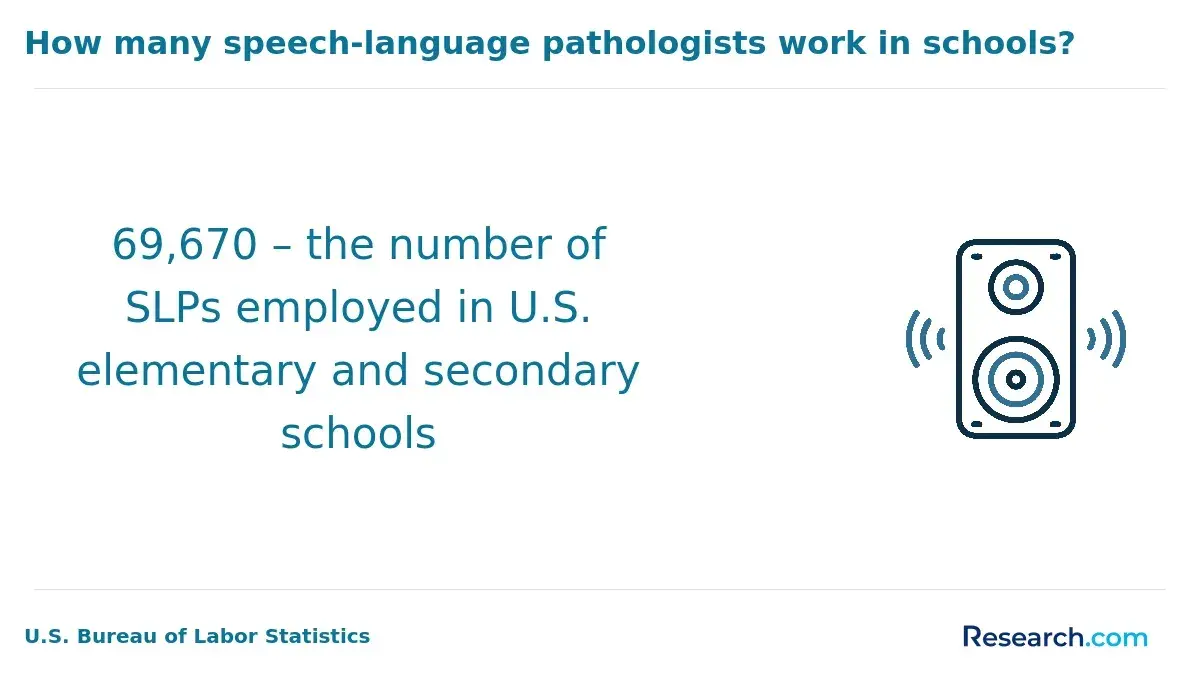
Many speech-language pathologists also pursue the ASHA Certificate of Clinical Competence (CCC-SLP), which while voluntary, boosts professional credibility and improves job prospects, especially in schools where 56% of practitioners work.
Knowing these licensure and certification paths is vital for students and professionals aiming to practice legally and effectively in diverse US settings.
Other Things You Should Know About Speech Pathology
Most U.S. speech-language pathologists need state licensure, a master’s degree in speech-language pathology, and the ASHA Certificate of Clinical Competence in Speech-Language Pathology (CCC-SLP). Many states also require the 400-hour Clinical Fellowship and the Praxis exam before full licensure.
Yes, speech pathologists provide services for individuals of all ages. While many focus on pediatric populations, they also assist adults recovering from strokes, brain injuries, or surgeries affecting speech and swallowing. Geriatric care is an important part of speech pathology, addressing age-related communication challenges.
Speech pathologists work in diverse environments including hospitals, schools, rehabilitation centers, and private practices. They may also be employed by nursing homes, outpatient clinics, or research institutions. The work setting often depends on the population they serve and their specialty area.
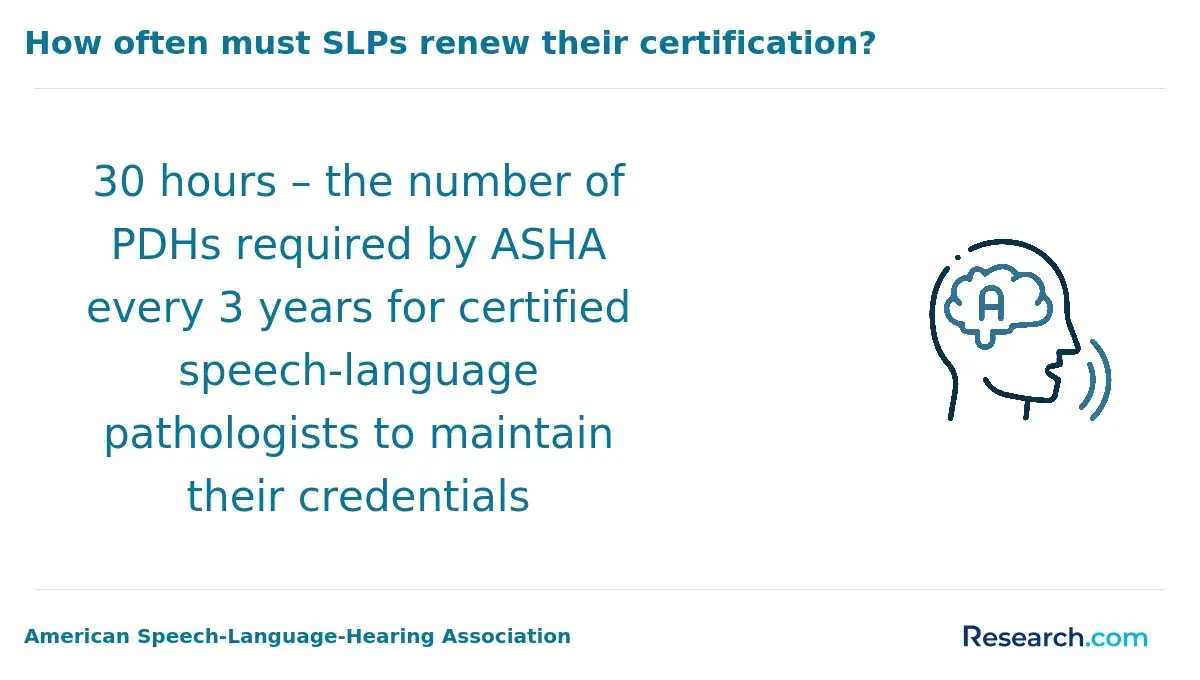
Continuing education is essential for speech pathologists to maintain certification and licensure. Most states require regular continuing education credits to ensure practitioners stay current with advances in diagnosis and treatment. These learning opportunities include workshops, conferences, and online courses.
- U.S. Bureau of Labor Statistics - Speech-Language Pathologists https://www.bls.gov/ooh/healthcare/speech-language-pathologists.htm
- ASHA EdFind - Accredited Speech-Language Pathology Programs https://find.asha.org/ed/
- O*NET OnLine - Speech-Language Pathologists https://www.onetonline.org/link/summary/29-1127.00
- Auburn University, Montgomery - Master of Science in Speech-Language Pathology https://www.aum.edu/degree/ms-speech-language-pathology/
- Ithaca College - Online Master of Science in Speech-Language Pathology https://slponline.ithaca.edu/programs/masters-speech-language-pathology-online
- Emerson College - Master of Science (M.S.) in Communication Disorders (Speech@Emerson, online) https://speech.emerson.edu/
- New York University - Online MS, Communicative Sciences and Disorders (Speech@NYU) https://steinhardt.nyu.edu/degree/online-ms-communicative-sciences-and-disorders
- California State University-Northridge - Master of Science in Communicative Disorders (Online) https://tsengcollege.csun.edu/programs/CDS