2027 Online Speech Pathology Programs for School-Based Careers

Co-Founder and Chief Data Scientist

Reviewed by Rhea Paul, PhD
SLP Education & Research Expert
Many professionals with unrelated undergraduate degrees face the challenge of finding an accredited, flexible pathway into school-based speech pathology careers. Balancing current jobs, family commitments, and educational requirements often makes traditional programs difficult to access.
This gap leaves aspiring practitioners unsure where to start or how to meet certification standards without relocating or pausing their careers. Understanding which online programs offer credible training, clinical hours, and state licensure compatibility is critical for a seamless transition.
This article explores verified online speech pathology programs tailored for school-based roles, aiming to guide readers toward effective and manageable routes into the profession.
Key Things You Should Know
- Online speech pathology programs in 2026 offer accredited pathways aligned with ASHA certification standards, ensuring graduates meet rigorous clinical and academic requirements for school-based careers.
- Approximately 45% of U.S. school districts report telepractice integration, increasing demand for speech pathologists skilled in remote service delivery and digital communication technologies.
- Flexible program structures enable working professionals to complete master's degrees in 2-3 years, supporting career advancement while balancing schooling and employment.
What Are Online Speech Pathology Programs?
Online speech pathology degree programs in the United States provide graduate education through flexible, remote learning tailored to aspiring speech-language pathologists.
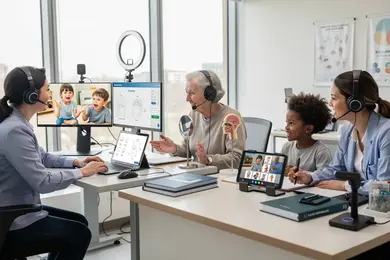
These accredited remote speech pathology certification for school careers options include core courses in communication disorders, linguistics, and therapy techniques delivered via synchronous sessions, pre-recorded lectures, and interactive discussions. This approach allows students to balance coursework alongside personal and professional commitments.
Most programs require in-person clinical practicum or internships at approved local sites to fulfill certification standards and gain hands-on experience. This hybrid model ensures compliance with accreditation bodies such as the Council on Academic Accreditation (CAA) in audiology and speech-language pathology.
Variations across programs include full-time or part-time enrollment, tracks focused on pediatric or school-based therapy, and differing clinical placement methods.
ASHA's CSD Education Survey indicated a 45.3% acceptance rate from over 52,000 applications to master's SLP programs. Applicants targeting approximately 8-12 programs tend to increase their admission chances, underlining the importance of a strategic application plan.
Some programs accommodate career changers without prior coursework, while others require a relevant undergraduate degree. For more information about affordable options, explore online SLP master programs that align with your goals.
How to Choose Accredited Online Speech Pathology Programs?
Choosing accredited online speech pathology programs for school careers in the United States requires verifying certification and program quality to meet professional standards.
Key accreditation by the Council on Academic Accreditation in Audiology and Speech-Language Pathology (CAA) ensures programs comply with rigorous criteria needed for state licensure and clinical certification. Graduates from non-accredited programs may face challenges securing certification and employment.
Look for programs offering comprehensive curricula tailored to school-based roles, including courses on child language development, educational assessments, and school laws.
Specialized training prepares students for the unique requirements of K-12 environments. Programs that integrate supervised clinical practicum or internships in school settings provide essential hands-on experience for competency and certification.
Consider program flexibility, especially if balancing work or family responsibilities. Asynchronous or hybrid formats offer adaptable schedules. Strong student support services, such as career counseling and practicum placement assistance, also influence successful completion and job placement.
Comparing tuition, program length, and graduation outcomes is recommended. Contact alumni or advisors about certification pass rates and employment outcomes to evaluate program effectiveness.
The U.S. Bureau of Labor Statistics projects a 15% employment growth for speech-language pathologists, adding 28,200 jobs annually driven by educational demand. This trend emphasizes choosing programs aligned with school-based careers to access growing opportunities and meet state licensure and certification requirements.
Aspiring professionals should explore paths as a speech language pathologist to maximize career potential in diverse educational settings.
What Are Admission Requirements for Online Speech Pathology Degrees?
Admission criteria for online speech pathology degrees generally require a bachelor's degree from an accredited institution, often in communication sciences, linguistics, psychology, or related fields.
Competitive GPA standings, typically a minimum of 3.0 on a 4.0 scale, are necessary, with prerequisite courses in anatomy, physiology, phonetics, and sometimes statistics ensuring foundational knowledge for graduate study.
Standardized tests like the GRE may be optional but remain a factor in some program evaluations. Institutions such as Emerson College and Baylor University conduct holistic admissions reviews that include letters of recommendation, personal statements outlining career objectives, and relevant clinical or volunteer experience.
Prospective students interested in school-based speech pathology program entry requirements should note that many programs also require applicants to meet technical standards related to communication and physical abilities, plus background checks and immunization verification due to practicum site policies.
Interview are sometimes part of the selection process to evaluate applicants' professionalism and motivation. Clinical training rigor is reflected by Praxis exam pass rates reaching around 90%, matching or surpassing traditional on-campus programs, underscoring the importance of solid admission screening.
Preparation is key: organizing transcripts, recommendation letters, and verifying prerequisites ahead of time can improve admission success. For those seeking accelerated pathways, a valuable resource on 5 year SLP programs offers detailed program options.
Online speech pathology programs vs campus programs differ notably in delivery and student experience. Online formats offer flexibility through asynchronous lectures and digital resources, suiting working professionals or those far from campus.
In contrast, campus programs enable direct interaction with faculty and peers, enhancing hands-on learning crucial for mastering clinical skills. One of the key differences in speech pathology education delivery lies in clinical practicum experiences.
Campus students typically complete supervised hours at university-affiliated sites, while online students must independently arrange approved clinical placements, requiring greater initiative. Both must satisfy American Speech-Language-Hearing Association (ASHA) standards for supervised clinical hours.
Program completion rates highlight differences as well. For instance, the University of Utah's Speech-Language Pathology MS program, recognized for its rigor, reported 100% on-time completion for 43 students and a 97% three-year average in a campus setting, reflecting strong student support.
Pricing varies with campus programs often including fees for amenities, whereas online students face higher technology requirements, including reliable internet and compatible devices. Prospective students should weigh clinical placement support interaction preferences, accreditation, and completion rates to align their choice with career goals and learning style.
For detailed comparisons of speech language pathology master's programs, exploring trusted sources can guide informed decisions.
Speech pathology programs blend foundational sciences with clinical techniques and specialized coursework aimed at careers in school settings.
Students study anatomy, physiology of speech and hearing, linguistics, and neurobiology to understand how speech and language develop. Core topics typically include language development, speech sound disorders, fluency disorders, and voice issues.
Programs focus on both assessment and intervention, featuring clinical practica where students work with children and adolescents. These experiences often involve screening for speech and language delays, crafting personalized therapy plans, and collaborating with educators to foster inclusive classrooms.
Curricula commonly cover educational law, special education policies, and culturally responsive practices to prepare students for managing Individualized Education Programs (IEPs) and serving diverse populations. Advanced courses may explore augmentative and alternative communication (AAC), bilingual speech pathology, and literacy interventions.
In Western states and newer online programs, admissions rates range from 50% to 85%, higher than the national average of 45%, without affecting outcomes. This reflects an approach balancing academic rigor with practical skills.
Prospective students should ensure programs provide about 400 supervised clinical hours required for certification and offer specialization in school-based speech pathology. Verification of clinical opportunities and curriculum relevance supports successful career preparation.
The length of online speech pathology programs depends on the degree level and enrollment status. A bachelor's degree in communication sciences usually takes about four years and serves as a foundation for graduate study.
Most aspiring licensed speech-language pathologists complete a master's program, which typically lasts two to three years online and includes both coursework and clinical practicum hours essential for certification and licensure.
Some accelerated master's programs can be finished in 18 months but require full-time study, while part-time options extend the duration to three or more years. Online doctoral programs aimed at research or academic careers often take an additional three to four years beyond the master's, influenced by research progress and dissertation demands.
When choosing programs, candidates should consider accreditation and state licensure requirements, as these impact eligibility for certification exams. Transfer credits or prior clinical experience may shorten program length.
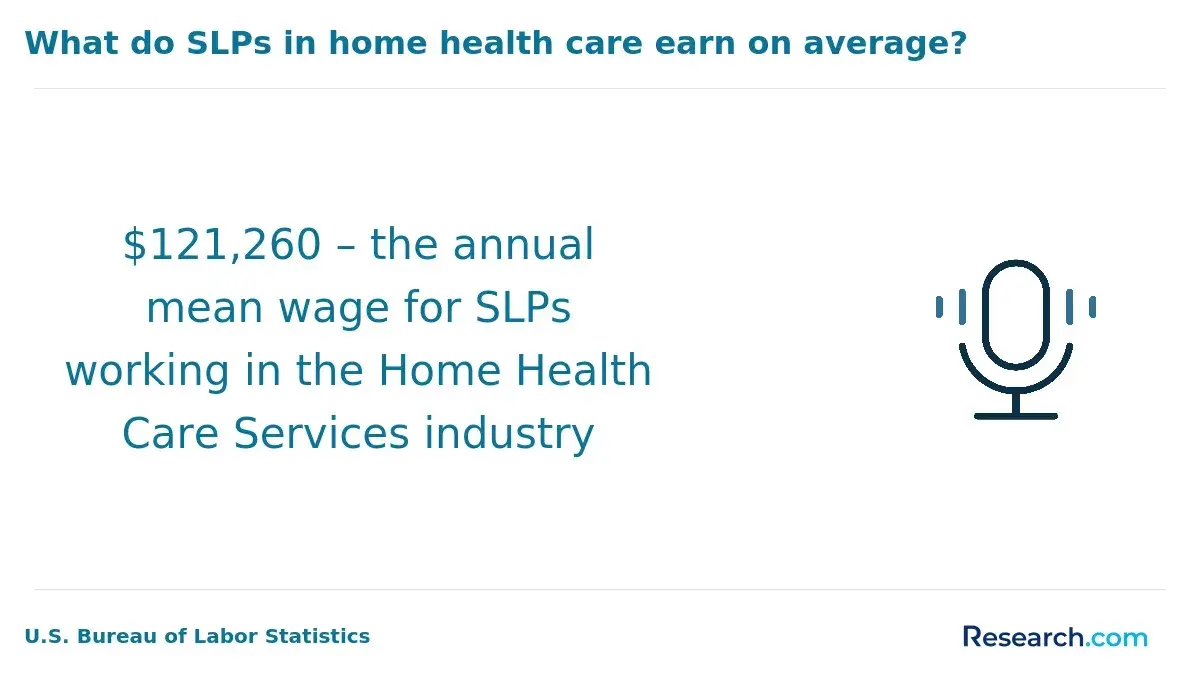
Graduates enter a profession with a median annual wage of $95,410 according to the U.S. Bureau of Labor Statistics, and school-based speech pathologist roles offer stable public-sector benefits with an 18% job growth projection. Balancing professional goals, lifestyle, and finances is key when planning program length.
Costs for online speech pathology master's degrees vary widely based on institution, program length, and residency status.
Tuition typically ranges from $20,000 to $70,000, with public universities offering lower rates for in-state students, sometimes below $25,000, and private or out-of-state students often paying over $50,000. Additional expenses may include clinical practicum fees, textbooks, technology needs, and licensing exam preparation.
Some programs charge per credit hour, usually between $500 and $1,200, influencing total costs depending on required credits. Financial aid, scholarships, and employer tuition reimbursement can significantly offset these expenses.
Strong program accreditation and outcomes matter. According to ASHA's survey, 92% of speech pathology master's programs report employment rates above 90% within one year post-graduation, highlighting the importance of investing in well-regarded programs with robust job placement.
Career stability and potential earnings should be weighed when assessing cost. School-based speech pathologists often qualify for loan forgiveness if working in public schools or nonprofits, easing financial burdens. Prospective students should explore such options to make informed decisions about program affordability and return on investment.
Graduates with a degree in speech pathology can pursue specialized careers focused on diagnosing and treating communication and swallowing disorders. A common role is as a school-based speech-language pathologist (SLP), supporting children with speech, language, and literacy challenges.
This path typically requires at least 400 supervised clinical hours, with about 70% completed in school-based practicums, ensuring hands-on experience.
Other career options include:
- Healthcare settings like hospitals and rehabilitation centers, assisting patients recovering from strokes, brain injuries, or surgeries affecting communication.
- Early intervention programs working with toddlers and preschoolers facing developmental delays.
- Private practice, offering personalized therapy and flexible scheduling.
- Research and academia, focusing on clinical studies or teaching future professionals.
- Skilled nursing and long-term care facilities addressing age-related speech or swallowing disorders.
School-based SLPs collaborate with educators, psychologists, and families to develop tailored intervention plans. They build skills in assessment, treatment planning, and progress monitoring aligned with educational standards. Experience with developmental speech disorders during clinical training is crucial for school roles.
Advanced certifications and continuing education expand opportunities into specialty areas such as fluency disorders, augmentative and alternative communication, or voice therapy. These credentials provide pathways to leadership and specialized expertise within the field of speech pathology.
The salary outlook for school-based speech pathologists remains strong, with median annual wages around $80,000 according to the U.S. Bureau of Labor Statistics.
Salaries typically range from $65,000 to $90,000 depending on factors like location, experience, and district budgets. Urban and suburban districts generally offer higher compensation compared to rural areas.
Certification and education positively influence earnings. Professionals holding a Certificate of Clinical Competence (CCC) from the American Speech-Language-Hearing Association and advanced degrees, such as master's or doctoral qualifications, often qualify for better pay. Bilingual speech pathologists and those specialized in autism spectrum disorders can command premium salaries.
Tuition costs vary significantly between online and in-person training programs. Online speech pathology programs usually cost $40,000 to $60,000 in total tuition, while public in-person options range from $25,000 to $45,000.
Despite higher upfront costs, online programs may offer a 20-30% higher return on investment due to faster workforce entry and flexible schedules, reducing opportunity costs.
Career growth opportunities, like supervisory or administrative positions within school districts, may further enhance salary prospects. When evaluating training and job options, consider state-specific salary scales, benefits, tuition versus expected starting pay, and regional employment conditions.
What Is the Job Outlook for School Speech Pathologists?
The demand for school speech pathologists is projected to grow by 18%, a rate well above many other professions, driven by ongoing needs in K-12 education for communication disorder support.
According to the American Speech-Language-Hearing Association (ASHA), undergraduate enrollment in communication sciences and disorders (CSD) programs reached 33,019 students, ensuring a steady flow of new professionals to address these shortages.
Work environments for speech pathologists span public and private schools, early intervention services, and specialized education centers. Job availability is often higher in urban or underserved districts with diverse populations.
Key trends impacting the field include:
- Shortages of bilingual or specialized clinicians, especially in rural and diverse regions.
- High caseloads requiring strong time management and collaboration with educators and families.
- The need to stay updated on education laws and Individualized Education Programs (IEPs) to maintain job effectiveness and security.
Graduates should seek clinical experience and consider certifications in areas such as autism spectrum disorders or literacy to improve employability. The consistent expansion of school-based services signals favorable career opportunities.
For more detailed insights and resources, referring to organizations like the American Speech-Language-Hearing Association is recommended.
Other Things You Should Know About Speech Pathology
To work as a school-based speech pathologist in 2027, a master's degree in Speech-Language Pathology is typically required, followed by obtaining a state licensure. Many states also require a Certificate of Clinical Competence in Speech-Language Pathology (CCC-SLP) from the American Speech-Language-Hearing Association (ASHA).
Yes, accredited online speech pathology programs include supervised clinical practicum components that fulfill state licensure requirements. These practicums are often arranged at locations near the student's residence, ensuring hands-on experience is gained in authentic clinical settings. Clinical training is a mandatory part of the curriculum and cannot be completed solely online.
Most SLP master’s programs require at least 400 supervised clinical clock hours to qualify for the ASHA Certificate of Clinical Competence. For school-based licensure, states also usually require a teaching or school services practicum, plus an educator or pupil-services credential from the state education agency.
- U.S. Bureau of Labor Statistics - Speech-Language Pathologists https://www.bls.gov/ooh/healthcare/speech-language-pathologists.htm
- ASHA EdFind - Accredited Speech-Language Pathology Programs https://find.asha.org/ed/
- ETS Praxis - Speech-Language Pathology (5331) https://praxis.ets.org/test/speech-language-pathology-5331.html
- Abilene Christian University - Master of Science in Speech-Language Pathology (Online) https://acu.edu/academics/graduate/master-of-science-in-speech-language-pathology/
- California State University-San Marcos - Online MS in Speech-Language Pathology https://www.csusm.edu/slp/programs/mastersonline/index.html
- Delaware Valley University - Master of Science in Speech-Language Pathology (M.S.) https://delval.edu/programs/graduate-programs/speech-language-pathology
- Idaho State University - Master of Science in Speech-Language Pathology (Online/Distance Education) https://www.isu.edu/slp/programs-offered/slp-graduate-program/
- California State University-East Bay - Online Master of Science in Speech-Language Pathology https://ce.csueastbay.edu/programs/speech-language-pathology/