2027 Working With Adults vs Children as a Speech-Language Pathologist

Co-Founder and Chief Data Scientist

Reviewed by Rhea Paul, PhD
SLP Education & Research Expert
Consider a speech-language pathologist transitioning from working primarily with children to treating adults recovering from strokes or traumatic brain injuries. The techniques, communication goals, and patient interactions differ significantly. Adapting to these variations poses challenges in assessment tools, therapy approaches, and progress measurement.
Many practitioners must realign their skills to meet adult patients' unique medical and psychosocial needs effectively. This article explores the key distinctions between working with adults and children as a speech-language pathologist. It aims to equip prospective professionals with essential insights to navigate these complexities confidently and make informed career decisions.
Key Things You Should Know
- Working with adults often involves neurological disorders like stroke or Parkinson's, requiring tailored rehabilitative strategies distinct from pediatric speech pathology.
- Child speech pathology focuses heavily on developmental milestones, with 5-10% of U.S. children impacted by speech-language delays or disorders.
- Salary and demand differ: adult-focused clinicians often serve hospitals, while those treating children work in schools or private clinics, affecting career settings and advancement.
What are the main differences working with adults vs children as an SLP?
The key differences in speech therapy with adults and children involve the types of disorders treated and the therapeutic approaches used. Adults typically face acquired communication disorders like those caused by stroke, traumatic brain injury, or neurodegenerative diseases. Children, on the other hand, often need intervention for developmental delays, articulation disorders, or autism spectrum disorder.
Prevalence data indicates that about 8% of children aged 3-17 have diagnosed communication disorders, compared to roughly 5% of adults with speech or language impairments. This shapes caseloads distinctly: adult therapy often focuses on restoring lost skills through repetition, compensatory techniques, and cognitive-communication rehabilitation. Pediatric therapy prioritizes developmental milestones, play-based strategies, and active parent or caregiver involvement. These differences highlight adults vs children speech pathology treatment approaches in practice.
Collaboration also varies between populations. Adults require interdisciplinary teamwork involving neurologists, occupational therapists, and social workers, while pediatric therapists coordinate with educators, pediatricians, and families to integrate therapy into educational and home settings. Patient motivation differs too; adults usually have clearer insight into goals and participate actively, whereas children need engaging, age-appropriate methods due to shorter attention spans.
Assessment tools and intervention plans must be adapted accordingly. Standardized tests differ by age, and pediatric practice demands strong developmental knowledge along with family collaboration. For those pursuing this field, exploring online masters SLP programs can provide important training to address these diverse needs effectively.
Which patient population is better for speech-language pathologists?
Adults account for 64% of caseload time for speech-language pathologists (SLPs) in healthcare, indicating a higher demand for adult care than combined pediatric groups. This prevalence often translates to more employment opportunities in hospitals, rehabilitation centers, and skilled nursing facilities, making adult patients an accessible choice for many SLPs.
Working as a speech-language pathologist with adults vs children entails different clinical focuses, with adults needing treatment for speech, language, and swallowing disorders caused by strokes, brain injuries, or degenerative diseases. These adult cases require specialized knowledge of neurological conditions and interdisciplinary teamwork.
In contrast, pediatric SLPs address developmental delays, articulation issues, language acquisition, and feeding difficulties, often working in schools or early childhood centers. The best patient population for speech-language pathologists in current practice depends on factors such as interest in neurology or developmental milestones, preferred environments, comfort with patient complexity, and career goals like dysphagia therapy or early intervention.
- Interest in adult rehabilitation versus child development
- Preference for hospitals or educational settings
- Comfort with complex medical histories or behavioral variability
- Specialization aspirations such as early intervention or swallowing disorders
For SLPs seeking insight on career earnings and roles, exploring the highest paying SLP jobs can help guide decisions toward the most rewarding pathways.
What job roles exist in pediatric vs adult speech pathology?
Job roles in pediatric speech pathology focus on developmental and congenital communication challenges. Pediatric SLPs typically work within schools, early intervention programs, and specialized clinics, addressing speech delays, language disorders, articulation issues, and swallowing difficulties in children from infancy through adolescence. Their tasks often include assessing speech milestones, applying play-based therapy, and managing conditions such as childhood apraxia of speech and phonological disorders. Collaboration with educators, parents, and therapists to create individualized education plans (IEPs) is essential.
Adult speech pathology career options differ, involving work in hospitals, rehabilitation centers, nursing homes, and private practices. Adult SLPs treat communication and swallowing disorders caused by stroke, traumatic brain injury, neurodegenerative diseases like Parkinson's, and cancer therapies. Their role includes cognitive-communication evaluations, dysphagia management, and voice rehabilitation, as well as support for conditions like aphasia and dysarthria. They collaborate with medical teams and caregivers to develop therapy plans focused on restoring or compensating for lost functions.
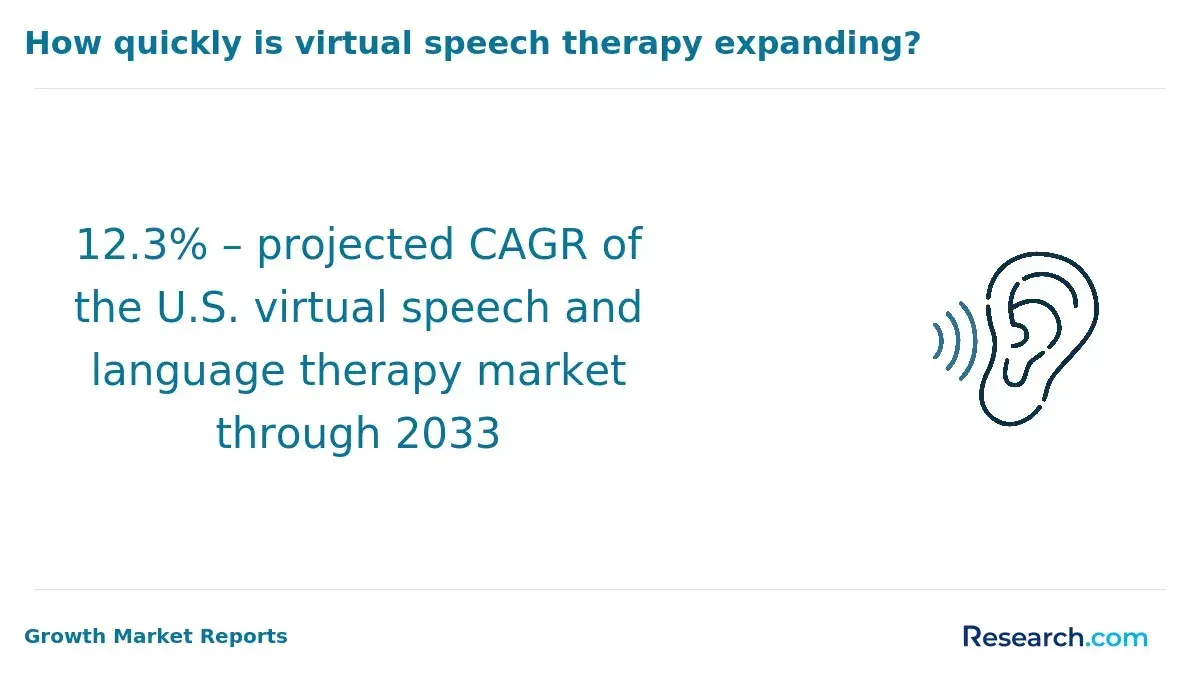
These pediatric speech pathology job roles and adult speech pathology career options vary significantly due to their distinct clinical needs and environments. Employment projections from the U.S. Bureau of Labor Statistics indicate an 17% growth for speech-language pathologists from 2025 to 2035, driven by demand in educational and healthcare settings.
Prospective students should carefully consider their preferred population and setting before pursuing a career. For those seeking accelerated pathways into the field, exploring a speech pathology accelerated program can be a strategic step to enter the profession more quickly.
Becoming a speech-language pathologist in the US requires at least a master's degree from an accredited speech pathology program. This typically involves two years of graduate study beyond a bachelor's degree, with coursework in anatomy, linguistics, neurology, and therapeutic methods. Students must also complete supervised clinical practicum hours working with both children and adults to develop practical skills. Candidates interested in exploring specialized areas can pursue tracks focusing on pediatrics or adult rehabilitation, including topics such as swallowing disorders, aphasia, and voice therapy.
To become licensed, candidates must obtain certification from the American Speech-Language-Hearing Association (ASHA), which entails completing a postgraduation clinical fellowship year with a minimum of 1,260 supervised clinical hours and passing the Praxis exam in speech-language pathology. Since 56% of certified SLPs work in educational settings serving children with communication challenges, many focus on training geared toward school-based therapy, while others concentrate on adult populations in healthcare, addressing conditions like stroke or neurodegenerative diseases.
Continuing education is essential throughout an SLP's career due to ongoing research and advances in therapy. Some practitioners opt for doctoral degrees or specialty certifications in areas such as fluency disorders or swallowing to advance their careers and treatment quality.
For those exploring educational requirements for speech pathology careers in the US, a helpful resource to research is SLP master's programs. Understanding how to become a licensed speech-language pathologist in America involves careful planning, academic commitment, and a focus on clinical experience.
Online and campus speech-language pathology (SLP) programs differ notably in structure and experience. Online programs offer flexibility ideal for working professionals or those with geographic or family constraints, delivering most lectures and coursework virtually. However, students must still complete in-person clinical practicums, which can be locally arranged but may require proactive scheduling.
Campus programs immerse students in clinical training with direct access to on-site supervisors and peers, fostering immediate feedback and collaborative learning. Structured schedules benefit those who prefer routine and face-to-face interaction, supporting hands-on experience especially useful for those new to clinical practice.
Both program types adhere to Council on Academic Accreditation (CAA) standards, which mandate supervised clinical hours for certification. Online students often need to secure quality clinical placements independently, whereas campus students typically gain access through institutionally arranged sites.
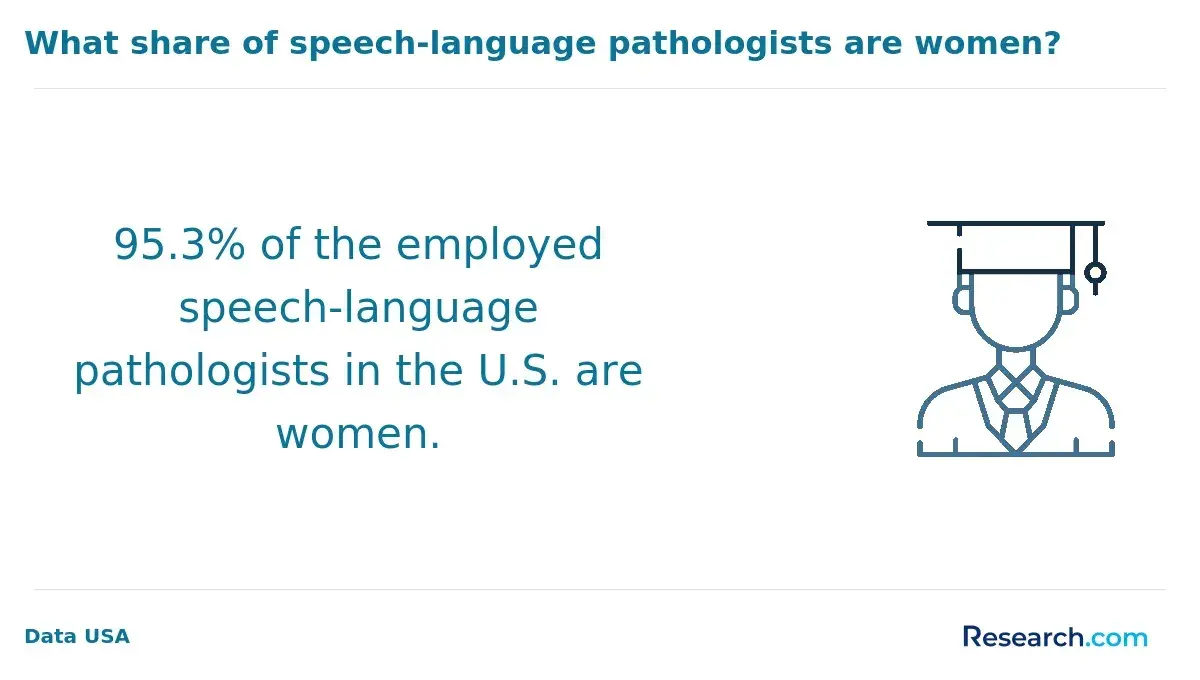
The SLP profession shows a significant gender imbalance, with only about 3.6% identifying as male-a decline since 2002. This affects community dynamics in programs, influencing mentorship and inclusivity efforts for minority genders.
Prospective students should verify clinical placement support when choosing online programs and consider campus visits to evaluate faculty interaction and hands-on resources. Look for programs balancing academic rigor with accessible clinical experiences to prepare effectively for certification and diverse practice settings.
To become a practicing speech-language pathologist (SLP) in the U.S., graduation from a program accredited by the Council on Academic Accreditation in Audiology and Speech-Language Pathology (CAA), a division of the American Speech-Language-Hearing Association (ASHA), is essential. This accreditation ensures that programs meet rigorous standards in curriculum, clinical training, and faculty expertise.
After completing an accredited master's or doctoral degree, candidates must obtain state licensure to work professionally as an SLP. Licensing requirements vary by state but generally include:
- Completion of an accredited program
- A clinical fellowship typically comprising about 1,260 hours
- Passing the Praxis Examination in Speech-Language Pathology
- Ongoing continuing education to maintain licensure
SLPs serving pediatric populations often encounter high rates of language and articulation disorders. According to Beaming Health Speech Therapy Statistics 2025, 85% of school-based SLPs treat language disorders, 75% address articulation or phonological disorders, and 35% work with children on the autism spectrum. Accredited programs frequently include specialized pediatric training to prepare clinicians for these challenges.
Prospective students should verify their program's CAA accreditation and research their state's licensure prerequisites early. Some states also mandate additional certifications for working in schools or healthcare settings, so understanding these requirements upfront helps avoid career delays and ensures compliance with legal and professional standards.
Graduate-level speech-language pathology programs cover both adult and pediatric speech disorders to prepare students for a wide range of clinical settings. Core courses include neurogenic communication disorders such as aphasia and dysarthria that typically affect adults, alongside pediatric conditions like childhood apraxia of speech and phonological disorders. These programs align with American Speech-Language-Hearing Association (ASHA) certification standards, ensuring comprehensive coursework across the lifespan.
Key areas of study usually include:
- Adult disorders resulting from stroke, traumatic brain injury, and degenerative diseases, focusing on assessment, intervention, and cultural considerations.
- Pediatric challenges such as articulation delays, fluency disorders, autism spectrum communication issues, and family-centered therapy methods.
- Integrated clinical practicums where students treat both adult and pediatric clients under supervision, developing hands-on skills.
Specialized electives may target geriatric communication, augmentative and alternative communication, or pediatric feeding disorders. Given that school-based speech-language pathologists often manage caseloads of 40-60 students (Beaming Health Speech Therapy Statistics 2025), many curricula emphasize pediatric approaches and efficient time management alongside adult care.
Prospective students should seek programs with balanced exposure to both age groups and diverse clinical placements to ensure readiness for varied career paths. Some institutions may focus more on pediatric needs due to school demand, while medical environments require deeper adult disorder knowledge.
Typical salaries for pediatric speech-language pathologists (SLPs) range from $65,000 to $85,000 annually, influenced by experience, location, and work setting. Adult SLPs generally earn more, between $62,900 and $134,160 per year, especially those employed in medical or rehabilitation facilities due to the complexity of cases.
Pediatric SLPs treating speech sound disorders benefit from evidence-based therapies showing 70-90% success rates, usually requiring 15-20 sessions for mild to moderate cases. This efficiency can affect billing and funding, impacting employer pay scales.
Adult SLPs often handle complex neurological conditions such as stroke or traumatic brain injury, which require longer therapy and multidisciplinary coordination. These factors contribute to higher salaries, particularly in hospitals or skilled nursing facilities that offer compensation premiums for specialized skills.
Consider these work environment differences:
- Pediatric roles in schools usually offer stable schedules but often have lower salaries due to budget constraints.
- Adult care settings may offer higher pay but come with variable hours and more medically complex caseloads.
Salary negotiations should include certification, advanced training, and clinical setting. Geographic location is key-urban centers tend to pay more because of higher living costs and demand in both pediatric and adult specialties.
The demand for speech-language pathologists (SLPs) has shifted notably over recent decades, with more professionals working with preschool children than with adults or adolescents. Research shows fewer SLPs focus on adults who stutter than in the past, while early childhood speech and language delays have drawn increased attention. This trend is supported by evidence that early intervention improves long-term communication outcomes, prompting many school districts and pediatric clinics to expand pediatric SLP roles.
Job seekers should consider the following:
- SLPs working with preschoolers often find employment in schools, early intervention programs, or private clinics addressing developmental speech delays.
- Those specializing in adults typically work in hospitals, rehabilitation centers, or nursing homes, treating acquired speech or swallowing disorders.
- Positions in pediatric speech pathology may be more competitive due to growing awareness and support for early intervention services.
- Adult-focused roles, especially in neurogenic communication disorders, may offer more stable opportunities but often require specialized clinical expertise.
Matching your education and clinical experience to these population trends can enhance job prospects. Emphasizing pediatric competencies tends to benefit those targeting schools and clinics, while adult care specialization suits candidates interested in medical settings such as trauma recovery. This balanced perspective, informed by updated scoping reviews, helps prospective SLPs make data-driven career decisions.
How to choose an accredited SLP program for your career?
Accreditation by the Council on Academic Accreditation in Audiology and Speech-Language Pathology (CAA) is crucial for speech pathology programs, as it directly impacts eligibility for American Speech-Language-Hearing Association (ASHA) certification. This certification is essential for clinical practice and employment in the field.
Programs with specialized tracks or clinical experiences should align with your career goals. For instance, a strong pediatric focus is important if you aim to work with children. Research shows only 28.4% of children with extremely low 24-month vocabularies receive speech services by age 2, increasing to 44.4% by age 4. Early intervention experience helps address this gap effectively.
Clinical practicum opportunities in diverse settings-hospitals, schools, and outpatient clinics-offer exposure to various populations and assist in defining your focus. Telepractice training is also becoming increasingly relevant.
Faculty expertise and research productivity ensure access to current evidence-based methods. Confirm the curriculum covers key topics like neurological disorders, developmental delays, and intervention techniques.
Program outcomes such as graduation rates, certification exam pass rates, and job placement statistics indicate quality and professional success potential. Attend information sessions and reach out to current students for firsthand insights on strengths and limitations.
Other Things You Should Know About Speech Pathology
In 2027, speech-language pathologists working with children often find themselves in schools, pediatric clinics, or early intervention centers. Those working with adults frequently work in hospitals, rehabilitation centers, or nursing homes, catering to different needs tailored to each age group.
Collaboration is essential in speech pathology, as SLPs often work alongside teachers, doctors, occupational therapists, psychologists, and families. This multidisciplinary approach helps create comprehensive treatment plans tailored to each patient's unique needs. Effective communication among team members improves therapy outcomes.
Clinical fellows must complete 1,260 hours of supervised professional experience under a state-licensed speech-language pathologist with at least 9 months of full-time work. ASHA requires direct supervision for at least 80 hours, including 36 hours of direct observation.
Yes, many speech-language pathologists choose to specialize in areas like pediatric speech disorders, adult neurogenic communication disorders, swallowing disorders, or voice therapy. Specialization often requires additional training or certifications but allows for focused expertise and enhanced career opportunities. Specialized knowledge improves patient care quality in targeted areas.
- U.S. Bureau of Labor Statistics - Speech-Language Pathologists https://www.bls.gov/ooh/healthcare/speech-language-pathologists.htm
- ASHA EdFind - Accredited Speech-Language Pathology Programs https://find.asha.org/ed/
- Audiology and Speech-Language Pathology Interstate Compact https://aslpcompact.com/compact-map/
- Abilene Christian University - Master of Science in Speech-Language Pathology (Online) https://acu.edu/academics/graduate/master-of-science-in-speech-language-pathology/
- West Virginia University - Speech-Language Pathology, M.S. - Online https://medicine.hsc.wvu.edu/communications-sciences-and-disorders/speech-language-pathology-ms/future-students/curriculum/online-slp-program/
- University of Nebraska at Kearney - Speech-Language Pathology, Master of Science in Education (Online Track) https://www.unk.edu/online/degrees-programs/speech-language-pathology-online.php
- California State University-Northridge - Master of Science in Communicative Disorders (Online) https://tsengcollege.csun.edu/programs/CDS
- New York University - Online MS, Communicative Sciences and Disorders (Speech@NYU) https://steinhardt.nyu.edu/degree/online-ms-communicative-sciences-and-disorders