2027 SLP Salary by State: Where Speech Pathologists Earn the Most

Co-Founder and Chief Data Scientist

Reviewed by Rhea Paul, PhD
SLP Education & Research Expert
Considering a career change to speech pathology raises a key question: where will the investment in education yield the best financial return?
Aspiring speech pathologists often struggle to pinpoint which states offer the highest salaries, especially given varying costs of living and demand. Choosing the right location can significantly impact earning potential and long-term career satisfaction.
This article analyzes state-by-state salary data for speech pathologists to highlight regional disparities. It aims to guide prospective students and professionals in making informed decisions about where to study and work for optimal financial and professional outcomes.
Key Things You Should Know
- In 2026, speech pathologists in California earn the highest average salaries nationally, reaching approximately $93,000 annually due to high demand and cost of living.
- States like Texas and Florida offer competitive salaries near $75,000, with significant employment opportunities in healthcare and educational settings.
- Rural and less populated states report lower average wages, often below $65,000, reflecting regional funding differences and job availability in speech pathology.
Which states pay speech pathologists the highest salaries?
California offers the highest median annual salary for speech pathologists at $116,000, according to BLS data. This places California at the top in speech pathologist salary rankings by state.
Other states such as New York, Massachusetts, and Alaska also provide competitive wages, typically exceeding $90,000 annually. These regions combine strong healthcare systems with higher living costs, influencing salary levels significantly.
When considering the highest paying states for speech pathologists, several factors come into play:
- Cost of living: California's attractive salaries come with higher housing and living expenses that can offset income advantages.
- Employment demand: States like Texas and Florida may offer moderate salaries but have greater job availability, which benefits new graduates entering the field.
- Setting diversity: Higher salaries often correlate with work environments such as hospitals, private practices, or specialized clinics instead of public schools.
Graduates aiming for maximum income should target states with well-established medical centers and insurance networks that reimburse speech pathology services generously.
Certification and experience also play a crucial role. Obtaining state licensure and specialized credentials enhances the ability to negotiate better pay.
Prospective students interested in advancing their careers can explore online SLP masters programs to improve qualifications and salary potential.
Salary data clearly show that geographic location is a key factor in earnings for speech pathologists, so analyzing the local market alongside salary figures helps professionals align their career choices with financial goals and lifestyle preferences.
What is the average SLP salary by state?
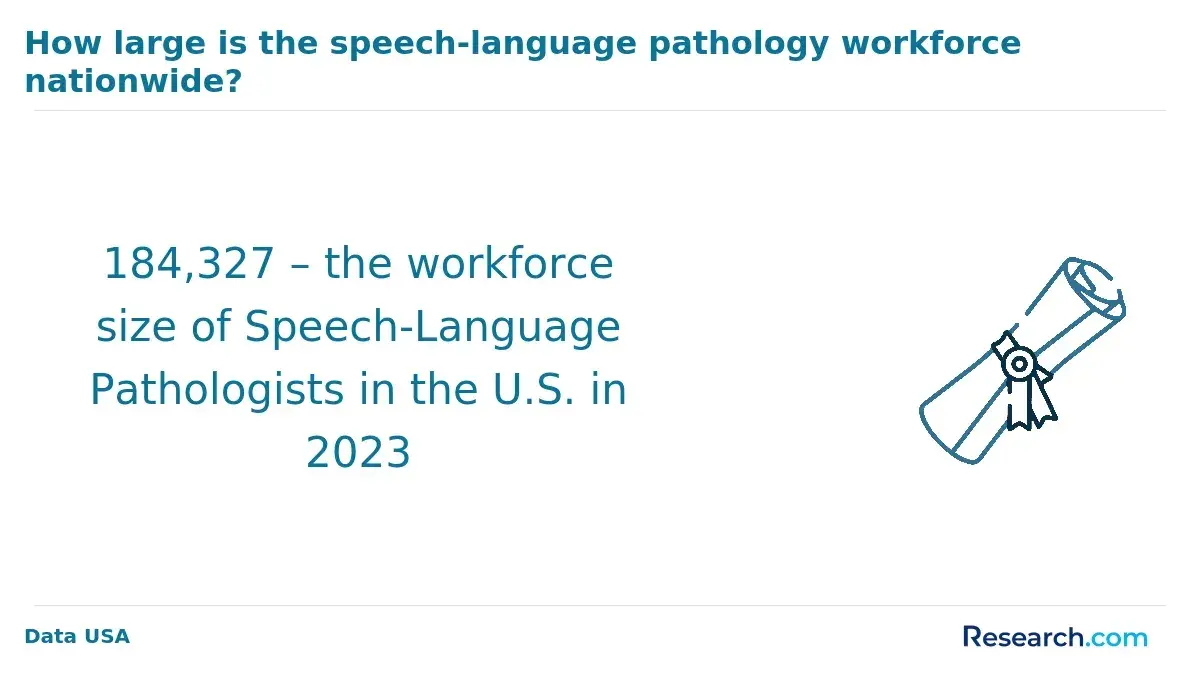
The average SLP salary by state in the United States shows significant variation influenced by factors such as cost of living, demand, and healthcare infrastructure. Nationwide, approximately 187,680 speech language pathologists are employed, earning a median salary of $89,290 as of 2026.
The Bureau of Labor Statistics projects an 17% growth in this field from 2025 to 2035, signaling robust job opportunities.
States recognized as some of the highest paying states for SLP jobs include California, Texas, New York, and Massachusetts. In these states, annual salaries often exceed $95,000, with California averaging above $100,000 due to higher metropolitan living costs and increased demand.
Conversely, states like Mississippi, Arkansas, and West Virginia report average salaries closer to $70,000-$75,000, reflecting lower living expenses. These regional differences highlight the importance of considering both salary and local cost of living when planning a career.
Additional salary influences include work settings. Speech language pathologists employed in hospitals or specialized clinics typically earn more than those working in schools or community programs.
Prospective graduates and professionals should explore local salary trends and demand carefully. For detailed insights, see the speech and language pathologist salary data, which can assist with realistic goal setting and strategic career planning in speech pathology.
What factors influence SLP salary variations by state?
Several factors drive state-by-state salary differences for speech pathologists. Employment concentration plays a significant role; states with higher demand typically offer better wages. For instance, California employs 14,680 speech pathologists, the highest nationwide, where the top 10% earn over $153,930 annually.
Regional cost of living impact on SLP salaries is clear. States with higher living costs generally provide higher pay to offset expenses, especially in urban areas. Conversely, rural states with lower costs may have smaller salaries despite similar responsibilities.
Funding sources also influence wage disparities. States investing heavily in education and healthcare, as well as those with robust public school budgets and Medicaid reimbursements, tend to pay speech pathologists more. Licensing and professional regulations further affect supply, demand, and earnings.
Experience and specialization contribute to salary variations. Some states with advanced healthcare infrastructure reward specialists in pediatric, neurological, or geriatric care more generously. Geographic preferences also attract seasoned professionals with competitive pay and benefits.
Union presence strengthens wages by securing better pay and working conditions. For prospective speech pathologists, exploring accelerated speech pathology programs can be a strategic step toward entering this evolving field.
The minimum education required for a career in speech-language pathology in the United States is a master's degree from a program accredited by the Council on Academic Accreditation in Audiology and Speech-Language Pathology (CAA). While undergraduate degrees in communication sciences, linguistics, psychology, or related fields provide a useful foundation, they do not qualify graduates for clinical practice or licensure.
Prospective students interested in state-specific degrees for speech-language pathologist careers should ensure their graduate programs meet standards that allow for state licensure and eligibility for the Certificate of Clinical Competence in Speech-Language Pathology (CCC-SLP) from the American Speech-Language-Hearing Association (ASHA).
Graduate programs usually take about two years and combine coursework with clinical practicum, covering anatomy, phonetics, development, disorders, and therapy techniques. Licensure mandates completing a supervised clinical fellowship of approximately 36 weeks full-time following the master's degree, giving hands-on experience essential for diagnosing and treating communication disorders across all ages.
Additional certifications or continuing education may be required by some states or employers to maintain licensure. A doctoral degree (PhD or clinical doctorate) is optional and often pursued by those aiming for research or academic roles.
The financial rewards for meeting these requirements are significant. For example, New York SLPs in the top 10% earn up to $157,910, reflecting strong urban demand.
For those exploring educational pathways, this speech language pathologist degree resource provides valuable insights into accessible programs and requirements to consider before committing.
Becoming licensed as a speech-language pathologist (SLP) in the U.S. involves several key steps regulated by state licensing boards. Candidates must first earn a master's degree from a program accredited by the Council on Academic Accreditation in Audiology and Speech-Language Pathology (CAA).
After graduation, a supervised clinical fellowship lasting about nine months and involving at least 1,260 hours under a licensed mentor is mandatory. Next, applicants must pass the Praxis Examination in Speech-Language Pathology, administered by the Educational Testing Service (ETS), which most states require for licensure.
Additional state-specific requirements may include jurisprudence exams or background checks. Licenses are state-specific, but many professionals apply for licensure by endorsement when relocating, which involves verifying credentials and possibly meeting extra criteria.
Washington, DC exemplifies a high-paying market for SLPs, with a median salary of $106,950 despite a smaller workforce of 410. This is due in part to federal healthcare funding, making licensure there competitive and requiring familiarity with DC's licensing specifics.
Early consultation of state licensing websites is essential for understanding unique rules. Obtaining certification from the American Speech-Language-Hearing Association (ASHA) via the Certificate of Clinical Competence (CCC-SLP) is strongly recommended and frequently required by employers, helping to enhance professional credibility and job prospects.
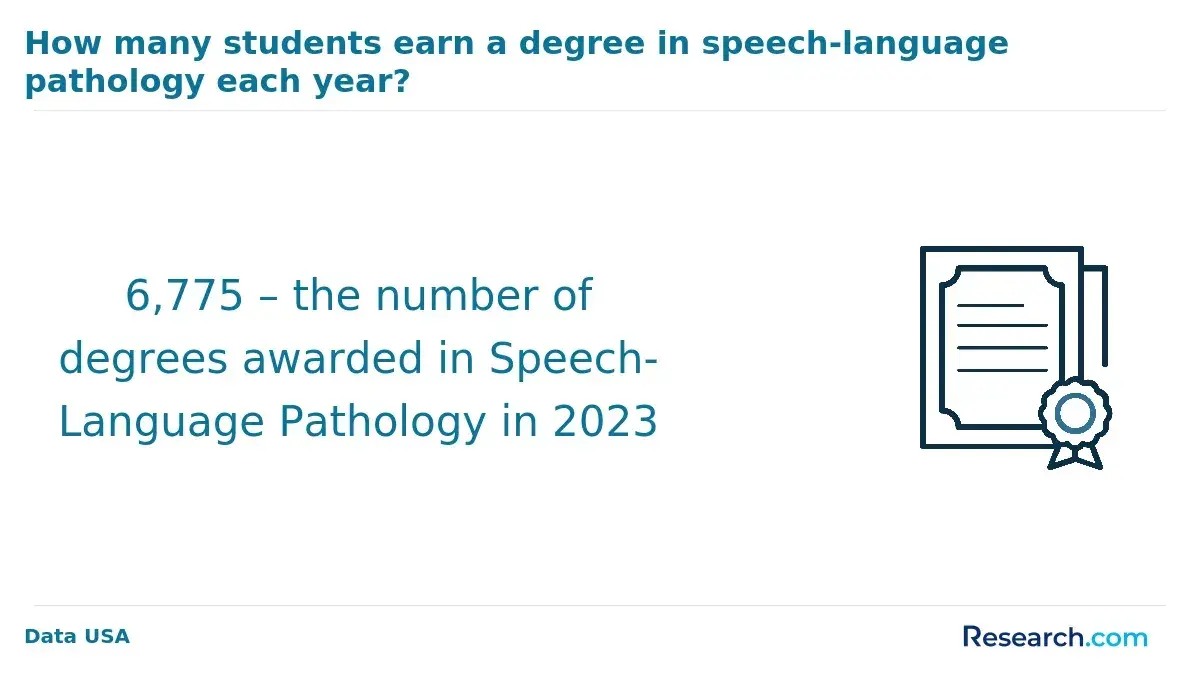
Top speech pathology programs hold accreditation from the Council on Academic Accreditation in Audiology and Speech-Language Pathology (CAA). A master's degree is the baseline credential for certification and practice, often featuring specialized tracks in pediatric, geriatric, or neurological speech disorders. Prioritizing strong clinical practicum components is essential, as hands-on experience with diverse populations enhances job readiness.
Universities with reputable speech pathology degrees frequently partner with hospitals and schools, offering exposure to practical cases and research opportunities. Combined master's and doctoral pathways allow students to deepen expertise in speech science or clinical leadership, broadening career options beyond traditional clinical roles.
Key factors for selecting programs include cost, location, and state licensure reciprocity. States like Colorado show high demand and competitive salaries, with average earnings around $108,070 and top salaries reaching $158,290. Mountain-region programs often tailor curricula to local needs, including bilingual or rural care specialties.
Prospective students should review graduation rates, certification exam pass rates, and alumni employment data. Online and hybrid programs are increasingly popular but must uphold rigorous clinical standards.
Verifying CAA accreditation and clinical opportunities remains vital to thriving in this evolving and competitive field.
Both online and campus-based speech pathology programs offer unique benefits depending on your situation. Online programs provide flexibility suited for working professionals or those with location and scheduling limits.
They often feature virtual simulations and remote practicums to satisfy clinical requirements. However, it is essential to verify program accreditation and the quality of field placements to ensure eligibility for licensure and competitiveness in the job market.
Campus programs emphasize hands-on learning with direct access to faculty and peer collaboration. This immersive environment enhances clinical skills through in-person practicums and valuable networking opportunities, which can improve job placement prospects.
Additionally, campus facilities such as speech labs and clinics are vital for mastering therapeutic techniques.
Financially, online programs can reduce costs related to relocation and transportation, though tuition may be comparable to campus options. Some states impose stricter licensing requirements for graduates of online programs, affecting the ease of professional practice.
Geographic location also influences earning potential. For example, Hawaii's 130 speech pathologists have a median annual wage of $108,230, with the top earners reaching $122,180, partly due to geographic isolation premiums.
Graduates from well-networked campus programs often gain better access to high-paying urban markets, while online program graduates may face hurdles in local licensure and employment.
Prospective students should consider their learning preferences, career objectives, financial capacity, and state licensure rules when selecting the program format that best supports their future success.
The outlook for speech pathologists is strong, with the U.S. Bureau of Labor Statistics projecting a 17% growth rate from 2025 to 2035, much faster than most occupations. This surge is driven by an aging population needing speech rehabilitation after strokes and an increased awareness of developmental speech disorders in children.
Salary and demand vary by location and work environment. For instance, speech pathologists in New Jersey earn an average annual salary of $101,600, with the top 10% reaching up to $171,580, the highest nationally. This clearly indicates both high demand and lucrative opportunities in certain states.
Many roles are available, including positions in schools, hospitals, private clinics, and rehabilitation centers. Prospective speech pathologists should consider factors like local demand, living costs, and licensure requirements, which can be more competitive in higher-paying states but offer better professional growth.
The profession is evolving, with telepractice and interdisciplinary collaboration expanding job possibilities. Staying informed about these trends helps students and professionals align their education and career goals to maximize job security and income potential.
Speech-language pathologists (SLPs) work beyond traditional school settings, often in healthcare facilities like hospitals, rehabilitation centers, and nursing homes. These roles involve treating speech, language, and swallowing disorders in patients recovering from strokes, head injuries, or surgeries, offering diverse clinical experiences.
Many SLPs practice in outpatient clinics, private practice, or home health services. Private practices provide flexibility and entrepreneurial opportunities, with specialties in pediatric speech delays, voice therapy, or accent modification. Home health requires adaptability and independent clinical skills to treat patients unable to travel.
Specialized areas such as early intervention and voice therapy promote career growth by focusing on infants or professional voice users. Other SLPs enter research or academia, contributing to advancing knowledge or training future clinicians. Telepractice and corporate positions are expanding fields, allowing support for workplace communication and digital therapy delivery.
Geographically, New Mexico stands out with a median salary of $104,910 and top earners reaching $138,420, combined with a moderate cost of living. This makes healthcare and private practice roles there financially attractive for SLPs seeking career expansion beyond schools.
How to choose an accredited SLP program?
Choosing an accredited speech pathology program involves assessing program quality, accreditation, and clinical training opportunities. Confirm the program is accredited by the Council on Academic Accreditation in Audiology and Speech-Language Pathology (CAA), which ensures the curriculum meets national standards and qualifies graduates for certification and licensure.
Evaluate the curriculum and faculty expertise, focusing on programs offering diverse clinical practicum experiences in settings like schools, hospitals, and rehabilitation centers. Programs affiliated with healthcare or educational institutions typically provide stronger practical training and real-world exposure.
Location and flexibility also matter. For example, states such as California offer higher pay for speech pathologists, with weekly rates up to $3,241 for school travel assignments, reflecting demand surges reported by AMN Healthcare. Choosing a program near these states may improve internship and job opportunities but consider program reputation and cost.
Examine licensure and certification success rates, including Praxis exam pass rates and Clinical Fellowship Year placements, as indicators of program effectiveness. Smaller class sizes and robust student support services enhance learning and career guidance.
Financial factors include tuition, scholarships, and employer partnerships offering stipends or loan repayment tied to workforce shortages. Investigate graduate employment rates and typical starting salaries to ensure your investment yields strong career outcomes.
Other Things You Should Know About Speech Pathology
In 2027, states like California, New York, and Texas offer the highest salaries for speech pathologists. These states also have a higher cost of living, which often necessitates higher pay to attract skilled professionals in the field.
Yes, continuing education is commonly required to maintain licensure and certification as a speech pathologist. Professionals engage in workshops, seminars, and courses to stay updated on new techniques and research. This ongoing training ensures they provide the most effective care based on current clinical standards.
Most states require a speech-language pathology license from the state board of speech-language pathology or the state department of health. To qualify, applicants usually need a master’s degree, supervised clinical hours, and passing scores on the Praxis Speech-Language Pathology exam.
Experience plays a significant role in salary levels for speech pathologists. Entry-level positions generally offer lower pay, while those with several years of clinical or specialized experience can command higher wages. Employers often value demonstrated expertise and effective patient outcomes when determining compensation.
- U.S. Bureau of Labor Statistics - Speech-Language Pathologists https://www.bls.gov/ooh/healthcare/speech-language-pathologists.htm
- ASHA EdFind - Accredited Speech-Language Pathology Programs https://find.asha.org/ed/
- Audiology and Speech-Language Pathology Interstate Compact https://aslpcompact.com/compact-map/
- Idaho State University - Master of Science in Speech-Language Pathology (Online/Distance Education) https://www.isu.edu/slp/programs-offered/slp-graduate-program/
- Delaware Valley University - Master of Science in Speech-Language Pathology (M.S.) https://delval.edu/programs/graduate-programs/speech-language-pathology
- New York University - Online MS, Communicative Sciences and Disorders (Speech@NYU) https://steinhardt.nyu.edu/degree/online-ms-communicative-sciences-and-disorders
- West Virginia University - Speech-Language Pathology, M.S. - Online https://medicine.hsc.wvu.edu/communications-sciences-and-disorders/speech-language-pathology-ms/future-students/curriculum/online-slp-program/
- California State University-San Marcos - Online MS in Speech-Language Pathology https://www.csusm.edu/slp/programs/mastersonline/index.html