2027 SLP Program Waitlists: What to Do If You Are Not Admitted Right Away

Co-Founder and Chief Data Scientist

Reviewed by Rhea Paul, PhD
SLP Education & Research Expert
Many aspiring speech pathologists face the frustration of waitlists after applying to graduate programs. This delay can disrupt career plans, cause uncertainty, and challenge financial or personal timelines.
Without immediate admission, candidates must navigate how to remain competitive and proactive while waiting for an opening. Understanding strategies to improve one's standing or explore alternative options is crucial for maintaining momentum.
This article examines common responses to SLP program waitlists and offers practical advice to help applicants strengthen their profile, manage the waiting period effectively, and increase their chances of eventual admission into accredited, flexible programs.
Key Things You Should Know
- Approximately 60% of applicants to graduate-level speech pathology programs in 2025 faced waitlists due to increased demand and limited clinical placement spots.
- Joining a waitlist often leads to admission if candidates maintain professional development or complete prerequisite courses during the waiting period.
- Prospective students should explore alternative accredited programs and strengthen their applications by gaining relevant experience to improve chances in future cycles.
What is an SLP program waitlist?
An SLP program waitlist is a queue of applicants who meet admission criteria but cannot be immediately accepted due to limited spots. Admission from the waitlist happens only if enrolled students decline or fail to meet final requirements.
This process is an essential aspect of the SLP program waitlist process explained, providing a second opportunity for candidates who narrowly missed initial acceptance.
Waitlists vary in size depending on program capacity, applicant interest, and yearly enrollment changes. According to PubMed (2021), 73.6% of speech-language pathologists reported waiting lists at their workplaces, with community health centres having the highest rate at 97.4%. This highlights demand pressures not just in education but also broader practice settings.
For applicants wondering how to handle a speech pathology waitlist, staying proactive is crucial. Consider these steps:
- Confirm your ongoing interest with the program promptly to stay eligible for acceptance.
- Ask about your rank or position on the waitlist to realistically evaluate your chances.
- Complete all supplemental documents and requirements to avoid disqualification.
- Apply to multiple accredited programs simultaneously to broaden admission prospects.
- Use the waiting period to strengthen your profile with relevant certifications or experience.
Exploring online SLP master programs during this time can also increase your opportunities. Viewing the waitlist as an active phase supports informed decisions and reduces anxiety in this competitive stage.
What to do if waitlisted for SLP program?
If you find yourself waitlisted for an SLP program, take immediate action to improve your chances of admission. First, confirm your interest with the admissions office in writing to demonstrate commitment and ensure your file stays active.
Next, update your application with any new achievements such as improved GRE scores, additional clinical experiences, or relevant certifications. These tangible improvements help strengthen your profile in the competitive process of SLP program waitlist tips for applicants.
Networking with faculty or current students can provide beneficial insider perspectives and may positively influence your standing. Reach out to request an informational meeting or phone call to express genuine enthusiasm and ask about ways to enhance your application.
Additionally, consider applying to multiple programs because strategies after being waitlisted for SLP programs often involve broadening your opportunities. Patience is vital, as waitlist decisions can continue into the summer months.
Data from the Student Doctor Network shows nearly one-third of waitlisted applicants to speech pathology programs were eventually admitted. This statistic highlights that being waitlisted is not a rejection but an invitation to stay engaged.
Some programs may request a letter of continued interest or additional references. Submit personalized letters emphasizing your qualifications, commitment to the field, and any clarified career goals. Avoid generic updates; focus on clear and relevant progress.
Consider gaining relevant work, volunteer, or research experience in communication disorders to build practical skills. These efforts may help in future application cycles or during reevaluation.
For those curious about career prospects while navigating waitlists, understanding how much do speech language pathologists make can provide motivation and insight into the profession's potential rewards.
How long do SLP waitlists typically last?
SLP waitlists can vary widely, lasting anywhere from 0 to 42 months. The average time on speech pathology waitlists in the US is approximately 8.09 months, with a standard deviation of 5.84 months according to data from PubMed (2021). This variability reflects differences in program capacity and prioritization policies across services.
Waitlist duration often depends on the severity of client needs and the specific program focus. Most services prioritize urgent cases to accommodate those with more immediate needs.
For example, infants are given the highest priority, with 77.4% of programs accelerating their admission. Additionally, 88.5% of services prioritize children facing feeding difficulties.
Prospective students and graduates preparing to start careers in clinical or educational settings should factor in typical speech pathology program waitlist duration when planning. High caseload areas may experience longer waitlists, especially for less critical referrals, which can delay the start of professional interventions.
Applicants to SLP graduate programs or clinical placements are advised to consider alternative activities such as internships, volunteering, or shadowing while on waitlists. These engagements help build skills and networks despite admission delays.
For those seeking accelerated education, options like 5 year SLP programs can be a strategic choice.
Clinical supervisors and program coordinators regularly update waitlist information. Maintaining ongoing communication helps candidates stay informed about prioritization criteria and anticipated timelines to better manage their expectations and career paths.
You can reapply to speech pathology programs after being placed on a waitlist, but it requires a careful strategy. Waitlisting means you were a competitive candidate, as some programs fill 30-50% of their class from waitlisted students, according to Student Doctor Network and TheGradCafe forum.
However, admission is not guaranteed, and you should not assume your waitlist status will carry over or improve automatically. Admissions committees treat each application independently, so it's essential to strengthen your profile before reapplying to speech pathology programs after being waitlisted.
Enhancing your academic record, gaining additional clinical experience, or securing stronger letters of recommendation can improve your chances. Confirm each program's reapplication policies and whether updates to your waitlist materials are allowed or if you must submit a full new application.
If your waitlist position is in a quadrant with a higher chance of admission, maintain professional contact and express your continued interest without applying pressure. Programs value candidates who remain engaged. Consider applying to multiple programs, including those with varying selectivity levels, to maximize your options.
Starting preparation for reapplication early and addressing any weaknesses is vital. For candidates exploring options, some of the easiest SLP master's programs provide alternative pathways.
Overall, reapplying after waitlist is common but requires deliberate improvement, clear communication, and realistic planning. Knowing how to reapply for a speech pathology program waitlist means balancing persistence with strengthening your application to stand out in future admission cycles.
Long Island University's speech pathology program demonstrates strong outcomes with a Praxis exam pass rate averaging 92% over three years. In the latest data, 91% of 45 students passed, highlighting the program's effective instruction and support for both admitted and waitlisted applicants.
Programs with shorter waitlists often feature smaller cohorts, transparent waitlist policies, and proactive communication. These elements help waitlisted students stay updated about admission status and openings, improving their chances for eventual admission.
Prospective students should consider these strategies:
- Research programs providing clear historical admit rates and completion data similar to LIU's Praxis statistics.
- Contact programs directly about average waitlist lengths and the likelihood of acceptance from the waitlist.
- Focus on programs that share success data of waitlisted students after admission to understand post-waitlist outcomes.
Mid-sized public universities often maintain shorter waitlists due to balanced demand, unlike highly competitive schools with longer wait times.
Additionally, geographic location, residency preferences, and available resources significantly affect waitlist dynamics. Considering these factors can help applicants find better-matched programs.
While waitlisted, focus on demonstrating ongoing commitment and growth relevant to speech pathology.
Strengthen your clinical experience by seeking additional internships, volunteer opportunities, or paid roles in settings such as schools, hospitals, or rehabilitation centers. Make sure to obtain updated recommendation letters or supervisor verifications that showcase expanded skills and responsibilities.
Enhance your academic record by enrolling in advanced courses in communication sciences, linguistics, or related fields. Emphasize courses with research or quantitative content to highlight your analytical abilities. Submit updated transcripts to the admissions committee to reflect your academic progress.
Obtain certifications or training in key areas like Augmentative and Alternative Communication (AAC) or specialized speech therapy techniques. These credentials help distinguish your application and show professional initiative.
Revise your personal statement to include reflections on the waitlist experience, focusing on resilience, adaptability, and a refined professional focus. This helps demonstrate maturity and a sincere commitment to the field.
Maintain respectful communication with admissions offices. Inquire specifically about improving your chances or submitting additional materials, which signals your continued interest.
Employment outcomes data post-waitlist show applicants who actively improve their profiles are more likely to gain admission later and achieve successful employment.
The Council on Academic Accreditation in Audiology and Speech-Language Pathology (CAA) under the American Speech-Language-Hearing Association (ASHA) sets strict accreditation standards for speech pathology programs. These standards ensure that students receive comprehensive education and clinical training required for certification and licensure.
Programs must provide a well-rounded curriculum, including:
- Core knowledge in speech and hearing science, anatomy, physiology, and language development
- At least 400 hours of supervised clinical practicum, with a minimum of 325 hours of direct client contact
- Guidance from ASHA-certified or licensed clinical supervisors
- Emphasis on evidence-based practices and preparation for the Praxis national examination
Continuous program review includes monitoring student completion rates and certification exam pass rates. For example, Stony Brook's speech pathology program reported a 100% completion rate for previous small cohorts, though 2026 Track I data is still pending.
Applicants not immediately accepted can enhance their candidacy by strengthening relevant academic backgrounds, clinical experience, and prerequisite coursework. Confirming CAA accreditation is vital to ensure the program meets professional standards necessary for certification and employment.
Online and campus speech pathology programs differ mainly in format, flexibility, and student support. Online options provide flexibility in scheduling, helping students balance studies with work or family commitments.
This suits those needing asynchronous learning or living far from campus. However, online students must be self-directed and comfortable with digital communication. Clinical practicum requirements remain, often requiring students to find local in-person placements, which can vary by program.
Campus programs offer structured schedules with in-person classes and direct access to university clinical resources. Students benefit from faculty mentorship, hands-on supervision, and stronger peer collaboration. Practicum experiences are usually on-site, potentially improving training quality through immediate feedback.
Applicants on waitlists might note that data from SUNY New Paltz shows students admitted post-waitlist maintain strong persistence and timely graduation within four years. This implies waiting for campus admission can be worthwhile when prioritizing personalized clinical experience.
Prospective students should consider their learning preferences, access to clinical sites, and time commitment when choosing between online and campus speech pathology programs.
Employment for speech-language pathologists (SLPs) is expected to grow by 17% through 2035, much faster than the average job growth rate. This demand is driven by an aging population, heightened awareness of communication disorders, and broadened services for both children and adults.
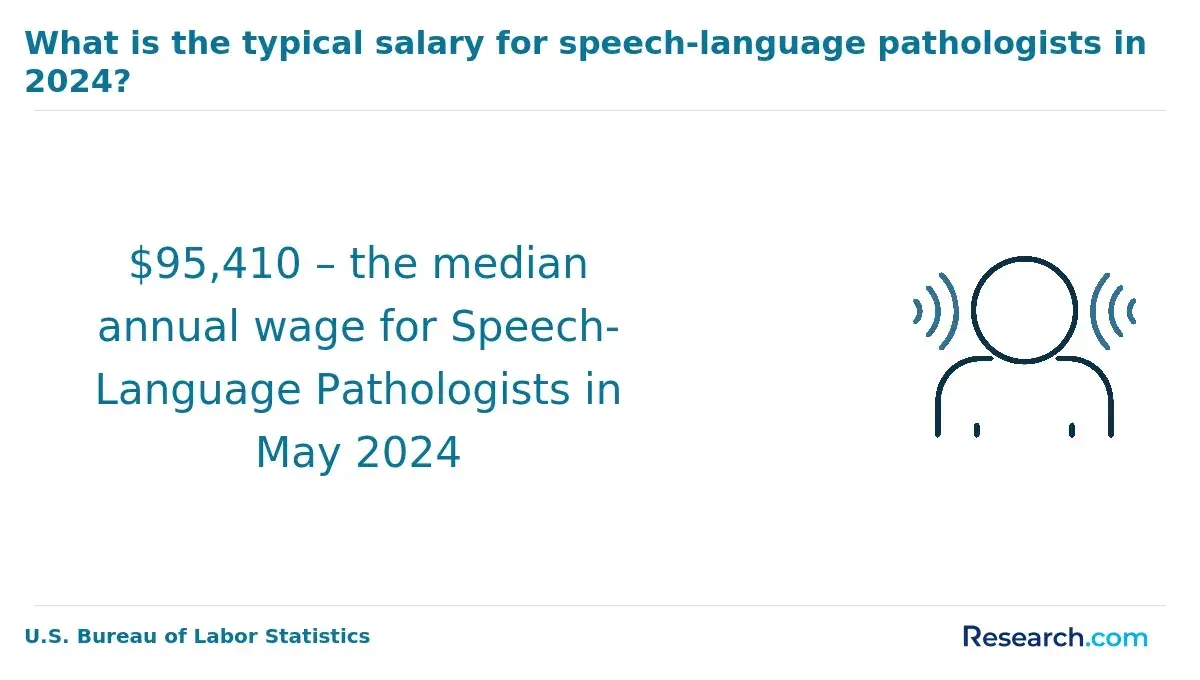
Salary varies widely based on experience, location, and workplace setting. The median annual wage for SLPs was $79,060, with entry-level positions typically earning between $62,900 and $134,160. Those working in hospitals or outpatient clinics often earn more than school-based professionals due to funding differences.
Persistent applicants should consider reapplying to programs with strong graduation rates, such as Brooklyn College's speech pathology program, which has demonstrated high on-time completion rates.
Gaining early clinical experience through internships or assistant roles can improve skills and strengthen future applications, making candidates more competitive.
What licensing steps follow SLP program completion?
After completing an SLP program, candidates must obtain state licensure to practice clinically. This process starts with passing the national Praxis exam in speech-language pathology, a requirement in nearly all U.S. states. Praxis scores establish basic eligibility for licensure applications.
Next is the Clinical Fellowship Year (CFY), which involves 1,260 hours of supervised professional experience, usually within 36 months after graduation. The CFY helps apply academic knowledge under a licensed SLP mentor's guidance.
Finding a fellowship placement can sometimes be difficult, but networking with university advisors and professional associations typically helps overcome this challenge.
Upon completing the CFY, candidates submit documentation and fees to their state licensure board. Some states also require jurisprudence exams or background checks before granting a license.
Licensure permits independent practice in healthcare, education, and private settings but requires ongoing continuing education. Most states mandate 10 to 30 hours of CE credits annually or biannually to maintain licensure.
For students not admitted initially, reapplying remains a viable option. Outcome data from NYU for 2025 shows positive post-waitlist employment trends in speech pathology, indicating success is achievable even after delayed admission.
Other Things You Should Know About Speech Pathology
If waitlisted for a 2027 SLP program, first, express continued interest in the program to the admissions office. Investigate other universities or consider alternative pathways, such as online courses or gaining relevant work experience to strengthen future applications. Stay updated with the program's waitlist process and timeline.
Clinical experience is essential in speech pathology education, as it provides hands-on training with patients under supervision. Most accredited programs require students to complete a set number of clinical hours before graduation to ensure they develop practical skills.
Ask your position on the waitlist, how many seats were offered last cycle, and the date the program expects to make final offers. Many SLP programs also confirm whether deposits are due within 48 to 72 hours after an acceptance and whether the list remains active until classes begin.
The American Speech-Language-Hearing Association (ASHA) is the leading professional body for speech pathologists in the U.S., providing certification, advocacy, and continuing education. Joining such organizations can offer networking opportunities and resources for career advancement.
- U.S. Bureau of Labor Statistics - Speech-Language Pathologists https://www.bls.gov/ooh/healthcare/speech-language-pathologists.htm
- ASHA EdFind - Accredited Speech-Language Pathology Programs https://find.asha.org/ed/
- Audiology and Speech-Language Pathology Interstate Compact https://aslpcompact.com/compact-map/
- New York University - Online MS, Communicative Sciences and Disorders (Speech@NYU) https://steinhardt.nyu.edu/degree/online-ms-communicative-sciences-and-disorders
- Pennsylvania Western University - Master of Science in Speech-Language Pathology https://online.pennwest.edu/programs/speech-language-pathology-grad/index.php
- New England Institute of Technology - Master of Science in Speech Language Pathology https://www.neit.edu/academics/graduate-degrees/speech-language-pathology-ms
- Pepperdine University - Master of Science in Speech-Language Pathology https://healthscience.pepperdine.edu/online-masters-in-speech-language-pathology/
- California State University-San Marcos - Online MS in Speech-Language Pathology https://www.csusm.edu/slp/programs/mastersonline/index.html