2027 Personal Statement Mistakes That Hurt SLP Applications

Co-Founder and Chief Data Scientist

Reviewed by Rhea Paul, PhD
SLP Education & Research Expert
Applicants often submit personal statements that miss the mark by focusing too broadly or failing to demonstrate genuine insight into speech pathology. These mistakes can lead to overlooked applications, even when candidates have strong academic credentials. Common pitfalls include vague language, unrelated experiences, or neglecting to highlight motivation and understanding of the field. Such errors reduce an applicant's chances of admission and weaken their overall profile.
This article examines frequent personal statement errors that harm speech pathology applications and offers clear guidance to help applicants present a compelling, focused narrative that aligns with program expectations.
Key Things You Should Know
- Failing to clearly articulate motivation and relevant experiences weakens personal statements; 62% of applicants cited clarity as a key factor in successful 2025 admissions.
- Overlooking program-specific alignment reduces competitive edge; tailoring statements significantly increases interview invitations according to recent 2024 data.
- Neglecting proofreading and professional tone leads to negative impressions-errors were noted in 48% of rejected 2025 applications, highlighting the importance of polished writing.
What are common personal statement mistakes in SLP applications?
Common personal statement mistakes in SLP applications can significantly hinder candidates' chances, despite a 45.3% per-application acceptance rate reported in ASHA's 2024 Communication Sciences and Disorders Education Survey. One frequent error is failing to clearly connect personal experiences to speech pathology goals. Admissions committees expect applicants to demonstrate an informed understanding of the profession.
Writing about volunteer work without linking it to communication disorders or client interaction weakens the statement's impact. For example, mentioning community service unrelated to healthcare without explaining its relevance misses a chance to showcase dedication or transferable skills.
Applicants also often include vague, generic statements rather than offering specific, evidence-backed motivations. Simply stating "I want to help people" without illustrating concrete experiences, such as shadowing professionals or engaging in relevant research, suggests a lack of true insight or commitment. Detailed descriptions that highlight relevant coursework or research enhance credibility.
Overemphasizing academic achievements while neglecting interpersonal skills is another error. Speech pathology demands empathy, communication, and cultural competence, which must be reflected in personal statements to present well-rounded candidates. Other common errors include poor organization, grammatical mistakes, and ignoring program-specific prompts.
Tailoring content to each school is crucial to demonstrate fit and genuine interest. Attention to detail in personal statements directly influences success in master's program admissions. For those exploring options, online speech pathology masters programs offer diverse pathways to advance their careers.
Why do vague personal statements hurt SLP applications?
Vague personal statements harm SLP applications by failing to demonstrate genuine motivation and clear fit for the program. Admissions committees look for specific examples that reveal an applicant's understanding of the profession and unique qualifications. Statements lacking concrete details or relying on broad claims undermine the applicant's insight and commitment. For example, saying "I want to help people communicate" without further explanation does not set candidates apart in competitive pools.
The consequences of unclear personal statements in speech pathology admissions are compounded by ignoring regional acceptance rate variations. Some Western states and private universities in Texas have acceptance rates ranging from 50-85%, often reflecting newer programs with less competitive entry. Candidates who submit generic statements lose a strategic advantage by not aligning their essays with specific program goals, such as community engagement or serving underserved populations. Researching programs and reflecting how one's experiences meet these criteria are essential for success.
Providing tailored statements backed by research shows seriousness and increases admission chances. For those wondering how much do SLPs make, understanding program nuances also helps align academic choices with career goals.
How does poor structure weaken SLP personal statements?
Poorly organized speech pathology personal statements weaken clarity, coherence, and overall impact. Admissions committees review numerous applications, so an ineffective structure in speech pathology personal statement applications can make it challenging to follow the candidate's story or identify key qualifications. Essential elements such as motivation, career goals, and relevant experience may become unclear or overlooked without a logical structure.
Common issues include rambling paragraphs without focus, abrupt topic changes, and mixing unrelated content like personal anecdotes and academic achievements. A well-structured statement separates ideas into distinct paragraphs covering background, skills, motivation, and future objectives. This clear progression helps guide the reader effectively.
Weak structure also suggests poor communication skills, which can raise concerns about the applicant's readiness for graduate training. Admissions committees expect professionalism and effective writing reflective of speech-language pathologists.
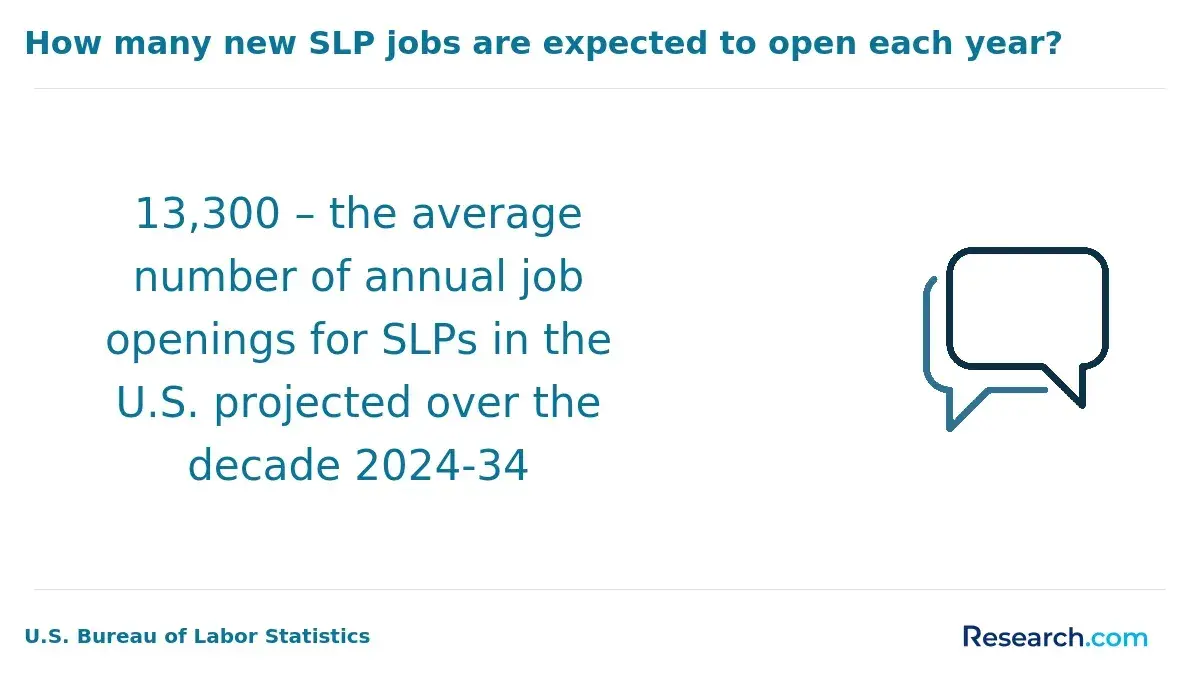
Applicants should highlight the growing demand within the field, linking their experiences to the job market. Employment of speech-language pathologists is projected to grow 15% with 13,300 annual openings, indicating strong career opportunities. Including such facts shows industry awareness, yet disorganized essays often omit or obscure this important data.
Strategies for improvement include outlining, using topic sentences, and ensuring logical sequencing. Clear structure makes the statement compelling and easier to evaluate. For those interested in advancing quickly, exploring 5 year speech pathology programs can offer efficient educational pathways.
Common personal statement pitfalls in SLP applications include overly broad themes that don't highlight an applicant's unique experiences or understanding of the profession. Statements focused on vague ambitions like simply "wanting to help people communicate" or generic descriptions of speech pathology lack the depth needed to stand out.
Avoid repeating widely known facts or restating details found in program brochures. For instance, calling speech pathology a "rewarding career" without linking it to personal journeys or recognizing industry challenges weakens the narrative.
Many miss critical industry trends such as the enrollment decline in communication sciences and disorders programs, which fell to 37,097 students recently, below the 14-year average (source: ASHA). Overlooking this data diminishes the opportunity to discuss competitiveness and program demand realistically.
Generic content mistakes in speech pathology personal statements also involve listing soft skills like "compassion, patience, and communication" without illustrating how these were developed or applied in relevant clinical or volunteer settings. Emphasizing unrelated experiences without connecting them to speech pathology competencies should be avoided.
Focus clearly on specific challenges or questions faced, such as managing client confidentiality or adapting therapy methods, to demonstrate insight. Prospective applicants may find reviewing speech language pathology master's programs helpful for aligning their experiences with program expectations.
Grammar errors in slp personal statements can seriously hurt an applicant's chances in a competitive admissions process. Committees rely on these statements not just to evaluate communication skills, but also to gauge professionalism and attention to detail. Mistakes in grammar or syntax may suggest carelessness or unreadiness, raising doubts about the candidate's ability to thrive in demanding academic and clinical settings.
With large applicant pools and lower matriculation rates reported by the CSDCAS Applicant Data Report, making a strong impression matters more than ever. A personal statement filled with grammar issues weakens your message, making it difficult to clearly convey your qualifications and motivations. Key errors to avoid include:
Using grammar-checking tools and having mentors or advisors experienced in slp admissions review your statement can identify hidden errors. Careful proofreading is essential to present a polished, professional narrative that positively influences how admissions committees evaluate your readiness for graduate study and clinical practice.
Expressing genuine passion for speech pathology requires specific examples rather than clichés. Instead of vague statements like "I want to help people communicate," applicants should share meaningful experiences that sparked their interest. This might include a significant interaction with a client or mentor, or overcoming challenges during internships or volunteer work, lending authenticity to the narrative.
Demonstrating awareness of the profession's demands is crucial. For instance, citing that the University of Washington's Speech & Hearing Sciences program graduates achieved over 95% Praxis exam pass rates reflects understanding of rigorous industry standards and commitment to meeting them.
Applicants should avoid overused phrases such as "lifelong passion" or "love for helping others" without evidence. Instead, detail how specific skills-like patience, analytical thinking, or cultural competence-have been cultivated through relevant experiences and relate these directly to speech pathology roles. Working with diverse populations and adapting communication strategies illustrate applied learning.
Admissions committees value critical self-reflection and realistic expectations supported by examples and a well-informed perspective, differentiating strong applications from those relying on conventional enthusiasm.
Including irrelevant details can weaken speech pathology applications by shifting focus away from qualifications and readiness. Admissions committees emphasize objective measures like GPA and GRE scores in 68% of programs, based on peer-reviewed research updated with recent data.
Examples of irrelevant content include:
- Extended descriptions of hobbies or personal history unrelated to communication disorders or clinical skills
- Family background that does not clearly influence motivation or suitability for speech pathology
- Overly personal anecdotes lacking connections to academic or professional growth
- Repeating resume content without explaining its impact or what was learned
Applicants who prioritize such information risk wasting valuable word count and appearing unfocused. Instead, statements should highlight relevant experiences such as volunteer work with communication-impaired groups, academic challenges in related courses, or research involvement tied to speech pathology.
For instance, a passion for singing is less compelling unless linked to vocal mechanisms or therapy insights; clinical observations informing a desire to support speech development create a stronger narrative.
Critically assess every detail: does it demonstrate awareness of speech-language pathology's demands or evidence essential skills? Maintaining a focused narrative supported by academic and clinical accomplishments aligns with what programs value most and strengthens your application.
Admissions committees in speech pathology programs closely assess an applicant's fit with their specific values, clinical strengths, faculty expertise, and research priorities. Ignoring this alignment can make a personal statement appear generic and unfocused, reducing the likelihood of acceptance. Genuine fit demonstrates purposeful interest rather than a mass-produced application.
Applicants should research each program deeply and clearly connect their goals and experiences to program features. For instance, if a program prioritizes pediatric speech therapy or bilingual populations, highlighting relevant skills or experience conveys meaningful alignment.
Identify overused phrases in your slp personal statement such as "passionate about helping others," "strong communication skills," and "team player." These clichés offer little specificity and fail to highlight unique qualities. Replace them with concrete examples that illustrate these traits clearly. For instance, instead of "strong communication skills," describe a situation where you adapted communication to meet a client's individual needs.
Use precise language related to speech pathology to demonstrate your expertise. Highlight skills like "conducting comprehensive speech assessments," "implementing evidence-based intervention plans," or "collaborating with multidisciplinary teams in school settings." These phrases show practical competence rather than vague generalities.
Quantify your experience whenever possible. For example, say "provided therapy to 15+ children with speech sound disorders during a six-month internship" instead of the generic "worked with many clients." Numbers add credibility and context.
Address workforce challenges faced by school-based SLPs, where 92% report workload demands exceed capacity due to staffing shortages (ASHA's 2024 Schools Survey). Emphasize your readiness to manage high caseloads and multitask effectively, including strategies you use to maintain care quality under pressure.
Focus on measurable goals like "aiming to increase client communication effectiveness by 30% within one year through targeted interventions" rather than vague ambitions. Also, revise your statement to remove redundancies and vary sentence structures to maintain engagement and demonstrate professionalism.
What makes SLP personal statements stand out?
Strong personal statements for speech pathology programs clearly demonstrate focused motivation and directly connect an applicant's experiences to skills vital to the profession, such as communication, empathy, and critical thinking. Admissions committees respond best to concrete examples like volunteer work with individuals who have communication disorders or research on language development rather than vague ambitions or generic narratives.
Self-awareness and adaptability are also important qualities to showcase. Discussing challenges faced, how they were overcome, and reflecting on lessons learned from clinical observations or academic setbacks highlight resilience-an essential trait for future clinicians.
Addressing specific goals within speech pathology-such as specializing in pediatric care or neurological impairments-and demonstrating awareness of the profession's challenges and current trends, like evidence-based practice or emerging technologies, signal genuine commitment. Avoid clichés; instead, offer original insights supported by relevant experience or research.
Other Things You Should Know About Speech Pathology
The biggest mistakes are writing a generic essay, repeating your résumé, and failing to explain why you want to become an SLP. Admissions committees want clear evidence of reflective insight, communication skill, and alignment with the program’s mission, not broad career statements or unsupported claims.
Clinical experience is crucial in speech pathology programs because it allows students to apply theoretical knowledge in real-world settings. It helps develop essential skills such as assessment, diagnosis, and treatment of communication disorders. Accrediting bodies require a minimum number of supervised clinical hours for program completion and certification eligibility.
Letters of recommendation are important as they provide insight into an applicant's clinical skills, work ethic, and interpersonal abilities. Strong endorsements from faculty or clinical supervisors can strengthen an application by highlighting practical competencies and suitability for graduate study. Many programs require multiple letters and view them as a key component in the admission decision process.
- U.S. Bureau of Labor Statistics - Speech-Language Pathologists https://www.bls.gov/ooh/healthcare/speech-language-pathologists.htm
- ASHA EdFind - Accredited Speech-Language Pathology Programs https://find.asha.org/ed/
- Audiology and Speech-Language Pathology Interstate Compact https://aslpcompact.com/compact-map/
- University of Wisconsin-Eau Claire - Master of Science in Speech-Language Pathology (Online) https://www.uwec.edu/speech-language-and-hearing-sciences-department/graduate-program/speech-language-pathology-online
- Baylor University - Master of Science in Speech-Language Pathology (Online) https://csd.robbins.baylor.edu/graduate/online-csd-graduate-program
- California State University-San Marcos - Online MS in Speech-Language Pathology https://www.csusm.edu/slp/programs/mastersonline/index.html
- Pennsylvania Western University - Master of Science in Speech-Language Pathology https://online.pennwest.edu/programs/speech-language-pathology-grad/index.php
- California State University-Northridge - Master of Science in Communicative Disorders (Online) https://tsengcollege.csun.edu/programs/CDS