2027 Best Online SLP Programs With Strong Clinical Placement Support

Co-Founder and Chief Data Scientist

Reviewed by Rhea Paul, PhD
SLP Education & Research Expert
Many aspiring professionals face challenges securing quality clinical placements while pursuing online SLP programs, often delaying licensure and career progress.
Finding programs that balance flexible, remote coursework with strong, accessible clinical opportunities is critical for timely degree completion and practical training. Without adequate placement support, students risk extended program lengths and limited skill development in diverse settings.
This article examines credible online SLP programs known for robust clinical placement support, offering guidance to help prospective students select pathways that align with their schedules and licensure goals.
Key Things You Should Know
- Strong clinical placement support is essential for online SLP programs, with top schools connecting over 90% of students to accredited sites for hands-on experience before graduation.
- Programs accredited by the Council on Academic Accreditation (CAA) ensure high-quality training, with recent data showing a 95% certification exam pass rate among graduates from such programs.
- Online SLP programs increasingly offer diverse clinical settings, including pediatric, school-based, and healthcare environments, reflecting the profession's evolving demands and increasing graduation employment rates.
What is a speech-language pathology degree and what do SLPs do?
A speech-language pathology degree prepares students to become licensed clinicians who diagnose, evaluate, and treat communication and swallowing disorders across the lifespan, from infants with developmental delays to adults recovering from strokes or brain injuries.
Core subjects include speech sound production, language development, cognitive-communication disorders, and swallowing physiology. Typical entry-level credentials consist of a master's in speech-language pathology, a requirement for certification and state licensure.
These programs blend rigorous coursework with extensive clinical practicum, offering hands-on experience through clinical placements. Clinical placement opportunities for online speech-language pathology students are essential, enabling them to work with diverse populations in settings such as schools, hospitals, rehabilitation centers, and private practices.
Speech-language pathologists address various challenges including:
- Helping children with articulation or language delays to develop effective communication skills
- Assisting individuals with aphasia after neurological events to regain language functions
- Supporting patients with dysphagia in improving safe swallowing and preventing complications
- Designing augmentative and alternative communication (AAC) interventions for nonverbal clients
Demand for flexible online masters speech pathology programs has surged recently, with enrollment increases driven by students seeking adaptable certification pathways. These programs maintain stringent clinical requirements to ensure graduates meet professional standards.
Prospective students should seek programs offering strong clinical networks for diverse, supervised patient contact, key for successful careers in speech-language pathology degree programs in the United States.
What are the accreditation and licensing requirements for speech-language pathologists in the U.S.?
Programs for speech-language pathologists (SLPs) in the U.S. must be accredited by the Council on Academic Accreditation in Audiology and Speech-Language Pathology (CAA) to meet strict educational standards.
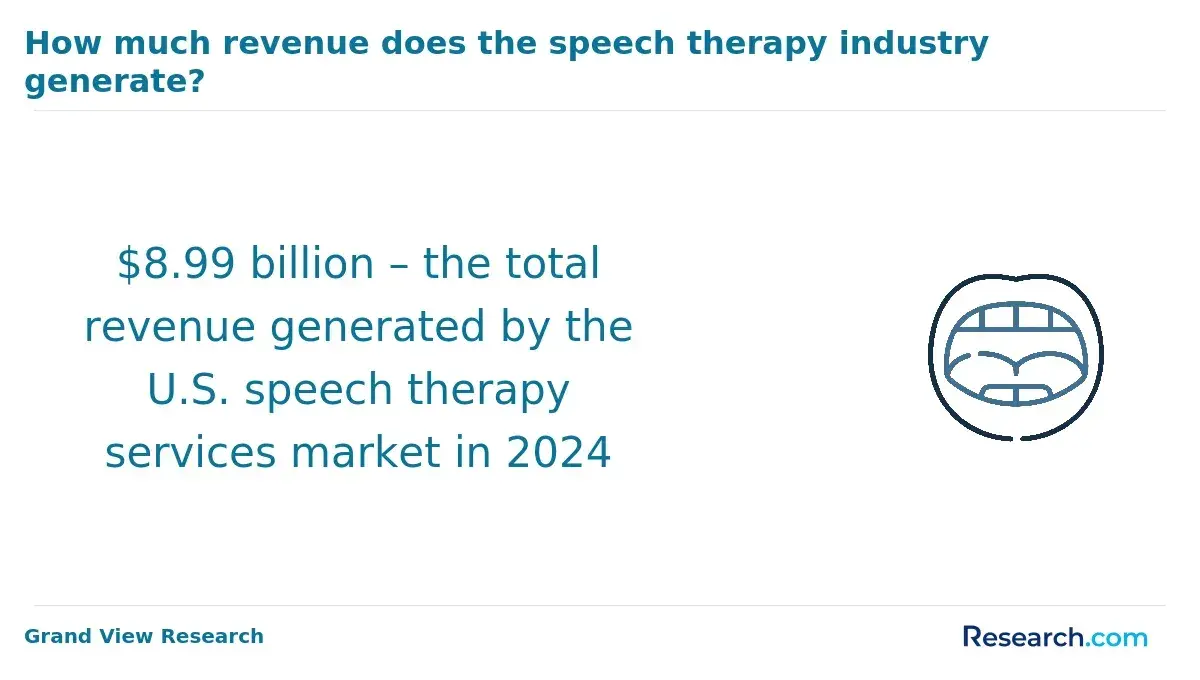
Graduates of CAA-accredited online speech pathology programs gain solid preparation for licensing and certification, supported by a 97% Praxis exam pass rate, exceeding the national average of 92% (ASHA Praxis Exam Summary, 2025). State licensure is essential to practice as an SLP, with each state licensing board establishing its own specific requirements.
Typically, these include graduating from a CAA-accredited graduate program, completing supervised clinical hours, often a minimum of 400, and passing the Praxis exam in Speech-Language Pathology. Clinical placements provide essential hands-on experience, verifying candidates' skills in real-world settings.
Earning the Certificate of Clinical Competence (CCC) from the American Speech-Language-Hearing Association (ASHA) is key to advancing professional credibility and employability. This certification requires not only passing the Praxis exam but also completing a clinical fellowship.
Understanding state licensure standards for Speech-Language Pathologists early helps prevent delays in securing credentials. Prospective students should confirm their program's CAA accreditation to maintain eligibility for licensure and ASHA certification. They should also research the specific licensure standards for speech pathologists in the U.S., as these can vary by state.
For those considering financial outcomes, exploring the speech therapist salary can provide valuable career insight.
How do online SLP master's programs compare to campus-based programs for clinical training?
Online SLP master's programs often provide clinical training comparable to campus-based programs when they offer strong clinical placement support and local supervision. The key difference lies in coordinating clinical hours. Campus-based programs typically assign clinical sites on or near campus for hands-on learning with direct faculty oversight.
In contrast, online programs partner with facilities nationwide, placing students in accessible locations and relying on clinical coordinators to ensure completion of practicum hours under qualified supervisors within the student's community. This approach addresses the common challenge of online SLP master's programs clinical training comparison.
For example, Emerson College's online Speech Pathology program graduates achieved a 100% Praxis pass rate in 2025, with 95% securing SLP jobs within six months. This success shows that rigorous clinical training and support can be maintained remotely.
Prospective students should look for online programs that provide:
- Access to certified clinical supervisors near their location
- Structured plans to accrue ASHA-required clinical hours
- Regular faculty communication and feedback during practicum
- Resources to navigate state licensure clinical hour requirements
Campus-based vs online speech pathology clinical placement support differs mainly in flexibility and geographic reach. Online formats benefit students balancing work or personal commitments by arranging local clinical placements to reduce travel, while campus programs may offer more spontaneous peer and faculty interaction.
Ultimately, clinical preparation quality depends on how effectively a program integrates practical experience, not its delivery method. Students can explore more about accelerated speech pathology programs to find options that suit their goals and circumstances.
Accredited speech pathology degree programs combine rigorous coursework and clinical practicum to fulfill certification standards set by the American Speech-Language-Hearing Association (ASHA).
Coursework covers anatomy and physiology of speech and hearing mechanisms, speech and language development, audiology, neurological communication bases, and assessment and intervention strategies. Specialized classes may address voice and fluency issues, swallowing disorders, and multicultural communication considerations.
Clinical hours required for accredited speech pathology programs total a minimum of 400 supervised clock hours, including preclinical activities like simulations and observation, as well as direct patient interaction in diverse settings.
Students gain hands-on experience diagnosing and treating communication disorders under licensed supervision. Typical clinical placements occur in schools, hospitals, rehabilitation centers, and private clinics, offering exposure to varied populations.
Programs such as Baylor University's online CSD emphasize strong clinical training alongside coursework. Graduates report an average starting salary of $82,500, 12% above the national median for new speech pathologists.
Prospective students seeking flexible options should research coursework and practicum requirements in online SLP degrees carefully and verify that programs meet ASHA clinical hour mandates.
Those interested can explore a list of speech language pathology master's programs to find suitable accredited options supporting certification and career readiness.
Admission into accredited online speech pathology programs generally requires a bachelor's degree from an accredited institution, often in communication sciences and disorders or a related field.
A minimum GPA of about 3.0 on a 4.0 scale is commonly expected to demonstrate academic readiness for graduate study. Applicants usually must submit official transcripts and may need GRE scores, though some programs waive or relax this requirement.
Prerequisite coursework is typically required and often includes anatomy and physiology of the speech and hearing mechanism, phonetics, language development, and statistics. Relevant volunteer or work experience in clinical or educational settings can strengthen applications by showing familiarity with the field.
Letters of recommendation from academic advisors or supervisors and a personal statement outlining career goals and motivations for pursuing speech pathology are standard. Some programs include interviews to assess interpersonal skills and professional commitment.
Clinical placement support is an important factor for many applicants. For example, Marymount University's online speech-language pathology program reports that 98% of its students completed all required clinical hours without needing to self-source sites, reflecting strong placement assistance that supports timely certification.
Because program requirements vary, prospective students should review details carefully and prepare early to improve admission chances and clinical placement success.
The duration of an online speech pathology degree typically ranges from two to three years for master's programs.
Accelerated options may be available for those with bachelor's degrees, often allowing completion closer to two years, while part-time students might take up to three years. Clinical placement requirements heavily impact program length, as most states mandate a minimum number of supervised clinical hours for certification eligibility.
Costs vary widely based on the institution, residency status, and program structure. Tuition for an online master's degree in speech pathology generally falls between $30,000 and $70,000 total. Programs incorporating intensive in-person clinical training may charge higher fees but provide essential hands-on experience.
For example, the University of Washington's online SLP program, which blends online study and residency components, falls within this range and reports a 15% higher median salary for alumni, $88,200, compared to graduates from fully remote programs without residency experience.
Additional expenses to consider include licensing exam fees, travel for clinical placements, and study materials. Some programs offer financial aid or scholarships specifically for clinical training costs.
Students should verify the clinical placement support offered, as strong mentorship and accessible local clinical hours improve licensure success and job market outcomes.
Clinical placement support in online speech pathology programs is essential for navigating practicum experiences needed for licensure.
These programs often establish partnerships with diverse clinical sites such as schools, hospitals, and private practices and provide coordinators to match students with suitable placements based on location. Faculty guidance monitors student progress, ensuring that learning objectives and competency requirements are met.
Online students benefit from support addressing logistical challenges, including options for remote supervision and flexible scheduling tailored for working professionals. Simulated clinical experiences may complement onsite hours when traditional placements are limited.
Programs ensure compliance with ASHA's clinical hour requirements and state licensure standards through pre-placement orientation, regular progress evaluations, and assistance resolving placement-related issues.
Questions prospective students should ask include:
- How does the program help secure clinical placements within my state?
- Are supervisors licensed clinicians experienced in mentoring online students?
- Are virtual or telepractice clinical hours available?
- How are required clinical hours tracked and verified?
- What support is in place if placement challenges arise?
East Carolina University's online speech pathology pathway is recognized for combining affordable tuition with strong clinical support, resulting in a 22% return on investment in the first year after graduation. Such clinical placement structures enhance practical skills and employment readiness despite the challenges of remote education.
Job prospects for speech-language pathologists remain strong, driven by rising demand in healthcare, education, and rehabilitation. The U.S. Bureau of Labor Statistics projects a 17% growth rate in employment through 2035, notably higher than the average for all jobs. Medical facilities, schools, nursing homes, and private practices offer the most opportunities.
Salaries vary by location, work setting, and education level. The median annual wage is approximately $79,060, but specialized programs with robust clinical placements can lead to higher earnings.
For instance, graduates of Yeshiva University's online MedSLP program earned a median salary of $91,400 in medical settings, 18% above general program graduates, as reported in the Yeshiva Katz School Employment Report, 2025.
Clinical experience, such as internships at hospitals or specialty clinics, tends to boost salary potential more than school-based placements. Urban areas often provide higher pay, though with greater competition. Key factors to consider when selecting programs include:
- Strong hospital or rehab center affiliations for clinical experiences
- High graduate employment rates in acute care or pediatric settings
- Success in credentialing and specialty certifications
State licensure and continuing education support career advancement. Entry-level salaries usually begin near the median but can exceed $95,000 with experience, certifications, or leadership roles. Factoring these elements can help students maximize both job placement and long-term earnings.
To practice professionally in the United States, graduates of speech pathology programs must earn key credentials, most notably the Certificate of Clinical Competence in Speech-Language Pathology (CCC-SLP) from the American Speech-Language-Hearing Association (ASHA).
Requirements include completing a master's degree from a CAA-accredited program, a supervised clinical fellowship with at least 1,260 hours, and passing the Praxis exam in speech-language pathology.
State licensure is mandatory and varies by state but generally aligns with ASHA standards. Licensure grants legal permission to practice and often requires ongoing continuing education. Some states impose extra requirements such as background checks or jurisprudence exams.
For those aiming to work in schools, obtaining state teaching certification or a license in special education or speech-language pathology is often necessary to serve within public education systems.
Many online speech pathology programs now arrange clinical placements close to students, with 76% securing sites within 50 miles of home, reducing relocation expenses and easing the fulfillment of practicum hours.
Advanced certifications in subspecialties, such as fluency, swallowing disorders, or augmentative communication, can further enhance expertise and career prospects.
How should prospective students evaluate and compare online SLP programs?
When choosing online SLP programs, it's crucial to evaluate clinical placement support, accreditation, and alignment with your career goals. Clinical placements provide essential supervised hours and practical experience needed for certification.
Investigate whether the program has strong partnerships with healthcare facilities or schools and whether it guarantees placements or offers robust support to help secure diverse clinical sites.
Accreditation by the Council on Academic Accreditation (CAA) ensures the program meets professional standards and eligibility for certification exams. Review the curriculum carefully to confirm it covers national certification competencies, telepractice, and evidence-based practices.
Consider program flexibility, including synchronous versus asynchronous learning, and the availability of qualified faculty for mentoring during clinical placements. Student support services can significantly impact your educational experience.
The financial investment should match job market prospects. The SLP field is projected to grow 17% from 2025 to 2035, and graduates of online programs are expected to fill 65% of new telehealth roles by 2035, according to the BLS Occupational Outlook Handbook. Assess tuition costs, fees, and financial aid options to ensure value.
Talk with current students or alumni about clinical experiences and employment outcomes. Programs with established clinical networks across schools, hospitals, and telehealth settings enhance readiness for diverse career paths and demonstrate strong graduate licensure and job placement success.
Other Things You Should Know About Speech Pathology
Speech pathologists work in a variety of clinical settings, including hospitals, schools, rehabilitation centers, and private practices. These environments offer diverse opportunities to treat patients with speech, language, and swallowing disorders across different age groups. Many online programs ensure students experience placements in multiple settings to broaden clinical expertise.
Yes, speech pathologists can specialize in areas such as pediatric speech delay, adult neurogenic communication disorders, voice therapy, or swallowing disorders. Specializations often develop through advanced clinical experience or post-graduate certifications. This focus allows clinicians to tailor their practice to specific populations or conditions.
Yes, many online SLP programs require practicum and externship hours completed at approved sites in the student’s home state or a state where the program is authorized to place students. Programs often require about 25 supervised observation hours and 400 clinical practice hours before graduation.
In 2027, top online SLP programs like the University of Northern Colorado, Emerson College, and New York University stand out for their strong clinical placement support. These programs ensure students gain practical experience through extensive networks of clinics, schools, and healthcare facilities.
- U.S. Bureau of Labor Statistics - Speech-Language Pathologists https://www.bls.gov/ooh/healthcare/speech-language-pathologists.htm
- ASHA EdFind - Accredited Speech-Language Pathology Programs https://find.asha.org/ed/
- ETS Praxis - Speech-Language Pathology (5331) https://praxis.ets.org/test/speech-language-pathology-5331.html
- University of North Carolina at Greensboro - Speech-Language Pathology, M.A. (Online) https://csd.uncg.edu/graduate/masters-of-arts-online/
- University of Wisconsin-Eau Claire - Master of Science in Speech-Language Pathology (Online) https://www.uwec.edu/speech-language-and-hearing-sciences-department/graduate-program/speech-language-pathology-online
- Idaho State University - Master of Science in Speech-Language Pathology (Online/Distance Education) https://www.isu.edu/slp/programs-offered/slp-graduate-program/
- New York University - Online MS, Communicative Sciences and Disorders (Speech@NYU) https://steinhardt.nyu.edu/degree/online-ms-communicative-sciences-and-disorders
- Emerson College - Master of Science (M.S.) in Communication Disorders (Speech@Emerson, online) https://speech.emerson.edu/