2027 School-Based Speech Pathology Online Programs

Co-Founder and Chief Data Scientist

Reviewed by Rhea Paul, PhD
SLP Education & Research Expert
Choosing an online program for school-based speech pathology is not just a question of convenience. The program you select can affect your practicum placements, licensure eligibility, timeline to certification, and readiness to work with K–12 students who need speech and language services.
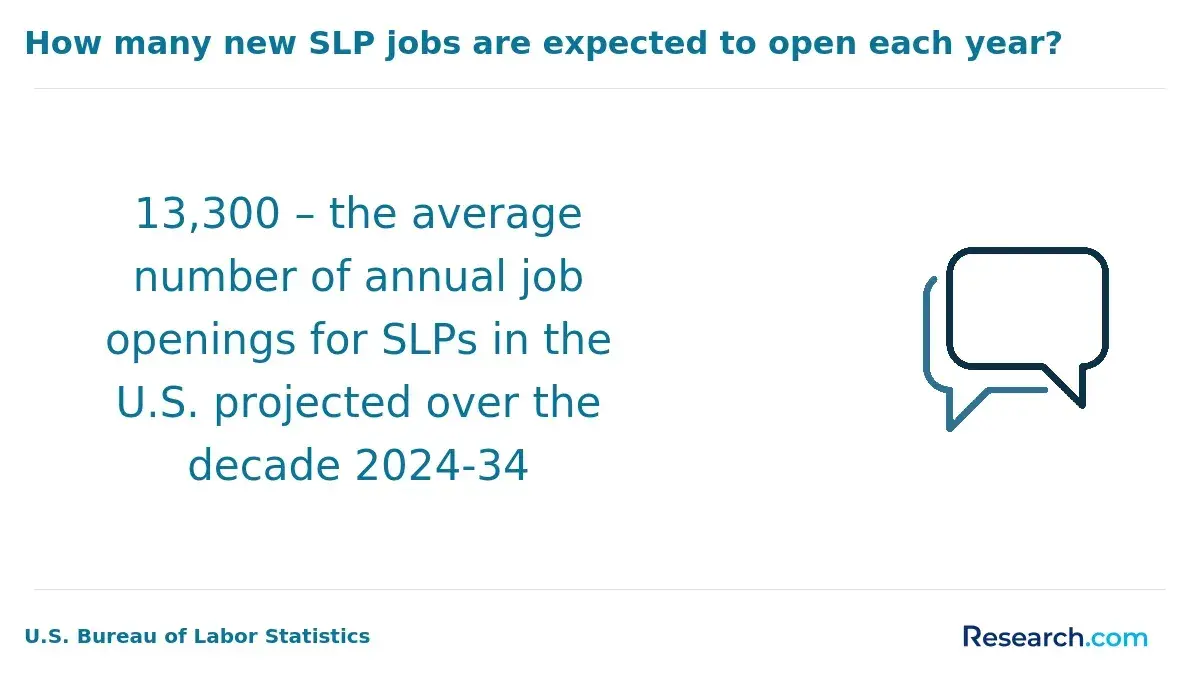
School districts continue to face shortages, and demand for speech-language pathologists is projected to grow 19% this decade. For aspiring school-based clinicians, that creates opportunity—but only for students who complete the right accredited training, supervised clinical hours, and state credentialing steps.
This guide explains how school-based speech pathology online programs work in 2025, what admissions committees look for, which courses and clinical hours are required, how tuition and financial aid may affect your decision, and what to expect after graduation. It is designed for career changers, education professionals, and future graduate students comparing online pathways into school-based speech-language pathology.
Key Benefits of School-Based Speech Pathology Online Programs
- Eligible for school-based roles such as Speech-Language Pathologist (SLP), early intervention specialist, and communication disorders therapist.
- Earn a median salary of about $89,000 per year, depending on location and school district.
- Flexible online programs let students study from home, finish on their own schedule, and start working sooner in a high-demand role.
What is a school-based speech pathology online program and how does it work?
A school-based speech pathology online program is usually a graduate-level speech-language pathology program that prepares students to assess and treat communication disorders in children and adolescents. Many students find these programs while comparing online SLP master programs, but the key distinction is not simply that courses are online. The program must also prepare students for school-based practice, supervised clinical work, and state licensure requirements.
Online delivery typically covers the academic portion of the degree through live or recorded lectures, discussion boards, virtual case studies, simulation activities, exams, and faculty feedback. Students study how children develop speech, language, fluency, voice, literacy, social communication, and swallowing skills, then learn how to evaluate and support students with communication needs in educational settings.
Although the coursework is remote, the clinical training is not optional. Students complete supervised practicum experiences, often in or near their local communities, including school placements when available. This makes the format hybrid in practice: academic learning happens online, while hands-on clinical skill development takes place under qualified supervision.
For school-based work, strong programs help students understand how speech-language pathology fits into the education system. That includes documentation, Individualized Education Program planning, collaboration with teachers and families, eligibility decisions, service delivery models, and therapy tied to educational access. With employment for speech-language pathologists expected to grow 17% by 2035, online programs can offer a practical route into a high-demand profession without requiring students to relocate for every part of their training.
What are the admission requirements for school-based speech pathology online programs?
Admission requirements vary by institution, but most school-based speech pathology online programs expect applicants to show academic readiness, communication-related preparation, and a clear understanding of the profession. A bachelor’s degree is typically required, along with prerequisite coursework in communication sciences and disorders or related foundational subjects.
Common requirements include a minimum 3.0 GPA, official transcripts, recommendation letters, a personal statement, and a résumé. Some programs also request GRE scores, while others make the GRE optional or do not require it. Applicants often begin exploring the field after comparing career outcomes and researching how much does a speech therapist make, but admissions committees usually want more than salary interest—they look for evidence of commitment to working with clients, students, families, and educational teams.
Some applicants complete 25 observation hours before applying, especially when they are entering from another field. Observation experience can help applicants write a more specific personal statement and confirm that they understand the day-to-day responsibilities of speech-language pathologists.
Applicants without a communication sciences background may still qualify, but they often need leveling or prerequisite courses before starting graduate-level clinical coursework. These courses may cover phonetics, anatomy and physiology of speech and hearing, language development, audiology, and speech and language disorders.
Because acceptance rates for SLP programs are often below 40%, applicants should treat the process as competitive. A stronger application usually connects academic performance, relevant experience, professional goals, and readiness for online learning. Good references should come from faculty, supervisors, or professionals who can speak directly to the applicant’s communication skills, reliability, judgment, and ability to work with children or clients.
What classes are required in school-based speech pathology online programs?
Required courses in school-based speech pathology online programs cover the science of communication, the identification of disorders, and evidence-based intervention for children and adolescents. The strongest programs connect clinical theory to real school scenarios, such as supporting a student’s classroom participation, helping a child meet IEP goals, or adapting therapy for multilingual learners and students with disabilities.
Common required classes include speech sound disorders, child language disorders, fluency disorders, voice disorders, augmentative and alternative communication, autism-focused communication support, assessment methods, dysphagia, counseling, research methods, and professional ethics. Some accelerated speech language pathology programs compress the academic schedule for students who want a faster route, but students should make sure an accelerated pace still allows enough time for clinical readiness and licensure preparation.
Coursework also emphasizes clinical decision-making. Students learn how to choose assessments, interpret results, write measurable goals, document progress, and adjust treatment based on response. For school-based SLPs, these skills matter because therapy is tied not only to diagnosis but also to educational impact.
With 1 in 12 children affected by a communication disorder, programs must prepare future clinicians to work with a wide range of needs. That includes articulation, phonology, receptive and expressive language, social communication, stuttering, literacy-related language difficulties, and communication support for students who use AAC.
Students must also complete 400 supervised clinical hours to meet ASHA requirements. These hours are where academic knowledge becomes practice. During clinical training, students observe, evaluate, plan, deliver therapy, receive feedback, and gradually take on more responsibility under supervision.
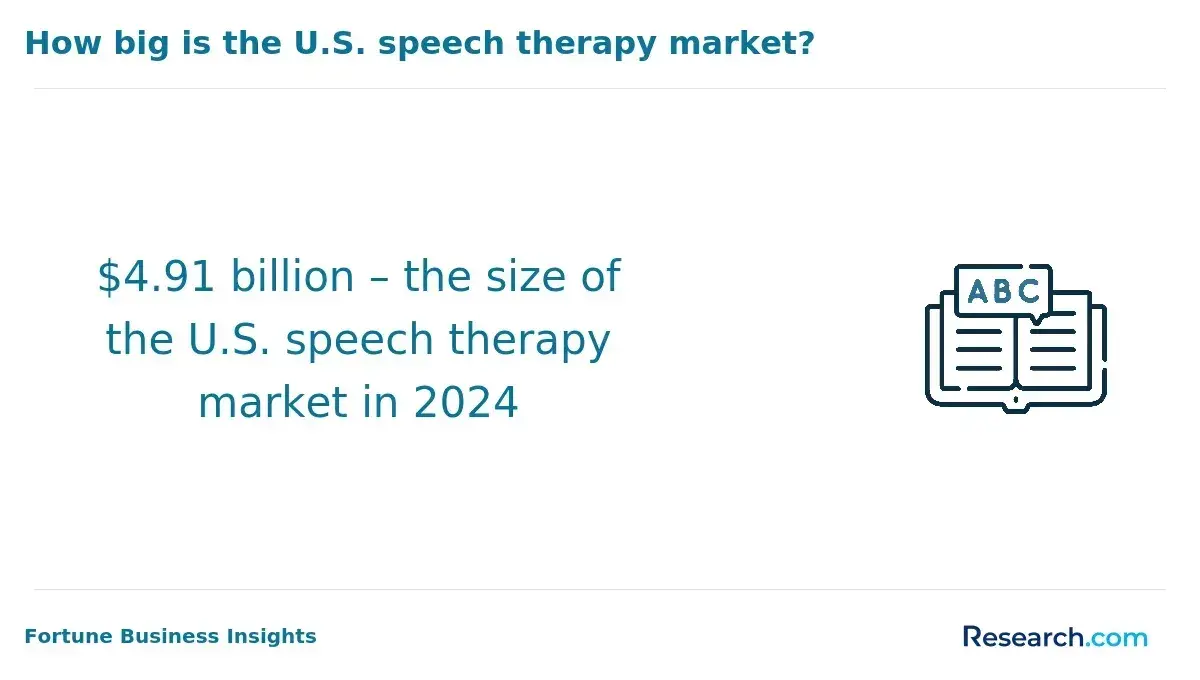
The average tuition for online speech pathology programs ranges from $30,000 to $70,000, depending on the institution, residency rules, credit requirements, and fee structure. Online programs may lower total cost by reducing relocation, commuting, housing, and campus-related expenses, but they are not automatically inexpensive. Students should compare the full cost of attendance rather than tuition alone.
Important costs to review include tuition per credit, university fees, online learning fees, clinical placement fees, background checks, immunizations, liability insurance, textbooks, technology requirements, and travel to practicum sites. Some students also compare the easiest SLP masters to get into, but admissions likelihood should not be the only factor. A program that is easier to enter still needs to meet accreditation, clinical placement, and licensure expectations.
Financial aid can make a meaningful difference. Students may qualify for federal aid, graduate loans, scholarships, assistantships, employer tuition support, or school-based loan forgiveness opportunities. Those planning to work in public schools should ask each program whether graduates commonly pursue school-based aid or service-based repayment options.
When evaluating return on investment, compare cost with licensure alignment, placement support, graduation timeline, and local hiring demand. School-based SLPs can earn competitive salaries, but borrowing heavily for a program that does not support timely clinical placements or state requirements can delay employment and increase financial pressure.
To work as a school-based speech-language pathologist, graduates generally need state licensure and must meet any education-specific credentialing requirements for the state where they plan to work. Many employers also require or strongly prefer the ASHA Certificate of Clinical Competence, known as the CCC-SLP.
The usual pathway includes graduating from an accredited master’s program, completing 400 clinical hours, passing the Praxis exam, and finishing a supervised fellowship year. These steps are designed to show that the clinician has completed graduate preparation, gained supervised experience, and met professional standards for independent practice.
Requirements are not identical in every state. Some states require a teaching credential, school services credential, education department approval, or a separate authorization for working in public schools. Others distinguish between clinical licensure and school-based employment eligibility. Students should check both the state licensure board and the state education department before enrolling, especially if they live in one state but plan to complete an online program based in another.
Before choosing a program, ask whether it is accredited, whether it meets requirements in your intended state, how it supports Praxis preparation, and how it handles school placements. With more than half of U.S. school districts reporting SLP shortages, properly credentialed graduates may find strong hiring potential—but only if their education and supervised experience match state and employer requirements.
A school-based speech pathology degree primarily prepares graduates to work as speech-language pathologists serving children and adolescents. The most direct path is employment in public schools, private schools, charter schools, preschool programs, and district-based special education departments.
School-based SLPs evaluate students, provide therapy, participate in IEP meetings, consult with teachers, document progress, and collaborate with families and related service providers. Their work may involve articulation, language, fluency, voice, social communication, AAC, and support for students with complex disabilities.
Graduates may also work in early intervention programs, pediatric clinics, teletherapy roles, or specialized programs serving school-aged children. With additional experience, some clinicians move into district lead SLP positions, supervision, program coordination, assistive technology support, or special education leadership roles.
Because SLP employment is projected to grow 17% by 2035, graduates enter a field with multiple employment pathways. The best fit depends on preferred caseload, schedule, level of collaboration, documentation demands, and interest in school systems versus clinical or telepractice environments.
School-based SLPs earn a median salary of about $84,000 per year, though actual pay depends on location, experience, degree level, district salary schedules, contract length, and local demand. Some districts also offer additional stipends for hard-to-staff positions.
Compensation in schools can look different from compensation in medical or private practice settings. School-based roles may offer predictable calendars, retirement plans, health insurance, paid breaks, union-negotiated salary steps, and public-sector benefits. However, caseload size, paperwork, IEP meetings, and district staffing levels can affect workload.
In shortage areas, districts may use signing bonuses, loan-forgiveness incentives, or other recruitment tools. Applicants should compare the full compensation package rather than focusing only on base salary. Benefits, pension contributions, paid time off, contract days, and opportunities for extra-duty pay can significantly affect total value.
For many clinicians, school-based speech pathology offers a combination of stable employment, meaningful work with children, and a structured schedule. It can be a strong fit for professionals who want long-term growth in education-based services.
Most students finish a school-based online speech pathology degree in 2–3 years, depending on enrollment status, prerequisite needs, clinical placement timing, and program structure. Full-time students typically move faster, while part-time students may need more time but gain flexibility for work and family responsibilities.
The timeline can be longer for students who need leveling coursework before entering the graduate sequence. It can also vary based on how quickly the program can secure appropriate practicum sites and supervisors. Clinical placements are a major scheduling factor because students must be available for supervised experiences, often during school hours.
After graduation, students complete a supervised fellowship year before full certification. This means the degree itself is only one phase of the professional pathway. Students should plan for graduate coursework, clinical hours, the Praxis exam, fellowship requirements, and state credentialing steps.
The online format can make the academic portion more flexible, but it does not remove the time required for clinical competence. A realistic timeline helps students avoid underestimating the commitment and allows them to plan finances, employment, childcare, and practicum availability before starting.
Online speech pathology programs typically coordinate supervised practicum hours through approved sites near the student, including local schools when school-based training is required or available. These placements allow students to apply online coursework in real educational environments while working under a licensed and qualified supervisor.
ASHA requires 400 clinical hours, and school-based placements may include experience with evaluations, therapy sessions, progress monitoring, IEP-related goals, consultation, and documentation. Students may work with individuals, small groups, or classroom-based service models depending on the site and supervisor.
Practicum planning is one of the most important questions to ask before enrolling. Students should find out whether the program finds placements, whether students must help identify sites, how far they may need to travel, and whether the program has existing relationships with school districts in their state or region.
Some programs allow limited teletherapy hours to reflect growing virtual service models in schools. Even then, students should expect substantial supervised practice with real clients or students. The goal is not only to complete hours, but to develop clinical judgment, professional communication, ethical documentation habits, and confidence working within school systems.
What are the advantages of an online school-based speech pathology program?
The main advantages of an online school-based speech pathology program are flexibility, geographic access, and the ability to complete graduate coursework without relocating. This can be especially valuable for working adults, parents, rural students, career changers, and education professionals who cannot move to attend a campus program.
Online programs can also expand access to accredited schools nationwide. Students may compare more options, including programs with different tuition structures, part-time formats, and clinical support models. When properly accredited and aligned with state requirements, online programs can lead to the same licensure eligibility as campus-based programs.
The format is not the right fit for everyone. Online students need strong time management, comfort with technology, reliable internet, and the ability to stay engaged without daily in-person campus structure. They must also be prepared for in-person practicum requirements, which may require daytime availability and travel to school sites.
For students who choose carefully, the online pathway can be a practical way to enter a field where millions of students need speech services. The best programs combine flexible coursework with rigorous clinical preparation, transparent licensure guidance, and dependable practicum support.
- U.S. Bureau of Labor Statistics - Speech-Language Pathologists https://www.bls.gov/ooh/healthcare/speech-language-pathologists.htm
- ASHA EdFind - Accredited Speech-Language Pathology Programs https://find.asha.org/ed/
- ETS Praxis - Speech-Language Pathology (5331) https://praxis.ets.org/test/speech-language-pathology-5331.html
- Pepperdine University - Master of Science in Speech-Language Pathology https://healthscience.pepperdine.edu/online-masters-in-speech-language-pathology/
- Ithaca College - Online Master of Science in Speech-Language Pathology https://slponline.ithaca.edu/programs/masters-speech-language-pathology-online
- California State University-Northridge - Master of Science in Communicative Disorders (Online) https://tsengcollege.csun.edu/programs/CDS
- University of Nebraska at Kearney - Speech-Language Pathology, Master of Science in Education (Online Track) https://www.unk.edu/online/degrees-programs/speech-language-pathology-online.php
- University of Wisconsin-Eau Claire - Master of Science in Speech-Language Pathology (Online) https://www.uwec.edu/speech-language-and-hearing-sciences-department/graduate-program/speech-language-pathology-online