2027 Scholarships for First-Generation Speech Pathology Graduate Students

Co-Founder and Chief Data Scientist

Reviewed by Rhea Paul, PhD
SLP Education & Research Expert
First-generation graduate students often face financial barriers when pursuing advanced degrees in speech pathology. Limited access to familial resources and unfamiliarity with graduate funding options can delay or prevent enrollment.
Many find balancing work, studies, and expenses overwhelming without targeted support. This challenge is particularly acute for those transitioning from unrelated undergraduate fields, seeking accredited and flexible programs.
The article outlines available scholarships tailored to first-generation speech pathology graduate students, highlighting opportunities that can ease financial burdens and support successful career shifts in this growing healthcare sector.
Key Things You Should Know
- In 2026, numerous scholarships specifically support first-generation speech pathology graduate students, aiming to reduce financial barriers and increase diversity in the profession.
- Federal and private scholarships combined can cover up to 70% of tuition costs, with some awards emphasizing applicants from underrepresented backgrounds.
- Recent data shows speech pathology programs report a 15% rise in first-generation graduate enrollment due to enhanced scholarship availability since 2024.
What scholarships exist for first-generation speech pathology grad students?
Several scholarships are designed to support first-generation speech pathology graduate students, addressing the financial disparities this group faces.
Despite comprising 56% of U.S. graduate students in health professions in 2025, first-generation students received 20% less financial aid on average than their continuing-generation peers (National Center for Education Statistics, 2025 Graduate Enrollment Report). These targeted scholarships help close that gap by providing dedicated financial resources.
Key opportunities include awards from the American Speech-Language-Hearing Foundation (ASHFoundation), which emphasizes economic need and diversity. Their Student Leadership Award prioritizes first-generation students showing leadership potential.
State speech pathology associations, like the California Speech-Language-Hearing Association, also offer scholarships recognizing academic merit and financial hardship among first-generation candidates. Universities with speech pathology programs often have internal scholarships to support these students; contacting financial aid offices is essential for discovery.
Federal Pell Grants and state educational grants complement private scholarships, expanding financial aid options for first-generation speech pathology master's candidates. Diversity scholarships from general health and education foundations may also be valuable.
Prospective applicants should prepare early, highlighting their financial need, academic performance, and commitment to speech pathology careers. For those exploring cost-effective routes, consider researching SLP grad school online, which can provide flexible and affordable educational pathways for graduate students in speech pathology.
Who qualifies as a first-generation student for speech pathology scholarships?
A first-generation student eligibility for speech pathology scholarships typically applies to individuals whose parents or legal guardians have not earned a four-year college degree. This usually means applicants with parents holding only a high school diploma or less qualify. Verification often occurs through FAFSA forms, college application essays, or specific documentation requirements.
The criteria for qualifying as a first-generation speech pathology graduate student can vary. Some scholarships may include applicants whose parents attended college without graduating, while others require both parents to lack a bachelor's degree.
Additionally, certain programs consider household education levels, which accommodates diverse family structures such as single-parent homes or guardianship by non-parent adults. Applicants should carefully review each scholarship's definition of first-generation and present clear evidence, such as parental education records or affidavits.
Programs emphasizing speech pathology aim to support diversity in a field expected to grow substantially, with the U.S. Bureau of Labor Statistics predicting a 19% job increase from 2024 to 2034, driven by aging populations and children with developmental disorders.
Meeting first-generation criteria often boosts competitiveness for scholarships addressing financial and cultural challenges. Candidates are advised to emphasize their unique circumstances and educational goals in applications to improve their chances.
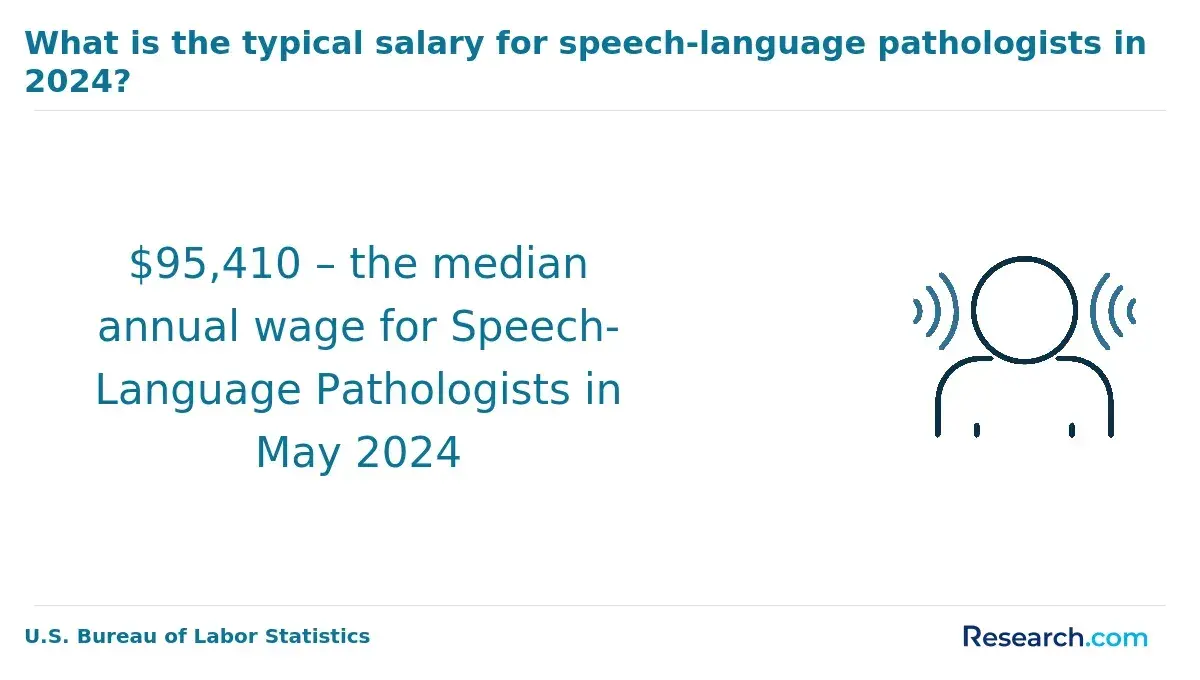
For those exploring this career, understanding how much does a speech therapist make can also be a crucial factor in planning their future path.
How do I apply for speech pathology scholarships as a first-gen student?
To apply for speech pathology scholarships as a first-generation student, start by researching awards that specifically target this group.
Many universities and organizations consider first-generation status, academic performance, and financial need. Check resources such as your school's financial aid office, the American Speech-Language-Hearing Association (ASHA), and dedicated scholarship search platforms. Applying early is essential since deadlines often come months before the academic year begins.
Key documents to prepare include transcripts, proof of first-generation status, letters of recommendation, and a personal statement that highlights your challenges and motivation.
First-generation students often face approximately 15% higher net costs after aid due to lower family wealth, with average tuition for master's programs reaching $45,200 (ASHA, 2025 Cost of Education Survey). Combining applications with scholarships for underrepresented minorities or general graduate awards can increase your chances.
Speech pathology scholarship application tips for first-gen graduate students include:
- Contacting university programs for institution-specific awards
- Using FAFSA to access federal aid and state grants
- Applying for scholarships from professional associations or local nonprofits
- Preparing for interviews or additional essays if requested
Maintain a calendar to manage deadlines and tailor each application to highlight how your background aligns with scholarship criteria. Consider exploring accelerated speech pathology programs online to complement your funding and education journey.
The top accredited speech pathology graduate programs in the US offer rigorous curricula, strong clinical training, and accreditation by the Council on Academic Accreditation in Audiology and Speech-Language Pathology (CAA).
Leading schools such as Northwestern University, University of Washington, and Vanderbilt University provide comprehensive research opportunities, diverse practicum settings, and high certification exam pass rates. These programs are known as some of the best graduate schools for speech pathology degrees.
Northwestern University emphasizes a strong scientific foundation combined with clinical excellence. University of Washington focuses on interdisciplinary approaches, especially neurogenic communication disorders, while Vanderbilt University offers specialized tracks like pediatric and adult speech-language pathology to support specific career pathways. Each maintains full accreditation and employs faculty actively engaged in research and clinical practice.
Prospective students, including many first-generation graduate students, should seek programs with robust financial aid and mentorship to boost completion rates. State universities such as the University of Texas at Austin and University of Minnesota also provide accredited programs with lower tuition and extensive alumni networks.
For those considering flexible options, there are reputable online SLP programs worth exploring. According to Georgetown University Center on Education and the Workforce's 2025 ROI Report, speech-language pathology master's graduates achieve a 245% return on investment within 10 years after graduation.
This return places the degree among the top 20% of graduate programs for lifetime earnings, highlighting the importance of choosing a top-tier accredited program to ensure eligibility for national certification and state licensure.
Graduate programs in speech pathology typically require a bachelor's degree from an accredited institution, often emphasizing communication sciences and disorders or a related area.
Most programs expect a minimum GPA around 3.0 on a 4.0 scale. However, competitive programs may set higher standards. GRE score submissions vary, with some programs waiving this requirement.
Applicants usually must provide letters of recommendation that reflect academic strengths and interpersonal skills, along with a statement of purpose outlining career goals in speech pathology. Relevant clinical or volunteer experience, such as work with individuals facing communication challenges in healthcare or community settings, is often mandatory.
International candidates may need to submit TOEFL or IELTS scores to verify English proficiency. Additional prerequisites can include background checks, immunization records for clinical placements, interviews, either virtual or in-person, and official transcripts sent directly from prior institutions.
According to the ASHFoundation Annual Report, 2025, targeted scholarships are making a significant impact. The foundation awarded $1.2 million to 250 communication sciences and disorders graduate students, with a 28% increase in first-generation recipients due to outreach efforts. This support fosters diversity by assisting applicants with varied academic backgrounds who demonstrate strong dedication to the field.
Online and campus speech pathology programs offer unique benefits that impact first-generation graduate students' access and educational experience. Online formats provide crucial flexibility for those balancing work, family, or limited relocation options.
They reduce commuting expenses and allow enrollment for students in underserved or rural areas without disrupting their lives. Campus programs, on the other hand, emphasize face-to-face interaction with faculty and peers, offering mentorship and hands-on training within labs and clinical settings-an essential factor for mastering practical skills.
Both delivery modes require clinical practicum hours, but campus students often complete these on-site, while online students must secure local placements. This extra effort can expand regional networks, although verifying compliance with state licensure and clinical standards is critical.
Financial support varies as well. According to the 2025 Funding Summary from the Council of State and Territorial Association Presidents in Communication Sciences and Disorders, 142 scholarships totaling $450,000 were awarded nationally, largely favoring first-generation students in states like Iowa and Kentucky, where enrollment increased by 12%.
Many scholarships prefer campus or hybrid attendance, but funding options are increasingly opening to online learners. First-generation students should consider their ability to arrange local clinical experiences, the value of in-person mentorship, and scholarship restrictions. Early advisor engagement helps navigate certification and financial aid requirements effectively.
Master's programs in speech pathology blend coursework, clinical practica, and research to build comprehensive skills.
Key subjects include anatomy and physiology of speech and hearing, neuroanatomy, language development, speech sound and swallowing disorders, and audiology. Students gain experience with both pediatric and adult populations, preparing them for varied clinical environments.
Typical programs require about 60 graduate credit hours over two to three years, emphasizing evidence-based practice to assess and treat communication disorders based on current research. Interdisciplinary collaboration with psychology, education, and neurology often enhances learning.
Clinical training is crucial, with most programs mandating at least 400 supervised practicum hours, including a minimum of 25 direct client contact hours required for American Speech-Language-Hearing Association (ASHA) certification. Practical experience spans hospitals, schools, and rehab centers, exposing students to diverse clients and communication challenges.
Many programs also require a thesis or capstone project on research methodology. Electives may cover augmentative and alternative communication, cognitive-communication disorders, or voice therapy.
Scholarships targeting first-generation and underrepresented students improve clinical opportunities and outcomes. ASHA's Diversity in Professions Report highlights that minority first-generation students earned median starting salaries of $82,500, an 8% increase over peers, linked to scholarship-supported clinical placements, reflecting the impact of targeted funding.
Graduates in speech pathology have diverse career opportunities across clinical, educational, research, and administrative fields.
Many become licensed speech-language pathologists (SLPs) working in healthcare environments like hospitals, rehabilitation centers, and outpatient clinics. Their focus is on assessing, diagnosing, and treating speech, language, and swallowing disorders in children, adults, and elderly patients.
Employment in educational settings is common, where SLPs support students with communication difficulties in public and private schools. They collaborate with teachers and families to promote language development and academic success. Pediatric therapy roles are also available in early intervention programs and specialized clinics.
Research and academic positions are expanding, especially for graduates who secure funding. Those obtaining research grants have a 35% higher publication rate, enhancing opportunities in university research centers and federally funded projects. Increased investment in pediatric language studies signals growing prospects in this sector.
Other career paths include telepractice, healthcare administration, and consultative roles in augmentative and alternative communication technologies. Corporate roles focus on communication training or rehabilitation for employees with neurological challenges.
Advancement often involves clinical specialization, board certification, or advanced research credentials, underscoring the importance of continuous professional development to meet evolving standards.
Speech pathology graduates face strong job prospects with a 92% employment rate within six months for first-generation professionals, according to the ASHA Member Salary Report 2025.
Demand remains high due to pediatric service shortages and growing needs in schools and healthcare. Median salaries for school-based speech-language pathologists reached $88,000 in 2025, reflecting their crucial role in early intervention and education.
Salaries vary by work setting:
- School districts typically offer $80,000 to $90,000 annually, plus benefits linked to education and experience.
- Healthcare facilities such as hospitals begin around $75,000, increasing to $95,000 for experienced clinicians.
- Private practice and outpatient roles can exceed $100,000 depending on client load and specialization.
Geographic location significantly impacts salary and job availability. Urban and suburban areas generally provide more opportunities and higher pay, while telepractice options continue to expand in rural regions.
Certifications in specialty areas like autism spectrum disorder or swallowing disorders enhance employability and earning potential. Reliable data from ASHA helps first-generation students plan careers strategically by aligning specialization, location, and work setting with job market trends.
What licensing and certification are required for speech pathologists?
Licensure for speech pathologists in the U.S. includes earning a master's degree, obtaining the Certificate of Clinical Competence in Speech-Language Pathology (CCC-SLP) from ASHA, and passing the Praxis exam.
The CCC-SLP credential is often mandatory, demonstrating clinical competence. After academic training, candidates complete a clinical fellowship year (CFY) involving 36 weeks of supervised full-time practice. This experience is crucial for full state licensure.
Many states require continuing education credits for license renewal to ensure practitioners stay updated with evolving clinical methods. Speech pathologists working in schools may need additional certification from their state's Department of Education. Healthcare settings often prefer or mandate specialty certifications, such as pediatric speech pathology or bilingual service delivery.
Given a projected 17% shortfall in bilingual speech pathologists by 2035, those with language proficiency have a competitive advantage, including an average salary premium of $10,000 for first-generation graduates supported by targeted scholarships (ASHA Strategic Plan for Workforce Diversity, 2025).
Early application for the CCC-SLP, Praxis preparation, and pursuit of bilingual or specialty credentials improve job prospects and earning potential. This information is important for prospective students to plan their education and career paths strategically in a competitive speech pathology job market.
Other Things You Should Know About Speech Pathology
Applicants must be first-generation college students, enrolled in a graduate program for speech pathology in 2027. They should demonstrate academic excellence and financial need. Some scholarships may also require a personal statement and letters of recommendation.
Yes, speech pathologists work in diverse environments beyond healthcare facilities. Many are employed in schools, assisting children with speech and language delays. Others find roles in research, rehabilitation centers, or private practice, focusing on areas like voice therapy or cognitive-communication disorders.
Yes, if the scholarship terms allow educational expenses beyond tuition, funds may cover travel for required clinical placements, practicum supervision, or externships. Applicants should check whether the award excludes personal commuting, housing, or licensing costs and confirm reimbursement rules before accepting the scholarship.
Speech pathologists frequently utilize specialized software and apps to support therapy sessions, including programs for speech sound production and language development. Augmentative and alternative communication (AAC) devices help clients with severe speech impairments communicate effectively. Technology integration improves client engagement and progress tracking.
- U.S. Bureau of Labor Statistics - Speech-Language Pathologists https://www.bls.gov/ooh/healthcare/speech-language-pathologists.htm
- ASHA EdFind - Accredited Speech-Language Pathology Programs https://find.asha.org/ed/
- O*NET OnLine - Speech-Language Pathologists https://www.onetonline.org/link/summary/29-1127.00
- University of Scranton - Master of Science (M.S.) in Speech-Language Pathology https://www.scranton.edu/academics/pcps/health-and-human-performance/programs/speech-language-pathology/index.shtml
- West Virginia University - Speech-Language Pathology, M.S. - Online https://medicine.hsc.wvu.edu/communications-sciences-and-disorders/speech-language-pathology-ms/future-students/curriculum/online-slp-program/
- James Madison University - Master of Science (M.S.) in Speech-Language Pathology (Distance Education / Online) https://www.jmu.edu/chbs/csd/online_ms/index.shtml
- California State University-San Marcos - Online MS in Speech-Language Pathology https://www.csusm.edu/slp/programs/mastersonline/index.html
- California State University-East Bay - Online Master of Science in Speech-Language Pathology https://ce.csueastbay.edu/programs/speech-language-pathology/