2027 How to Compare Online SLP Programs for Medical Career Goals

Co-Founder and Chief Data Scientist

Reviewed by Rhea Paul, PhD
SLP Education & Research Expert
Choosing the right online slp program can be overwhelming for professionals seeking a career change in the medical field. The variety of options, varying accreditation statuses, and differences in curriculum intensity complicate decision-making. Many candidates struggle to identify which programs balance flexibility, clinical training, and preparation for certification. This challenge often delays career transitions and wastes valuable time and resources.
This article will explore key factors to evaluate when comparing online slp programs, enabling readers to select programs that align with their goals, schedules, and licensing requirements effectively.
Key Things You Should Know
- Accreditation by ASHA's Council on Academic Accreditation ensures online slp programs meet rigorous standards, influencing career licensure and certification success rates.
- Flexible online formats often combine synchronous and asynchronous learning, supporting working professionals while maintaining clinical practicum requirements essential for state licensure.
- Tuition varies widely; 2024 data shows public online SLP master's programs average $20,000-$40,000, impacting financial planning and student debt considerations.
What Are Online SLP Programs?
Online speech pathology programs in the US offer accredited education combining theoretical coursework with clinical practicum experiences via virtual platforms. These programs serve diverse learners, including recent graduates, career changers, and working professionals seeking to enter or advance in the field. Many programs emphasize foundational topics such as communication science, speech disorders, and therapy techniques.
Programs focusing on accredited online speech pathology programs for medical careers are especially valuable given that in 2025, 41% of speech-language pathologists were employed in hospitals, skilled nursing facilities, and related healthcare environments. This clinical focus includes essential training in dysphagia, neurogenic communication disorders, and rehabilitation protocols.
Students should verify program accreditation by the Council on Academic Accreditation in Audiology and Speech-Language Pathology (CAA) to ensure eligibility for the certification exam (CCC-SLP). Delivery formats vary; some require on-site clinical placements, while others offer remote supervision options to accommodate geographic and work constraints.
When comparing programs, evaluate clinical hour opportunities, faculty expertise in medical speech pathology, and telepractice training-an increasingly common approach in healthcare settings. For information on affordable options, prospective students may find resources on masters in speech pathology online useful for decision-making.
How to Verify SLP Program Accreditation?
Verifying accredited speech pathology programs online starts with consulting the Council for Academic Accreditation in Audiology and Speech-Language Pathology (CAA), the nationally recognized body ensuring program quality. Checking the CAA's official website for an updated list helps confirm that a program meets professional standards. Many universities display their accreditation, but relying solely on their information may lead to errors, so direct verification through CAA remains essential.
Best ways to confirm program accreditation for speech pathology careers include contacting admissions offices for program status updates and understanding the difference between full and preliminary accreditation. Regionally accredited institutions offering non-CAA-accredited degrees may restrict eligibility for state licensure or certification, so it's crucial to clarify this before enrolling.
CAA-accredited programs have demonstrated strong outcomes, with a reported 97% Praxis exam pass rate for graduates compared to 89% from non-accredited programs, reflecting better preparation for certification and clinical competence. Accreditation significantly impacts your eligibility, exam success, and career opportunities.
Considering career prospects, knowing the speech therapy salary can be motivating and practical when choosing accredited programs that enhance employability.
What Distinguishes Top Online SLP Programs?
Top online SLP programs distinguish themselves by offering accredited curricula that meet ASHA certification standards and provide flexible clinical placement options, ensuring comprehensive training for medical career advancement. High-quality programs incorporate extensive clinical practicum opportunities, often partnering with diverse medical settings to deliver hands-on experience, especially in areas like dysphagia management, where job postings increased 28% in medical environments between recent years, according to the ASHA Practice Trends Survey.
Key factors that distinguish top online speech pathology programs include faculty expertise and state-specific licensure preparation aligned with professional standards and user goals. Leading programs feature licensed clinicians actively involved in research or clinical practice, ensuring evidence-based instruction. Strong mentorship, career placement services, and outcome tracking-such as graduation and certification exam pass rates-are essential considerations for prospective students.
Flexible schedules combined with synchronous and asynchronous learning formats support working professionals and graduates seeking advancement. Many programs offer specialized tracks or electives in medical speech pathology, pediatric care, or cognitive-communication disorders, allowing students to tailor their studies. Access to advanced technologies like telepractice platforms and simulation tools further enhances readiness for clinical challenges.
Prospective students interested in accelerated degrees will find options such as the accelerated speech-language pathology program valuable for efficient advancement in this field.
Online speech pathology programs vs campus programs benefits often hinge on format and clinical training quality. Online programs offer flexibility for professionals balancing work or geographic limits, enabling coursework to be completed remotely. However, clinical practica and externships must be locally arranged, leading to variability in quality and availability.
Campus programs typically provide direct access to on-site clinical facilities, ensuring structured hands-on experiences with faculty supervision. These environments promote immediate feedback and collaboration, crucial for skill development. With integrated medical externships, campus students often see higher placement rates in healthcare settings, which aligns with data from the American Speech-Language-Hearing Association showing an 85% employment rate within six months for students completing medical externships.
When considering differences between online and traditional speech pathology education, prospective students should carefully assess how programs facilitate clinical hours needed for state licensure. Online learners must verify partnerships with local clinics or hospitals, as weak externship support may hinder job placement. Other factors include mentorship, cohort interaction, and resource access, typically more robust on campus. Some hybrid programs attempt to combine these benefits with on-campus residencies that complement online coursework.
Those exploring SLP programs online should weigh these elements carefully to ensure practical training quality and positive employment outcomes that match their medical career goals.
Admission to online speech pathology degree programs generally requires a bachelor's degree from an accredited institution, often in communication sciences, health sciences, or a related field. Most programs expect a minimum GPA of about 3.0 to demonstrate preparedness for graduate coursework. Applicants typically need to submit transcripts, letters of recommendation, and a personal statement outlining their career goals and dedication to speech pathology.
Prerequisite courses such as anatomy and physiology, linguistics, psychology, and statistics are often required, though some schools may waive them based on prior coursework or relevant professional experience.
While some programs still require the GRE, many have dropped this policy to improve accessibility. It's important to verify testing requirements with each program directly.
Clinical experience gained through volunteering, internships, or employment in healthcare or speech pathology settings enhances applications. This exposure is especially valuable for hospital roles, where graduates tend to earn higher salaries. According to the ASHA 2025 Salary Report, graduates from programs with faculty holding CCC-SLP and medical certifications earned 15% more, averaging $92,000 in hospital positions.
International applicants usually must demonstrate English proficiency through exams like TOEFL or IELTS and may need credential evaluations. Background checks and immunization records are standard due to clinical placement requirements in medical environments.
Online slp curricula cover essential knowledge and practical skills needed for certification and professional practice. Key subjects include anatomy and physiology of speech and hearing mechanisms, speech and language development, phonetics, and cognitive-communicative disorders. Coursework integrates assessment methods and intervention strategies addressing speech, language, voice, and swallowing disorders across diverse populations.
Telehealth is increasingly integral to clinical practice, with adoption in medical slp rising from 45% to 62%. Programs now emphasize telepractice platforms, remote client engagement, and digital diagnostic tools, including administering standardized tests and customizing therapy via video conferencing.
Fieldwork or clinical practicum components provide hands-on experience, often through placements in healthcare, schools, or telepractice settings under licensed supervision. Students should confirm that programs facilitate quality clinical hours meeting certification standards.
Prospective students should prioritize curricula aligned with the American Speech-Language-Hearing Association's (ASHA) accreditation to ensure thorough preparation. Balancing theoretical knowledge with applied skills-especially in telehealth-is vital for success in evolving medical slp careers.
Online speech pathology programs generally require 2 to 3 years to complete for full-time students, with part-time options extending to 4 years or more. Accredited master's programs typically demand 60 to 75 credit hours, combining coursework with essential clinical practicum experiences for certification.
Program length depends on curriculum and clinical placement availability. Some accelerated tracks enable completion in about 18 months but require intensive schedules and relevant prior experience. Flexible pacing options support students who balance study with employment or family responsibilities.
Clinical practicum hours are a critical component, with the Council on Academic Accreditation (CAA) mandating a minimum of 400 clock hours including graduate practicum and supervised experience. Limited clinical site availability can influence program length.
Tuition for online CAA-accredited programs averages around $85,200. Approximately 70% of students receive scholarships averaging $20,000, which significantly impact overall costs. Prospective students should assess curriculum, clinical scheduling, and support services carefully to align with their time and financial needs.
Key factors to consider include:
- Typical semesters required for graduation
- Flexibility for part-time enrollment
- Availability of clinical practicum sites
- Financial aid options and scholarship opportunities
Being well-informed about these elements helps in planning a successful path toward a career in speech pathology.
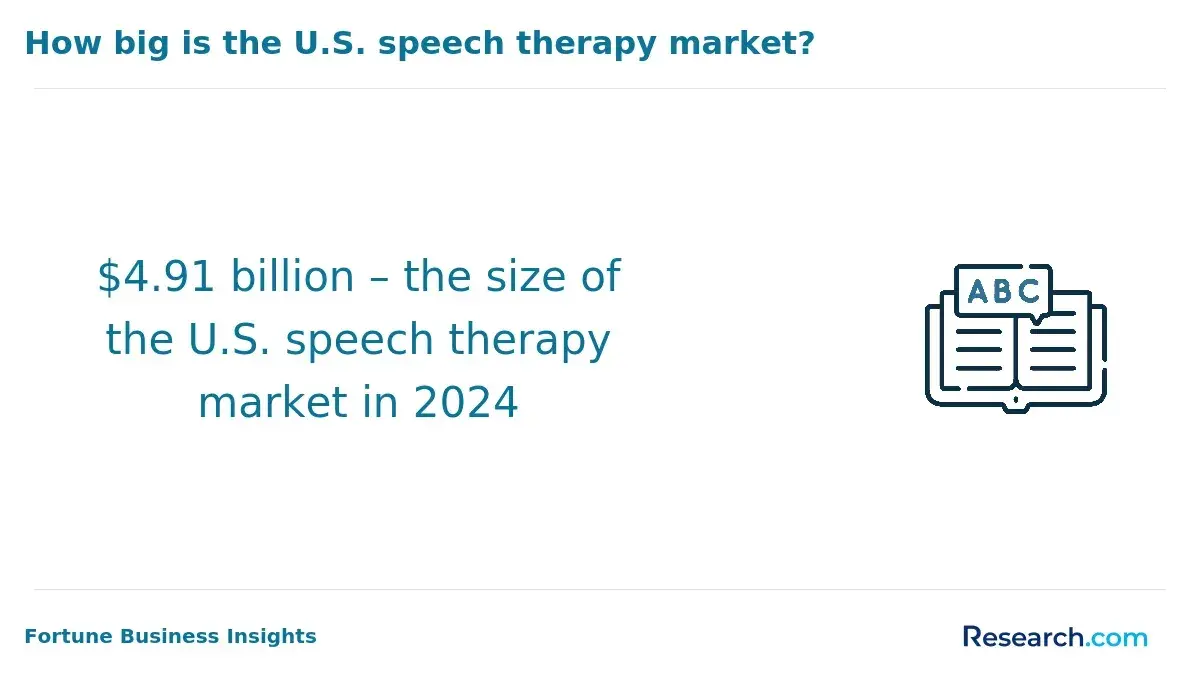
Tuition for online speech pathology programs generally ranges from $25,000 to $70,000, influenced by factors such as institution type, residency status, and delivery format. Public universities often provide more affordable options for in-state students, with costs typically between $25,000 and $40,000. Private institutions usually charge higher tuition, occasionally exceeding $60,000. Additional expenses like technology fees, clinical placement, and materials may add between $2,000 and $5,000 to the total cost.
Graduate certificates or bridge programs offer an alternative for healthcare professionals seeking speech pathology credentials. These options usually cost between $10,000 and $30,000 and focus on targeted skill development with lower financial commitments.
Financial aid availability depends on the program, with some qualifying for federal loans and grants. Scholarships specific to speech pathology students and employer tuition reimbursement programs are valuable resources for reducing overall costs.
Investing in accredited online programs can yield strong returns. According to the Georgetown University Center on Education and the Workforce 2025 ROI Analysis, speech pathology graduates transitioning into medical roles have secured a 250% return on investment within five years and earned median annual salaries of $97,870.
Online SLP degrees equip graduates to work as speech-language pathologists, offering diagnostic and therapeutic services for communication and swallowing disorders. These specialists find employment in hospitals, outpatient clinics, schools, rehabilitation centers, and nursing homes. Career paths include focusing on pediatric speech issues or medical speech pathology, treating impairments from strokes and neurological diseases.
Additional opportunities exist in healthcare administration, research in communication sciences, and academic positions involving teaching or program development. Telepractice has become increasingly popular, allowing SLPs to provide remote therapy aligned with recent advances in technology and shifts in healthcare delivery.
The U.S. Bureau of Labor Statistics projects a 17% growth in medical SLP roles from 2025 to 2035, adding approximately 4,500 jobs per year. This surge is fueled by an aging population and growing incidence of stroke and neurogenic conditions. To optimize career prospects, students should prioritize programs with strong clinical practicum components, ASHA accreditation, and specialization opportunities in medical speech pathology.
When evaluating online programs, consider curriculum focus, clinical training, ASHA accreditation status, and available career support services. These factors play key roles in preparing graduates for certification exams and competitive employment in healthcare settings.
What Is SLP Salary and Job Outlook?
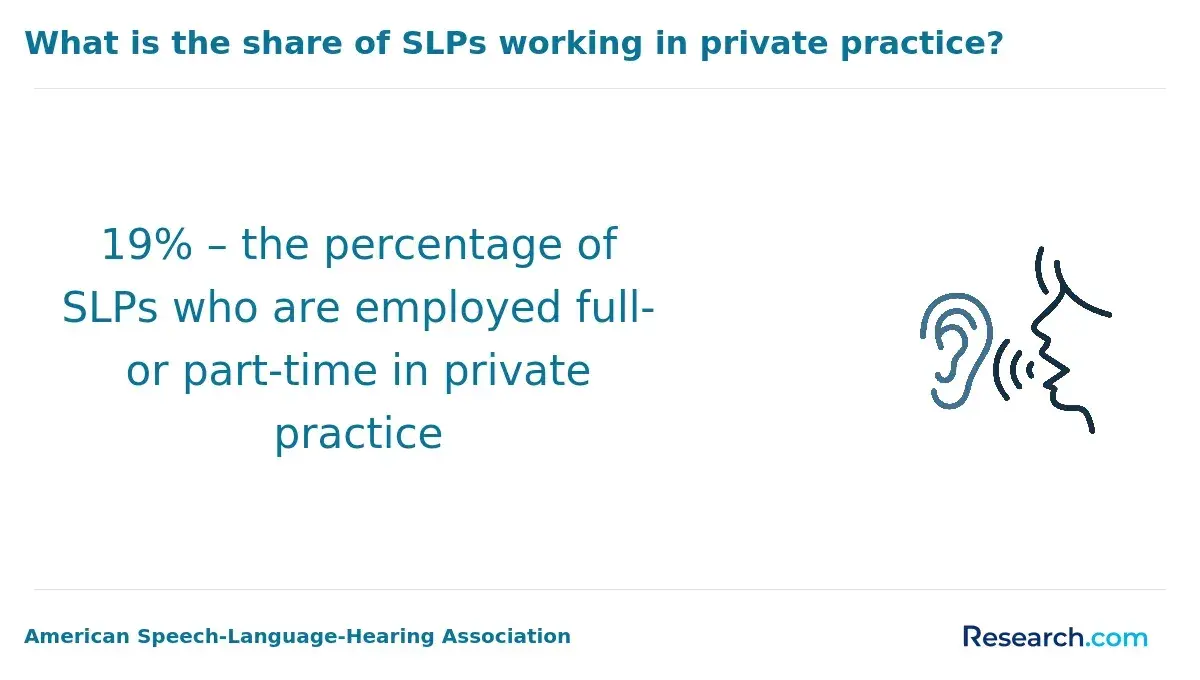
Speech-language pathologists (SLPs) can expect varying salaries based on setting, location, and experience. Entry-level positions typically offer between $60,000 and $75,000 annually, while hospital and specialized medical environments often pay above $80,000 due to higher demand and expertise requirements. Experienced professionals in private practice or administrative roles may earn more than $100,000 yearly. Areas with shortages of healthcare workers tend to provide competitive salaries to attract talent.
The employment outlook for SLPs remains robust. According to the ASHA 2025 Graduate Employment Survey, 98% of online SLP graduates from top programs found jobs within three months, with 52% entering high-demand medical settings like hospitals. Growth for SLP jobs is projected at 17% through 2035, nearly triple the average for all occupations.
Major employers include hospitals, outpatient centers, long-term care facilities, and schools, though school salaries are generally lower than in healthcare. Professionals aiming for higher income and job security should focus on certifications in pediatric feeding or neurogenic communication disorders and build clinical experience in medical contexts.
Other Things You Should Know About Speech Pathology
After completing an accredited speech pathology program, graduates must earn the Certificate of Clinical Competence in Speech-Language Pathology (CCC-SLP) from the American Speech-Language-Hearing Association (ASHA) to practice professionally. This requires completing a supervised clinical fellowship and passing the national Praxis examination. State licensure is also mandatory and varies by location but generally aligns with ASHA certification requirements.
Yes, accredited online speech pathology programs include supervised clinical practicum experiences essential for skill development. These clinical hours are completed in approved settings under qualified mentors to ensure students gain hands-on experience necessary for certification and employment. Online formats typically combine virtual coursework with local clinical placements to meet professional standards.
Medical SLP preparation usually requires at least 400 supervised clinical hours for ASHA certification, with placements in hospitals, rehabilitation centers, or skilled nursing facilities. Compare programs by how many adult medical cases they offer, whether supervisors hold CCC-SLP credentials, and whether hours meet state licensing rules.
Students should evaluate accreditation status, program curriculum, clinical placement opportunities, faculty expertise, and licensure requirements. Adjusting these factors to their career goals ensures the program supports desired specializations and fulfills state licensure prerequisites.
- U.S. Bureau of Labor Statistics - Speech-Language Pathologists https://www.bls.gov/ooh/healthcare/speech-language-pathologists.htm
- ASHA EdFind - Accredited Speech-Language Pathology Programs https://find.asha.org/ed/
- O*NET OnLine - Speech-Language Pathologists https://www.onetonline.org/link/summary/29-1127.00
- University of North Carolina at Greensboro - Speech-Language Pathology, M.A. (Online) https://csd.uncg.edu/graduate/masters-of-arts-online/
- Maryville University - Master of Science in Speech-Language Pathology https://www.maryville.edu/masters/speech-language-pathology/
- California State University-East Bay - Online Master of Science in Speech-Language Pathology https://ce.csueastbay.edu/programs/speech-language-pathology/
- Emerson College - Master of Science (M.S.) in Communication Disorders (Speech@Emerson, online) https://speech.emerson.edu/
- Auburn University, Montgomery - Master of Science in Speech-Language Pathology https://www.aum.edu/degree/ms-speech-language-pathology/