2027 Speech Pathology vs Communication Disorders Degrees Compared

Co-Founder and Chief Data Scientist

Reviewed by Rhea Paul, PhD
SLP Education & Research Expert
Choosing between speech-language pathology and communication disorders is really a choice between two related but different academic routes: one usually leads toward licensed clinical practice, while the other often provides the undergraduate foundation for graduate study, support roles, research, or related education careers. The terms are sometimes used loosely by colleges, so students need to look beyond the program title and examine degree level, accreditation, clinical training, and licensure outcomes.
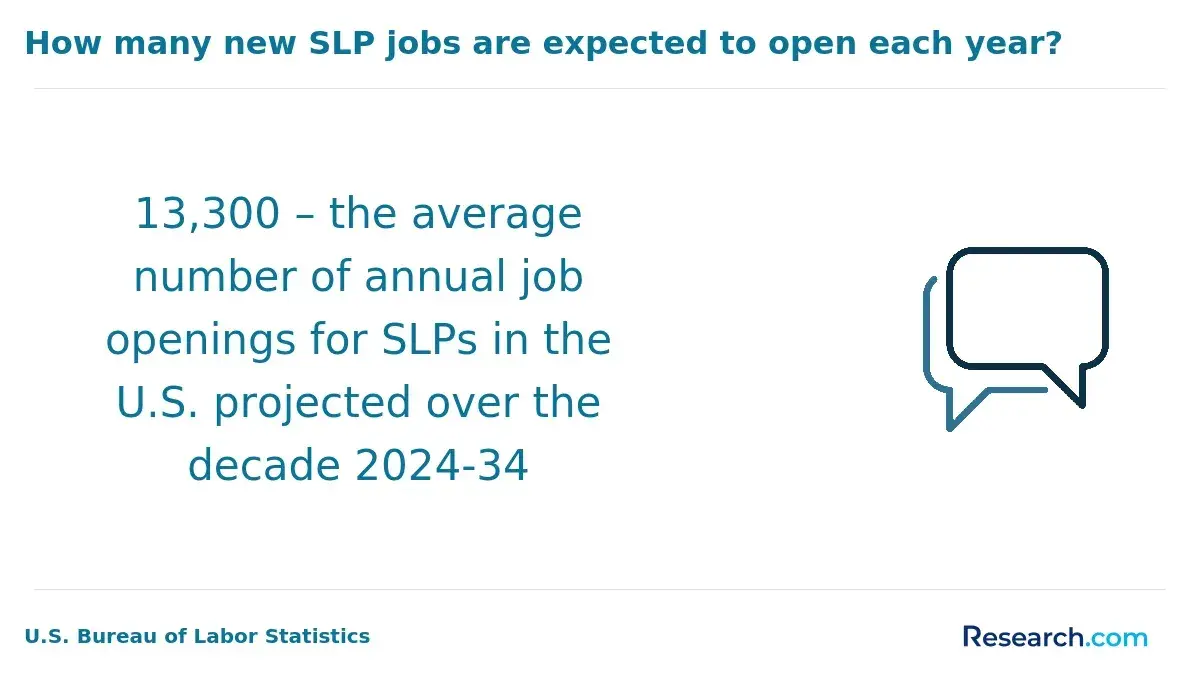
The distinction matters because the job market for licensed speech-language pathologists is strong. According to the U.S. Bureau of Labor Statistics, employment of speech-language pathologists is projected to grow 17% from 2025 to 2035, much faster than the national average. However, not every communication-related degree qualifies a graduate to diagnose or treat clients independently.
This guide explains how speech pathology and communication disorders degrees differ in curriculum, admissions, program format, clinical experience, career options, salary expectations, and graduate study requirements, so you can choose the path that matches your goals in 2025.
Key Things You Should Know About Speech Pathology VS Communication Disorders Degrees
- Speech pathology prepares students for clinical licensure and direct patient care, while communication disorders programs emphasize theory and research in communication sciences.
- The median annual wage for speech-language pathologists is $97,870, while communication disorders graduates earn around $62,900–$134,160 in support roles.
- Both fields are growing due to demand for early intervention and aging populations, but only SLPs can provide independent therapy.
What makes speech pathology and communication disorders degrees different from each other?
Speech pathology and communication disorders degrees overlap in subject matter, but they are not interchangeable. Both examine how people speak, hear, understand language, and communicate. The key difference is professional purpose: speech-language pathology is the clinical route, while communication disorders is usually a broader academic foundation in communication sciences.
Speech pathology: the clinical route
A speech-language pathology degree is designed for students who want to assess, diagnose, and treat speech, language, voice, fluency, cognitive-communication, and swallowing disorders. At the professional level, this path typically requires graduate study, supervised clinical experience, state licensure, and certification by the American Speech-Language-Hearing Association (ASHA).
Students on this route prepare for direct work with clients in schools, hospitals, rehabilitation centers, private practices, early intervention programs, long-term care settings, and telepractice environments. The training is more practice-based because licensed speech-language pathologists are responsible for evaluating needs, developing treatment plans, documenting progress, and collaborating with families, teachers, physicians, and other professionals.
Communication disorders: the academic foundation
A communication disorders degree is often offered at the bachelor’s level and focuses on the science of speech, language, hearing, cognition, and communication development. It introduces students to the biological, psychological, linguistic, and social factors that shape communication across the lifespan.
This degree can be valuable for students who want to enter graduate school in speech-language pathology, audiology, education, psychology, linguistics, or related fields. It may also support entry-level roles such as speech-language pathology assistant positions where permitted by state rules, research support roles, or educational support positions.
The simplest way to compare them
| Feature | Speech Pathology | Communication Disorders |
| Main purpose | Prepare for clinical assessment and treatment | Build foundational knowledge of communication sciences |
| Typical degree level | Often graduate-level for professional practice | Often undergraduate-level |
| Clinical focus | High, with supervised practicum requirements | Limited or introductory, often observation-based |
| Common next step | Licensure, certification, and clinical employment | Graduate school, assistant roles, research, or education-related work |
In practical terms, communication disorders can be the starting point, while speech-language pathology is the professional clinical pathway for students who want to become licensed practitioners.
How do their core courses and learning outcomes compare?
The coursework in both fields begins with the science of human communication, but the learning outcomes differ. Communication disorders programs usually emphasize theory, development, and research foundations. Speech pathology programs move further into assessment, intervention planning, clinical decision-making, and supervised application.
Common speech pathology courses
- Phonetics and Articulation Disorders
- Neurology for Speech and Hearing
- Language Development and Intervention
- Clinical Methods in Speech Therapy
These courses are designed to help students connect symptoms to diagnoses, select appropriate assessment tools, plan therapy goals, and document client progress. Graduate-level speech pathology coursework often integrates case studies, simulations, and clinical practicums because students must learn how to apply evidence-based methods with real clients.
Common communication disorders courses
- Introduction to Communication Sciences
- Audiology and Hearing Science
- Speech and Language Across the Lifespan
- Research Methods in Communication Disorders
These courses help students understand how communication develops, how hearing and language systems work, and how disorders are studied. The focus is often broader and more exploratory, making it a useful major for students who are still deciding between clinical practice, audiology, research, education, or graduate school.
How learning outcomes differ
| Area | Speech Pathology Outcome | Communication Disorders Outcome |
| Assessment | Learn how clinicians evaluate speech, language, voice, swallowing, and communication needs | Learn the concepts and tools used to study communication and hearing |
| Intervention | Develop treatment planning and therapy skills under supervision | Understand intervention concepts, often without full clinical responsibility |
| Research | Use research to guide clinical decisions | Study research methods and the science behind communication disorders |
| Professional preparation | Prepare for licensure-focused graduate training and clinical practice | Prepare for graduate admission, support roles, or related fields |
Students who already know they want the fastest structured route into clinical preparation may compare accelerated speech pathology programs online. These programs can compress academic and clinical coursework, but students should still confirm accreditation, practicum placement support, and state licensure alignment before enrolling.
In what ways do admission requirements and program lengths vary?
Admission requirements vary by degree level and institution, but speech pathology pathways are usually more selective once students reach the graduate or clinical stage. Communication disorders programs are commonly more accessible at the undergraduate level, while speech-language pathology master’s programs must evaluate whether applicants are ready for rigorous coursework, supervised clinical practice, and eventual licensure requirements.
Common admission components
- GPA: Minimum of 3.0, though competitive programs expect higher.
- Prerequisites: Coursework in biology, psychology, and linguistics.
- Observation Hours: Some SLP programs require verified clinical observation.
- Personal Statement: Applicants should explain their motivation, relevant experience, and career goals in speech-language sciences.
Typical program length
Speech pathology bachelor’s degrees typically take four years, while communication disorders degrees may be completed in three to four depending on electives and practicum requirements. The more important distinction is what happens after the bachelor’s degree. Students who want to become licensed speech-language pathologists generally need graduate education and supervised clinical training before independent practice.
What applicants should check before applying
- Whether the degree is meant as pre-professional preparation or clinical preparation.
- Whether prerequisite courses meet admission expectations for master’s programs.
- Whether observation hours, clinical exposure, or volunteer experience are required.
- Whether the program supports students applying to graduate school.
- Whether online coursework is accepted by future graduate programs or state licensing boards.
Students concerned about competitiveness can review easiest SLP master’s programs to get into, but “easiest” should not be the only factor. A strong fit also depends on accreditation status, clinical placement quality, graduation outcomes, cost, faculty support, and whether the curriculum aligns with licensure requirements in the state where the student plans to work.
Early planning is especially important for students entering communication disorders as undergraduates. Choosing the right prerequisites, gaining observation experience, and building relationships with faculty can make the transition to graduate study more realistic.
Students can find speech pathology and communication disorders degrees in on-campus, online, and hybrid formats. The best format depends on the student’s schedule, learning style, location, and need for supervised clinical experience. Flexibility is useful, but students should not choose a format without confirming how labs, observations, practicums, and clinical placements are handled.
On-campus programs
On-campus programs are often a strong fit for students who want face-to-face faculty access, campus clinics, peer collaboration, and structured clinical experiences. They may be especially helpful for students who are new to the field and want direct mentorship while completing foundational coursework.
Online programs
Online communication disorders programs can work well for students completing prerequisites, career changers, working adults, or those who do not live near a campus program. These programs may offer asynchronous lectures, virtual advising, and remote learning tools. Students should still ask whether any in-person labs, exams, observations, or short residencies are required.
Hybrid programs
Hybrid programs combine online coursework with in-person components such as clinical labs, weekend intensives, campus visits, or supervised placements. This model can be useful for students who need flexibility but still want hands-on training and faculty interaction.
Questions to ask before choosing a format
- Is the program accredited or appropriately recognized for the degree level and career goal?
- Who arranges clinical placements: the school or the student?
- Are there in-person requirements, and how often do they occur?
- Does the program meet licensure requirements in the state where you plan to practice?
- What technology, scheduling, and supervision support does the school provide?
Graduate students considering distance education can compare accredited online master’s in speech pathology programs. The strongest options provide more than recorded lectures; they also offer supervised clinical training, advising, placement support, and preparation for licensure-related expectations.
The better choice depends on the type of work you want to do, not on which degree sounds more impressive. Students who want a clear clinical destination usually lean toward speech-language pathology. Students who want to explore the science of communication or keep multiple graduate options open may be better served by communication disorders.
Students who may fit speech pathology
- Want to work directly with clients and families.
- Are comfortable with documentation, assessment, treatment planning, and measurable goals.
- Have patience for long-term progress and individualized therapy.
- Are interested in healthcare, education, rehabilitation, early intervention, or telepractice.
- Are willing to complete graduate study, supervised clinical hours, licensure steps, and continuing education.
Students who may fit communication disorders
- Are curious about how language, hearing, cognition, and communication develop.
- Want a broad undergraduate foundation before choosing a graduate specialty.
- Are interested in research, audiology, education, linguistics, psychology, or disability services.
- Prefer studying communication systems before committing to a clinical pathway.
- Want to strengthen their academic record before applying to a master’s program.
Career and salary considerations
Students who pursue licensure as speech-language pathologists often have access to higher-paying clinical roles than graduates who stop at the bachelor’s level. According to recent data, the speech and language therapist salary in 2025 averages around $87,000 annually, depending on experience, work setting, and location.
That said, salary should not be the only deciding factor. Speech-language pathology requires graduate education, clinical responsibility, licensure maintenance, and direct service work. Communication disorders may offer less immediate earning power at the bachelor’s level, but it can be a strategic foundation for several graduate and professional paths.
Both fields include applied learning, but the depth of clinical responsibility is different. Speech pathology students complete more structured supervised training because clinical practice requires competence in assessment, treatment, ethics, documentation, and client communication. Communication disorders students may complete observation, labs, community projects, research assignments, or introductory field experiences.
Common practical experiences in speech pathology
- Clinical Practicum: Students participate in assessment and treatment sessions under supervision by a qualified professional.
- Case-Based Learning: Students review client histories, test results, treatment plans, and progress notes to build clinical reasoning.
- Simulation and Skills Labs: Programs may use role-play, telepractice tools, standardized clients, or recordings to practice therapy techniques.
- Externships or Field Placements: Graduate students may train in schools, hospitals, clinics, rehabilitation centers, or private practices.
Common practical experiences in communication disorders
- Field Observation: Students shadow professionals to understand assessment, treatment, and client interaction.
- Research Projects: Students may collect data, review literature, or assist faculty with studies related to communication and hearing.
- Capstone Projects: Students connect theory to community needs, education, advocacy, or applied communication topics.
- Introductory Service Learning: Some programs include community-based experiences with children, older adults, or individuals with communication differences.
Why practical experience matters
Practical exposure helps students confirm whether they enjoy the day-to-day realities of the field. A student may love language science but dislike clinical documentation, or enjoy working with clients but need more preparation for graduate-level expectations. Observation and practicum experiences also help students develop professional communication, ethical judgment, cultural responsiveness, and confidence.
For SLP-bound students, clinical preparation is not optional. It is part of the pathway toward licensure and independent practice, so students should evaluate how well a program supports placements, supervision, and skill development.
Career options depend heavily on degree level, licensure status, and state rules. A bachelor’s degree in communication disorders can open doors to support roles and graduate study, but it usually does not qualify a graduate to work independently as a speech-language pathologist. A speech pathology pathway that includes the required graduate education and licensure can lead to direct clinical practice.
Common outcomes for speech pathology graduates
- Speech-language pathologist in schools, hospitals, rehabilitation centers, private practices, or telehealth clinics after completing required graduate education and licensure.
- Specialized clinician working with children, adults, voice disorders, swallowing disorders, fluency, neurogenic communication disorders, or early intervention populations.
- Clinical supervisor, program coordinator, or department lead with experience and additional qualifications.
Common outcomes for communication disorders graduates
- Speech-language pathology assistant, where permitted and if state requirements are met.
- Research associate or research aide in communication sciences, hearing science, child development, or related areas.
- Educational aide or support professional in schools, early intervention programs, or disability services.
- Graduate student in speech-language pathology, audiology, education, psychology, linguistics, or a related field.
Emerging areas to watch
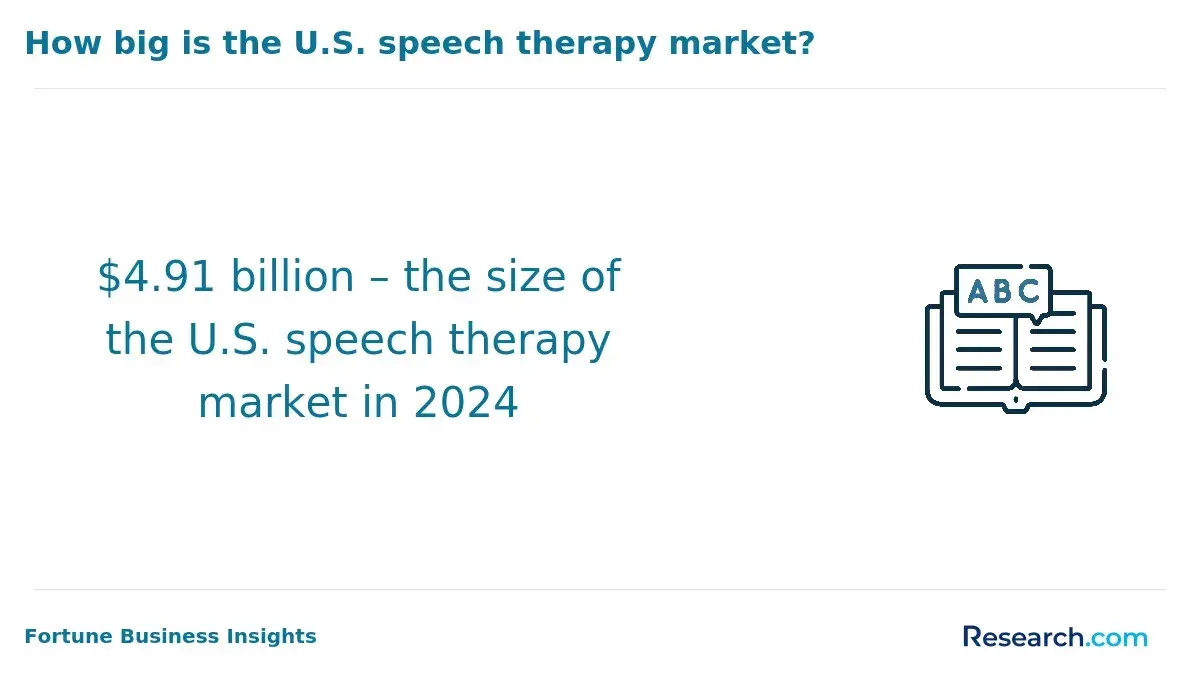
Telepractice, healthcare technology, and early intervention programs are expanding in 2025, creating new interdisciplinary opportunities. Students with strong digital communication skills, comfort with assistive technologies, and an understanding of data-informed care may be well positioned for evolving roles.
For students who begin with communication disorders and later decide they want clinical independence, an online master’s speech pathology program may provide a path toward full clinical preparation, provided the program meets accreditation, supervision, and state licensure expectations.
Earnings vary by credential, degree level, setting, experience, specialization, and location. Licensed speech-language pathologists with a master’s degree generally have higher earning potential because they can provide clinical services in schools, hospitals, private practices, and other care settings. Graduates with a bachelor’s degree in communication disorders often enter support or assistant roles first, which can provide valuable experience but usually pay less than licensed clinical positions.
Average annual earnings
- Speech-Language Pathologists: About $87,000 nationally, with top earners exceeding $100,000 in hospitals and private clinics.
- Speech Pathology Assistants/Communication Disorders Graduates: Between $45,000 and $60,000, depending on region and specialization.
Factors that affect pay
- Licensure and degree level: Licensed clinicians with graduate training typically qualify for higher-paying roles than bachelor’s-level support staff.
- Work setting: Hospitals and private clinics may offer different pay structures than schools or community programs.
- Location: Higher salaries are found in states like California, Massachusetts, and New York, where demand for licensed professionals continues to rise.
- Specialization: Experience with complex clinical areas, medical populations, or specialized therapy services may affect compensation.
- Experience: Entry-level salaries usually differ from earnings for clinicians with years of practice, leadership duties, or private practice income.
Students should compare salary expectations against the full cost of education, including tuition, fees, required clinical placements, living expenses, and time spent in graduate study. A higher salary may justify additional education for students committed to clinical practice, but the return on investment depends on debt, location, and career goals.
Graduate study is often the turning point from learning about communication disorders to becoming qualified for advanced professional roles. For students who want to become speech-language pathologists, a bachelor’s degree alone is usually not enough. Graduate education provides the advanced coursework, supervised clinical training, and professional preparation needed for licensure-related pathways.
Reasons to pursue advanced study
- Licensure Requirements: To become an SLP, students generally need a master’s degree from an appropriately accredited speech-language pathology program and must meet state licensure requirements.
- Specialization Opportunities: Graduate school allows focus areas such as neurogenic disorders or pediatric speech therapy.
- Career Mobility and Income: Advanced degrees significantly increase salary potential and leadership opportunities.
Graduate study can also broaden options
Not every student who studies communication disorders becomes a speech-language pathologist. Some continue into audiology, special education, counseling, psychology, linguistics, public health, or research. Others use graduate study to move into policy, administration, assistive technology, or higher education.
Before committing, students should review admissions prerequisites, accreditation status, clinical placement expectations, licensure alignment, cost, and graduation outcomes. The right graduate program should match both the student’s professional goal and the requirements of the state or setting where they plan to work.
How can prospective students decide which degree aligns best with their long-term goals?
The best choice starts with a practical question: do you want to become a clinician who works directly with clients, or do you want to study communication sciences as a broader academic field? Speech pathology is usually the better fit for students committed to assessment, therapy, and licensure. Communication disorders is often the better starting point for students who want a foundation before deciding on graduate study, research, education, audiology, or related careers.
Questions to guide your decision
- Do you want to assess, diagnose, and treat communication challenges through direct client care?
- Are you prepared for graduate school, supervised clinical training, licensure steps, and continuing professional requirements?
- Are you more interested in research, communication theory, hearing science, language development, or cognition?
- Do you want a bachelor’s degree that keeps several graduate pathways open?
- How much flexibility do you need in program format, scheduling, and clinical placement location?
- What salary range and career advancement opportunities align with your long-term goals and preferred lifestyle?
- Does the program you are considering meet the requirements for the state and career path you want?
A simple decision framework
| If your priority is... | Consider... |
| Becoming a licensed clinician | A speech pathology pathway that leads to graduate clinical preparation |
| Exploring communication science before specializing | A communication disorders bachelor’s degree |
| Working as soon as possible after a bachelor’s degree | Communication disorders support roles, where available, while planning next steps |
| Maximizing clinical career options and salary potential | Graduate study in speech-language pathology and licensure preparation |
| Keeping research, audiology, or education options open | Communication disorders with strong advising and prerequisite planning |
The difference is not about prestige. It is about purpose. Choose speech pathology if you are committed to hands-on clinical practice and willing to complete the education and licensure pathway. Choose communication disorders if you want a strong academic base in how communication works and time to decide which professional direction fits best.
Other Things You Should Know About Speech Pathology VS Communication Disorders Degrees
Most accredited speech pathology master’s programs require at least 400 supervised clinical practicum hours, with many students completing them in university clinics, schools, and healthcare settings. ASHA expects these hours to support eventual Clinical Competence in Speech-Language Pathology, often followed by a Clinical Fellowship.
In 2027, Speech Pathology programs need accreditation from the Council on Academic Accreditation in Audiology and Speech-Language Pathology (CAA), while Communication Disorders programs may require accreditation from a broader range of bodies depending on the institution. This ensures quality and affects eligibility for licensure exams.
- U.S. Bureau of Labor Statistics - Speech-Language Pathologists https://www.bls.gov/ooh/healthcare/speech-language-pathologists.htm
- ASHA EdFind - Accredited Speech-Language Pathology Programs https://find.asha.org/ed/
- ETS Praxis - Speech-Language Pathology (5331) https://praxis.ets.org/test/speech-language-pathology-5331.html
- Delaware Valley University - Master of Science in Speech-Language Pathology (M.S.) https://delval.edu/programs/graduate-programs/speech-language-pathology
- Maryville University - Master of Science in Speech-Language Pathology https://www.maryville.edu/masters/speech-language-pathology/
- California State University-East Bay - Online Master of Science in Speech-Language Pathology https://ce.csueastbay.edu/programs/speech-language-pathology/
- Idaho State University - Master of Science in Speech-Language Pathology (Online/Distance Education) https://www.isu.edu/slp/programs-offered/slp-graduate-program/
- James Madison University - Master of Science (M.S.) in Speech-Language Pathology (Distance Education / Online) https://www.jmu.edu/chbs/csd/online_ms/index.shtml