2027 Autism-Focused Online SLP Programs and Courses

Co-Founder and Chief Data Scientist

Reviewed by Rhea Paul, PhD
SLP Education & Research Expert
Choosing an autism-focused speech-language pathology path means making two decisions at once: whether speech-language pathology is the right profession for you and which education route will actually qualify you to practice. The stakes are real. With an estimated 8% of children experiencing a communication disorder, families, schools, clinics, and healthcare teams need clinicians who understand communication differences and can provide respectful, evidence-based support.
This guide is for prospective SLP graduate students, career changers, educators, therapists, and current clinicians who want to understand how autism specialization fits into speech-language pathology. You will learn what autism-focused SLPs do, what degree and accreditation requirements matter, how online programs and certificates differ, what admissions committees typically expect, and how to evaluate whether this career aligns with your goals.
Key Things You Should Know About Autism-Focused Online SLP Programs
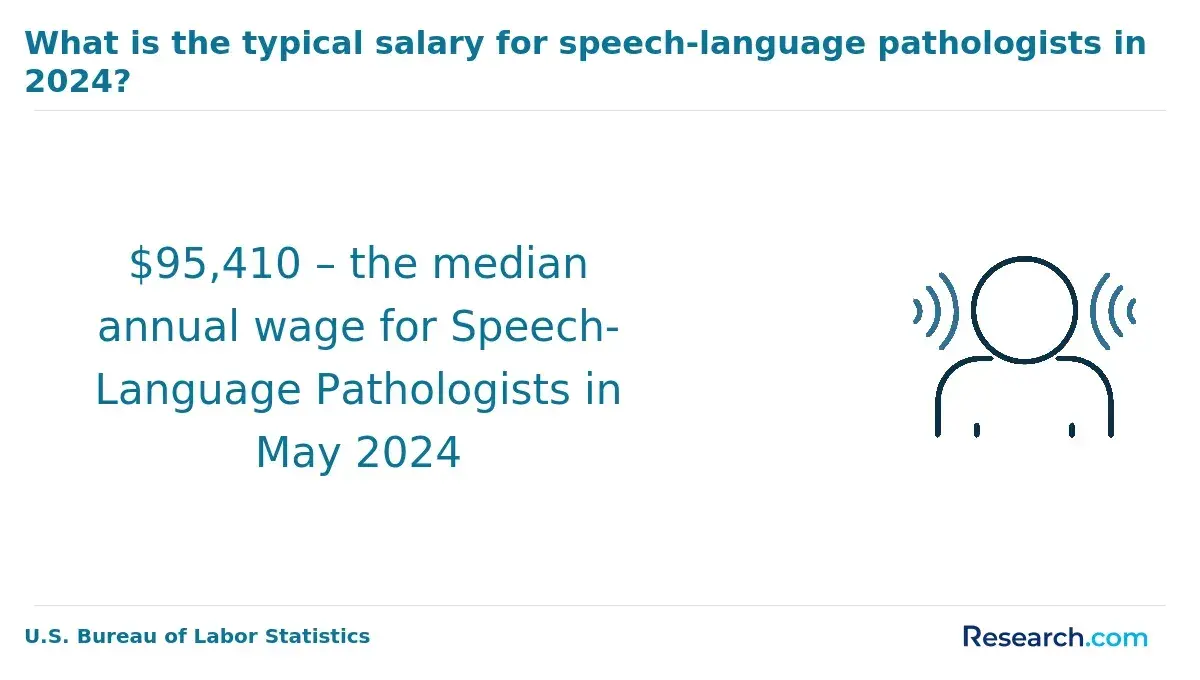
- The median annual salary for speech-language pathologists was $97,870 in May 2026, reflecting a strong return on educational investment.
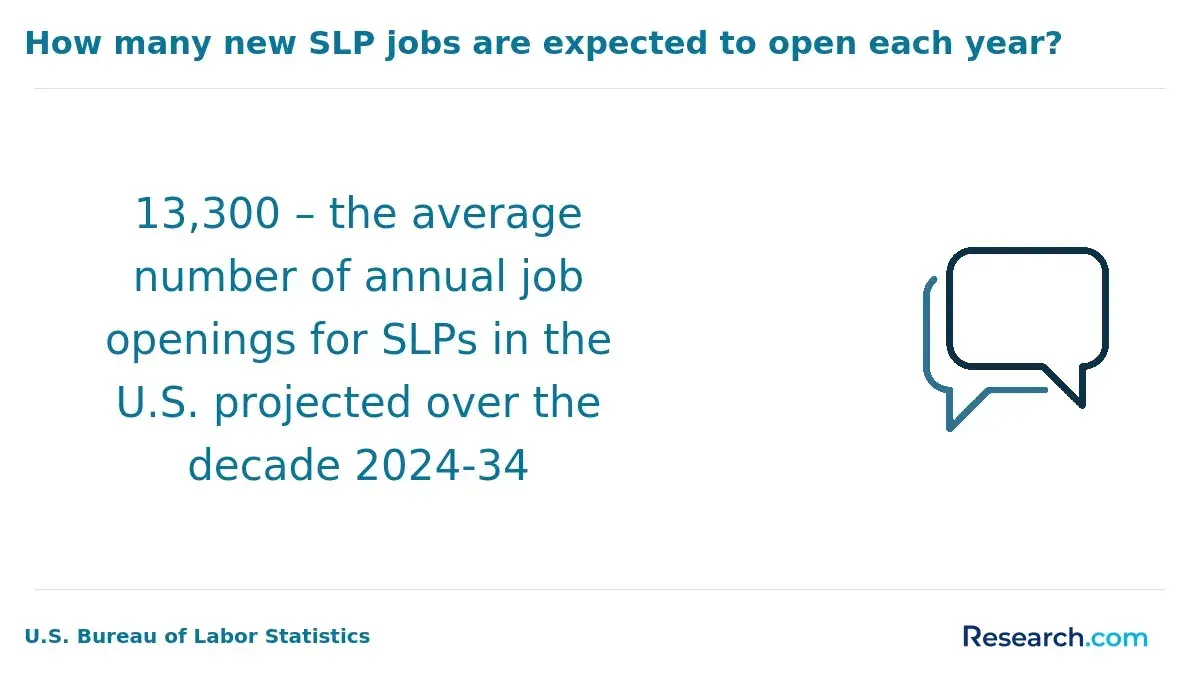
- The field is projected to have about 13,300 job openings each year over the next decade, indicating excellent career stability and demand.
- A master’s degree from a CAA-ASHA accredited program is the non-negotiable entry-level requirement to become a certified and licensed SLP.
- Specializing in autism makes you a more marketable and in-demand candidate within this rapidly growing healthcare field.
- Online programs offer a flexible pathway to earning your degree and specializing in autism without pausing your current life commitments.
What is an autism-focused speech-language pathologist?
An autism-focused speech-language pathologist is a licensed communication professional who supports autistic children, adolescents, and adults in developing communication systems that work for their needs, preferences, environments, and goals.
The work is broader than helping someone “speak more clearly.” Autism-focused SLPs may support spoken language, social communication, receptive language, pragmatic language, literacy, feeding and swallowing when within scope, and augmentative and alternative communication (AAC). For some clients, the goal may be clearer speech. For others, it may be reliable access to a speech-generating device, improved self-advocacy, reduced communication frustration, or better support across home, school, work, and community settings.
A practical definition of the role
In practice, an autism-focused SLP often evaluates how a person currently communicates, identifies barriers to participation, collaborates with caregivers or support teams, and designs therapy goals that improve functional communication. The best clinicians do not treat autism as something to “fix.” They focus on communication access, autonomy, safety, relationships, and quality of life.
A Shift Toward Neurodiversity-Affirming Care
The field has moved away from therapy models that pressure autistic people to imitate neurotypical behavior for its own sake. Neurodiversity-affirming care recognizes autism as a natural form of human neurological variation while still addressing real communication needs and disability-related barriers.
That does not mean lowering expectations or avoiding intervention. It means choosing goals carefully. For example, an affirming clinician may support conversational repair, AAC use, emotional regulation language, or self-advocacy without requiring forced eye contact, suppression of harmless stimming, or masking behaviors that may be exhausting or harmful.
What is the career outlook for SLPs specializing in autism?
The career outlook for speech-language pathologists with autism-related expertise is strong. The U.S. Bureau of Labor Statistics projects a need for about 13,300 new speech-language pathologists each year over the next decade, reflecting demand across schools, healthcare settings, early intervention programs, clinics, and community-based services.
Specializing in autism does not usually limit career options. In many settings, it can make a candidate more competitive because autism-related communication support is a major need in pediatric, school-based, private practice, and interdisciplinary clinical environments.
Why Specialization Creates Higher Demand
Autism-focused expertise is valuable because employers need clinicians who can do more than deliver general language therapy. They often look for SLPs who understand AAC, sensory-informed collaboration, caregiver coaching, individualized education program participation, interdisciplinary evaluation, and neurodiversity-affirming goal writing.
For students comparing autism-focused online SLP programs, the key is to look for training that prepares you for real clinical decision-making. A strong program should help you connect research, assessment, therapy planning, documentation, and ethical practice—not simply add “autism” as a marketing label.
What degree do you need to practice as an autism-focused SLP?
To practice independently as a speech-language pathologist, you need a master’s degree in speech-language pathology or communication sciences and disorders from an appropriate accredited program. Autism specialization can strengthen your preparation, but it does not replace the required graduate degree, clinical training, certification pathway, or state licensure process.
This is an important distinction because workforce statistics can be confusing. You may see that 51.2% of professionals in the field hold a bachelor's degree, but that figure may include SLP-Assistants, support roles, or people who studied the field without practicing independently as licensed SLPs. For independent SLP practice, the master’s degree is the required entry point. In fact, 6,775 SLP degrees were awarded just last year, which shows how many students complete this professional pathway.
The Critical Role of Accreditation
The most important program quality check is accreditation from the Council on Academic Accreditation (CAA) of the American Speech-Language-Hearing Association (ASHA). Before applying, confirm the program’s accreditation status directly with the program and through official accreditation resources.
CAA-ASHA accreditation matters because graduating from an accredited program is tied to eligibility for the Certificate of Clinical Competence in Speech-Language Pathology (CCC-SLP), which is commonly connected to professional credibility, employment expectations, and state licensure pathways. A non-accredited program may not qualify you for the same outcomes, even if the coursework appears similar.
What to verify before enrolling
- Accreditation status: Confirm that the graduate program is CAA-ASHA accredited or otherwise meets the standards required for your intended licensure path.
- Clinical placement support: Ask how online students complete supervised clinical experiences and whether placements are arranged by the university, the student, or both.
- State authorization: Make sure the program can enroll students from your state and prepare you for licensure where you plan to work.
- Autism-related training: Look beyond course titles and ask about faculty expertise, clinical practicum opportunities, AAC training, and neurodiversity-affirming practices.
Online autism-focused learning generally falls into three categories: master’s degree programs for future SLPs, post-graduate certificates for professionals who already have relevant credentials, and individual continuing education courses for skill development. The right option depends on whether you need professional licensure or targeted knowledge.
A short course can be useful, but it cannot substitute for the education and supervised clinical training required to become an SLP. For certified SLPs, ASHA requires 30 hours of professional development every three years to maintain their credentials, so autism-focused courses and certificates can be a valuable part of ongoing clinical growth.
Common online options
- Online SLP master’s programs: Best for students whose goal is to become licensed speech-language pathologists. These programs include academic coursework and supervised clinical experiences.
- Post-graduate certificates: Best for licensed SLPs, educators, therapists, or related professionals who want structured autism-focused training without completing another degree.
- Continuing education courses: Best for practicing clinicians who need focused training in areas such as AAC, gestalt language processing, caregiver coaching, or ethical goal setting.
- Prerequisite or leveling coursework: Best for career changers who need foundational communication sciences coursework before applying to graduate school.
Comparing Program Pacing: Full-Time, Part-Time, and Accelerated Options
If your goal is to become an SLP, you will be comparing master’s programs. Online formats can make graduate study more accessible, but they still require significant time for coursework, clinical hours, meetings, documentation, and exam preparation.
Full-time programs may help you finish sooner, but they can be difficult to balance with full-time employment. Part-time programs offer more flexibility, often making them better for working adults or caregivers. Accelerated options may appeal to students who want a shorter timeline and can manage a heavier workload. If speed is a priority, compare reputable fast track speech pathology programs carefully, paying close attention to accreditation, clinical placement expectations, and state licensure alignment.
Admission requirements for online SLP master’s programs usually include a bachelor’s degree, prerequisite coursework, academic transcripts, recommendations, and a personal statement. Applicants who did not major in communication sciences and disorders can still pursue the field, but they typically need to complete prerequisite or leveling courses before entering a graduate program.
Common requirements include:
- Bachelor's Degree: A degree from an accredited college or university.
- Prerequisite Coursework: Foundational communication sciences and disorders courses, especially for applicants whose bachelor’s degree is in another field.
- Minimum GPA: Often a 3.0 or higher, particularly in major or prerequisite coursework.
- Letters of Recommendation: Typically two to three letters from academic or professional references who can speak to your readiness for graduate study and clinical work.
- Personal Statement: An essay explaining your motivation, relevant experience, understanding of the profession, and fit with the program.
What admissions committees may look for
Strong applicants usually show more than interest in helping people. They demonstrate academic readiness, communication skills, maturity, ethical judgment, and an understanding of the clinical demands of speech-language pathology. Experience with autistic individuals can help, but it should be framed respectfully and thoughtfully. Avoid statements that suggest you want to “cure” autism or make clients appear less autistic.
Leveling Programs: The Bridge for Career Changers
If you are missing prerequisite coursework, an online post-baccalaureate leveling program can help you build the foundation needed for graduate admission. These programs are common for career changers and typically cover core areas such as speech and language development, phonetics, anatomy and physiology of speech and hearing, audiology, and communication disorders.
Completing leveling coursework does not automatically guarantee admission, but it can make you eligible and more competitive for many speech pathology programs. Before enrolling, ask each target graduate program which prerequisites it accepts and whether courses must be completed by a specific deadline.
High-quality autism-focused SLP courses and certificates should move beyond introductory descriptions of autism. They should teach clinicians how to assess communication needs, design respectful intervention plans, collaborate with families and teams, and support communication across real-life environments.
Common topics include:
- Gestalt Language Processing (GLP): Training in understanding and supporting individuals who communicate through scripts, delayed echolalia, or larger language chunks, while recognizing these patterns as meaningful communication.
- Augmentative and Alternative Communication (AAC): Evaluation and implementation of communication systems, from low-tech supports such as picture boards to high-tech speech-generating devices.
- Neurodiversity-Affirming Goal Setting: Collaborative goal writing that respects autistic identity and prioritizes communication access rather than masking.
- Trauma-Informed Care: A framework for creating safer therapy experiences and recognizing how prior negative experiences, coercive interventions, or chronic stress may affect communication and participation.
- Caregiver Coaching Models: Strategies for helping parents, caregivers, teachers, and support teams use communication supports consistently in natural environments.
Skills that matter in practice
The most useful courses connect theory to clinical decisions. Look for training that includes case examples, assessment considerations, documentation guidance, ethical issues, collaboration with autistic clients and families, and practical implementation strategies. A course that only defines autism characteristics may be too basic if your goal is advanced clinical competence.
Avoiding Outdated and Harmful Practices
Choose programs that reflect current evidence, ethics, and input from the autistic community. Be cautious with training that emphasizes compliance, normalization, forced eye contact, suppression of harmless autistic traits, or “quiet hands” approaches. These may conflict with neurodiversity-affirming practice and can undermine trust.
Effective autism-focused SLP training should help you ask better clinical questions: Does this goal improve communication access? Is the client’s autonomy respected? Are we reducing barriers or simply making the person look more neurotypical? Are caregivers being coached to support communication rather than control behavior?
An autism-focused SLP’s day usually includes direct therapy, evaluations, documentation, collaboration, caregiver communication, and planning. The exact schedule depends heavily on the work setting. A school-based SLP may spend much of the day moving between classrooms and meetings, while a private practice SLP may see individual clients, run caregiver sessions, and manage billing documentation.
Therapy itself can look different from one client to another. One session might focus on AAC modeling during play. Another might support a teen in self-advocacy and conversational repair. Another may involve coaching a parent on how to respond to echolalia or helping a team update goals for an Individualized Education Program.
Common daily responsibilities
- Assessment: Conducting formal and informal evaluations, reviewing records, interviewing caregivers, and observing communication across contexts.
- Therapy planning: Choosing goals, materials, communication supports, and session structures based on each client’s needs.
- Direct intervention: Providing individual or group therapy using evidence-based and client-centered methods.
- Team collaboration: Working with teachers, occupational therapists, psychologists, physicians, behavior professionals, families, and other support providers.
- Documentation: Writing session notes, progress reports, evaluation reports, and recommendations for schools, insurers, or clinical records.
The Hidden Challenge: Managing Administrative Demands
Paperwork is one of the most underestimated parts of the profession. SLPs often write detailed reports, track progress data, document medical necessity, prepare for meetings, and maintain compliance with school, insurance, or healthcare requirements. In schools, Individualized Education Program documents can be especially time-intensive.
Students entering the field should be prepared for both the relational and analytical sides of the job. Strong clinical work depends not only on good rapport but also on accurate assessment, clear documentation, ethical decision-making, and consistent follow-through.
With an SLP degree and appropriate licensure, you can work in schools, early intervention, hospitals, outpatient clinics, private practices, community programs, telepractice, and interdisciplinary diagnostic settings. An autism-focused certificate can also strengthen the skills of educators, therapists, and related professionals, though it does not by itself make someone a licensed SLP.
The right setting depends on the population you want to serve, the pace of work you prefer, your tolerance for paperwork, your salary goals, and whether you want a school-year schedule, medical environment, business ownership, or flexible telepractice model.
Common work settings
- Public and private schools: SLPs support students through evaluations, therapy, classroom consultation, and Individualized Education Program services.
- Early intervention: Clinicians often work with young children and families in homes or community settings, emphasizing caregiver coaching and natural routines.
- Private clinics: SLPs may provide individual therapy, AAC services, parent coaching, social communication support, and interdisciplinary care.
- Hospitals and medical centers: Roles may include diagnostic evaluations, developmental services, feeding and swallowing work when within scope, and collaboration with medical teams.
- Telepractice: Online service delivery can expand access and may support flexible work arrangements, though licensure and service rules must be followed.
- Consulting and training: Experienced clinicians may support schools, organizations, families, or professional teams through autism-focused online SLP programs, coaching, and consultation.
How Setting Impacts Caseload and Pay
Work setting strongly affects your daily experience. School roles may offer predictable academic calendars but larger caseloads and extensive compliance documentation. Medical and private practice roles may offer different salary ceilings, specialized caseloads, and more varied schedules. Private practice can provide autonomy, but it also requires business, billing, marketing, and administrative skills.
Before choosing a setting, ask practical questions: How many clients will I see each week? How much planning time is protected? Who handles billing and scheduling? What is the documentation burden? Will I have mentorship in autism, AAC, or complex cases? These answers often matter as much as the job title.
According to the U.S. Bureau of Labor Statistics, the median annual wage for speech-language pathologists was $97,870 in May 2026. Actual earnings vary by setting, location, experience, credentials, caseload type, employment model, and whether you work for an employer or operate independently.
Autism specialization can support stronger career opportunities, but it should not be viewed as an automatic salary guarantee. Employers typically pay for licensure, clinical competence, experience, productivity, specialized skills, and the ability to meet client or organizational needs.
Factors That Maximize Your Earning Potential
Your earning potential as a speech language pathologist may be higher in medical settings, private practice, specialized clinics, consulting, or roles that require advanced expertise such as AAC or interdisciplinary autism evaluation. Geographic location and cost of living also matter.
To improve long-term earning potential, focus on skills that employers and clients clearly value: strong documentation, measurable outcomes, AAC competence, caregiver coaching, ethical autism practice, interdisciplinary collaboration, and the ability to handle complex cases. Additional certifications or specialized continuing education can help when they build real clinical capability and align with your target roles.
The right educational path depends on your endpoint. If you want to diagnose and treat communication disorders as an independent SLP, you need the accredited master’s degree pathway. If you are already working in education, therapy, healthcare, or caregiving and want stronger autism-specific skills, a certificate or continuing education course may be enough for your immediate goal.
Start with this question: “Am I trying to become a licensed speech-language pathologist, or am I trying to add autism-focused communication knowledge to my current role?” That answer prevents you from spending time and money on a credential that does not match your career plan.
- If your goal is to become a certified Speech-Language Pathologist... choose a Master's degree from a CAA-ASHA accredited program. This is the pathway that can lead to the CCC-SLP credential and state licensure when all requirements are met.
- If your goal is to become more effective in your current role, such as teaching, therapy, caregiving, or support services... consider a specialized online certificate or individual continuing education courses. This can build practical skills without the time and cost of a full graduate degree.
Balancing Cost, Quality, and Flexibility
For future SLPs, the best program is not necessarily the most recognizable name. The best choice is an accredited program that fits your finances, schedule, learning needs, clinical placement situation, and licensure goals. Online delivery can be convenient, but it does not remove the need for supervised clinical experiences.
When comparing programs, review tuition, fees, placement support, faculty expertise, cohort size, course format, exam preparation, student outcomes, and support for online learners. If affordability is a major factor, researching SLP online programs can help you identify options that balance cost and quality.
Questions to ask before applying
- Is the program accredited for the licensure path I need?
- Does it meet requirements in the state where I plan to practice?
- How are clinical placements handled for online students?
- What autism-related coursework, practicum, or faculty expertise is available?
- Can I realistically manage the schedule while working or caregiving?
- What is the total cost, including fees, travel, clinical requirements, books, and technology?
Is becoming an autism-focused SLP the right career path for you?
Becoming an autism-focused SLP may be a strong fit if you are interested in communication, disability advocacy, clinical problem-solving, and long-term relationship-based work. It is a meaningful career, but it is also demanding. The work requires graduate-level study, supervised clinical training, licensure, ongoing education, careful documentation, and emotional resilience.
This field has historically included many women, with data showing that 95.3% of SLPs are women, but the profession is open to anyone with the preparation, ethical commitment, and clinical skills to serve clients well.
Consider whether these traits describe you:
- Patience and Resilience: You can remain calm, consistent, and respectful when progress is gradual or a client is overwhelmed.
- Creativity and Problem-Solving: You enjoy adapting strategies to each client rather than relying on a one-size-fits-all approach.
- Strong Analytical Skills: You can interpret assessment results, track progress, read research, and make evidence-informed decisions.
- Deep Empathy: You are willing to understand the client’s perspective and avoid imposing goals that serve others more than the client.
- A Commitment to Advocacy: You are prepared to help clients access communication supports, accommodations, and respectful services.
Beyond Passion: The Need for Scientific Rigor and Resilience
Passion for helping people is important, but it is not enough by itself. Strong SLPs combine compassion with scientific reasoning, ethical boundaries, cultural humility, and documentation discipline. Autism-focused practice also requires willingness to keep learning as research, clinical standards, and autistic community perspectives evolve.
If you want a career that blends healthcare, education, communication science, family collaboration, and advocacy, this path can be deeply rewarding. If you prefer quick outcomes, minimal paperwork, or a role without complex systems and regulations, it may be worth shadowing clinicians or taking an introductory course before committing to graduate school.
Other Things You Should Know About Autism-Focused Online SLP Programs
Common autism-specific fieldwork topics include pragmatic language assessment, augmentative and alternative communication, sensory-informed interaction strategies, and caregiver coaching. ASHA-accredited SLP graduate programs still require supervised clinical practicum, usually at least 400 hours total, with direct and indirect client experience.
In 2027, many online SLP programs have established networks to help students secure clinical placements, but the level of assistance varies by institution. Some programs provide placement services, while others offer guidance and resources for students to find their own clinical experiences, essential in autism-focused practice.
To enroll in a 2027 autism-focused online SLP master's program, candidates typically need a bachelor's degree in communication sciences, disorders, or a related field. Additional requirements might include coursework in anatomy, physiology, and psychology. Check specific program details for exact prerequisites.
- U.S. Bureau of Labor Statistics - Speech-Language Pathologists https://www.bls.gov/ooh/healthcare/speech-language-pathologists.htm
- ASHA EdFind - Accredited Speech-Language Pathology Programs https://find.asha.org/ed/
- ETS Praxis - Speech-Language Pathology (5331) https://praxis.ets.org/test/speech-language-pathology-5331.html
- Idaho State University - Master of Science in Speech-Language Pathology (Online/Distance Education) https://www.isu.edu/slp/programs-offered/slp-graduate-program/
- New England Institute of Technology - Master of Science in Speech Language Pathology https://www.neit.edu/academics/graduate-degrees/speech-language-pathology-ms
- University of Scranton - Master of Science (M.S.) in Speech-Language Pathology https://www.scranton.edu/academics/pcps/health-and-human-performance/programs/speech-language-pathology/index.shtml
- Pepperdine University - Master of Science in Speech-Language Pathology https://healthscience.pepperdine.edu/online-masters-in-speech-language-pathology/
- Pennsylvania Western University - Master of Science in Speech-Language Pathology https://online.pennwest.edu/programs/speech-language-pathology-grad/index.php