2027 Understanding Fluency Disorders Training in Online SLP Programs

Co-Founder and Chief Data Scientist

Reviewed by Rhea Paul, PhD
SLP Education & Research Expert
Imagine a student transitioning from a non-related bachelor's degree aiming to become a certified speech-language pathologist faced with limited knowledge about fluency disorders and unsure if online programs provide adequate training. This gap can hinder preparedness for clinical practice and professional certification.
Understanding fluency disorders is critical, as they affect communication and quality of life for many individuals, making effective training essential. This article explores how current online SLP programs incorporate fluency disorders training, highlighting key curriculum elements and practical approaches to ensure students gain comprehensive, applicable skills to excel in this specialized area of speech pathology.
Key Things You Should Know
- Online SLP programs in 2026 increasingly integrate fluency disorders training, emphasizing evidence-based interventions to meet growing demand for specialized clinical skills.
- About 12% of speech-language pathology caseloads involve fluency disorders; online curricula now reflect this prevalence with practical, telehealth-ready approaches.
- Accredited programs focus on both theoretical knowledge and hands-on assessment tools, ensuring graduates are well-prepared for diverse clinical environments and certifications.
What are fluency disorders in speech-language pathology?
Fluency disorders explained by speech-language pathologists primarily involve disruptions in speech flow and rhythm, with stuttering being the most prevalent. Stuttering is marked by involuntary repetitions, prolongations, or blocks of sounds, syllables, or words. Such interruptions can impact communication effectiveness and emotional well-being significantly.
Common signs of childhood fluency disorders in speech pathology include:
- Repeating sounds or syllables, such as "b-b-boy"
- Prolonging sounds, like "ssssssun"
- Pausing or blocking when producing speech
Fluency disorders vary widely in severity and may be accompanied by secondary behaviors such as eye blinking or facial tension. They can be developmental, emerging in early childhood, or acquired through neurological injury or psychological trauma. Treatment requires specialized clinical knowledge and tailored approaches.
According to the National Institute on Deafness and Other Communication Disorders (NIDCD), about 1% of the US population stutters. This consistent prevalence highlights continued demand for speech-language pathologists skilled in fluency disorders. Students aiming to enter this field should seek a speech pathologist degree online that offers coursework in assessment techniques, language development theories, and practical fluency management strategies. Hands-on clinical training with diverse age groups is essential to develop effective intervention skills.
Why is training in fluency disorders essential for SLPs?
Training in fluency disorders for speech language pathologists is critical due to the complexity and varied nature of these conditions. Although fluency disorders account for a smaller percentage of school-based caseloads compared to language and articulation disorders, specialized education is necessary to accurately diagnose and treat them. Speech language pathologists must distinguish among developmental stuttering, neurogenic stuttering, and psychogenic fluency challenges, as each requires different therapeutic strategies.
Fluency disorder education in speech pathology programs prepares clinicians to implement targeted interventions that enhance speech fluency and address the emotional and social impacts on clients. For example, children who stutter may experience anxiety and social withdrawal; effective treatment often combines speech therapy with counseling techniques. This training also equips clinicians to serve clients of all ages, adapting approaches as fluency disorders evolve over time.
Without this specialized knowledge, speech language pathologists risk misdiagnosis and ineffective treatment plans, which can hinder progress and impact quality of life. Because fluency disorders often coexist with other communication challenges, comprehensive education helps clinicians create integrated treatment plans addressing multiple speech concerns simultaneously. For those considering a career in this field, understanding the speech therapy salary potential often reflects the expertise gained through fluency disorder training.
What do online SLP programs offer for fluency disorders training?
Online SLP programs provide fluency disorders training in online speech pathology programs through comprehensive coursework covering etiology, assessment, and treatment of issues like stuttering and cluttering. These programs emphasize evidence-based practices by blending theoretical knowledge with practical case studies. Students benefit from multimedia materials, virtual labs, and interactive modules simulating real-world diagnostic and therapeutic scenarios.
Comprehensive online slp coursework for fluency treatment typically includes intervention techniques such as fluency shaping, stuttering modification, and counseling skills to address clients' communication and emotional needs. Clinical practicum components often adapt to telepractice, reflecting the growing demand for remote speech therapy. This prepares graduates to serve diverse populations, including underserved rural areas where fluency expertise is urgently needed.
Programs frequently offer specialized electives or certificate options focused exclusively on fluency disorders, completing the core curriculum with advanced research and treatment methods. Notably, 48% of school districts report difficulty filling SLP positions, especially in rural regions prioritizing fluency expertise (Beaming Health). Prospective students should verify that their chosen program includes sufficient supervised clinical hours aligned with ASHA standards and telepractice experience, which enhances employability.
For those seeking accelerated options, exploring fast track speech pathology programs can offer focused pathways with robust faculty mentorship and access to current fluency disorders research, equipping candidates for certification exams and competitive job markets.
Online slp programs versus campus-based training now offer comparable curriculum rigor, clinical training, and certification preparation. Both formats mandate supervised clinical hours crucial for state licensure and the Certificate of Clinical Competence (CCC). Online students often complete these hours through virtual simulations and local clinic partnerships, ensuring practical experience similar to on-campus peers. However, campus-based programs may provide more immediate face-to-face interaction with faculty and peers, which can benefit clinical reasoning and networking.
Factors to consider include:
- Online programs provide flexibility for working professionals or those in remote locations, eliminating relocation and commuting challenges.
- Campus-based options offer direct access to speech and hearing clinics for in-person client interaction under supervision.
- Licensure requirements accept clinical hours earned both online and on campus, so either pathway remains valid.
- Technology skills are essential in online programs, as telepractice is increasingly common in service delivery.
With a projected 17% employment growth for fluency-focused speech pathologists through 2035, effectiveness of online speech pathology fluency disorder courses is critical in preparing specialists for this high-demand niche. Given the 1% stuttering prevalence, well-trained experts are limited nationally. Candidates should ensure programs provide clinical placement support and faculty expertise in fluency disorders.
Prospective students can learn more about available options by exploring SLP programs online.
Specialized online speech pathology programs focusing on fluency disorders provide targeted training for students interested in stuttering and related communication challenges. The University of Wisconsin-Madison and Emerson College are notable for integrating fluency disorder coursework into their online master's degrees.
These curricula emphasize evidence-based interventions and clinical practicum experiences centered on fluency issues. For example, Wisconsin-Madison offers telepractice clinics that let students gain supervised experience diagnosing and treating fluency disorders remotely. Emerson College adds courses on neurophysiological aspects of stuttering and advanced fluency shaping techniques.
Choosing a program with faculty who hold board certification in fluency disorders (BCS-F) or who actively research stuttering enhances the learning experience. Accreditation by the Council on Academic Accreditation (CAA) ensures program credibility and eligibility for certification exams.
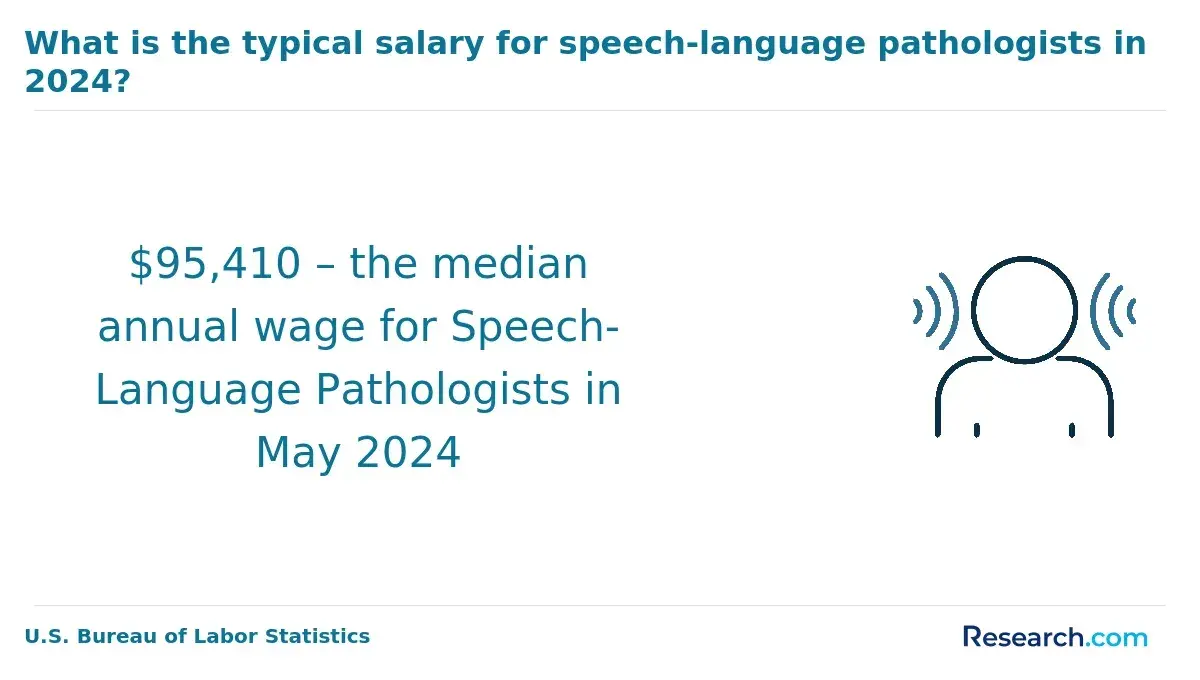
Specializing as a fluency specialist can lead to a salary premium above the average speech pathology salary of $95,410, reflecting the high demand for clinicians skilled in complex fluency cases. Prospective students should seek programs balancing theoretical study with practical clinical placements, either remote or in-person, to prepare for diverse client needs across age groups and severity levels.
Online speech pathology programs offer specialized curricula focused on fluency disorders, preparing students for both clinical work and professional certification. Coursework typically includes stuttering, cluttering, and other fluency-related conditions, emphasizing assessment methods, differential diagnosis, and evidence-based treatments tailored to different age groups. Students develop practical skills through case studies, video demonstrations, and treatment planning exercises.
Advanced seminars or dedicated modules often explore fluency disorders in depth, incorporating the latest research and intervention models. Key techniques covered include fluency shaping, stuttering modification, and counseling strategies to support clients' emotional health. These programs also integrate interdisciplinary perspectives from psychology and linguistics to address the complexity of fluency challenges.
Clinical training involves intensive practicum and externship placements. According to SpeechPathologyGraduatePrograms.org, certification such as the BCS-F requires over 450 direct clinical hours specifically related to fluency disorders, plus 25 additional hours per age group (preschool, school-age, adolescent/adult) after obtaining initial certification (CCC-SLP). Accredited online programs facilitate these experiences with varied and customizable clinical opportunities.
Prospective students should confirm that their selected program meets clinical hour requirements and offers comprehensive supervision across diverse populations to ensure readiness for certification and professional practice.
Admission requirements for online SLP fluency programs generally include a bachelor's degree from an accredited institution, preferably in communication sciences, psychology, linguistics, or related fields. Applicants must provide official transcripts demonstrating a minimum cumulative GPA, often 3.0 or higher. Many programs also require prerequisite courses such as anatomy, physiology, phonetics, and developmental psychology.
GRE scores are commonly requested, though some institutions have waived this requirement recently. Candidates must submit two to three letters of recommendation highlighting academic abilities and clinical suitability. A personal statement describing motivation and professional goals related to fluency disorders strengthens applications.
Practical experience is essential-this can include observation hours or volunteer work within speech pathology settings and, in some cases, is mandatory. Interviews may be conducted to evaluate communication skills and commitment to specialization in fluency disorders.
For licensed professionals seeking advanced training, proof of current licensure and prior clinical experience may substitute certain academic prerequisites. Continuing education requirements are rigorous; for example, BCS-F certification requires over 100 clinical hours and 10 CEUs focused on fluency disorders every five years to maintain credentials.
Applicants should verify specific program requirements as they vary. Preparing thorough documentation of clinical exposure and academic background improves acceptance chances.
Online programs for SLP fluency disorders range from 1 to 2 years, depending on the certificate, master's specialization, or continuing education pathway chosen. Certificate programs strictly focused on fluency disorders can be completed part-time in under 12 months. More comprehensive graduate-level specializations embedded within master's degrees may take up to 2 years. Continuing education courses tend to offer flexible, modular formats geared toward working professionals.
Costs vary significantly by program and institution: certificate programs typically range from $3,000 to $10,000, while graduate specialization tracks often add $8,000 to $20,000 beyond the primary degree tuition. Continuing education courses usually cost several hundred to a few thousand dollars each. Prospective students should also factor in expenses like textbooks, technology needs, and clinical practicum fees. Some programs provide financial aid or payment plans to ease the financial burden.
Advancing to fluency board certification (BCS-F) generally requires 7 to 10 years of professional experience, including at least 5 years of clinical practice following the Certificate of Clinical Competence (CCC-SLP), according to SpeechPathologyGraduatePrograms.org. This pathway highlights that specialized fluency training supplements foundational clinical experience rather than replaces it.
When selecting a program, consider how the duration and cost fit your career stage and goals. Early-career clinicians might prefer comprehensive graduate-level options, while seasoned professionals often benefit from shorter, focused online coursework tailored to certification maintenance or specialization.
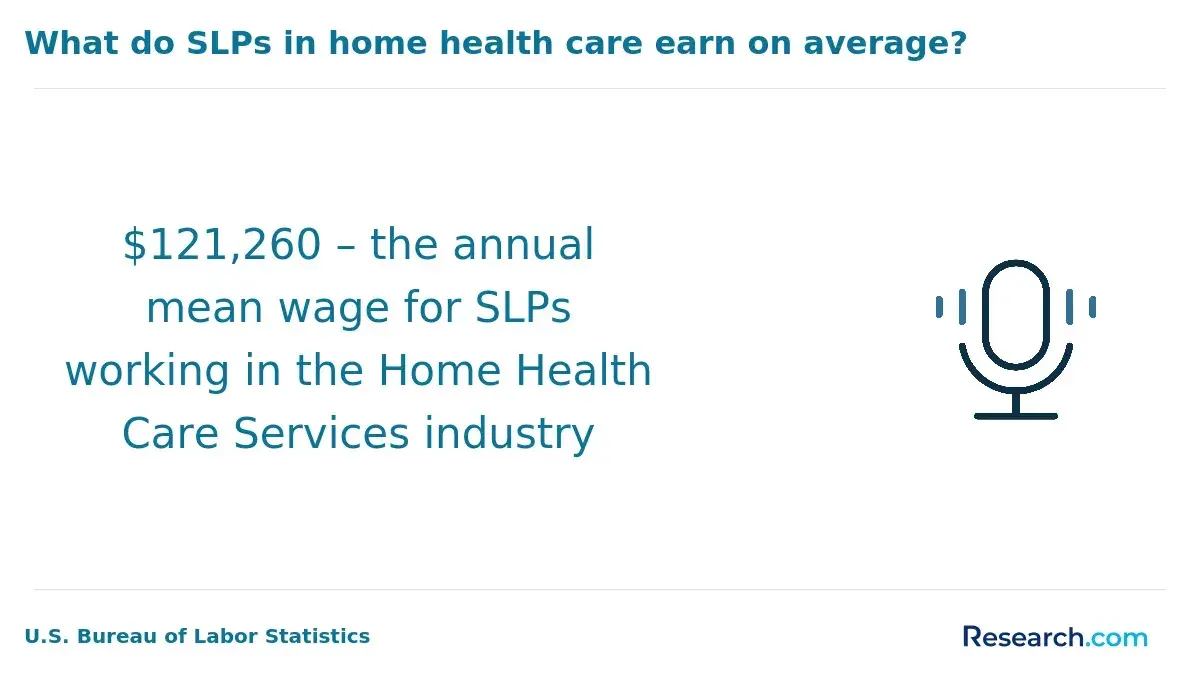
Training in fluency disorders within online slp programs equips graduates for versatile careers with competitive earning potential. Speech-language pathologists specializing in fluency disorders often find roles in schools, healthcare facilities, private practices, and telepractice platforms. According to the U.S. Bureau of Labor Statistics, the median annual wage for speech-language pathologists is around $81,000, with entry-level salaries near $60,000 and experienced clinicians in metropolitan healthcare centers or specialized clinics earning over $100,000.
Specializing in fluency disorders expands opportunities, including research, academic, and supervisory positions in clinical settings. Telepractice fluency therapy, proven to be as effective as in-person treatment, supports hybrid service models and broadens therapy access for the estimated 5-10% of children who stutter. This growing adoption of telepractice increases demand for professionals with these skills.
Fluency specialists often collaborate within interdisciplinary teams addressing pediatric or adult stuttering, necessitating strong communication and tailored treatment planning. Leadership roles in community advocacy and fluency disorder awareness also offer additional career pathways.
What licensing is needed after online SLP fluency training?
Graduates of online speech pathology programs focusing on fluency disorders must meet state licensure requirements to practice clinically in the United States. These requirements generally include earning a master's degree from an accredited program, completing a 1,260-hour supervised clinical fellowship, and passing the Praxis Examination in Speech-Language Pathology, which covers fluency disorders and other communication challenges.
The clinical fellowship provides essential hands-on experience with diverse fluency disorder cases, helping students translate academic knowledge into practical skills. Some states may impose additional requirements such as jurisprudence exams or background checks. It is important for candidates to check specific state licensing board rules, especially for telepractice eligibility following online training.
Certification from the American Speech-Language-Hearing Association (ASHA), known as the Certificate of Clinical Competence in Speech-Language Pathology (CCC-SLP), is voluntary but highly recommended. This credential enhances professional credibility, eligibility for higher insurance reimbursements, and requires ongoing professional development to maintain.
The field's growth is fueled by an anticipated 17% annual increase in the digital speech therapy market through 2035, according to Beaming Health. As demand rises, specialized credentials will become increasingly valuable for career advancement and telehealth opportunities stemming from online speech pathology programs.
Other Things You Should Know About Speech Pathology
Speech pathology programs integrate supervised clinical experiences where students work directly with clients under the guidance of licensed clinicians. This hands-on training is essential for applying theoretical knowledge, developing evaluation and treatment skills, and meeting certification requirements.
Online SLP programs in 2027 utilize virtual simulations, telepractice training, and interactive modules to enhance understanding of fluency disorders. Students practice assessment and intervention strategies in realistic scenarios, ensuring preparedness for diverse clinical settings.
Yes, speech pathology includes various specialties such as voice disorders, language development, swallowing disorders, and cognitive-communication impairments. Many SLPs further their education or certification to focus on one or more of these areas.
Most online SLP programs require at least 400 supervised clinical hours for graduation, with direct client contact included in that total. For fluency-disorders training, students usually complete observation, assessment practice, and intervention hours under a licensed speech-language pathologist before entering the supervised externship or practicum.
- U.S. Bureau of Labor Statistics - Speech-Language Pathologists https://www.bls.gov/ooh/healthcare/speech-language-pathologists.htm
- ASHA EdFind - Accredited Speech-Language Pathology Programs https://find.asha.org/ed/
- ETS Praxis - Speech-Language Pathology (5331) https://praxis.ets.org/test/speech-language-pathology-5331.html
- University of Scranton - Master of Science (M.S.) in Speech-Language Pathology https://www.scranton.edu/academics/pcps/health-and-human-performance/programs/speech-language-pathology/index.shtml
- University of Nebraska at Kearney - Speech-Language Pathology, Master of Science in Education (Online Track) https://www.unk.edu/online/degrees-programs/speech-language-pathology-online.php
- California State University-East Bay - Online Master of Science in Speech-Language Pathology https://ce.csueastbay.edu/programs/speech-language-pathology/
- Baylor University - Master of Science in Speech-Language Pathology (Online) https://csd.robbins.baylor.edu/graduate/online-csd-graduate-program
- California State University-San Marcos - Online MS in Speech-Language Pathology https://www.csusm.edu/slp/programs/mastersonline/index.html