2027 Why Observation and Shadowing Still Matter for SLP Applicants

Co-Founder and Chief Data Scientist

Reviewed by Rhea Paul, PhD
SLP Education & Research Expert
Many aspiring speech pathologists struggle to gain meaningful clinical experience before applying to graduate programs. Without firsthand insight, applicants often underestimate the daily demands and professional skills required. This gap can weaken applications and leave candidates unprepared for the rigor of graduate study and clinical practice. Observation and shadowing experiences remain essential pathways to bridge theory and real-world practice, offering valuable exposure to diverse patient interactions and therapeutic techniques. This article explores why these experiences are crucial for applicants, detailing how they enhance both candidacy and professional readiness in an increasingly competitive field.
Key Things You Should Know
- Observation and shadowing remain crucial for SLP applicants to understand clinical settings and patient diversity, with 78% of accredited programs recommending them in 2025 admissions guidelines.
- Hands-on experience through shadowing enhances applicants' practical knowledge and communication skills, directly impacting acceptance rates, which saw a 12% increase for candidates with documented observation hours in 2024 data.
- Shadowing provides essential exposure to interdisciplinary teamwork and ethical practices, aligning with the ASHA 2024 scope emphasizing collaboration in effective speech pathology service delivery.
Why is observation and shadowing essential for SLP applicants?
Observation and shadowing offer crucial clinical experience for speech pathology admission by allowing applicants to engage directly with real-world therapeutic settings. Completing the 25 guided observation hours required by ASHA within the 400-hour clinical prerequisite gives candidates practical insight into client interactions and professional responsibilities. This early exposure supports informed decisions about pursuing a career in speech pathology and builds foundational understanding of clinical demands.
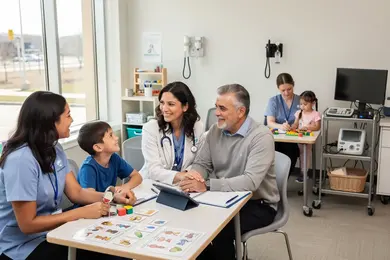
Through varied observation opportunities, applicants explore diverse populations and specialties, such as pediatric speech therapy, adult rehabilitation, and school-based services. Shadowing experienced clinicians reveals essential soft skills-like patient rapport, interdisciplinary collaboration, and communication techniques-that are often absent from academic materials. Practical benefits include:
- Confirming dedication to the field by witnessing therapy challenges and client variability.
- Refining observational skills to detect nuanced speech and language disorders.
- Learning clinical procedures such as assessments and documentation.
- Building professional networks that may lead to mentorships or internships.
Applicants may wonder how best to secure quality shadowing hours and what to expect in these experiences. Engaging directly with certified clinicians, maintaining professionalism, and establishing clear objectives maximize the benefit of this exposure. The importance of clinical experience for speech pathology admission is reinforced by ASHA's continued requirement of 25 guided observation hours, emphasizing early hands-on learning.
Those searching for flexible educational pathways might consider programs offering a speech pathologist degree online to complement their practical experience with accredited academic credentials.
What counts as clinical observation hours for SLP programs?
Clinical observation hours for SLP program requirements typically involve supervised, non-treatment activities where applicants observe licensed speech-language pathologists working directly with clients. These observations must be in-person or virtual and specifically related to speech pathology assessment, intervention, and diagnostic procedures. Volunteering in unrelated healthcare or administrative roles generally does not meet program criteria.
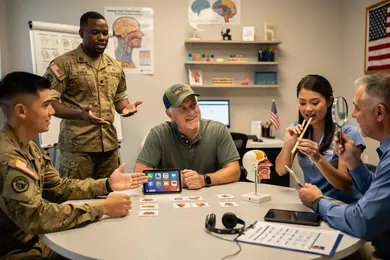
Acceptable types of shadowing experience in speech pathology include shadowing SLPs during therapy sessions, observing diagnostic evaluations, attending treatment planning meetings, and interdisciplinary consultations. Telepractice observation hours are valid if overseen by a certified SLP and focused on speech therapy techniques and client interaction.
Most programs require 25 to 50 documented observation hours, with details like dates, time, and supervisor credentials to verify authenticity. Employment as an assistant may count only if it emphasizes observation rather than direct therapy. Observation can take place in schools, hospitals, rehab centers, or private clinics, as long as it is relevant-such as language intervention with children or swallowing assessments with adults.
Applicants should confirm each program's specific prerequisites before accumulating hours. Given an 17% projected growth in SLP employment by 2035 with 25,200 new jobs, gaining quality observation experience is crucial. For those considering career prospects, understanding the speech therapist salary landscape can also inform long-term planning.
How many observation hours do SLP applicants need?
SLP applicants typically must complete between 25 and 40 observation hours before applying to graduate programs. These clinical observation requirements for speech pathology programs are mandated by many accredited programs and state licensure boards to ensure candidates gain relevant experience in real-world settings. Some universities require 25 hours in educational environments, while others ask for up to 40 hours divided between health care and school settings. Observation must involve direct interaction with licensed speech-language pathologists working with clients of various ages and disorders.
These observation hours required for slp applicants in the US help demonstrate understanding of the profession's challenges and build essential knowledge of client assessment and therapy techniques. They also offer insights into daily workplace pressures, such as managing caseloads. In fact, 48% of U.S. school districts reported difficulties in filling SLP vacancies, particularly in rural areas, highlighting the value of early exposure through observation (ASHA Schools Survey, 2024).
Applicants should confirm specific hour requirements with their chosen programs since policies can vary. Many programs encourage diverse settings like outpatient clinics, schools, and hospitals to provide a comprehensive perspective. If in-person observation is difficult due to high demand or geography, some programs accept virtual observation or internships, though not universally.
Planning ahead is crucial to meet program standards. Those interested in accelerated paths may consider exploring 5-year speech pathology programs that integrate observation and coursework efficiently.
Approved shadowing opportunities in speech pathology are available through multiple authorized speech pathology shadowing experiences near me, including local clinics and hospitals with speech-language pathology departments that offer structured observation programs. University speech pathology programs often collaborate with healthcare providers and schools, making program coordinators valuable contacts for accessing clinical observation sites for speech pathology programs. Additionally, professional organizations such as the American Speech-Language-Hearing Association (ASHA) help connect candidates with certified clinicians who welcome observers.
Prioritizing placements with diverse caseloads-such as school districts, rehabilitation centers, and private practices focusing on pediatric or adult populations-broadens clinical exposure and allows observation of a range of communication disorders and intervention methods.
Applicants should ensure the supervising clinician has current ASHA certification to guarantee a credible experience. Graduate programs typically require documentation or verification of shadowing hours.
Challenges remain for some candidates due to underrepresentation of minorities in the field; 92% of ASHA-certified SLPs identified as white in 2025. Seeking opportunities with multilingual or culturally diverse clinicians enriches clinical understanding and prepares candidates for a broader client base.
For those exploring academic pathways, SLP online programs offer accessible avenues to advance in this career field.
Observation hours are a key requirement in speech pathology programs, with standards varying by program and state licensure rules. Accreditation organizations such as the American Speech-Language-Hearing Association (ASHA) typically require at least 25 clock hours of supervised observation before students begin clinical practicum. This applies equally to online and traditional programs to maintain consistent professional standards.
Online speech pathology programs offer flexible ways to complete observation, including virtual shadowing, video case studies, and remote supervision. Nevertheless, some in-person or live clinical observations are often necessary because many states and licensing bodies mandate direct contact with patients. Programs may collaborate with local clinics or hospitals to provide this hands-on experience.
Prospective students should confirm with their program details such as:
- The required number of observation hours and acceptance of virtual formats.
- Methods for documenting and supervising observation in online settings.
- State-specific licensure mandates for observation experience.
Completing observation hours is essential for clinical practicum eligibility and licensing. Given that the median wage for speech pathologists was $89,290 in 2025, reaching six figures in urban areas, fulfilling these requirements supports a successful career. For comprehensive details on program options and career outlooks, resources like research.com offer valuable, up-to-date information.
Shadowing provides essential firsthand exposure to clinical environments, patient care, and professional duties that coursework alone cannot fully offer. Admissions committees value candidates with shadowing experience because it shows genuine interest, preparedness, and realistic insight into the profession's demands. Watching practicing clinicians in settings like schools, hospitals, and rehabilitation centers helps applicants assess their fit and broaden their clinical perspective.
Such experiences also supply concrete examples for personal statements and interviews. For instance, an applicant who observes a clinician treating children with speech sound disorders can discuss specific therapeutic methods and outcomes, demonstrating knowledge and commitment. Shadowing often results in strong recommendation letters from licensed speech-language pathologists, highlighting dedication and suitability for graduate study, which is especially important for competitive programs.
Given the significant investment in speech pathology education-typically $60,000 to $100,000 in tuition-shadowing supports informed decisions before committing financially. According to the National Center for Education Statistics, graduates see an average 150% salary increase within five years compared to bachelor's holders. To strengthen applications and readiness for graduate coursework and clinical practica, applicants should document at least 25 hours shadowing across diverse settings and populations.
- Exposure to varied clinical settings such as schools and hospitals
- Opportunities to gather examples for personal statements
- Potential for strong letters of recommendation
- Helps confirm career choice before financial commitment
- Recommended minimum of 25 shadowing hours in multiple areas
Observation hours provide valuable practical insight for speech-language pathology (SLP) applicants as they prepare for accredited graduate programs by the Council on Academic Accreditation in Audiology and Speech-Language Pathology (CAA). This experience helps applicants clarify their specialization interests, such as pediatric speech disorders, adult neurological rehabilitation, or voice therapy. Many use observation to identify preferred work settings including schools, hospitals, outpatient clinics, and skilled nursing facilities.
For example, applicants drawn to educational environments often aim to become school-based SLPs, addressing language delays and speech sound disorders in children. Others interested in medical settings focus on treating acquired conditions such as stroke or traumatic brain injury through hospital or rehabilitation services. Additionally, shadowing in telepractice or technology-assisted therapy offers a competitive edge, especially as the digital speech therapy market grows toward $2.5 billion by 2025.
Post-observation professional roles commonly include:
- Graduate student clinicians in university speech and hearing clinics
- Assistants working under licensed SLPs during internships or practicums
- Practitioners specializing in augmentative and alternative communication (AAC)
- Certified professionals managing swallowing and feeding disorders
This breadth of experience strengthens clinical skills, credentials, and career clarity, supporting pursuit of residencies, fellowships, or full licensure. Exposure to varied populations and therapy models helps tailor an effective professional path in speech pathology.
Certification through the American Speech-Language-Hearing Association (ASHA), known as the Certificate of Clinical Competence in Speech-Language Pathology (CCC-SLP), requires verified observation experience before beginning the Clinical Fellowship Year (CFY). Candidates must complete at least 25 hours of supervised observation to show foundational clinical exposure and real-world understanding. Many graduate programs also require this verification as part of the admissions process.
State licensure boards generally follow ASHA standards, though specific observation hour requirements can vary. For instance, states like California and Texas explicitly mandate documented supervised observation during the academic phase or before clinical licensure. International applicants for ASHA certification must also fulfill these documentation rules to maintain uniform standards.
Acceptance rates for SLP master's programs remain competitive, averaging 22% and dropping below 10% at top programs, according to the ASHA EdFind Survey (2025). Properly documented observation hours provide a significant edge by demonstrating commitment and clinical readiness.
Applicants should secure verification forms from licensed clinicians and ensure observation hours meet ASHA's requirements, including direct supervision in appropriate clinical settings. Failure to provide adequate documentation can delay certification or admission decisions, so early planning is crucial for success.
The job market for speech-language pathologists (SLPs) is expected to grow 17% from 2025 to 2035, much faster than the average for all occupations. This demand stems from an aging population needing rehabilitation, increased recognition of speech and language disorders, and expanded roles in schools and healthcare.
Entry-level salaries for SLPs generally start near $60,000 annually, with median wages reaching about $83,000 nationwide. Specialized roles in medical or pediatric settings can offer salaries exceeding $100,000. Key factors affecting pay include location, work environment, education level, and experience.
Gaining observation and shadowing hours is crucial for admission success into ASHA-accredited programs. Data from the Council of Academic Programs in Communication Sciences and Disorders shows applicants with 25+ verified observation hours experience a 35% higher acceptance rate. This practical exposure also helps prospective SLPs explore diverse work environments and understand salary differences.
For example, pediatric SLPs in schools might earn less but benefit from schedules with summers off, while those in healthcare often have higher pay and more demanding hours. Making informed decisions about education and career paths benefits from understanding these trade-offs.
How to choose accredited SLP programs emphasizing observation?
Choose accredited slp programs recognized by the Council on Academic Accreditation in Audiology and Speech-Language Pathology (CAA) to ensure curriculum quality and that observation hours meet certification standards. Confirm with admissions the quantity and type of observation hours, especially verifying inclusion of both in-person and telepractice experiences. The ASHA Telepractice Report, 2025, highlights a 40% increase in telepractice observation, reflecting shifts toward modern clinical practice.
Look for programs offering diverse clinical observation settings such as schools, hospitals, and private practices. This variety enhances clinical skills and professional adaptability. Confirm that licensed supervisors provide direct feedback during shadowing to maximize the educational benefit.
Programs should provide clear procedures for logging observation hours and documentation, supporting state licensure and ASHA certification without delay. Flexibility in scheduling, including telepractice options, helps accommodate geographic or time constraints while aligning with evolving industry standards.
Prioritize programs transparent about observation requirements and ask:
- What is the minimum required observation hour count?
- Are telepractice and in-person hours equally counted?
- Who supervises the observation experiences?
- How are hours verified and recorded?
- What clinical settings are available for observation?
Other Things You Should Know About Speech Pathology
Yes. ASHA allows some programs to accept virtual observation if the experience is supervised, interactive, and clearly documented. Many programs still prefer in-person shadowing for exposure to client interaction, so applicants should confirm the program’s policy before counting any online hours.
In 2027, observation and shadowing offer SLP applicants critical real-world exposure to clinical practices and patient interactions. These experiences build foundational skills, enhance learning, and provide insight into the diversity of the profession, which is not fully captured in academic settings alone.
In 2027, SLP applicants are typically required to complete at least 25 hours of guided observation before applying to graduate programs. These hours must be supervised by a certified speech-language pathologist to meet the American Speech-Language-Hearing Association (ASHA) standards.
- U.S. Bureau of Labor Statistics - Speech-Language Pathologists https://www.bls.gov/ooh/healthcare/speech-language-pathologists.htm
- ASHA EdFind - Accredited Speech-Language Pathology Programs https://find.asha.org/ed/
- O*NET OnLine - Speech-Language Pathologists https://www.onetonline.org/link/summary/29-1127.00
- University of Scranton - Master of Science (M.S.) in Speech-Language Pathology https://www.scranton.edu/academics/pcps/health-and-human-performance/programs/speech-language-pathology/index.shtml
- New England Institute of Technology - Master of Science in Speech Language Pathology https://www.neit.edu/academics/graduate-degrees/speech-language-pathology-ms
- Emerson College - Master of Science (M.S.) in Communication Disorders (Speech@Emerson, online) https://speech.emerson.edu/
- Delaware Valley University - Master of Science in Speech-Language Pathology (M.S.) https://delval.edu/programs/graduate-programs/speech-language-pathology
- University of Nebraska at Kearney - Speech-Language Pathology, Master of Science in Education (Online Track) https://www.unk.edu/online/degrees-programs/speech-language-pathology-online.php