2027 Online Oceanography Degree Programs for Veterans: GI Bill Benefits, Costs & Top Considerations

Co-Founder and Chief Data Scientist
Many veterans seek to transition into careers in oceanography through online degree programs but struggle to navigate the complexities of GI Bill benefits. For instance, a veteran may not realize how tuition caps or housing allowance variations affect total education costs. According to the VA, approximately 23% of veterans pursuing online STEM degrees utilize their GI Bill benefits, yet nearly 30% face funding gaps or underutilized benefits.
This article clarifies GI Bill application in online oceanography programs, compares costs and benefits, and highlights key considerations to help veterans maximize their education investments and career outcomes.
Key Benefits of Online Oceanography Degree Programs for Veterans
- GI Bill benefits often fully cover tuition and fees for online oceanography programs, enabling veterans to pursue degrees without significant out-of-pocket expenses.
- Online oceanography degrees offer flexible scheduling, accommodating veterans balancing education with family or work commitments.
- Many programs provide dedicated career services tailored to military-connected students, improving employment rates in marine science fields post-graduation.
Who qualifies as a veteran for online oceanography degree programs?
Veteran eligibility plays a critical role when applying for online oceanography degree programs, particularly for those aiming to use GI Bill benefits that fund tuition and housing allowances. Currently, more than 1 million veterans are enrolled in higher education, highlighting the significance of meeting these criteria. Here are key eligibility factors to consider:
- Service Status: Veterans who have served on active duty in branches such as the Army, Navy, Air Force, Marine Corps, and Coast Guard typically qualify for GI Bill benefits relevant to online oceanography degrees.
- Discharge Classification: An honorable or general discharge under honorable conditions is usually required; other discharge types may restrict access to funding and benefits.
- Reservists and National Guard: Members activated under federal orders for a required period may also be eligible, enabling them to pursue degrees with military training credit transfer for veterans seeking online oceanography programs.
- Dependent Benefits: Spouses and children of qualified veterans may use transferred GI Bill benefits, broadening support within the veteran community for educational opportunities.
Understanding these categories can help veterans effectively navigate GI Bill eligibility requirements for veterans in oceanography programs and maximize the financial advantages available. For those exploring options beyond STEM fields, consider researching accredited online MBA programs to compare educational benefits and pathways.
Do online oceanography degree programs accept military training for college credit?
Transfer and prior learning credits are especially important for veterans and active-duty service members pursuing online oceanography degrees, as they can significantly reduce time and tuition costs. According to the American Council on Education, about 75% of military service members who request credit for their training receive some college credit. Here are common ways programs assess military training for credit transfer:
- Joint Services Transcripts: These transcripts provide detailed records of completed military courses and training. Colleges review JSTs to determine which credits align with their oceanography degree requirements.
- Credit Recommendations: Many programs rely on evaluations from the American Council on Education, which recommends college credit equivalencies for military training and experiences.
- Competency-Based Assessments: Some institutions use skill-based assessments to validate a service member's knowledge where official transcripts may lack detail, allowing transfer credit or advanced standing.
- Policy Limits: Colleges often cap the number of military transfer credits accepted to maintain academic integrity, requiring some courses be completed on their campus or online platform.
Veterans considering online oceanography degrees should take advantage of these credit opportunities to optimize GI Bill benefits, reducing both program length and cost. For those interested in accelerating their education further, a fast track psychology degree offers a model of how prior learning credits can streamline degree completion in other fields as well. Understanding transfer policies helps veterans make informed decisions about which programs best fit their career goals and military backgrounds.
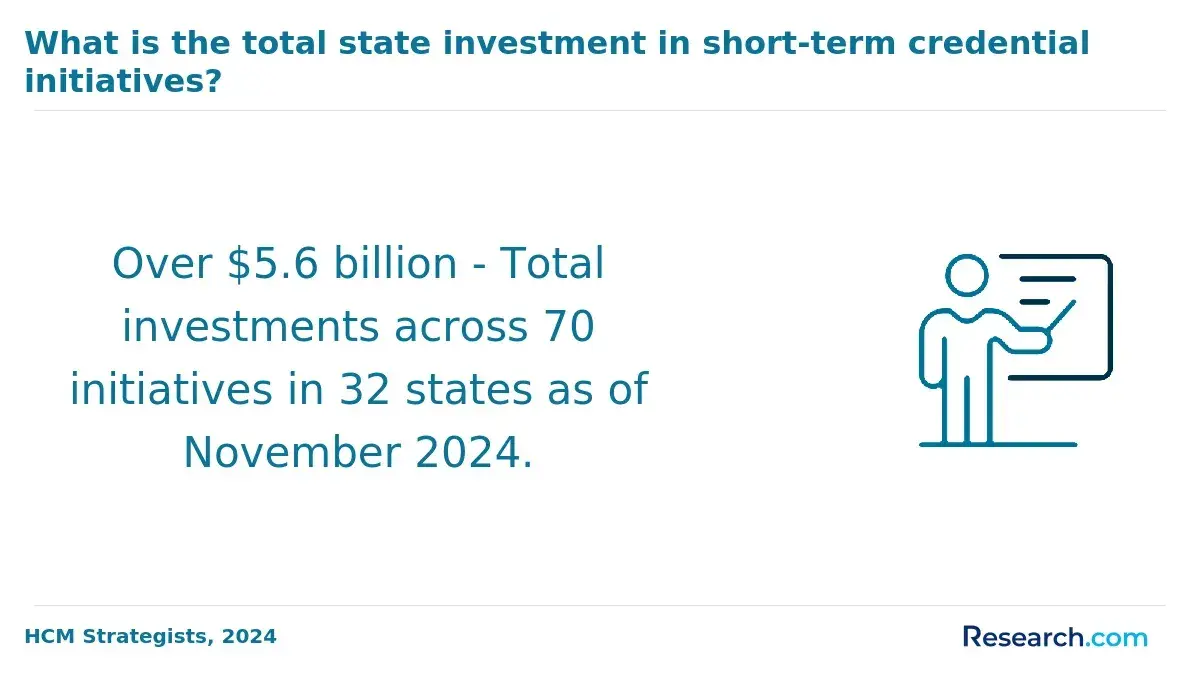
How do online oceanography degree programs work for veterans?
Online oceanography degree programs give veterans the flexibility to juggle education alongside work, family, or military duties by offering self-paced and asynchronous course formats. These options make it easier to fit learning into unpredictable schedules. Key program features supporting veterans include:
- Flexible Course Delivery: Students access lectures and materials on their own time, without fixed class hours, accommodating diverse daily routines.
- Varied Pacing Options: Veterans can select between traditional semester timelines or accelerated tracks, tailoring their progress to personal needs.
- Veteran-Focused Support: Dedicated advisors knowledgeable about military benefits assist with academic planning, while tutoring and online forums promote engagement.
- Maximizing GI Bill Benefits: Most programs accept Post-9/11 GI Bill and other VA benefits, providing tuition coverage, housing stipends, and book allowances for qualifying courses.
- Specialized Veteran Resources: Support includes help with VA enrollment certification, access to benefit specialists, and peer networks for shared experiences.
When asked about his experience, a veteran enrolled in an online oceanography program shared how navigating the shift from structured military life to self-managed learning posed real challenges. "The hardest part was creating a routine without someone telling me when to study," he said.
He emphasized how veteran-focused advising was crucial in understanding how to apply his GI Bill benefits properly. "It felt overwhelming at first-tracking deadlines and benefits-but having peers who've been through the same helped me stay motivated." His perspective highlights the program's practical flexibility and the importance of tailored support when balancing education with service commitments.
Veterans pursuing online oceanography degrees should ensure their programs are accredited, as this impacts eligibility for GI Bill benefits, including tuition coverage and housing allowances. Accreditation from agencies recognized by the U.S. Department of Education is required for VA approval, and approximately 93% of GI Bill users attend accredited institutions.
Institutional accreditation confirms the overall quality of the school—whether a veteran is starting with associates degrees in general science or moving directly into a bachelor's program—while programmatic accreditation verifies the quality of the specific oceanography or marine sciences curriculum. This distinction can be crucial for specialized career paths and licensure. Without proper accreditation, veterans may face difficulties transferring credits or gaining recognition from employers and graduate programs.
Accredited programs enhance long-term career prospects by ensuring that degrees meet industry standards recognized by employers and licensing bodies. Attending an accredited online oceanography program supports veterans in maximizing their military education benefits and facilitates smoother transitions between schools or into advanced studies.
Programmatic accreditation may also affect eligibility for professional certifications or licenses in certain oceanography-related roles. Therefore, verifying both institutional and programmatic accreditation is essential for veterans seeking meaningful educational and professional outcomes in this field.
Veterans comparing online oceanography degree program costs benefit from knowing the full financial picture before enrolling. The U.S. Department of Veterans Affairs estimates that average veteran education expenses beyond tuition and fees amount to about 15% of total costs. Below are key factors veterans should consider to understand their expenses effectively.
- Tuition Per Credit: Costs typically range from $300 to $600 per credit hour, depending on the institution. This rate can fluctuate based on program length and course requirements.
- Total Program Cost: Including all required credits and courses, total expenses often fall between $15,000 and $40,000. This reflects tuition combined with associated fees and materials.
- Mandatory Fees: Additional fees may include technology, lab, and registration costs, sometimes adding several hundred to over a thousand dollars. These fees are required regardless of veteran benefits.
- Housing Allowance: GI Bill® benefits cover tuition and fees, but housing allowances tend to be limited or unavailable for fully online learners, which can impact veterans' budgeting for living expenses.
- Out-of-Pocket Expenses: Veterans should expect to pay for textbooks, software, or equipment needed for science courses. These costs can total $1,000 to $2,000, especially if elective courses are not covered by benefits.
Veterans pursuing online oceanography studies can also explore related fields, such as online marriage and family therapy programs, which may offer different cost structures and financial aid options while making the most of GI Bill benefits for online oceanography tuition.
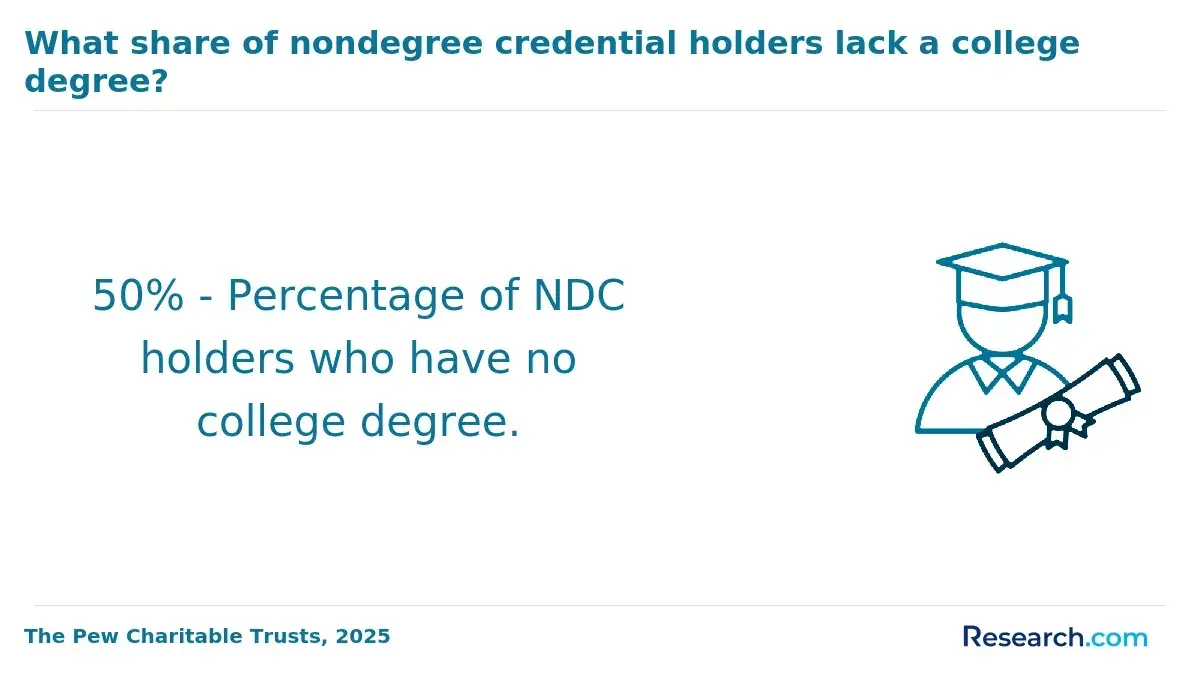
Veterans exploring online oceanography degree programs benefit from knowing how the Post-9/11 GI Bill supports their education financially. Since its launch, over 1.7 million veterans have accessed this benefit, making it a vital resource for academic advancement. The following points summarize key aspects of GI Bill benefits relevant to online oceanography students.
- Tuition Coverage: The Post-9/11 GI Bill typically covers full tuition and fees for in-state public institutions, with potential comparable support for approved private or foreign schools. This coverage helps minimize out-of-pocket expenses for eligible veterans.
- Housing Allowance: For students enrolled exclusively online, the monthly housing stipend is generally half the national average Basic Allowance for Housing rather than the full rate tied to the school's physical location. This adjustment requires careful budgeting when planning living expenses.
- Book and Supplies Stipend: Veterans can receive up to $1,000 annually to assist with costs related to textbooks and necessary course materials specific to oceanography coursework. This allowance helps ease the burden of additional educational expenses.
- Eligibility Requirements: To qualify, veterans must have served at least 90 days of active duty since September 10, 2001, and maintain satisfactory academic progress. Meeting these standards ensures continued access to GI Bill benefits throughout the program.
When I spoke with a veteran who completed an online oceanography degree, she reflected on how navigating the financial aspects wasn't always straightforward. "Knowing exactly what the GI Bill covered allowed me to focus more on my studies rather than stressing over tuition bills," she said.
She recalled challenges managing the reduced housing allowance while living off-campus but appreciated the book stipend's relief for costly textbooks. Her positive experience underscored how understanding and leveraging GI Bill benefits can make a significant difference in successfully balancing military benefits and academic goals.
Veteran support services play a vital role in helping military-affiliated students successfully navigate online oceanography degree programs. Research shows that veterans utilizing institutional support have a 15% higher graduation rate compared to those who do not. The following key services are commonly provided to meet their unique needs:
- Academic Advising: Personalized guidance assists veterans in selecting courses that align with their previous military experience and career aspirations, ensuring academic progress is clear and relevant.
- Benefits Counseling: Specialized advisors help veterans understand and maximize GI Bill® benefits, including tuition coverage, housing allowances, and other eligible educational expenses.
- Mental Health Resources: Tailored counseling and referrals address the emotional and psychological challenges veterans often face, supporting their well-being throughout the program.
- Career Services: Targeted job placement support includes resume evaluations, interview preparation, and networking opportunities within scientific fields related to oceanography.
- Peer Support: Veteran-focused groups create a sense of community, helping to reduce isolation that can occur with remote learning and fostering camaraderie among military students.
Veterans considering an online oceanography degree often balance education with work, family, or military commitments, making it important to understand how long the program may take. Several factors can influence the total duration and help veterans plan their use of GI Bill benefits effectively. Key considerations include:
- Enrollment Status: Full-time students typically complete a bachelor's degree in about four years, while part-time students may take longer depending on their course load and availability.
- Credit Transfer: Veterans can reduce degree completion time by transferring college credits earned previously or through military training, which lessens the number of required courses.
- Military Training Recognition: Some programs recognize prior military training and experience, offering additional credit that shortens the duration of study.
- Course Flexibility: Online oceanography degree programs often provide flexible scheduling options that accommodate veterans' responsibilities, allowing them to progress at their own pace.
- Program Length Variations: Degree requirements can vary, with some programs offering accelerated tracks or differing total credit needs, affecting overall completion time.
By carefully assessing these factors, veterans can choose a veteran-friendly online oceanography degree duration that fits their life circumstances while maximizing GI Bill benefits, which cover tuition and housing allowances for a limited time. For those seeking cost-effective options, exploring an affordable online bachelor's degree may also be a practical consideration.
Understanding potential career paths is essential for veterans exploring online oceanography degree programs to maximize the value of their education and GI Bill benefits. Employment opportunities in environmental science and oceanographic fields are expected to grow about 8% through 2032, according to the U.S. Bureau of Labor Statistics. Below are common roles and industries veterans can consider.
- Marine Research Scientist: Veterans with strong analytical skills and scientific training can conduct field and laboratory studies of ocean ecosystems. This role suits those interested in advancing marine biology and environmental knowledge within academic or research institutions.
- Environmental Consultant: Veterans can leverage their problem-solving abilities to influence marine conservation and sustainable resource management. This career involves advising governments and private companies on environmental policies and compliance.
- Oceanographic Technician: This hands-on position involves data collection and equipment operation, closely paralleling military technical experience. Veterans often excel in maintaining precision instrumentation and conducting field surveys.
- Coastal Resource Manager: Managing natural resources on coastal lands appeals to veterans who enjoy operational planning and teamwork. This role often intersects with government agencies committed to protecting shorelines and marine habitats.
Veteran job opportunities with oceanography degree programs align well with skills from military navigation, operations, and technical equipment management. Veterans can further optimize their career trajectory by considering highly focused and efficient degree paths, such as one year masters programs, which minimize time in school while maximizing GI Bill housing and tuition benefits.
Evaluating potential earnings after earning an online oceanography degree is essential for veterans considering program value and GI Bill benefits. The U.S. Bureau of Labor Statistics reported a median annual wage of about $93,580 for geoscientists, which includes oceanographers, in 2023. Various factors shape salary outcomes, including the following considerations:
- Industry Sector: Different sectors such as federal agencies, environmental consulting, and research organizations offer varied compensation, often influenced by funding and program focus.
- Job Role: Earnings fluctuate depending on the position held, with roles like marine research scientist or environmental specialist commanding distinct pay scales.
- Geographic Location: Coastal regions with active marine science communities typically provide higher salaries due to demand and cost of living differences.
- Experience and Education: Advanced degrees, certifications, and years in the field significantly boost earning capacity and access to senior roles.
- Military Skills: Veterans' technical expertise, leadership, and analytical skills often translate into advantages during salary negotiations or faster career progression.
Understanding these elements helps veterans optimize education choices and maximize the financial benefit of their oceanography degree and GI Bill funding.
What Graduates Say About Their Online Oceanography Degree for Veterans
- Kim: "Pursuing an online oceanography degree was a pivotal choice for me as a veteran seeking flexibility and a challenging new career path. The program's structure allowed me to balance family life while gaining cutting-edge knowledge, which eased my transition to civilian work. Completing the degree has opened doors in environmental consulting, where I apply my skills daily and continue to grow professionally."
- Leah: "After leaving the service, I reflected deeply on how to repurpose my discipline and rigor into something meaningful; enrolling in an online oceanography degree program exceeded my expectations. It not only provided affordable access-I learned the average cost is more manageable than many assume-but also gave me confidence stepping into the marine technology field. The program's real-world focus helped me pivot smoothly and set a new course for my civilian career. "
- Shannon: "This online oceanography program was a professional game changer for me. As a veteran accustomed to structured environments, the self-paced online format was initially a challenge, but it ultimately enhanced my time management and research skills. Graduating has empowered me to work in coastal resource management, where I leverage both my military experience and my academic training to make impactful decisions every day. "
Other Things You Should Know About Oceanography Degrees
Yes, but only if the school participates in the Yellow Ribbon Program and the student is eligible for the maximum Post-9/11 GI Bill rate. VA education benefits do not cover every cost; the school may match part of tuition above the GI Bill cap.
Some online oceanography programs in 2027 may include optional or mandatory residency or fieldwork requirements. These elements provide practical experience, crucial in a field like oceanography, where hands-on learning is invaluable. Veterans should verify if their program includes such components and if they fit with their schedule and location.
- Saint Leo University Launches Online Degree in Veteran Studies https://www.saintleo.edu/about/stories/blog/saint-leo-university-launches-online-degree-veteran-studies
- Credit for Your Military Education & Training | UMGC Europe https://europe.umgc.edu/transfers-and-credits/credit-for-your-military-education-training
- Maritime Warrior - A Veteran Project - maritimewarrior.org https://maritimewarrior.org/the-project.html
- Oceanography, M.S. https://www.fit.edu/programs/oceanography-ms/
- Meteorology and Oceanography (METOC) Officers https://www.usna.edu/Oceanography/ProspectiveStudents/Military-Applications.php
- Online Degrees for Veterans | Online, In-person, or On-base | NU https://www.nu.edu/military-and-veterans/veterans/
- U.S. Navy Meteorology & Oceanography Careers | Navy.com https://www.navy.com/careers-benefits/careers/science-engineering/meteorology-oceanography
- Master of Oceanography https://web.uri.edu/online/programs/graduate/master-of-oceanography/
- Education Benefits https://www.marines.com/life-as-a-marine/benefits/education.html
- Oceanography https://nps.edu/web/oceanography/course-list