2027 Are Online Oceanography Degrees Respected by Employers?

Co-Founder and Chief Data Scientist
Online oceanography degrees have gained significant traction as more students seek flexible learning options. Recent data shows that 73% of employers view online degrees as comparable in quality to traditional ones when earned from accredited institutions. This article aims to clarify employer attitudes toward online oceanography credentials and identify key factors that influence their acceptance in the job market. Understanding these perspectives can help prospective students make informed decisions about pursuing oceanography education online while preparing for the expectations of future employers in this competitive scientific field.
Key Benefits of Online Oceanography Degrees Respected by Employers
- Employers increasingly recognize online oceanography degrees from accredited institutions as equally valid, with surveys showing 72% of hiring managers have a positive view of such credentials.
- Graduates develop critical skills in data analysis, remote sensing, and environmental modeling, which are highly sought after in oceanographic research and industry roles.
- Studies indicate that online oceanography degree holders experience a 15% higher rate of job placement within six months compared to graduates without specialized training in this field.
Which Accrediting Bodies Make an Online Oceanography Degree Legitimate?
Accreditation is essential for ensuring the quality, legitimacy, and employer recognition of online oceanography degrees. It demonstrates that a program meets established academic standards, maintains qualified faculty, and consistently evaluates student outcomes. For prospective students and professionals, verifying accreditation status helps secure credible education, smooth credit transfers, and strong career prospects.
The main types of accreditation relevant to online oceanography degrees include the following:
- Regional Accreditation: This is considered the gold standard in higher education and is overseen by agencies such as the New England Commission of Higher Education oceanography accreditation (NECHE) and the WASC accreditation online oceanography degree programs. Institutions like the University of Rhode Island and the University of Alaska Southeast hold regional accreditation. It assures rigorous academics, broad employer acceptance, and easier credit transferability.
- National Accreditation: Typically granted to vocational, technical, or distance-learning institutions, national accreditation is valid but less prestigious than regional. It may limit credit transfer options and graduate study acceptance. Employers in science-related fields usually prefer degrees from regionally accredited schools.
- Programmatic (Specialized) Accreditation: Although there is no dedicated national accrediting body specifically for oceanography, some programs belong to colleges accredited by scientific or environmental education organizations. This specialized accreditation adds credibility by emphasizing field-specific standards and reputation.
Students interested in online oceanography degrees should always verify accreditation through institutional websites or agency databases. Doing so safeguards their education investment and increases chances for rewarding careers, including roles highlighted among the best 6 month programs that pay well.
Does University Reputation Affect Employer Views of Online Oceanography Degrees?
University reputation plays a critical role in shaping employer perceptions of online degrees, particularly in specialized fields like oceanography. The university ranking impact on online oceanography degrees is often a key consideration for employers when evaluating candidates, as it serves as an indicator of the program's academic rigor and overall quality.
Institutional prestige frequently boosts employer confidence by associating graduates with well-established standards and reliable skill development. This effect is reinforced by the accreditation status of online oceanography programs, which assures employers that graduates have met recognized educational benchmarks. Additionally, active alumni success demonstrates the practical value of these degrees, as graduates' career progress within respected organizations highlights the program's effectiveness.
Partnerships between universities and industry further enhance employer perception of accredited online oceanography programs by linking academic training directly to real-world workforce needs. Internships, research collaborations, and advisory boards provide students with hands-on experience, making their credentials more relevant and trustworthy in the eyes of hiring managers.
Despite the advantages of attending a reputable institution, employers emphasize the importance of demonstrated skills and relevant experience. Practical expertise and adaptability often outweigh the name of the school, especially in technical fields like oceanography. Candidates who can showcase discipline, initiative, and the ability to apply concepts effectively-whether through online certification programs that pay well or other means-tend to be favored in the hiring process.
Do Employers Treat Online and On-campus Oceanography Degrees Equally?
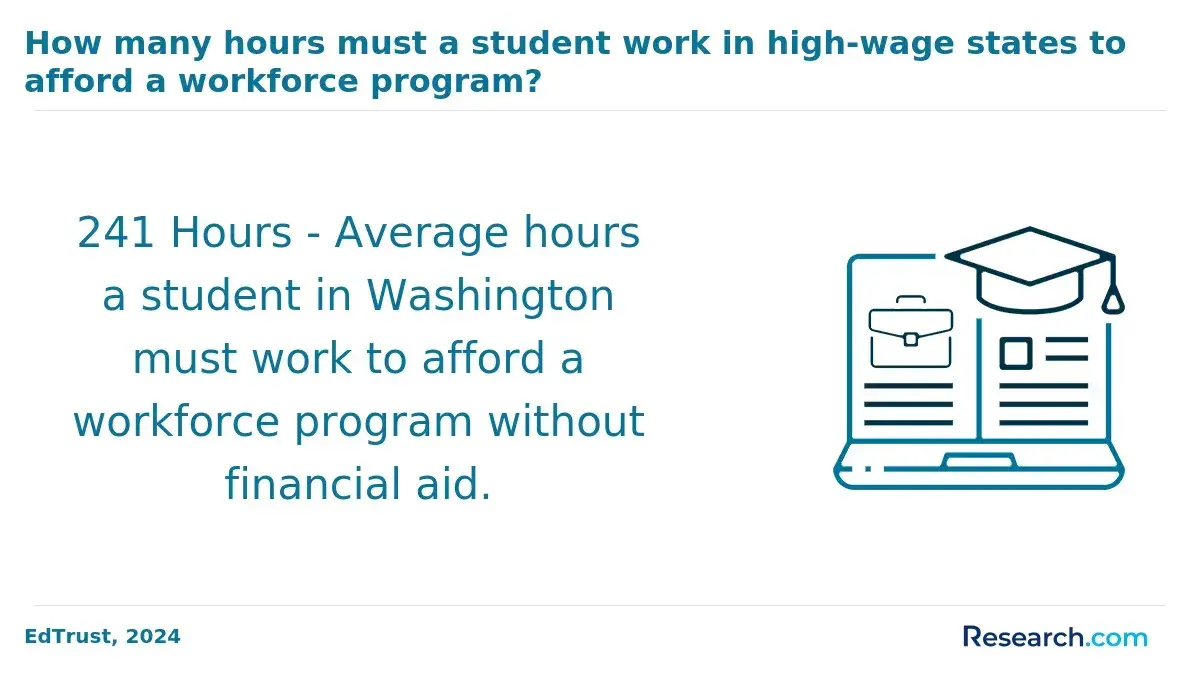
Employer perceptions of online oceanography degrees have improved significantly over the past decade, with many now viewing them as comparable to traditional on-campus credentials. This change is driven by the growing presence of reputable universities offering rigorous online programs that emphasize the same quality standards as their in-person counterparts.
As a result, graduates holding online oceanography degrees are increasingly able to pursue career opportunities with confidence, knowing that employers recognize their qualifications. Recent data shows that a vast majority of employers not only consider candidates with online degrees but also offer them equal starting salaries to those with on-campus degrees.
Despite this progress, hiring managers still differentiate between online programs based on factors such as the institution's reputation, accreditation, and the inclusion of practical training. Employers tend to favor online degrees from brick-and-mortar universities that offer both traditional and online coursework, viewing these credentials as more credible than those from exclusively online institutions.
In oceanography, where hands-on experience with technology and field research is critical, candidates who can demonstrate practical skills-whether through virtual labs or independent projects-are more competitive. To ensure their online degree holds equal weight in the job market, graduates should highlight their institution's accreditation, emphasize any brick-and-mortar affiliation, and clearly showcase how their program provided rigorous, experiential learning comparable to on-campus study.
AI technologies such as adaptive learning systems, virtual simulations, and AI tutors are significantly enhancing the quality and credibility of online oceanography education. Adaptive learning tailors the educational experience to individual student needs, improving comprehension and retention. Virtual simulations provide an immersive way to interact with complex marine ecosystems, allowing students to visualize and experiment with ocean dynamics in a controlled, realistic environment.
AI tutors offer personalized guidance and timely feedback, supporting students throughout their learning journey. Together, these AI-powered tools make online courses more engaging and effective, helping students gain practical skills and a deeper understanding of marine science that traditionally required in-person laboratory experiences.
The integration of these AI-driven advancements is positively influencing employer perception of online oceanography degrees. Employers are increasingly recognizing the value of candidates with online qualifications, particularly when programs leverage cutting-edge technology and come from reputable institutions. The use of AI in marine science education enhances program credibility by demonstrating that students receive training involving real-world scenarios and technology applications relevant to the field.
However, some skepticism still remains, mainly due to lingering biases toward traditional degrees and concerns about the consistency of online education quality. Nonetheless, the overall trend shows growing acceptance, especially in technology-driven fields where practical skills and adaptability are highly valued. Employers tend to trust online degrees more when they understand that graduates have benefited from AI-enhanced learning tools that prepare them effectively for professional roles in oceanography.
Online oceanography graduates stand out in the job market due to their blend of specialized technical knowledge and adaptable soft skills. These competencies prepare them to excel in multidisciplinary marine science roles and foster effective collaboration across various sectors.
Below are the most valued skills employers seek from online oceanography degree holders, showcasing how these programs build analytical and communication skills for oceanography careers.
- Data Analysis and Interpretation: Online courses develop strong proficiency in handling large datasets through digital tools and statistical software. Graduates learn to analyze marine ecosystem trends, a skill highly prized by government agencies and research institutions for informed decision-making.
- Interdisciplinary Communication: Oceanography's cross-disciplinary nature requires clear communication with experts in biology, chemistry, policy, and economics. Online environments enhance written and virtual collaboration abilities, enabling graduates to effectively present research to diverse audiences.
- Technical and Field Skills: Virtual labs and simulations familiarize students with scientific instruments, computer modeling, and remote sensing technologies. This practical proficiency supports both entry-level and advanced roles involving environmental monitoring and ocean data collection.
- Critical Thinking and Problem-Solving: Project-based assignments encourage strategic approaches to complex challenges like climate change and resource management. These experiences cultivate innovative problem-solving crucial for advancing ocean policy and conservation efforts.
- Project Management and Collaboration: Online programs emphasize independent learning alongside remote teamwork, developing organizational and leadership skills necessary for managing multi-phase research projects within budget and schedule constraints.
Students interested in accelerated paths may also explore options such as the fastest associate degree, which can complement their academic journey in oceanography.
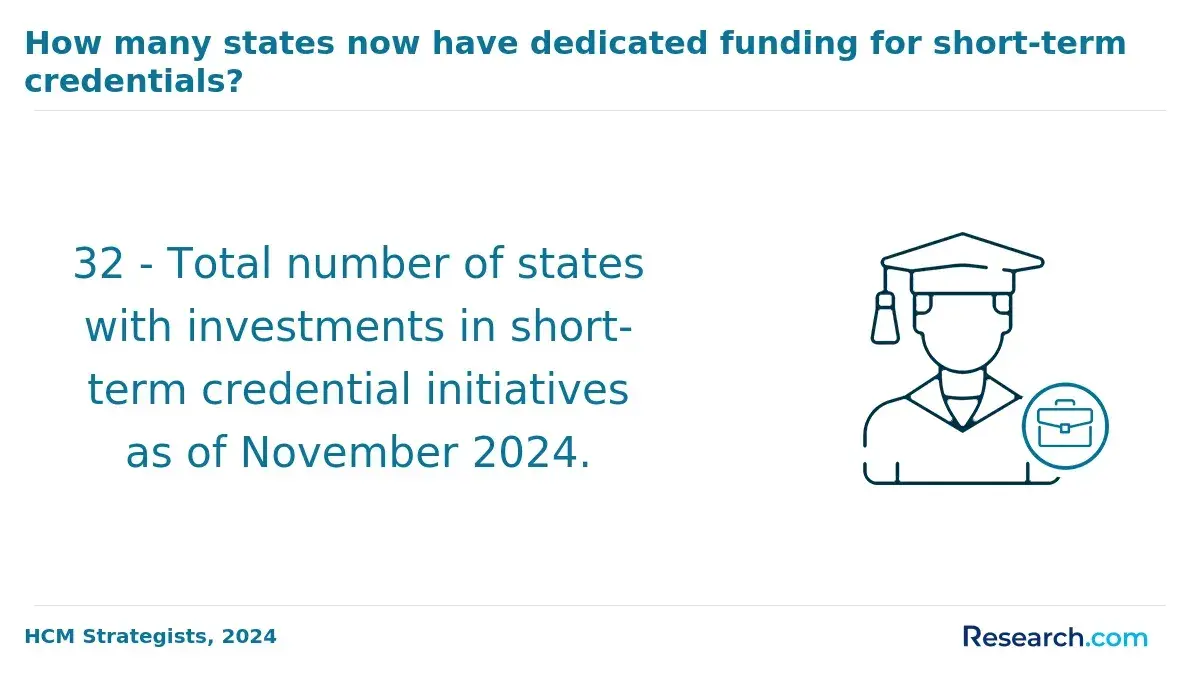
Earning professional certifications alongside an online oceanography degree can greatly enhance the degree's credibility and demonstrate industry-specific competencies to potential employers. These certifications provide an independent verification of skills that help validate the quality and rigor of online education in oceanography.
With this in mind, professional certifications strengthen the value of online oceanography degrees in several important ways:
- Specialized Skill Validation: Certifications like the Ocean Science Graduate Certificate from the University of Rhode Island or the Certificate in Oceanography from the University of Colorado Boulder require mastery of fundamental oceanography disciplines, including physical, chemical, and biological oceanography. Many involve practical or applied coursework, confirming graduates have met rigorous standards comparable to traditional programs.
- Employer Recognition: Certificates issued by accredited universities often appear on official transcripts, giving employers third-party assurance of a candidate's qualifications. Programs delivered through institutions such as ASU Online and Coursera stress that their certificates carry equal weight whether earned online or on-campus, which helps normalize these credentials in professional settings.
- Career Advancement: Industry-recognized certifications can be critical for gaining roles within environmental consulting, government agencies, fisheries management, or nonprofit organizations focused on ocean-related work. For example, the Ocean Science Graduate Certificate is known to enhance employability in these sectors by evidencing specialized knowledge.
- Demonstrated Commitment to the Field: Pursuing certification signals proactive engagement and a dedication to ongoing professional growth, qualities valued by employers in scientific and technical fields. It showcases a willingness to expand expertise beyond the degree itself.
- Broader Access to Opportunities: Many certificate programs are fully online and flexible, allowing working professionals or newcomers to gain valuable credentials without interrupting their careers. This flexibility also signals adaptability and strong self-motivation to employers.
Current evidence shows that there is no significant salary difference between online and on-campus Oceanography graduates. National and industry-wide trends indicate that the average salary for online Oceanography graduates in the US matches that of their traditional degree counterparts when other factors are comparable.
Several key factors contribute to salary comparison online vs traditional Oceanography degrees, which help explain this parity:
- Accreditation of the Degree: Employers prioritize candidates with degrees from accredited institutions, regardless of delivery format. An online oceanography degree from a reputable school is valued equally to an on-campus degree, ensuring similar earning potential.
- Employer Perception: The acceptance of online science degrees has grown, especially for programs that include hands-on components or are affiliated with respected universities. Employers increasingly focus on skills and competencies rather than how the degree was obtained.
- Work Experience and Internships: Practical experience, such as internships or research projects completed during studies, significantly influences starting salaries. Graduates with relevant experience tend to secure higher-paying positions regardless of degree format.
- Geographic Location: Salaries for oceanography professionals vary by region, with states like California and Massachusetts offering higher wages. These geographic variations apply equally to online and campus-trained graduates.
- Advanced Education and Specialization: Holding a master's degree or specialized training can boost earnings. Both online and on-campus graduates with advanced credentials have access to senior roles and increased compensation.
Students considering an online Oceanography degree can find options among affordable online colleges that accept financial aid, enabling access to quality education with salary prospects comparable to traditional programs.
Earning an online oceanography degree can significantly enhance long-term career advancement and promotion opportunities across diverse industries such as marine research, environmental consulting, and coastal management. With the increasing demand for experts in ocean science, graduates of online programs are well-equipped to ascend to leadership roles and secure specialized positions.
The following points detail the primary ways online oceanography degrees support professional growth and career mobility, helping individuals achieve their goals.
- Expanded Career Access: Completing an online oceanography degree provides access to a wide array of roles including marine researcher, environmental consultant, ocean policy advisor, and conservation scientist. Employers from government agencies to private institutions actively seek candidates who hold advanced marine science credentials, increasing job opportunities and career options.
- Flexible Skill Development: Online programs offer interdisciplinary coursework combined with technical training in GIS, remote sensing, and data analysis, ensuring graduates develop both foundational science knowledge and practical expertise. This combination allows working professionals to upskill and enhance their qualifications without interrupting their current careers.
- Employer Recognition and Respect: Growing acceptance of online science degrees by employers reflects the increasing rigor and accreditation of these programs. With curricula designed to meet workforce needs and led by recognized experts, online oceanography degrees hold considerable credibility and strengthen a graduate's professional profile.
- Leadership and Management Pathways: Acquiring advanced knowledge and project management skills through an online oceanography degree equips graduates for supervisory and policy-making roles. These positions are pivotal for higher salary brackets and promotion trajectories within organizations or entrepreneurial ventures.
- Adaptability for Emerging Challenges: The focus on strategic thinking, interdisciplinary communication, and responsiveness to environmental and societal changes prepares graduates to address new regulations and climate impacts. This adaptability makes degree holders valuable candidates for advancement in dynamic work environments.
Employers across various industries are increasingly open to hiring candidates with online oceanography degrees, recognizing that these programs develop strong technical competencies comparable to traditional education. This trend highlights the growing acceptance of remote learning and the expansion of oceanography job opportunities for remote graduates.
Several sectors are well known for actively recruiting graduates from online oceanography programs, offering diverse career paths and valuing the specialized skills these candidates bring:
- Government Laboratories and Federal Agencies: These entities offer numerous roles in research, environmental monitoring, and data analysis. They highly value the expertise in data collection and environmental assessment online oceanography graduates provide, often employing them as research technicians or policy advisors.
- Universities and Research Institutions: While advanced degrees are usually required for teaching or senior research roles, online graduates qualify for technical positions such as research technicians and laboratory coordinators. These institutions appreciate the practical skills developed through remote study for support roles in academia.
- Environmental Consulting Firms: Consulting companies engaged in marine resource management, coastal impact assessments, and sustainability projects actively hire online oceanography graduates. Their specialized knowledge aids these firms in delivering informed strategies on climate resilience and marine conservation.
- Technology and Data Analysis Companies: Firms focusing on GIS, remote sensing, and environmental data modeling seek graduates with strong quantitative and computational skills. Online programs prepare candidates well for these technical positions demanding analytical proficiency.
- Non-Profit and Conservation Organizations: Marine conservation nonprofits and environmental advocacy groups employ online oceanography graduates for campaign management, research support, and policy development. Their background helps advance environmental missions through evidence-based initiatives.
For individuals exploring a career for introvert, oceanography roles gained through online education offer promising opportunities that combine technical expertise with impactful work in diverse organizational settings.
Advances in technology, evolving accreditation standards, and shifting employer attitudes continue to reshape how online oceanography degrees are viewed in the job market. As digital learning environments improve and professional expectations adjust, the credibility of these programs is steadily increasing.
Several key trends are expected to strengthen the legitimacy and recognition of online oceanography programs in the coming years:
- AI-Driven Learning Validation: Artificial intelligence is being used to assess student competencies, ensuring mastery of both theoretical knowledge and practical skills. AI tools can track individual progress, customize learning paths, and verify fieldwork or research experience, which boosts confidence in the academic quality of online courses.
- Global Accreditation Collaboration: Accrediting organizations are coordinating internationally to create standardized benchmarks for online oceanography degrees. Programs gaining recognition from respected bodies, such as the University of Alaska, Fairbanks' online bachelor's in Fisheries and Marine Science, will help build greater employer trust in online credentials.
- Expanded Employer Partnerships: Universities are partnering more closely with employers to shape curriculum and research projects. This alignment ensures online training meets current industry needs and provides students with direct access to internships and job opportunities.
- Skill-Based and Evidence-Driven Hiring: Employers are increasingly prioritizing demonstrated skills, research experience, and field competence over the degree format. Online programs incorporating virtual labs, field simulations, and remote sensing technologies enable graduates to present strong portfolios showcasing their job readiness.
- Integration of Advanced Technologies: The incorporation of satellite data, environmental DNA analysis, supercomputing, and machine learning in online courses equips students with cutting-edge tools. This modern technical foundation enhances both the credibility and employability of online oceanography graduates.
Here's What Graduates of Respected Online Oceanography Programs Have to Say About Their Degree
- Weston: "Completing my online oceanography degree was a game-changer in securing a position with a leading environmental consulting firm. The flexibility of the program allowed me to gain relevant work experience simultaneously, which proved invaluable during interviews. I appreciate how the curriculum incorporated real-world data analysis and remote sensing techniques, preparing me for the evolving demands of the field. This degree opened doors to projects that positively impact coastal resilience and conservation efforts in underserved communities."
- Isola: "The online oceanography program helped me transition from a general science role to a specialized position in marine resource management within a government agency. Through engaging virtual labs and collaborative projects, I developed skills that employers highly value, like GIS mapping and oceanographic modeling. The supportive faculty and flexible schedule made balancing family and studies manageable, which was crucial for my personal growth. Now, I feel confident contributing to policies that protect marine biodiversity while advancing my career."
- Bryar: "Starting my career with an online oceanography degree has been incredibly rewarding. I was initially skeptical about the credibility of an online program, but the rigorous academic standards and extensive professional networking opportunities proved otherwise. The program's emphasis on applied research and internships enabled me to secure a position at a renowned marine research institute. Through this role, I'm able to mentor students and advocate for science education in underrepresented communities, which is deeply fulfilling."
Other Things You Should Know About Respectable Online Oceanography Degree Programs
Yes. Employers use regional accreditation to verify that a degree came from a recognized institution. In the United States, accreditation by a U.S. Department of Education-recognized agency is the main check. For research or federal jobs, this matters most when transcripts and degree verification are reviewed.
Yes, online oceanography degrees can lead to research roles, particularly if the program offers strong lab components or fieldwork opportunities. Candidates with hands-on experience gained through internships or partnerships with research institutions are more competitive for scientific positions.
In 2027, employers generally recognize and value internships completed during online oceanography programs, especially when they involve hands-on experience in established research institutions or marine organizations. These internships provide practical skills that are crucial in the field, bridging the gap between theory and application.
- The Impact of AI and Machine Learning on Elearning Platforms for HR Training https://blogs.psico-smart.com/blog-the-impact-of-ai-and-machine-learning-on-elearning-platforms-for-hr-training-168501
- Best Oceanography Degrees Online and On-Campus: Top 10 Values 2026 https://www.collegevaluesonline.com/rankings/bachelors-oceanography/
- Undergraduate programmes https://www.liverpool.ac.uk/earth-ocean-and-ecological-sciences/ocean-science-programmes/courses/
- Exploring Oceanography as a Career Path https://www.oceanologyinternational.com/london/en-gb/blog/articles/career-guide-oceanographer.html
- Bachelor of Earth Sciences and Master of Oceanography | The University of Western Australia https://www.uwa.edu.au/study/courses/bachelor-of-earth-sciences-and-master-of-oceanography
- The online platform to find a job in marine sciences https://www.blue-jobs.com/
- Oceanographer - Salary, How to Become, Job Description & Best Schools https://www.onlinedegree.com/careers/life-physical-science/oceanographer/
- Maritime Studies, B.A. Online https://uwf.edu/programs/online/maritime-studies-ba/
- Top 10 Oceanography Certificate Programs Online 2024 https://studyabroadnations.com/oceanography-certificate-programs-online/
- Superagency in the workplace: Empowering people to unlock AI’s full potential https://www.mckinsey.com/capabilities/mckinsey-digital/our-insights/superagency-in-the-workplace-empowering-people-to-unlock-ais-full-potential-at-work