2027 Best Oceanography Degrees for Working Adults

Co-Founder and Chief Data Scientist
Balancing a full-time job while pursuing an oceanography degree can challenge working adults seeking career growth in marine sciences. Approximately 34% of oceanography professionals report returning to school to gain specialized knowledge while maintaining employment. The need for flexible, accredited programs that offer online or evening courses is critical to accommodate busy schedules. Many institutions now provide tailored oceanography degrees designed to meet these demands, allowing students to advance without sacrificing current work commitments. This article examines the best oceanography degrees suited for working adults, focusing on program flexibility, accreditation, and career support to help readers make informed decisions aligned with their goals.
Key Things to Know About Oceanography Degrees for Working Adults
- Many oceanography programs offer flexible scheduling and online or hybrid formats, enabling working adults to balance education with professional responsibilities.
- Accelerated pacing options help professionals complete degrees faster, catering to those seeking swift career advancement in marine sciences.
- Degree curricula often align with employer needs, focusing on practical skills for environmental consulting, research, and resource management careers.
What Are the Best Oceanography Degrees for Working Adults?
The definition of the "best" oceanography degrees for working adults varies widely depending on factors like schedule flexibility, alignment with career goals, and return on investment. Increasingly, top accredited oceanography programs for professionals offer online and hybrid formats that enable part-time enrollment and asynchronous coursework to fit the demands of busy adult learners.
Several degree options stand out for employed students seeking practical and flexible education:
- Environmental Oceanography: This focus addresses marine ecosystems and pollution, equipping students with skills for environmental consulting or government roles. Many programs offer online courses to accommodate working schedules.
- Marine Resource Management: Emphasizing sustainable marine resource use, this path suits policy and management careers with classes often scheduled on weekends or evenings.
- Physical Oceanography: Concentrating on ocean currents and climate systems, this specialization is ideal for research or meteorology professionals, frequently available in part-time formats.
- Chemical Oceanography: Covering seawater chemistry relevant to environmental monitoring and pharmaceuticals, curricula are designed to support working students' pacing.
- Geological Oceanography: Studying ocean floor geology, this option features flexible learning for careers in oil, gas, or marine construction industries.
Programs typically integrate applied experiences linking theory and practice, enhancing career advancement without requiring full-time study. Adult learners should also consider affordability when evaluating options and can find insights by exploring resources such as the cheapest online MBA listings to compare costs across fields.
Choosing from these degrees allows working adults to pursue quality education aligned with professional ambitions, supported by flexible formats that respect full-time employment and offer excellent return on investment for career growth in oceanography.
What Are the Admission Requirements for Working Adults in Oceanography Degree Programs?
Admission requirements for working adults in oceanography degree programs are often tailored to address the distinct challenges faced by professionals balancing full-time jobs and education. With nearly 40% of graduate students in the U.S. enrolled part-time, many programs adjust entry criteria to support flexibility and practical experience. These adjustments help meet the needs of adult learners who seek career advancement while managing other responsibilities.
Below are common considerations in oceanography degree program entry criteria for professionals:
- Prior Work Experience: Relevant experience in environmental science, marine biology, or related fields can enhance an application by demonstrating applied knowledge and professional commitment in oceanography.
- GPA Expectations: While many programs consider overall undergraduate GPA, recent academic performance or relevant coursework might be weighted more heavily for working adults.
- Standardized Test Waivers: GRE or similar exam requirements are frequently waived for applicants with substantial work experience or advanced degrees, easing access for professionals.
- Professional Recommendations: Letters from supervisors or employers provide insight into an applicant's skills, work ethic, and potential to succeed in rigorous oceanography courses.
- Flexible Enrollment Options: Part-time, online, and evening classes are commonly available to accommodate the schedules of working adults pursuing oceanography degrees.
Those seeking accredited and flexible options may also explore the cheapest online counseling degree programs as a comparative example of adaptable online education pathways. Understanding how admission requirements vary can help prospective students identify programs that align with their needs and career goals.
What Coursework Is Required in Oceanography Degree Programs for Working Adults?
Coursework in oceanography degree programs designed for working adults balances career relevance, practical skills, and flexible learning formats such as asynchronous or condensed schedules. Over 40% of adult learners in oceanography-related fields seek programs that offer immediate applicability to their professional roles, emphasizing hands-on knowledge that supports career growth.
Key areas of oceanography coursework requirements for working adults typically include the following:
- Marine Ecology: Focuses on the interactions between marine species and their habitats, preparing professionals to contribute to conservation and sustainable resource management efforts.
- Physical Oceanography: Covers the study of ocean currents, waves, and their impact on climate, which is essential for roles involving environmental consulting and climate research.
- Marine Geology: Explores the structure and composition of the ocean floor, providing foundational knowledge applicable to offshore energy and environmental impact assessments.
- Marine Chemistry: Examines chemical processes in seawater, helping professionals monitor pollution and manage marine resources effectively.
- Oceanographic Data Analysis: Introduces quantitative and statistical methods to interpret ocean data, crucial for informed decision-making in research, policy, and technology development.
Each course is tailored to equip students with practical skills that directly enhance job performance and enable career advancement. For those balancing work and study, programs similar to recommended ones in mlis offer flexible options to achieve accredited degrees while meeting oceanography coursework requirements for working adults.
Completion times for an oceanography degree can vary significantly for working adults due to balancing education with professional and personal commitments. Data indicates that part-time students in science disciplines often take around five to six years to finish their programs, longer than the traditional four-year track.
Several key factors contribute to these variations:
- Program Format: Online and hybrid learning offer flexibility but can affect how quickly students progress depending on individual pacing and course availability.
- Course Load: Enrolling part-time with fewer courses each term naturally extends the duration compared to full-time study schedules.
- Prior Credits: Earned college credits or relevant certifications may shorten the required coursework, enabling faster completion.
- Work Schedule: Demanding or unpredictable job hours often limit study time and can delay graduation timelines.
- Accelerated Options: Intensive summer sessions or accelerated paths allow motivated learners to advance at a quicker pace.
When asked about his experience earning an online oceanography degree while maintaining full-time employment, one professional recalled, "Juggling late-night study sessions after work was exhausting, but the flexibility of the program made it possible." He noted that staying organized and motivated through challenging periods was crucial. "There were moments of doubt, especially when balancing deadlines and work projects, but seeing progress each semester helped me stay on track." His journey highlights that while the timeline can stretch, determination and adaptable program structures support success for working students.
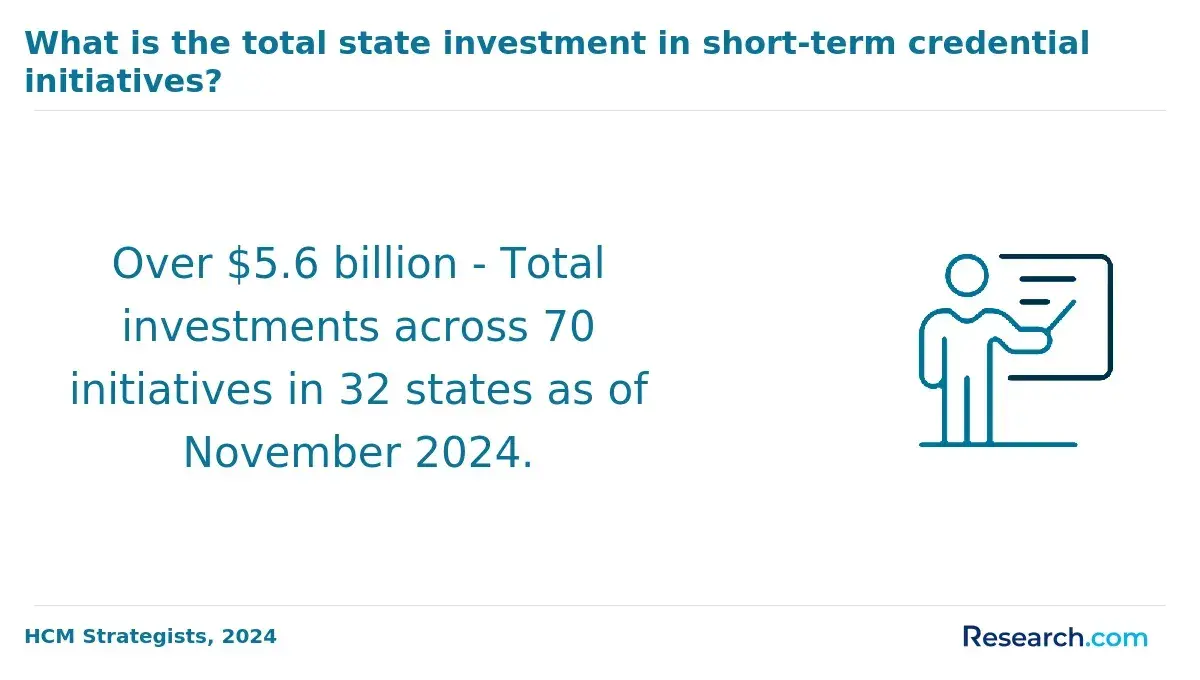
For working adults, the expense of earning an Oceanography degree requires careful budgeting, especially since part-time students-who often balance jobs alongside studies-typically pay 15% to 30% less per credit hour in online or hybrid formats. This cost-saving trend makes flexible learning options more accessible without compromising educational quality.
Several elements impact the overall expenses for employed students pursuing this field:
- Tuition per Credit: Costs differ widely by institution and residency status, with public universities generally charging lower rates for in-state students, making location a key factor in affordability.
- Program Duration: Choosing accelerated or adaptable schedules can shorten the time to degree completion, potentially lowering the total money spent on tuition and fees.
- Additional Fees: Expenses beyond tuition, such as laboratory, technology, and materials fees, can increase financial requirements given the practical nature of Oceanography courses.
- Delivery Format: Online programs often reduce costs by eliminating commuting and offering lower fees, benefits that suit full-time workers seeking convenience and savings.
- Financial Support: Access to scholarships, grants, and employer tuition reimbursement programs can substantially decrease out-of-pocket costs, making education more affordable for working professionals.
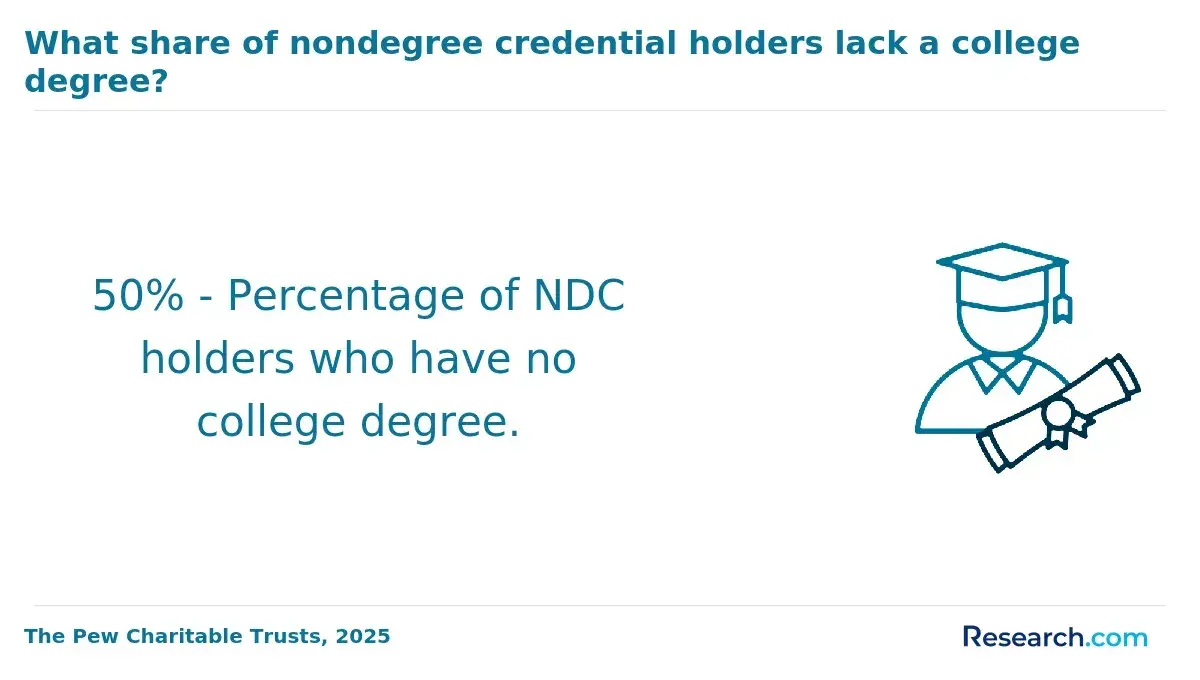
Balancing work, family, and education can put significant financial pressure on adults pursuing an Oceanography degree, making financial aid essential to ease this challenge. Various support options exist to help these students manage costs while continuing their careers and studies.
Key sources of financial aid include:
- Federal Financial Aid: Need-based programs such as Pell Grants and Direct Loans offer crucial funding and affordable borrowing options to eligible students enrolled in accredited Oceanography programs.
- Employer Tuition Assistance: Many employers provide tuition reimbursement or assistance programs designed to encourage professional growth related to the employee's field, often tied to maintaining satisfactory performance or tenure.
- Scholarships for Adult Learners: Tailored scholarships reward non-traditional students returning to school, recognizing academic achievements, career aspirations, or specific demographic criteria.
- Grants: Additional state and private grants can supplement federal aid, frequently aimed at high-demand areas like Oceanography and awarded based on merit or financial need without requiring repayment.
- Flexible Payment Plans: Institutions often offer installment options, enabling students to divide tuition expenses over time and reduce immediate financial strain.
When discussing these options with a professional who completed an Oceanography degree while working, she recalled the constant juggling act between classes, job responsibilities, and family life. She shared, "Applying for grants and employer tuition help really changed the game for me-it allowed me to keep moving forward without giving up on my career." Although the application processes at times felt overwhelming, having access to multiple funding sources provided a safety net. She reflected on the peace of mind that came from knowing financial barriers wouldn't stop her ambitions, emphasizing that persistence and exploring every available aid option were key to her success.
Balancing coursework, employment, and personal life poses significant challenges for adults pursuing an Oceanography degree. Institutional support services play a vital role in helping these students maintain academic momentum while managing competing responsibilities.
- Academic Advising: Tailored course planning assists students in selecting classes that accommodate their busy schedules and align with long-term career objectives. This personalized guidance helps avoid unnecessary coursework and speeds up degree completion.
- Flexible Scheduling: Programs often offer classes in the evenings, on weekends, or through asynchronous online formats. This flexibility enables students to fit studies around work hours and family commitments without sacrificing educational quality.
- Online Learning Support: Access to virtual tutoring, tech help, and collaborative study groups enhances comprehension and keeps students connected, even when they cannot attend campus-based sessions.
- Career Services: Services like resume critique, internship opportunities, and job placement assistance assist adult learners in advancing or shifting their careers within oceanography-related fields.
- Mental Health Resources: Counseling and stress management programs provide essential emotional support, helping students navigate the pressures of balancing academic and personal challenges.
Accreditation for oceanography programs indicates that they meet specific quality standards established by recognized agencies. This ensures curriculum relevance, qualified faculty, and adequate resources, which is crucial for working adults balancing education with employment. Accredited degrees are generally valued more by employers, enhancing job prospects and career growth. Additionally, only students at accredited schools usually qualify for federal financial aid, a key factor for adults financing their education. Notably, over 40% of graduate students in the U.S. are age 30 or older, highlighting the demand for accessible, high-quality programs tailored to adult learners.
The long-term benefits of an accredited oceanography degree include easier credit transfer between institutions, supporting adults who may change schools or programs. Accreditation also influences eligibility for professional licenses and certifications in environmental science and related fields, which often require accredited credentials. This recognition boosts the degree's credibility and supports career mobility. Therefore, accreditation provides working adults with a reliable foundation for future opportunities and advancement within their chosen field.
Salary growth is a key motivator for working professionals considering an Oceanography degree, as it often signals career advancement and deeper expertise in a specialized field. Adults with Oceanography degrees typically have starting salaries between $50,000 and $70,000, with potential increases to $80,000 or more as they gain experience and assume higher-level roles.
- Industry Demand: Certain sectors like environmental agencies and marine technology companies actively seek employees with Oceanography expertise, boosting earning potential due to market need. This demand influences hiring trends and salary offers for degree holders.
- Role Advancement: Higher positions, such as project managers or senior researchers, often require advanced knowledge gained from an Oceanography degree and provide better compensation aligned with leadership responsibilities.
- Employer Policies: Organizations may offer salary increments, bonuses, or promotions for employees who pursue further education, making the degree a worthwhile investment for working adults aiming to increase earnings.
- Years of Experience: Professionals combining an Oceanography degree with practical experience tend to command higher salaries by applying both theoretical knowledge and hands-on skills effectively in their roles.
- Specialization: Focusing on niche areas within Oceanography-physical, chemical, or biological-can lead to higher salaries, especially in technically complex or highly sought-after subfields.
Working adults searching for flexible, accredited programs can find options tailored to balance full-time employment and studies. For those interested in complementary leadership skills alongside a technical degree, exploring online doctoral programs in leadership may support enhanced career growth with oceanography degree for professionals aiming for managerial roles.
An oceanography degree enables working adults to qualify for higher-level, specialized, or leadership roles rather than remaining in entry-level positions. For experienced professionals, this academic credential deepens scientific knowledge and technical skills critical for advancement.
Graduates of oceanography programs often progress into positions that require managing complex projects, conducting advanced research, or guiding policy decisions in marine science. The degree equips individuals with key competencies in data analysis, environmental assessment, and interdisciplinary collaboration necessary for career growth in this field. Below are some career advancement opportunities available for those pursuing oceanography careers for working adults.
- Marine Scientist: This role involves designing and leading research projects focused on marine ecosystems, pollution, or climate impacts. It marks a progression from technician or assistant positions by demanding increased autonomy and subject-matter expertise.
- Oceanographic Data Analyst: Professionals in this role analyze intricate oceanographic data to support navigation, resource management, or conservation efforts. A solid foundation in oceanography ensures proficiency with specialized software and scientific interpretation, vital for this advanced role.
- Environmental Consultant: Working in this capacity entails advising industries or government agencies on marine environmental concerns. The degree aids in delivering credible assessments and guiding regulatory compliance, strengthening leadership potential.
- Marine Policy Specialist: This position bridges science and regulation, focusing on shaping policies for sustainable ocean resource management. Comprehensive oceanography knowledge enhances effectiveness in impacting marine policy decisions.
- Project Manager for Oceanographic Initiatives: Overseeing fieldwork or technology deployments, this role requires coordination skills and scientific expertise, often attained through combining professional experience with formal study.
Working professionals interested in enhancing their credentials can explore flexible, accredited programs tailored to full-time employment schedules. Some also consider certifications online to complement their oceanography degrees and boost earning potential. Pursuing such pathways is a strategic move toward securing high-paying oceanography jobs for professionals.
What Graduates Say About Their Oceanography Degrees for Working Adults
- Emett: "Choosing an online oceanography degree while working full-time was challenging but rewarding. The flexibility allowed me to balance my job and studies without compromising either. Considering that the average cost for such programs hovers around $15,000 to $25,000, I found it to be a smart investment in my career growth. Since graduating, I've secured a position as a marine consultant, which has opened many exciting opportunities. "
- Gwen: "Enrolling part-time in an oceanography program was a thoughtful decision rooted in my desire to deepen my expertise without leaving my job. The tuition was surprisingly affordable compared to traditional programs, often between $10,000 and $20,000, which eased my financial concerns. Reflecting back, this step has significantly enhanced my credibility and led to several project leadership roles in environmental research. "
- Niel: "I opted for an online oceanography degree to maintain career momentum while expanding my scientific knowledge. The cost was reasonable for working adults, typically around $12,000 to $22,000, which aligns well with my budget. Having completed the program, I've noticed a clear advancement in my professional profile and have been entrusted with more complex assignments. This program truly bridged my academic interests with practical career benefits."
Other Things You Should Know About Oceanography Degrees
Working adults can successfully balance an oceanography degree program with their professional commitments by opting for flexible online learning options and utilizing part-time study schedules. Additionally, time management skills and effective communication with employers about workload adjustments can ease the balancing act.
Accredited online oceanography programs generally offer comparable curricula to traditional on-campus degrees. They may include interactive lectures, virtual simulations, and remote access to research databases. However, certain practical skills might require occasional in-person sessions or local arrangements, so adults should carefully review program delivery methods before enrolling.
Most oceanography programs require college algebra or precalculus, two semesters of calculus, general chemistry, introductory biology, and often physics. Some schools also expect statistics and computer literacy. Adult applicants without these courses may need to complete prerequisites or take them during the first year.
- Ocean Sciences https://www.liverpool.ac.uk/courses/ocean-sciences-bsc-hons
- Oceanographer - Salary, How to Become, Job Description & Best Schools https://www.onlinedegree.com/careers/life-physical-science/oceanographer/
- Oceanography https://vancouver.calendar.ubc.ca/faculties-colleges-and-schools/faculty-science/bachelor-science/oceanography
- Accreditation - Woods Hole Oceanographic Institution https://www.whoi.edu/what-we-do/educate/apo/accreditation/
- Careers in the Aquatic Sciences - ASLO https://www.aslo.org/professional-development/careers-in-the-aquatic-sciences/
- A Day in the Life of a Marine Biologist https://www.seamester.com/blog/a-day-in-the-life-of-a-marine-biologist/
- Sea Education Association https://sea.edu/
- Understanding Oceanography Salaries: What to Expect - Oreate AI Blog https://www.oreateai.com/blog/understanding-oceanography-salaries-what-to-expect/25362f0e53da5fae101c933c55b3e853
- Marine Sciences & Oceanography: Directory of Internships, Research Opportunities, Scholarships & Fellowships https://www.pathwaystoscience.org/Discipline.aspx