
2027 Return on Investment (ROI) of a Speech Pathology Degree Program

Co-Founder and Chief Data Scientist

Reviewed by Rhea Paul, PhD
SLP Education & Research Expert
A speech pathology degree can lead to a stable, service-oriented career, but the financial decision is not simple. Students often weigh graduate tuition, clinical training requirements, licensing expectations, and potential debt against a profession with strong demand. According to the U.S. Bureau of Labor Statistics, employment of speech-language pathologists is projected to grow 17% from 2025 to 2035, far faster than average.
This guide explains how to judge the return on investment of a speech pathology degree before enrolling. It covers program costs, financial aid, completion time, online versus on-campus formats, salary potential, advancement options, industry differences, accreditation, and graduate perspectives so you can decide whether the degree fits your career goals and financial situation.
Key Things to Know About Speech Pathology Degree ROI
- Speech pathology graduates see a median annual salary of approximately $97,870, reflecting strong earning potential compared to many allied health professions.
- The field offers diverse career advancement opportunities in healthcare, education, and private practice, supporting long-term professional growth.
- High job stability exists due to increasing demand for speech therapy services, with expected employment growth of 17% from 2025 to 2035.
How Is ROI Calculated for a Speech Pathology Degree Program?
ROI for a speech pathology degree compares what you spend to earn the credential with what the degree helps you gain over time. A useful ROI calculation should include direct education costs, lost income while studying, loan repayment, expected salary, job stability, and the career options the credential makes possible.
A simple way to think about it is this: the degree has a stronger ROI when it leads to reliable employment, reasonable debt, licensure eligibility, and earnings that justify the cost within a realistic timeframe.
Key factors in a speech pathology ROI calculation
- Tuition and fees: Include tuition, university fees, textbooks, software, clinical materials, background checks, and any program-specific costs. Looking only at advertised tuition can understate the true price.
- Opportunity cost: If the program requires full-time study or daytime clinical placements, you may need to reduce work hours or pause full-time employment. Lost wages are part of the total investment.
- Time to completion: A shorter pathway can reduce living costs and help you begin earning sooner. A longer part-time option may cost more in time but can allow you to keep working.
- Post-graduation salary: Starting pay, local demand, work setting, and salary growth determine how quickly you can recover your costs. ROI improves when graduates can enter positions with stable demand and clear wage progression.
- Long-term career advancement: Specializations, supervisory roles, private practice, and healthcare leadership can increase lifetime earnings. A program that supports clinical readiness and licensure may create stronger long-term value.
Students comparing the financial return of people-focused graduate degrees may also review online MSW programs as an alternative route into healthcare, community service, and social support careers.
The best ROI estimate is personal. Compare the total cost of each program with your likely employment setting, state licensure requirements, expected borrowing, and how quickly you need to earn a full-time professional income.
How Much Does a Speech Pathology Degree Program Cost?
The cost of a speech pathology degree can vary widely by school, residency status, format, and clinical requirements. Cost matters because graduate tuition in the U.S. has steadily risen by nearly 3% annually over the past decade. For ROI, the relevant question is not only “Can I afford the program?” but “Will the total cost remain manageable after graduation?”
Students should build a full cost estimate before applying or accepting admission. A realistic budget should include both billed charges and indirect expenses.
- Tuition and fees: These are usually the largest costs. Compare total program tuition, not only per-credit pricing, because programs may differ in credit requirements and mandatory fees.
- Books and materials: Textbooks, clinical tools, assessment materials, software, and technology requirements can add recurring expenses each term.
- Living and relocation costs: Some programs require students to move, commute to clinical sites, or complete placements in specific locations. Housing, transportation, parking, and childcare can significantly affect affordability.
- Opportunity cost: If coursework and clinical placements limit your ability to work full time, lost income should be treated as part of the degree’s cost.
- Indirect fees: Certification exam fees, liability insurance, immunizations, background checks, clinical attire, and technology charges may not appear in the headline tuition price.
One speech pathology graduate described the challenge of unexpected costs alongside tuition: “Between purchasing clinical equipment and juggling part-time work, staying afloat was stressful.” He noted that the academic workload was demanding, but the financial pressure became easier to manage once he built a detailed budget and planned for clinical expenses in advance.
Before choosing a program, ask for a complete cost breakdown, including fees, expected clinical expenses, and whether placement requirements could affect your work schedule. The lowest advertised tuition is not always the lowest total cost.
What Financial Aid Is Available for Speech Pathology Degree Programs?
Financial aid can improve ROI by reducing the amount you borrow and lowering the monthly repayment burden after graduation. Nearly 80% of graduate students use financial aid, making aid planning a central part of evaluating a speech pathology degree.
Students should prioritize aid that does not require repayment, then compare loan options carefully if borrowing is necessary.
- Scholarships: Scholarships may be awarded for academic merit, financial need, service commitments, diversity initiatives, or professional goals. Because they do not require repayment, they directly reduce the net cost of the degree.
- Grants: Grants can come from government, institutional, or professional sources. Like scholarships, they reduce out-of-pocket costs without adding debt.
- Federal loans: Federal loans can help cover remaining costs and may offer repayment protections that private loans do not. Borrow only what you need, and estimate monthly payments before accepting the full amount.
- Fellowships: Fellowships may include tuition support, stipends, research opportunities, or teaching assignments. They can lower costs while strengthening academic and professional experience.
- Employer tuition assistance: Some employers help pay for graduate education, especially when the degree supports workforce needs. Review service obligations, grade requirements, and repayment clauses before using this benefit.
Apply early and compare aid packages by net cost, not sticker price. A program with higher tuition may be more affordable if it offers stronger scholarships, assistantships, or employer-supported pathways.
Breakdown of Private Fully Online For-profit Schools

How Long Does It Take to Complete a Speech Pathology Degree?
Completion time affects ROI because it determines when you can begin earning as a credentialed professional and how long you may carry education-related expenses. A faster program may reduce opportunity cost, while a slower pathway may let you keep working and borrow less.
Several factors influence how long a speech pathology degree takes to complete:
- Enrollment status: Full-time study usually leads to faster completion but may limit employment. Part-time study can be more manageable financially in the short term, though it delays graduation.
- Program format: Online and accelerated formats may offer scheduling flexibility, but students still need to complete required clinical experiences. Flexibility does not remove clinical training obligations.
- Transfer credits: Approved prior coursework can reduce the number of courses needed, but transfer rules vary by institution and may be limited for clinical or professional requirements.
- Internship and thesis requirements: Clinical placements, practicums, capstone projects, or thesis work can add time but are important for professional preparation and licensure readiness.
- Scheduling flexibility: Evening, hybrid, or asynchronous coursework may help working students, but placements may still occur during standard business or school hours.
A speech pathology graduate described the timeline as demanding but valuable. She said balancing clinical internships with coursework required late nights and careful planning. Although these requirements added months to her studies, she felt the hands-on experience improved her confidence and employability. For ROI, the lesson is clear: speed matters, but clinical preparation also affects career readiness.
Is ROI Higher for Online or On-Campus Speech Pathology Programs?
ROI can be strong in either online or on-campus speech pathology programs, but the better choice depends on total cost, clinical placement support, work flexibility, and how you learn best. Online enrollment in graduate programs grew by about 5% annually before 2020, and remote learning has become more accepted, but students should still evaluate quality and accreditation carefully.
Online programs may improve ROI when:
- You can keep working: Flexible coursework may reduce lost income while you study.
- You avoid relocation: Staying in your current community can lower housing, transportation, and moving costs.
- Total tuition is lower: Some online programs charge less or reduce campus-based fees, though this is not guaranteed.
- Clinical placements are well supported: Online students should confirm how the program helps secure required local clinical experiences.
On-campus programs may improve ROI when:
- You benefit from in-person training: Face-to-face simulation labs, faculty access, and peer interaction may strengthen clinical confidence.
- The school has strong local partnerships: Established placement networks can help students access hospitals, schools, clinics, and rehabilitation settings.
- Career services are robust: Some campuses offer stronger networking, alumni access, and employer relationships.
If you are comparing flexible programs, review accreditation, clinical placement policies, total cost, and graduation requirements rather than relying only on lists of online slp master's programs.
Students who want to compare flexible graduate study models in related fields can also review online psychology programs.
The format with the highest ROI is the one that helps you finish, qualify for licensure, manage debt, and enter the workforce without unnecessary delays.
What Is the Average Salary After Earning a Speech Pathology Degree?
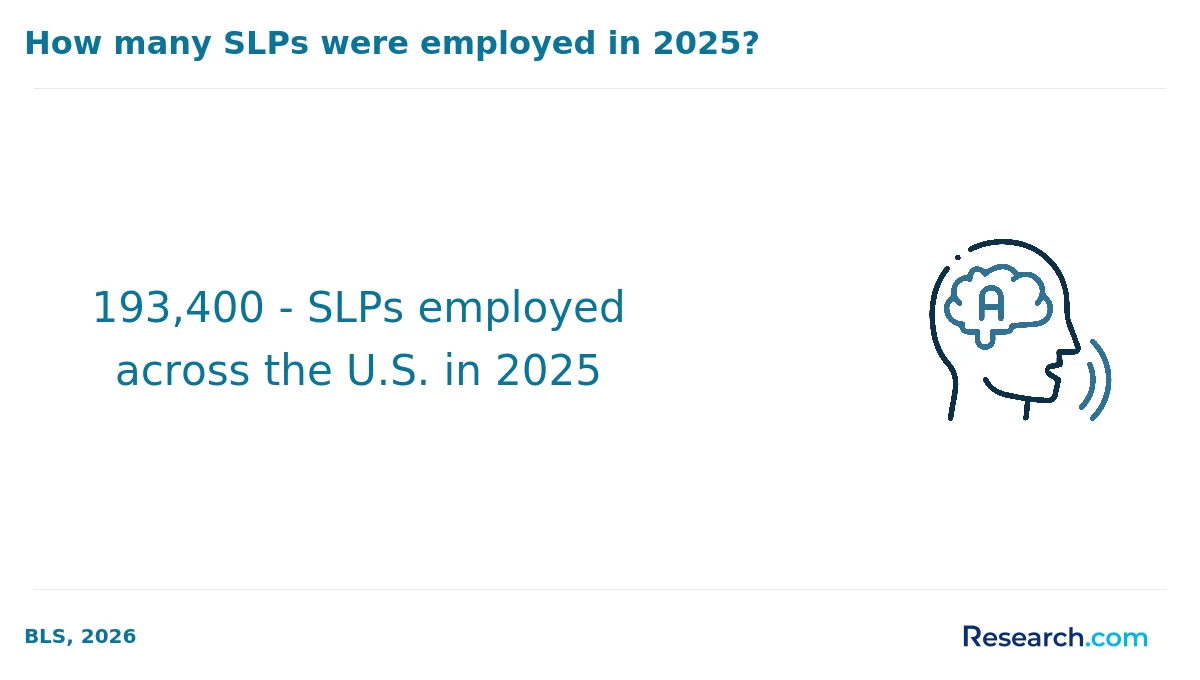
Salary is one of the biggest drivers of ROI because it determines how quickly graduates can repay education costs and build financial stability. The average speech pathology salary in the US typically ranges from $62,900 to $134,160 annually, with entry-level professionals starting near $60,000 and experienced individuals or those in leadership roles earning more than $90,000.
Earnings can vary significantly by employer, location, specialization, and years of experience. Students should compare likely salaries in the state and setting where they plan to work, not just national averages.
- Industry: Healthcare and private practice roles may offer higher pay than some school or nonprofit positions, though benefits, schedules, and workload can differ.
- Geographic location: Metropolitan and high-demand areas may pay more, but higher salaries may come with higher living costs.
- Prior experience: Related clinical, education, or healthcare experience can strengthen a graduate’s job prospects and may support faster advancement.
- Specialization: Focus areas such as pediatric feeding disorders, neurogenic communication, or medically complex cases may create additional opportunities.
- Career level: Supervisory, administrative, and program leadership roles often pay more than entry-level clinical positions.
Students comparing graduate education investments may also review a master’s in psychology online to understand how related degrees differ in cost, training, and employment outcomes.
Does a Speech Pathology Degree Lead to Promotions?
A speech pathology degree can support promotions when it helps graduates meet credential requirements, qualify for specialized roles, and build the clinical expertise employers need. Promotions improve ROI by increasing pay, expanding responsibilities, and opening paths into leadership, supervision, administration, or advanced clinical practice.
Degree value is strongest when paired with licensure, strong clinical performance, continuing education, and experience in high-need areas.
- Credential requirements: Many advanced clinical, supervisory, and specialized positions require formal education and professional qualifications. The degree can be the entry point for those roles.
- Leadership preparation: Graduate programs may build communication, documentation, assessment, team collaboration, and case management skills that support leadership growth.
- Employer support: Some employers connect tuition reimbursement, salary increases, or internal advancement to relevant credentials and continued service.
- Career flexibility: The degree can support movement across schools, hospitals, outpatient clinics, rehabilitation centers, private practice, higher education, and administration.
- Experience synergy: Employers often promote professionals who combine credentials with strong outcomes, sound judgment, and the ability to mentor others.
Students trying to shorten their path into graduate-level preparation may compare undergraduate completion options such as an accelerated bachelor’s degree. For speech pathology ROI, the promotion value of the degree depends on whether it leads to licensure-ready training, recognized credentials, and roles with real advancement potential.
Which Industries Offer the Best ROI for Speech Pathology Graduates?
ROI for speech pathology graduates differs by industry because pay, benefits, schedule, advancement, and job stability are not the same across settings. The highest-paying option is not always the best ROI if it comes with unstable caseloads, limited benefits, or high burnout risk.
Common industries for speech pathology graduates include:
- Healthcare: Hospitals and clinics can offer strong salary growth, exposure to complex cases, and opportunities to specialize. Demand is supported by patient needs across age groups, including older adults.
- Education: Schools and universities provide steady demand and valuable benefits, including pensions. Starting salaries may be moderate, but predictable schedules and long-term stability can strengthen overall value.
- Rehabilitation and outpatient care: These settings may reward specialized therapeutic skills and provide opportunities to work with patients recovering from injury, illness, or developmental challenges.
- Corporate/private practice: Private practice and consulting can offer greater autonomy and higher earning potential for experienced professionals, though income may depend on referrals, business management, and payer mix.
Students should evaluate industries by total compensation, not salary alone. Benefits, loan repayment options, schedule flexibility, supervision quality, and advancement pathways can change the real financial return of a position.
Career changers comparing quick online degrees can review fast online degrees to see how speech pathology compares with other fields in training length, cost, and earning potential.
Does Accreditation Affect ROI for a Speech Pathology Degree?
Yes. Accreditation can have a major effect on ROI because it influences licensure eligibility, employer confidence, financial aid access, and career mobility. In speech pathology, choosing a properly accredited program is not just a quality marker; it can determine whether your degree supports the professional pathway you intend to pursue.
Accreditation signals that a program meets recognized educational standards. Employers increasingly prefer graduates from accredited programs, and accreditation often determines eligibility for state licensure, which is required for professional practice.
Accreditation can improve ROI in several practical ways:
- Licensure access: Graduating from an appropriate program can be essential for meeting state requirements.
- Employer trust: Employers are more likely to recognize training that meets established professional standards.
- Financial aid eligibility: Accreditation can affect access to federal financial aid, which may reduce reliance on more expensive financing options.
- Credit transfer and further education: Accredited coursework is often easier to evaluate if you transfer or pursue additional credentials.
- Career mobility: Recognized credentials can help graduates move across employers and states more effectively.
Before enrolling, verify accreditation directly through official sources, confirm that the program meets requirements in the state where you plan to practice, and ask how the school supports students through clinical placements and licensure preparation.
Is a Speech Pathology Degree Worth It?
A speech pathology degree can be worth it for students who want a licensed clinical career, are comfortable with graduate-level training, and can choose a program with manageable costs. The field offers strong demand, meaningful patient or student impact, and multiple work settings. Graduates in this field earn a median annual wage close to $80,000, and job demand is growing faster than average due to an aging population and greater awareness of communication disorders.
The degree is most likely to have a favorable ROI when students:
- choose an accredited program that supports licensure goals;
- limit borrowing through scholarships, grants, assistantships, employer support, or lower-cost programs;
- understand clinical placement expectations before enrolling;
- compare salary prospects in their intended state and work setting;
- have a realistic plan for completing the degree within the expected timeframe.
The degree may be less attractive for students who need the fastest possible financial return, would need to borrow heavily for a high-cost program, or are unsure about meeting clinical and licensure requirements. Programs typically last between two and four years, so the time commitment should be weighed against income needs and personal responsibilities.
In practical terms, the degree is worth it when it leads to licensure-ready preparation, affordable debt, and access to the type of speech-language pathology role you actually want. It is not worth choosing a program based only on convenience, prestige, or advertised salary outcomes without checking total cost and accreditation.
What Graduates Say About The ROI of Their Speech Pathology Degree
- : "Choosing to pursue a speech pathology degree as a traditional student felt like a significant investment, especially with the average cost around $50,000. However, seeing the long-term ROI through the ability to secure a rewarding job in healthcare has been absolutely worth it. Finishing the program gave me the confidence and credentials to make a real difference in patients' lives every day. —Weston"
- : "Opting for an online speech pathology degree was a practical decision based on balancing cost and career growth. While tuition averaged in the mid-$40,000s, the flexibility saved me additional expenses, and the degree's value is clear in my expanded job opportunities. Reflecting back, it was an investment that paid off in professional advancement and personal fulfillment. —Rachel"
- : "As a part-time speech pathology student, I took my time navigating the program, mindful of the nearly $50,000 cost. It's been a thoughtful journey, but completing the degree profoundly impacted my career trajectory and salary potential. The knowledge gained equipped me to confidently handle complex cases and positions me well for future growth. —Andrea"
Other Things You Should Know About Speech Pathology Degrees
Geographic location significantly affects the ROI of a speech pathology degree due to varying state salaries, cost of living, and job demand. Urban areas may offer higher salaries but come with increased living costs, while rural areas may have a balance of lower costs but potentially fewer job opportunities.
Board certification through the American Speech-Language-Hearing Association, such as CCC-SLP, can improve job access and salary potential. In many states, licensure is still required, and employers often prefer candidates with the Clinical Fellowship completed under ASHA standards before full independent practice.
References
- U.S. Bureau of Labor Statistics - Speech-Language Pathologists https://www.bls.gov/ooh/healthcare/speech-language-pathologists.htm
- ASHA EdFind - Accredited Speech-Language Pathology Programs https://find.asha.org/ed/
- Audiology and Speech-Language Pathology Interstate Compact https://aslpcompact.com/compact-map/
- Ithaca College - Online Master of Science in Speech-Language Pathology https://slponline.ithaca.edu/programs/masters-speech-language-pathology-online
- California State University-Northridge - Master of Science in Communicative Disorders (Online) https://tsengcollege.csun.edu/programs/CDS
- West Virginia University - Speech-Language Pathology, M.S. - Online https://medicine.hsc.wvu.edu/communications-sciences-and-disorders/speech-language-pathology-ms/future-students/curriculum/online-slp-program/
- Pennsylvania Western University - Master of Science in Speech-Language Pathology https://online.pennwest.edu/programs/speech-language-pathology-grad/index.php
- New York University - Online MS, Communicative Sciences and Disorders (Speech@NYU) https://steinhardt.nyu.edu/degree/online-ms-communicative-sciences-and-disorders


