2027 Human Resources Job Market Report: Open Roles, Salary Bands, and Hiring Momentum

Co-Founder and Chief Data Scientist
The human resources field reflects an evolving labor market shaped by shifts in employer focus and organizational complexity. Open roles and salary bands reveal deeper trends, such as increasing emphasis on HR professionals skilled in data analytics, compliance with expanding regulatory frameworks, and strategic workforce planning amid fluctuating economic conditions.
Hiring momentum varies by sector and geography, influenced by technology adoption and evolving credential expectations. According to the U. S. Bureau of Labor Statistics, HR specialist roles are projected to grow 11% through 2032, highlighting demand for adaptable expertise. These dynamics underscore how compensation and job availability expose emerging challenges and priorities within the profession.
This article offers a practical review of open positions, salary ranges, and hiring activity across human resources, contextualizing these indicators as reflections of broader workforce needs and employer strategies. Understanding these trends provides insight into how the field is responding to demographic shifts, regulatory change, and technological integration.
It also illustrates why labor market performance in human resources diverges from other occupations and why salary growth and hiring demand must be interpreted against this complex backdrop. The age distribution of professionals entering the field signals evolving educational access and highlights potential shifts in workforce composition and expertise over time.
Key Things to Know About Human Resources Job Market
- Current open roles in the human resources field increasingly favor candidates with specialized digital skills, reflecting a shift away from generalized qualifications; this narrows the pool but raises entry barriers for traditional program graduates.
- Salary bands remain stratified, with upper-tier compensation tied more to strategic HR expertise than administrative proficiency, signaling to candidates the importance of targeting advanced competencies for long-term growth.
- Despite steady hiring momentum, a 2024 industry report highlights slower onboarding timelines, indicating employers' cautious investment reflecting broader economic uncertainties, influencing students' timing and cost-benefit analysis when pursuing HR credentials.
- Key Things to Know About Human Resources Job Market Key Things to Know
- How Strong Is Demand for Human Resources Graduates in Today's Job Market? Demand for Graduates
- Which Human Resources Careers Have the Most Open Job Opportunities? In-Demand Careers
- What Salary Bands Are Employers Offering Across Human Resources Careers? Offered Salary Bands
- Which Industries Are Hiring the Most Human Resources Graduates? Top-Hiring Industries
- How Does Hiring Demand Vary by State, Region, and City? Hiring Demand by Location
- What Skills Are Employers Prioritizing in Human Resources Job Postings? In-Demand Skills
- Which Certifications Increase Employability and Salary Potential? High-Value Certifications
- How Do Remote and Hybrid Opportunities Affect the Human Resources Job Market? Remote and Hybrid Opportunities
- Which Human Resources Careers Show the Strongest Long-Term Hiring Momentum? Strongest Careers
- How Can Students Use Job Market Data to Make Better Career Decisions? Leveraging Job Market Data
How Strong Is Demand for Human Resources Graduates in Today's Job Market?
Employment projections for human resources graduates remain stable in 2024, with the U.S. Bureau of Labor Statistics indicating growth rates roughly aligning with the overall occupational average. LinkedIn's 2024 Workforce Report reveals robust hiring activity, particularly among mid-sized firms enhancing HR functions to manage hybrid work environments and bolster employee engagement.
This demand is regionally nuanced, as varying economic conditions and industry concentrations influence the need for HR professionals. However, intensifying competition among candidates-driven by a growing supply of graduates from both traditional degrees and alternative certifications-means that simple credential attainment does not guarantee immediate employment traction in this field.
Key drivers shaping regional demand for human resources professionals include advancements in HR technology, greater emphasis on data-driven decision-making, and evolving compliance requirements. Organizations increasingly prioritize candidates with skills in HR information systems, analytics, and change management to navigate complex regulatory frameworks and shifting workforce demographics.
These trends push employers to favor applicants with applied experience, such as internships or co-op placements, over purely theoretical backgrounds. Additionally, emerging roles in diversity, equity, and inclusion continue to influence hiring patterns, requiring adaptive skill sets beyond foundational HR knowledge.
Long-term viability in human resources careers hinges on continuous skill development and responsiveness to technological integration. Graduates should interpret current hiring momentum as contingent on their ability to demonstrate digital competencies and practical impact rather than relying solely on degree credentials.
Salary expectations typically begin between $50,000 and $65,000 for entry-level roles but vary by geography and specialization. Those considering educational pathways would benefit from supplementing traditional programs with experiential opportunities and relevant certifications, including exploring options like MSW programs that can expand interdisciplinary expertise applicable in workforce management contexts.
Which Human Resources Careers Have the Most Open Job Opportunities?
Open job opportunities within human resources careers reflect shifting employer priorities shaped by industry expansion, evolving regulatory landscapes, and persistent skill shortages. Rather than isolated vacancies, these openings fit into broader labor market dynamics where certain roles respond directly to emergent business needs such as workforce diversification, competitive compensation strategies, and comprehensive talent acquisition efforts.
The distribution of hiring activity is also influenced by how organizations leverage human resources as strategic partners amid technological and economic change. Understanding which human resources careers see the most demand reveals underlying trends in employer requirements and sector-specific growth patterns.
- Talent Acquisition Specialists: This role remains the most heavily recruited due to ongoing challenges in sourcing qualified candidates across multiple industries, particularly technology, healthcare, and professional services. Employers prioritize skills in digital recruitment platforms, candidate relationship management, and data-driven hiring strategies.
- HR Generalists: Small and medium-sized enterprises disproportionately fuel demand for HR generalists who manage diverse administrative and compliance tasks. Versatility and practical knowledge of employment law, employee relations, and benefits administration are critical capabilities sought by employers.
- Compensation and Benefits Analysts: Inflationary pressures and the strategic importance of pay structures drive openings in this segment. Demand is especially strong in finance, manufacturing, and public sectors where retention depends on competitive, well-designed salary and incentive programs. Analysts with deep expertise in market benchmarking and total rewards modeling are favored as companies refine their compensation frameworks amid economic uncertainty.
- Diversity and Inclusion Officers: Organizations embedding equity goals at the corporate level have significantly expanded recruitment for D&I roles. Industries such as technology, education, and government sectors lead this trend, emphasizing competencies in cultural competence, policy development, and data analytics to measure inclusivity impact.
- Human Resources Information Systems (HRIS) Specialists: As digital transformation accelerates, demand for HR professionals skilled in HRIS technology, data management, and systems integration is rising. Employers across industries require expertise in platforms like Workday and SAP SuccessFactors to optimize workforce analytics and automate HR workflows, linking operational efficiency directly to business outcomes.
- Learning & Development Specialists: Increasing attention on upskilling and continuous workforce education elevates hiring for L&D professionals. Sectors facing rapid innovation, especially healthcare and tech, seek specialists with instructional design and digital training delivery skills to support agile talent capabilities.
These human resources job openings by industry illustrate how employers balance immediate functional needs with strategic workforce planning. Choosing a career aligned with these in-demand roles demands attentiveness to evolving skill requirements and sector-specific labor market signals.
For those considering further education pathways, examining program outcomes related to practical HR competencies can be crucial. For example, prospective professionals aiming to deepen expertise in workforce analytics or compensation design might explore targeted degrees such as an MLIS, which increasingly integrates data literacy and organizational skills relevant to human resources analytics.
What Salary Bands Are Employers Offering Across Human Resources Careers?
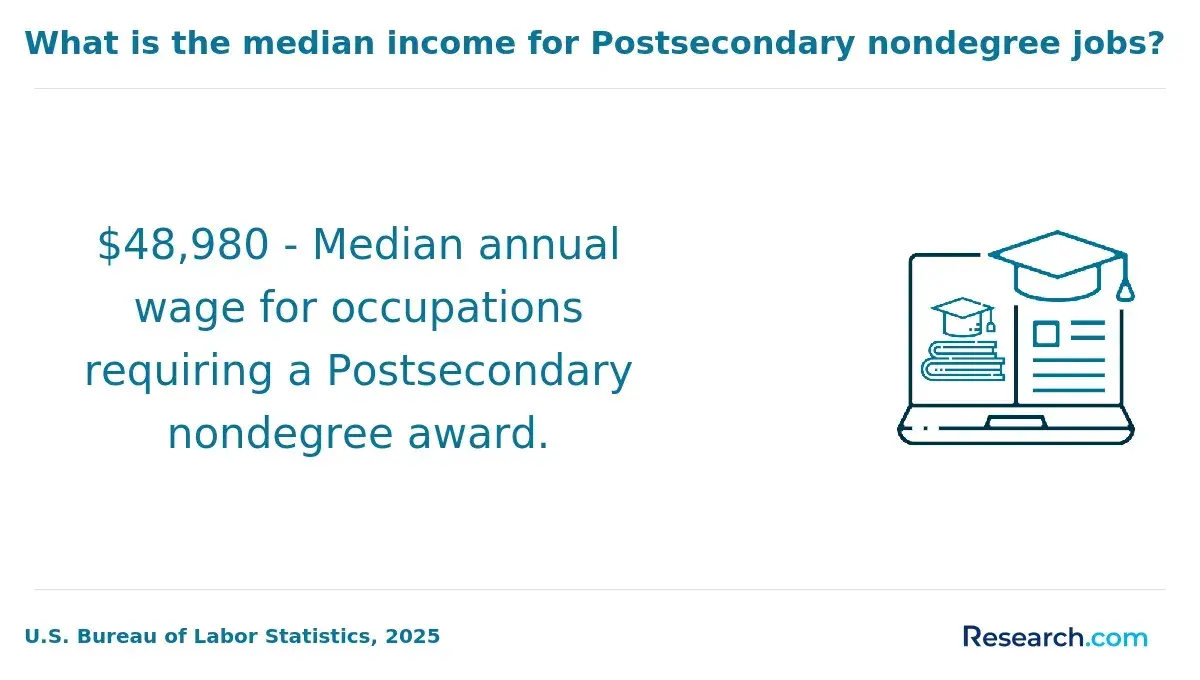
Salary bands in human resources reflect a clear progression aligned with experience and role complexity, with entry-level positions such as assistants and coordinators typically earning between $40,000 and $55,000 annually, based on 2024 data from the U.S. Bureau of Labor Statistics. Mid-level roles, which include HR generalists and specialists, usually fall within a $60,000 to $85,000 range, reflecting increased hands-on responsibilities in compliance, employee relations, and benefits administration.
Senior roles like HR managers and directors command significantly higher compensation, often from $90,000 up to $140,000 or more, with factors such as company size and location contributing to the wide variability observed in these upper bands, as confirmed by LinkedIn Salary Insights. This layered pay structure illustrates how salary scales correspond tightly to role diversity and the growing operational impact required as professionals move up the hierarchy.
Significant salary variation within human resources careers is driven primarily by specialization depth, geographic market conditions, and organizational scale. Positions demanding niche expertise or certifications-though not solely decisive-can tilt compensation upward, especially if they address shortages in strategic functions like HR technology or legal compliance.
Urban centers and industries with higher competition often offer more lucrative salaries compared to rural or less specialized sectors, underscoring how location influences wage potential. Furthermore, employers weigh a candidate's tangible skill sets such as technological fluency with HRIS systems and strategic planning ability alongside credentials, emphasizing market-driven pay differentiation over formal qualifications alone.
One recent HR graduate shared that during their program's rolling admissions cycle, there was a persistent tension between waiting for final financial aid decisions and the fear of losing available spots as class capacities neared. The uncertainty led to early application submissions without full preparation, causing some hesitation in course selection and start dates.
Only after receiving clearer acceptance timelines did they feel able to finalize registration confidently, illustrating how admission timing and administrative clarity can critically shape early career decisions and financial planning for prospective students in the field.
Which Industries Are Hiring the Most Human Resources Graduates?
Demand for human resources graduates is concentrated in sectors experiencing rapid workforce expansion, digital transformation, or evolving regulatory environments. These broader economic and technological shifts drive sustained hiring needs, especially in industries where talent management complexity and compliance obligations have intensified.
Understanding the structural factors behind this demand reveals how employers prioritize skills like strategic workforce planning, compliance expertise, and diversity management to adapt to ongoing change:
- Healthcare: Growth in hospitals, outpatient services, and long-term care facilities has fueled substantial hiring of human resources graduates, reflecting a pressing need to manage expanding workforces while navigating complex healthcare regulations. Employers in healthcare prioritize graduates skilled in regulatory compliance, employee relations, and workforce analytics to support staffing demands projected to grow by around 12% over the next decade.
- Technology: The tech sector's innovation-driven expansion requires human resources professionals who can execute large-scale recruiting, cultivate inclusivity, and support retention initiatives amid competitive talent markets. Companies in software development and IT services increasingly seek graduates adept at integrating HR technology tools and managing agility to keep pace with a reported 15% year-over-year increase in human resources roles noted by the National Association of Colleges and Employers.
- Finance and Insurance: Firms within banking, investment, and insurance experience ongoing shifts tied to regulatory updates and organizational restructuring, necessitating human resources graduates versed in compliance oversight, compensation design, and benefits administration. This sector's forecasted 9% growth in HR positions highlights the importance of candidates who combine legal knowledge with operational HR execution.
- Professional and Business Services: Consulting, legal, and advertising firms rely heavily on flexible, project-based staffing requiring human resources specialists with strengths in talent acquisition and employee relations. Their demand is driven by diverse workforce models and rapid client-driven personnel changes, favoring graduates with strategic sourcing and communication skills to maintain workforce agility.
How Does Hiring Demand Vary by State, Region, and City?
Hiring demand for human resources roles shows significant variation across states and broader regions, influenced by industrial composition and economic conditions. States such as California, Texas, and New York exhibit stronger demand due to their diverse economies spanning technology, finance, and healthcare sectors, which continually require human resources expertise for talent acquisition and workforce management.
Conversely, Midwestern and rural states with economies focused on manufacturing, agriculture, or resource extraction often demonstrate slower hiring growth, reflecting more stable or shrinking workforces. Regional disparities also arise from economic development initiatives and the presence of industry clusters, which shape the localized need for specialized HR skills.
In fact, this variation in how hiring demand for human resources varies by state underscores the importance of understanding labor market geography rather than relying solely on statewide job counts when planning career paths.
At the city level, metropolitan areas with high concentrations of tech firms, healthcare providers, and large multinational corporations create more intense competition for skilled human resources professionals, leading to higher salaries and more specialized roles such as diversity coordinators or compensation analysts.
Urban hubs like the San Francisco Bay Area and New York City sustain elevated demand driven by employer density, infrastructure supporting talent pipelines, and workforce diversity. However, these opportunities come with tradeoffs, including higher living costs and competitive hiring environments.
Smaller cities and emerging metros tend to offer generalist human resources positions with potentially smoother entry but often at lower compensation levels. Prospective candidates may also consider educational pathways such as an operations management MBA to align with these varied regional demands and enhance practical skills valued across these dynamic labor markets.
What Skills Are Employers Prioritizing in Human Resources Job Postings?
Employer expectations for human resources professionals have shifted to reflect broad digital transformation, evolving workforce dynamics, and heightened emphasis on strategic impact. This shift is driven by ongoing automation of routine tasks, greater reliance on data-driven decision-making, and organizational focus on diversity, inclusion, and compliance complexities.
Consequently, skill demands in job postings are no longer static but increasingly interdisciplinary, requiring both technical proficiency and advanced interpersonal capabilities to navigate contemporary HR challenges:
- Digital HR Platform Expertise: As HR operations become more technology-centric, proficiency in applicant tracking systems (ATS) and human capital management (HCM) software is essential. Nearly three-quarters of current postings list digital literacy as mandatory, reflecting employers' need for candidates who can efficiently leverage these tools to streamline recruitment, payroll, and workforce analytics, thus enhancing operational agility.
- Emotional Intelligence and Conflict Resolution: Beyond basic communication, employers prioritize the ability to manage complex interpersonal dynamics and foster inclusive environments. This skill aligns with an industry-wide emphasis on mitigating workplace conflicts and supporting diversity, equity, and inclusion initiatives, which are critical to sustaining healthy organizational cultures.
- Data Literacy and People Analytics: The rise of people analytics requires HR professionals to interpret workforce data and translate insights into strategic talent management decisions. Around 60% of roles now demand this capability, underscoring how employers view data fluency as a competitive differentiator that links human capital practices directly to business performance.
- Regulatory Compliance Knowledge: Experienced understanding of labor laws, benefits administration, and remote work policies has become a baseline expectation. Mastery in this area reduces organizational risk and ensures equitable treatment, a necessity intensified by pandemic-driven changes in work arrangements.
- Managing Hybrid and Remote Workforce Dynamics: Effective handling of nontraditional work environments is critical as many organizations adopt flexible models. Candidates who demonstrate experience adapting policies and maintaining engagement across distributed teams are better positioned to meet evolving operational demands.
Which Certifications Increase Employability and Salary Potential?
Certifications in the human resources field function as critical markers of specialized knowledge, technical aptitude, and practical readiness. They often serve to complement formal education, offering targeted validation of skills that employers value amidst shifting workforce demands.
As strategic tools, these credentials can improve competitiveness by addressing specific industry gaps and emerging priorities, thereby shaping not only hiring prospects but also compensation scales:
- Professional in Human Resources (PHR): Recognized for confirming foundational expertise in essential HR functions, the PHR certification is particularly valued by employers seeking reliable indicators of core operational knowledge. It aligns well with entry-level roles where broad competence in compliance, recruitment, and employee relations is expected, often resulting in a measurable salary premium compared to uncertified candidates.
- Senior Professional in Human Resources (SPHR): This credential signifies advanced mastery and strategic capability, frequently correlating with leadership positions that command higher pay. SPHR holders typically demonstrate proficiency in organizational development and labor law, skills in growing demand as companies navigate complex workforce regulations and transformational initiatives.
- SHRM Certified Professional (SHRM-CP) and Senior Certified Professional (SHRM-SCP): These certifications emphasize the integration of operational and strategic HR knowledge, reflecting an employer preference for candidates who can bridge day-to-day management with long-term talent strategies. Their focus on ethical practices and analytics supports workforce planning trends that influence hiring decisions and salary structures.
- Certified Professional in Learning and Performance (CPLP): With increasing emphasis on organizational learning and development, CPLP addresses gaps in talent management skills related to training efficacy and performance improvement. Organizations prioritizing employee growth and retention view this credential as an asset that enhances both employability and potential earnings.
- Specialized Certifications in Diversity, Equity, and Inclusion (DEI): Given the heightened focus on equitable workplace practices, DEI certifications signal an ability to implement and lead critical cultural initiatives. Candidates with these credentials often stand out in competitive markets where diversity objectives align with broader organizational goals, impacting both hiring and advancement opportunities.
According to the latest LinkedIn Workplace Learning Report, HR professionals with relevant certifications can earn between 15% and 20% more than their uncertified peers, underscoring how these credentials serve as effective labor market signals beyond theoretical knowledge.
One recent human resources graduate shared that the rolling admissions timeline for certification programs created uncertainty when planning next career steps. The candidate hesitated to submit applications immediately, balancing the cost and time investments against job search pressures.
After weeks of monitoring opening dates and curriculum details, the eventual decision to pursue a specialized credential in workforce analytics provided clarity and improved negotiation leverage during interviews. The experience highlighted how timely access to well-aligned certifications can substantively influence both employability and salary outcomes, particularly in a competitive HR job market.
How Do Remote and Hybrid Opportunities Affect the Human Resources Job Market?
The rise of remote and hybrid work trends in human resources jobs is significantly reshaping hiring patterns and employer expectations. Recent workforce analytics and LinkedIn Workforce Reports highlight that many organizations are expanding their talent pools beyond traditional geographic boundaries, seeking candidates who can navigate virtual communication and digital onboarding processes.
This shift increases competition among applicants but also broadens access for human resources professionals located outside major urban centers. Employers now prioritize adaptability and proficiency in remote collaboration tools, emphasizing emotional intelligence and problem-solving skills in virtual environments to maintain team cohesion and productivity.
These flexible work models are prompting notable changes in salary competitiveness and labor market structure. Companies often adjust compensation based on candidates' locations to balance cost-of-living differences with market demand, leading to a broader range of salary bands within similar roles.
Geographic mobility is less of a barrier, yet employer expectations for managing dispersed teams and digital engagement are rising. This demands continuous skill development in remote workforce compliance and employee engagement strategies.
For early-career professionals, understanding these shifts and pursuing short certificate programs that pay well can enhance employability in a human resources job market increasingly defined by flexibility and technological proficiency.
Which Human Resources Careers Show the Strongest Long-Term Hiring Momentum?
Long-term hiring momentum in human resources careers reflects deep structural shifts rather than transient job market fluctuations. This momentum is driven by enduring economic transformations, technological integration, and evolving regulatory demands that collectively shape workforce needs.
Such sustained demand underscores the importance of understanding which roles intersect key trends like digital analytics, diversity initiatives, and strategic organizational development. Incorporating knowledge about these factors helps prospective professionals analyze long-term employment sustainability amid shifting business practices:
- Talent Acquisition Specialists Focused on Diversity and Inclusion: The increasing emphasis on equitable hiring practices and workforce diversity supports persistent demand for talent acquisition specialists skilled in diversity, equity, and inclusion initiatives. Businesses are not only adapting to social accountability standards but also recognizing the competitive advantages of diverse teams, which secures this role's long-term relevance within the labor market.
- HR Business Partners Aligning Strategy and Workforce Planning: Organizations are progressively integrating human resources with overarching business strategies, creating stable demand for HR business partners who can translate organizational goals into effective workforce planning and change management. This alignment becomes critical as companies navigate digital transformation and market volatility.
- Compensation and Benefits Analysts: Complex regulatory environments and the competitive need to attract and retain talent sustain the importance of compensation and benefits analysts. Their expertise in designing compliant and competitive packages addresses structural challenges in talent retention amid fluctuating labor markets.
- HR Technology Managers: The adoption of human capital management systems and analytic tools drives ongoing demand for HR technology managers who can oversee implementation and innovation. As digital tools reshape operational workflows, this role anchors a growing intersection between HR and information technology.
According to the U.S. Bureau of Labor Statistics (2024), employment of human resources specialists is projected to grow by 7% from 2022 to 2032, faster than the average for all occupations, illustrating solid long-term labor market demand. This projection aligns closely with observed long-term hiring trends for human resources professionals in the US, emphasizing roles that blend traditional HR with technological and strategic competencies.
For early-career professionals, pursuing a balance of foundational knowledge and specialized skills-particularly in data fluency and change management-is essential. Employers increasingly expect candidates who can leverage technology alongside interpersonal competencies, reflecting the sector's digital evolution.
Educational programs that integrate these aspects better prepare graduates for sustained employability. This practical balance is critical, especially when compared with other fields: for instance, veterans interested in technical disciplines might explore pathways like veteran friendly online electrical engineering degree programs, where similar long-term skill alignment with industry needs is also emphasized.
How Can Students Use Job Market Data to Make Better Career Decisions?
Students can leverage up-to-date labor market data from sources such as 2024 labor reports, hiring platforms, and salary databases to evaluate demand and compensation patterns within Human Resources. These data reveal which roles, such as those emphasizing diversity, equity, inclusion, or HR technology, experience the strongest growth and provide the most competitive pay.
Analyzing regional salary bands and job concentration helps students identify geographic areas offering better employment opportunities or higher wages. This evidence-based approach allows for granular assessment beyond generic descriptions, enabling students to forecast potential returns on investments in specific Human Resources education and certifications.
Interpreting these data requires balancing short-term hiring spikes with considerations of long-term career stability and alignment with personal strengths. Students should assess whether their skills match in-demand specializations or if they prefer steady roles like HR generalists, recognizing differing growth trajectories and compensation tradeoffs.
Geographic flexibility and employer requirements for formal education versus experience also factor heavily into strategic planning. Overreliance on transient market trends risks misaligned decisions; therefore, integrating labor market insights with individual career goals and realistic expectations results in more informed, sustainable Human Resources career pathways.
References
- Best human resources jobs for 2026 https://www.randstadusa.com/job-seeker/best-jobs/best-human-resources-jobs-2026/
- What skills and competencies do you need for a career in HR? https://targetjobs.co.uk/careers-advice/hr-and-recruitment/what-skills-and-competencies-do-you-need-career-hr
- HR Job Trends - Comp, Benefits, Skills, Postings... https://publicinsight.io/hr-job-trends-comp-benefits-skills-postings/
- Best-Paying HR Certifications: What to Choose https://hrcertification.com/blog/best-paying-hr-certifications-what-to-choose-biid1000023
- HR Graduate Career Profile, HR Careers | GRB https://www.grb.uk.com/industry-profiles/hr/
- How HR Professionals Can Master Hybrid Work: Strategies for Flexibility and Productivity https://www.tmi.org/blogs/how-hr-professionals-can-master-hybrid-work-strategies-for-flexibility-and-productivity
- Human Resources Career Path: Roles, Skills & Growth https://hcm.sage.com/blog/human-resources-career-path
- Which Human Resources job pays the most? https://www.jarsolutions.co.uk/blog/2023/04/which-human-resources-job-pays-the-most
- HR and Recruitment Job Search | Higherin https://higherin.com/search-jobs/hr-recruitment
Other Things You Should Know About Human Resources
Candidates must evaluate whether a role offers stable, well-defined responsibilities or opportunities for skill diversification and advancement. Entry-level positions in longstanding HR functions like payroll or compliance typically offer steady demand but slower career growth. Conversely, roles focused on talent analytics or diversity initiatives may be less prevalent but provide faster skill development and upward mobility. Prioritizing growth potential is advisable for those early in their career seeking accelerated advancement, while stability may suit professionals balancing risk with consistent income.
Wide salary ranges often reflect significant variation in employer size, industry, and job scope rather than uniform market value. For candidates, this means that negotiating based solely on published bands is insufficient; understanding the specific organizational context is critical. A mid-salary offer at a large corporation might actually represent a lower relative value than a similar or slightly lower pay at a smaller, more dynamic company with greater growth opportunities. Prioritizing roles where the salary aligns with workload complexity and career trajectory is essential for sustainable satisfaction and retention.
Variable hiring momentum means that short-term job seekers should aggressively target roles tied to current organizational priorities, such as compliance during regulatory changes or remote workforce management. However, relying solely on these trends can lead to job instability as priorities shift. Long-term strategies benefit from building expertise in fundamental HR areas that remain necessary across cycles, like employee relations and benefits administration. Balancing immediate openings with continuous skill development helps maintain employability regardless of market fluctuations.
Choosing between broad generalist roles and specialized functions depends on individual career goals and market signals. Generalist roles provide exposure to multiple HR disciplines and can be advantageous for those aiming at senior leadership, as this demands cross-functional knowledge. Specialists often command higher pay within niche areas like compensation strategy or organizational development but may face more limited openings. Early-career professionals should prioritize broad exposure to clarify their interests before committing to specialization, while mid-career candidates with clear expertise goals may benefit from deepening skills in targeted domains.