2027 Human Resources ROI by Institution Type: Public vs Private vs Nonprofit Online Programs

Co-Founder and Chief Data Scientist
A working professional evaluates three online human resources programs: a public university with affordable tuition but reported lower graduation rates, a private institution with hefty costs and mixed employment outcomes, and a nonprofit college advertising strong career support but higher average student debt.
According to a 2024 National Student Clearinghouse report, private online graduates face a 15% higher debt burden than their public counterparts despite no clear advantage in completion or job placement. This highlights that sticker price alone misrepresents true returns.
Choosing the wrong institution risks prolonged debt and stalled career progression. This article examines ROI by institution type to clarify these critical tradeoffs for prospective human resources students.
Key Things to Know About Human Resources ROI by Institution Type
- Public institutions often offer lower tuition with moderate graduation rates, balancing affordability against potentially longer time-to-completion, which can increase opportunity costs for working professionals seeking timely career advancement.
- Private programs may carry higher debt burdens but frequently boast stronger employer networks and reputations, enhancing post-completion hiring prospects despite increased financial risk.
- Nonprofit online HR programs show growing employer acceptance due to robust accreditation and learner support services, yet varying flexibility levels require students to weigh immediate job demands against long-term credential value.
- What Does ROI Mean for a Human Resources Program and How Is It Measured? Understanding Human Resources Program ROI
- How Do Public, Private, and Nonprofit Online Human Resources Programs Differ in Overall Value? Value by Institution Type
- How Do Tuition Costs Affect the ROI of a Human Resources Program Across Institution Types? Tuition Costs and ROI
- How Do Graduation Rates Influence Human Resources Program ROI? Graduation Rates Impact ROI
- What Role Do Career Outcomes Play in the ROI of a Human Resources Degree? Career Outcomes and ROI
- How Does Student Debt Impact the Long-Term ROI of a Human Resources Program? Debt vs. Long-Term ROI
- How Do Flexibility and Adult Learner Support Affect Human Resources Program Value? Flexibility and Program Value
- How Do Accreditation and Institutional Reputation Influence Human Resources ROI? How Do Accreditation and Institutional Reputation Influence Human Resources ROI?
- How Does Time-to-Degree Affect the ROI of Public, Private, and Nonprofit Human Resources Programs? How Does Time-to-Degree Affect the ROI of Public, Private, and Nonprofit Human Resources Programs?
- How Can You Choose the Best Human Resources Program Based on Your ROI Goals? Choosing Programs by ROI
What Does ROI Mean for a Human Resources Program and How Is It Measured?
Measuring human resources program ROI requires more than comparing tuition costs; it demands a nuanced consideration of factors like time-to-degree, graduation likelihood, and post-completion career outcomes. For instance, a lower-cost public program may reduce immediate debt, but if it has a graduation rate near 40%, as recent data suggests for online bachelor's degrees, prolonged time-to-completion or dropout risk can diminish actual return by extending opportunity costs.
Conversely, private or nonprofit online offerings with higher completion rates might entail steeper upfront expenses but yield greater long-term value by accelerating credential attainment and improving employer recognition, which often translates into stronger salary growth and job placement in competitive HR markets.
Prospective students must weigh their individual goals against these variables, recognizing that ROI is not uniform across institution types or learner circumstances. Working adults valuing flexible schedules and relevant curriculum might accept higher tuition if it shortens time away from employment or enhances practical skills, thereby balancing financial outlay with career advancement.
Additionally, comparing programs solely on cost overlooks the impact of institutional reputation, learner support, and alumni networks-factors that influence career trajectories in human resources roles. For those exploring education pathways, including options as specific as an AI master's degree that might intersect with HR technology trends, a thorough, evidence-based evaluation of return on investment for human resources programs shapes smarter, more sustainable educational commitments.
How Do Public, Private, and Nonprofit Online Human Resources Programs Differ in Overall Value?
Choosing between public, private, and nonprofit online human resources programs involves balancing tuition costs against long-term career benefits and debt implications. Public programs typically offer lower tuition and greater accessibility, appealing to budget-conscious working adults who need flexibility. However, their graduation rates trail nonprofit counterparts by nearly 8 percentage points, which may delay workforce entry or advancement.
Private nonprofit programs tend to carry higher tuition but provide stronger career services and networking, resulting in reported salary premiums around 12% at entry-level positions. This can offset greater debt levels through better job placement and employer recognition, though the upfront financial sacrifice is significant.
Nonprofit programs frequently strike a middle ground, blending moderate costs with solid accreditation and employer reputation, often favored in mid-sized and nonprofit organizations for their balanced outcomes in affordability and job readiness.
These distinctions matter most when viewed through practical scenarios: a working professional weighing immediate affordability against potential salary growth, or a career changer assessing support services' impact on timely degree completion. Beyond tuition, factors like graduation likelihood, student support, and institutional prestige directly affect the return on investment.
Data from the National Center for Education Statistics highlights this complexity, showing that while public programs enroll more students, nonprofit graduates tend to complete degrees faster and earn higher wages in human resources roles. Hence, prospective students should evaluate how each program's mix of cost, completion rates, and employer perception aligns with their financial situation and career timeline rather than assuming one type universally offers greater value.
A student navigating these options found themselves torn between the lower-cost appeal of a public online human resources degree and the personalized career counseling offered by a pricier private nonprofit institution. Concerned about accumulating unmanageable debt yet eager to access robust alumni networks, they also considered a nonprofit program known for steady graduation rates and recognized credentials without excessively high tuition.
After comparing financial aid packages and graduation data, they opted for the nonprofit route, drawn by its blend of affordability and support that matched their goals for manageable debt and enhanced employability, illustrating the nuanced tradeoffs woven into these educational choices.
How Do Tuition Costs Affect the ROI of a Human Resources Program Across Institution Types?
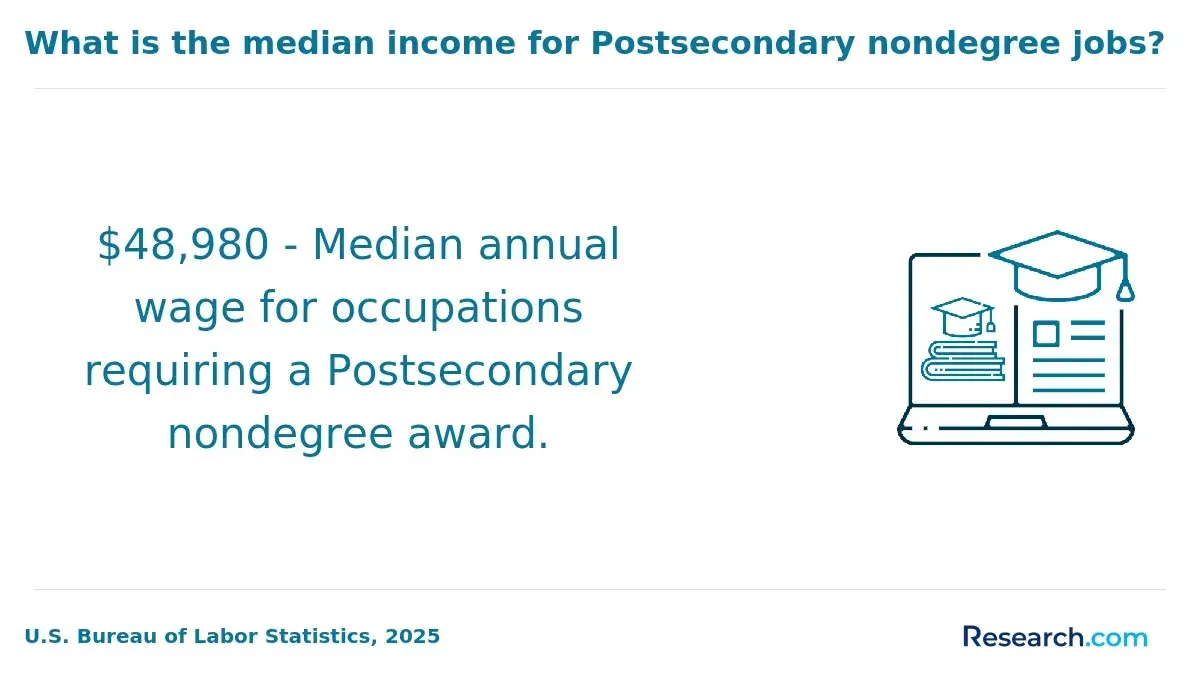
Tuition differences between public, private, and nonprofit online human resources programs significantly shape their long-term return on investment, but lower sticker prices do not guarantee better value. Public institutions often present tuition costs around $9,000 annually due to state subsidies, yet longer completion times and inconsistent career support can increase total expenses and delay workforce entry.
Conversely, private nonprofit programs, which may charge more than $25,000, frequently offer enhanced academic advising, career services, and employer networks that can accelerate graduation and improve post-degree earnings, potentially offsetting higher debt levels over time. The 2024 National Center for Education Statistics data highlights this disparity, reflecting how upfront cost savings at public schools might carry hidden opportunity costs related to time and career momentum.
Adult learners balancing work, family, and education must weigh program flexibility and outcomes alongside tuition price. Nonprofit providers typically position themselves between public and private sectors, blending reasonable costs with adaptable pacing suited to working professionals seeking career changes.
However, accumulating higher student debt in private nonprofit settings demands scrutiny, especially if wage growth post-graduation does not align with the program's market reputation or the student's local employment landscape. In short, evaluating human resources program ROI requires looking beyond tuition to factors like financial aid availability, completion rates, and long-term employability rather than assuming that the lowest tuition automatically yields the best financial outcome.
How Do Graduation Rates Influence Human Resources Program ROI?
Graduation rates provide insight into the operational strengths and weaknesses of human resources programs but should not be viewed as a sole indicator of return on investment (ROI). Public institutions often balance moderate completion rates with affordability, resulting in manageable debt loads despite longer time-to-degree paths.
By contrast, private programs typically show higher graduation rates due to intensive student support yet impose substantial tuition costs that may reduce net financial benefits after graduation. Nonprofit online offerings face unique challenges as they serve many working adults, where flexible pacing can extend completion timelines without necessarily undermining educational value.
According to the 2024 National Student Clearinghouse Research Center, programs with stronger graduation outcomes correlate with higher employment rates and lower student debt, both key factors shaping ROI. However, factors like persistence, academic resources, and individual learner needs-especially for transfer and part-time students-complicate this relationship.
Prospective students must consider these tradeoffs alongside graduation data to gauge a program's true cost-effectiveness and alignment with career objectives. Those comparing options may also find value reviewing metrics from specific fields such as criminal justice online, where ROI patterns parallel those in human resources.
What Role Do Career Outcomes Play in the ROI of a Human Resources Degree?
The return on investment of online human resources degrees hinges significantly on measurable career outcomes such as employment rates, job placement speed, and employer recognition, which vary notably among public, private, and nonprofit institutions. For instance, public programs demonstrated a 78% employment rate within six months of graduation, surpassing private and nonprofit counterparts, indicating stronger alignment with regional labor markets and established employer networks.
However, private and nonprofit programs often provide specialized curriculum tracks or mentoring structures that appeal to professionals aiming for leadership roles, suggesting that the value of credentials depends heavily on individual career goals and how well program offerings translate into tangible opportunities.
These differences affect not only immediate job prospects but also influence debt repayment timelines and long-term career sustainability, especially as tuition costs and time invested must be balanced against expected gains.
Career outcomes intersect with broader practical factors such as professional certification pathways and articulation agreements with graduate programs, which many human resources professionals view as enhancing employability and future advancement. Students must weigh whether a program's network and industry connections sufficiently compensate for its cost and whether skills acquired meet explicit hiring criteria like talent management or labor law compliance.
Considering that 65% of HR professionals prioritize degree programs with clear certification routes, this can shift ROI calculations by increasing the credential's perceived market relevance. Ultimately, understanding these tradeoffs enables informed choices that go beyond surface-level rankings, focusing instead on program outcomes that directly affect employability and career mobility in a competitive job market.
Reflecting on these factors, one graduate of an online human resources program recalls hesitating when choosing between institutions due to uncertainty around how the degree would impact career advancement within their company.
Although initially skeptical about the return beyond added educational debt, the graduate found the program's integration with professional certifications and the recognition of the credential by their employer led to expanded responsibilities and a smoother transition into a managerial role.
This experience highlighted that beyond salary figures, ROI often manifests in internal promotion opportunities and the practical use of specialized skills, making the value of the degree visible over time rather than immediately after graduation.
How Does Student Debt Impact the Long-Term ROI of a Human Resources Program?
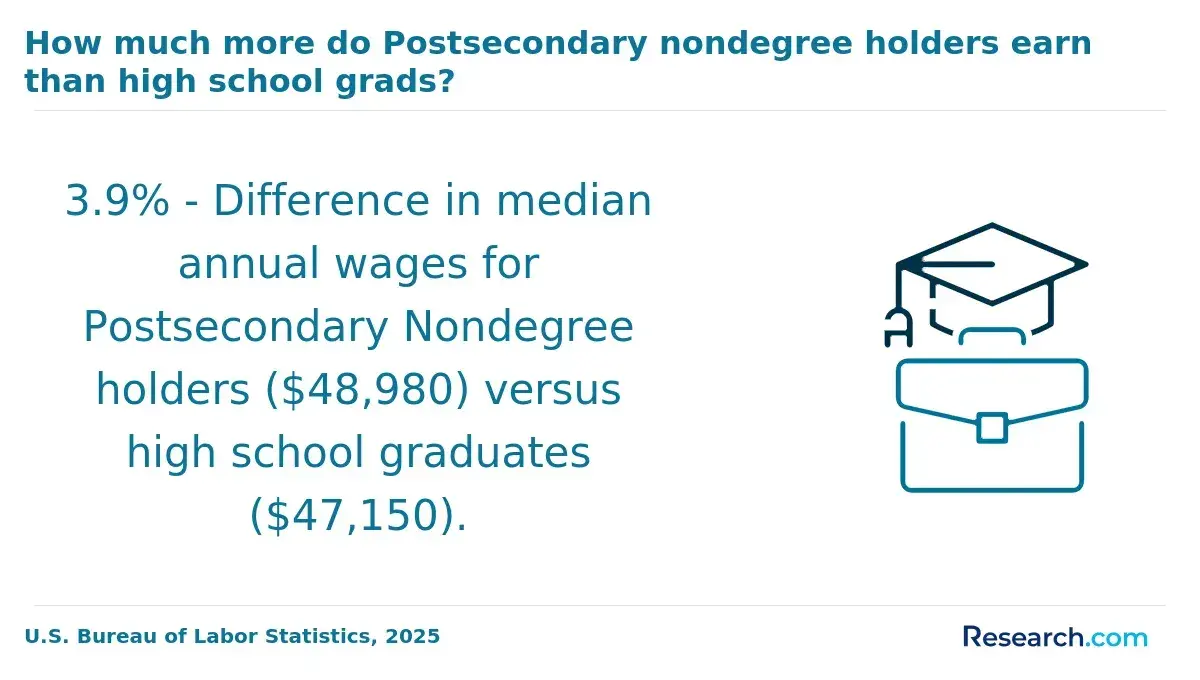
Higher student debt levels in private online programs, which average about 40% more than public counterparts, significantly reshape the return on investment for a human resources degree by constraining graduates' financial flexibility. For example, a graduate carrying elevated debt may need to prioritize immediate salary gains over long-term career fit, potentially choosing roles misaligned with their professional interests in favor of higher pay.
Evaluating student debt impact on long-term human resources program roi requires considering not just tuition costs but also institutional graduation rates, as lower completion rates at some institutions raise the average debt per successful graduate and diminish overall financial value.
Public institutions tend to offer lower tuition and stronger state financial aid, improving debt-to-income ratios for many graduates. Yet, debt influences go beyond repayment obligations; it affects career trajectories and personal financial milestones such as homeownership or retirement saving, which often delay for borrowers with larger debt burdens.
Nonprofit online human resources programs usually position themselves between public and private schools on cost and debt, but default rates of around 8% indicate that debt management challenges remain. Adult learners and career changers should weigh these debt-related outcomes alongside educational quality and job market returns when selecting programs.
Decision-relevant analysis of how student loans affect return on investment in human resources degrees also requires examining realistic prospects for program completion and employment outcomes.
Borrowing strategies must align with expected earnings trajectories and personal circumstances to optimize long-term value. For those comparing options, resources like the master's in human resources can provide critical insights into affordability and program efficiency, helping students make informed choices that balance cost, debt, and career potential.
How Do Flexibility and Adult Learner Support Affect Human Resources Program Value?
Flexibility in scheduling and robust adult learner support critically shape the practical value and ROI of online Human Resources programs, especially for working professionals managing competing demands. Programs that offer asynchronous courses and part-time enrollment allow students to continue earning while studying, which can reduce opportunity costs and improve completion rates by up to 15%, according to the National Center for Education Statistics.
However, these benefits come with tradeoffs: public institutions often provide greater flexibility and lower costs but may lack comprehensive academic advising and career services, potentially leaving students without the guidance needed to navigate degree requirements or transition effectively into the workforce.
In contrast, private programs generally invest more in personalized support, including accessible faculty, career coaching, and transfer credit assistance, which can improve retention and graduation by 10-12%, enhancing long-term employability. Yet, these advantages come at a higher tuition price, increasing debt concerns for cost-conscious learners.
Nonprofit institutions straddle this middle ground by combining affordability with targeted supports such as veteran services and technology resources tailored to adult learners, which have demonstrated an 8-10% improvement in persistence rates.
Ultimately, students weighing these options must consider not just sticker price but how well a program's support structures and transfer policies will accelerate time-to-degree, lower total educational costs, and align with their unique career-transition needs and workforce realities.
How Do Accreditation and Institutional Reputation Influence Human Resources ROI?
Regional and programmatic accreditation critically determine the practical value and employability impact of a human resources degree, often outweighing general institutional branding. Research from the Council for Higher Education Accreditation (CHEA) in 2024 reveals graduates from regionally accredited schools have a 22% higher likelihood of positive employment outcomes within six months compared to those holding degrees from nationally accredited or unaccredited programs.
For example, a professional opting for a public online program with regional accreditation and established transfer policies may face lower tuition costs and less debt, thereby improving their long-term ROI relative to a costly private alternative with weaker employer recognition.
Institutional reputation influences employer preferences but rarely compensates alone for shortcomings in accreditation or academic quality metrics such as graduation rates and student support services. The National Association of Colleges and Employers (NACE) reports that 65% of HR recruiters prioritize candidates from schools with strong reputations coupled with programmatic accreditation, highlighting the nuanced interplay between brand and formal quality assurances.
For working professionals and transfer students, public institutions often offer more predictable credit transfer and financial aid, whereas nonprofit or private online schools might provide networking advantages but at the expense of higher tuition and varied recognition, complicating the cost-benefit calculation of pursuing advanced HR credentials.
Evaluating human resources programs thus requires balancing immediate affordability, program legitimacy, graduate outcomes, and post-degree mobility. Prospective students should scrutinize how the accreditation type aligns with their career goals and employer markets, as well as how institutional reputation affects access to professional opportunities without inflating debt.
This approach ensures educational investment aligns realistically with workforce expectations and personal financial constraints.
How Does Time-to-Degree Affect the ROI of Public, Private, and Nonprofit Human Resources Programs?
Time-to-degree critically shapes the total investment and career impact for students in online Human Resources programs, as prolonged completion timelines generally increase tuition costs and delay workforce advancement. Public institutions, where part-time enrollment and less flexible scheduling are common, often see average completion times extending to six years, raising opportunity costs especially for working professionals managing family and employment.
Conversely, private and nonprofit programs typically focus on accelerated pathways and cohort models enabling degree completion in three to four years, allowing quicker salary gains but frequently at the expense of higher tuition and more intense schedules, which not all learners can accommodate.
This dynamic is particularly relevant when comparing degree completion time and financial returns in nonprofit HR programs versus public ones. Nonprofit programs generally report higher graduation rates (up to 60% within six years) compared to public schools (around 40%-50%), indicating a tradeoff between affordability and timely degree attainment that directly affects long-term educational value.
Transfer credit policies and part-time options play a crucial role. More generous transfer acceptance and flexible pacing can shorten enrollment duration without overwhelming students balancing professional and personal responsibilities.
For cost-conscious adult learners and career changers evaluating these paths, understanding how time-to-degree influences debt accumulation and career timeline is essential. Selecting a program with realistic completion estimates aligned to individual circumstances can mitigate prolonged financial strain and optimize employability. Prospective students researching options among non profit schools should weigh these factors carefully within the broader decision framework.
How Can You Choose the Best Human Resources Program Based on Your ROI Goals?
The highest ROI in choosing a human resources program online rarely hinges solely on institution type; instead, it reflects a complex interaction between individual priorities and financial realities. Public institutions typically offer lower tuition and broader state and federal financial aid, reducing immediate debt burdens-a critical factor for cost-conscious adult learners balancing work and family obligations.
However, private nonprofits, despite higher sticker prices, often provide stronger accreditation, more personalized support, and career services that can expedite graduation and improve employment prospects, which in turn may enhance long-term earnings and offset initial expenses.
Graduation rates and program flexibility also critically affect return on investment, especially for working professionals who must weigh time-to-degree against ongoing opportunity costs. Public programs usually have larger enrollments, potentially leading to longer completion times, while private nonprofits tend to maintain smaller cohorts allowing tailored learner engagement and faster progression.
Employer recognition, such as SHRM or HRCI accreditation, alongside institutional reputation, influences hiring outcomes and salary trajectories, which should guide students evaluating human resources online program ROI comparison rather than relying on upfront costs alone.
Deciding which pathway aligns with one's career goals and financial context requires assessing debt-to-earnings ratios and net costs beyond tuition, including living expenses and available scholarships.
Students expecting to pivot careers may find value in private nonprofit networking opportunities, while those prioritizing rapid credential attainment with manageable debt might favor public options. Understanding such nuances parallels considerations in related fields-much like assessing a paralegal salary associate's degree-where smart investment hinges on reconciling educational cost with realistic labor market outcomes.
References
- Human Capital ROI: Meaning, Formula, and How to Calculate https://www.oakwoodinternational.com/blog/human-capital-roi
- Measuring the ROI of Your Training Initiatives https://www.shrm.org/labs/resources/measuring-the-roi-of-your-training-initiatives
- How BBA Graduates Build Careers in Human Resource Management? https://www.ue-amsterdam.com/blog/how-can-bba-graduates-build-careers-in-human-resource-management
- 25 Best Return On Investment Degrees in Human Resource Management (Bachelor's) - Human Resources Degrees https://www.humanresourcesmba.net/best/bachelors-roi/
- Public vs Private Sector HR Management Career https://claremontlincoln.edu/news-blog/hr-management-public-private/
- How to measure the Return on Investment of an HRIS? https://www.neobrain.io/en/blog/hris-how-to-measure-your-king
- Measuring the ROI of Human Resources in Your Organisation https://measuredability.com/human-resources-measuring-the-roi-of-hr-in-your-organisation/
- ROI of Higher Education - Signal49 Research https://www.signal49.ca/focus-areas/roi-of-higher-education/
Other Things You Should Know About Human Resources
Program structures at public institutions often prioritize foundational knowledge with larger class sizes and less personalized interaction, which can reduce networking opportunities but may lower costs.
Private programs frequently incorporate more specialized tracks or immersive projects that align closely with current industry needs, potentially enhancing employability but often at a higher tuition cost. Nonprofit programs may strike a balance, offering practical experience with moderate cohort sizes and flexible pacing that benefits working adults. Choosing a program with a structure matching your learning style and career goals can be more impactful on ROI than the type of institution alone.
Employers may weigh program reputation, curriculum relevance, and graduate outcomes more heavily than the institution category, but private program graduates sometimes face skepticism if the program is less established or perceived as primarily for profit. Public institutions often benefit from broader name recognition and state support, which can translate into a steadier perceived credential.
Nonprofit programs that emphasize practical skills and certification alignment often appeal to employers focused on immediate applicability. Prioritizing programs with strong employer ties or validated outcomes is more critical than defaulting to an institution type for ROI.
Private online programs tend to demand a more intensive workload with faster pacing and project-based assessments, which can challenge working professionals but potentially accelerate career-ready skills development.
Public programs are usually more flexible with pacing but may require more self-direction and less direct faculty engagement, risking slower progress. Nonprofit programs often design courses mindful of adult learners' schedules, balancing rigor and flexibility. Students should assess their capacity to manage workload intensity since overcommitment can reduce ROI by increasing time-to-completion or causing burnout.
Nonprofit online programs frequently provide career services, internships, and networking opportunities tailored for career changers, offering pragmatic experiences that translate into faster job placement.
Public institutions may offer affordability and access to foundational knowledge but sometimes lack specialized career transition support. Private programs can offer advanced specialization and targeted skills but often at a higher cost with variable support for nontraditional students. Career changers should prioritize nonprofit programs when ROI depends on practical experience and employer connections crucial for breaking into human resources.